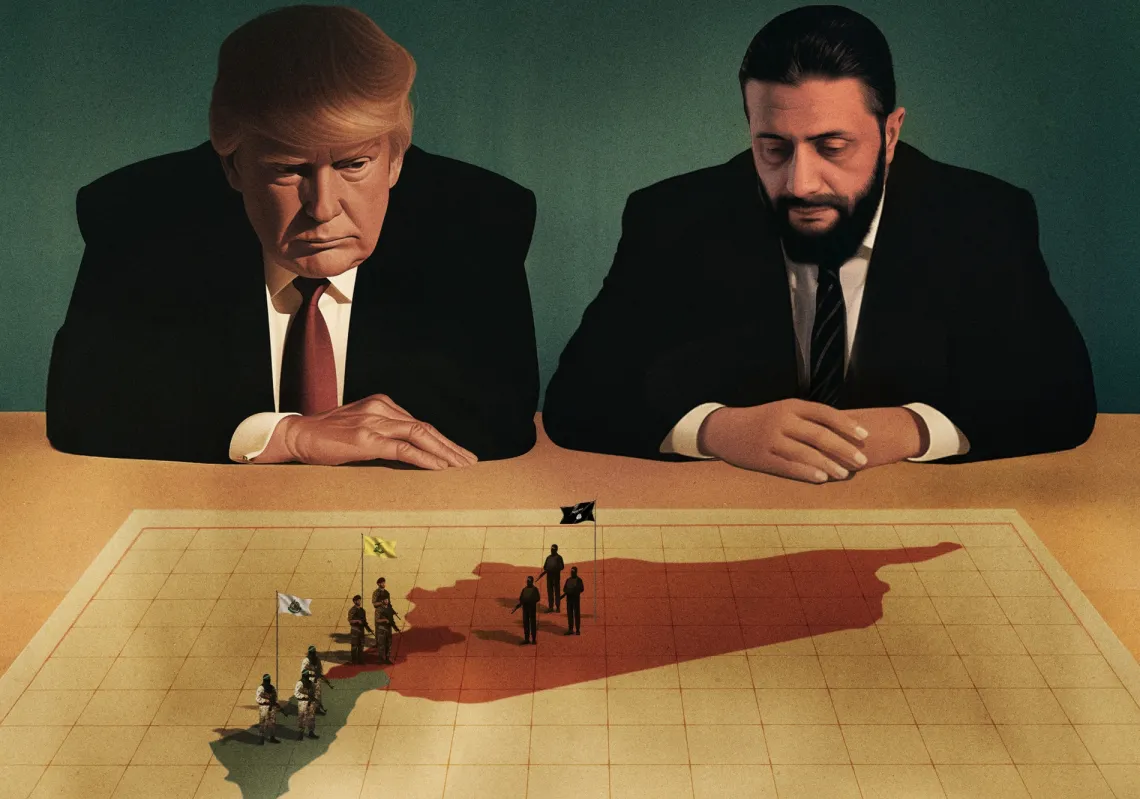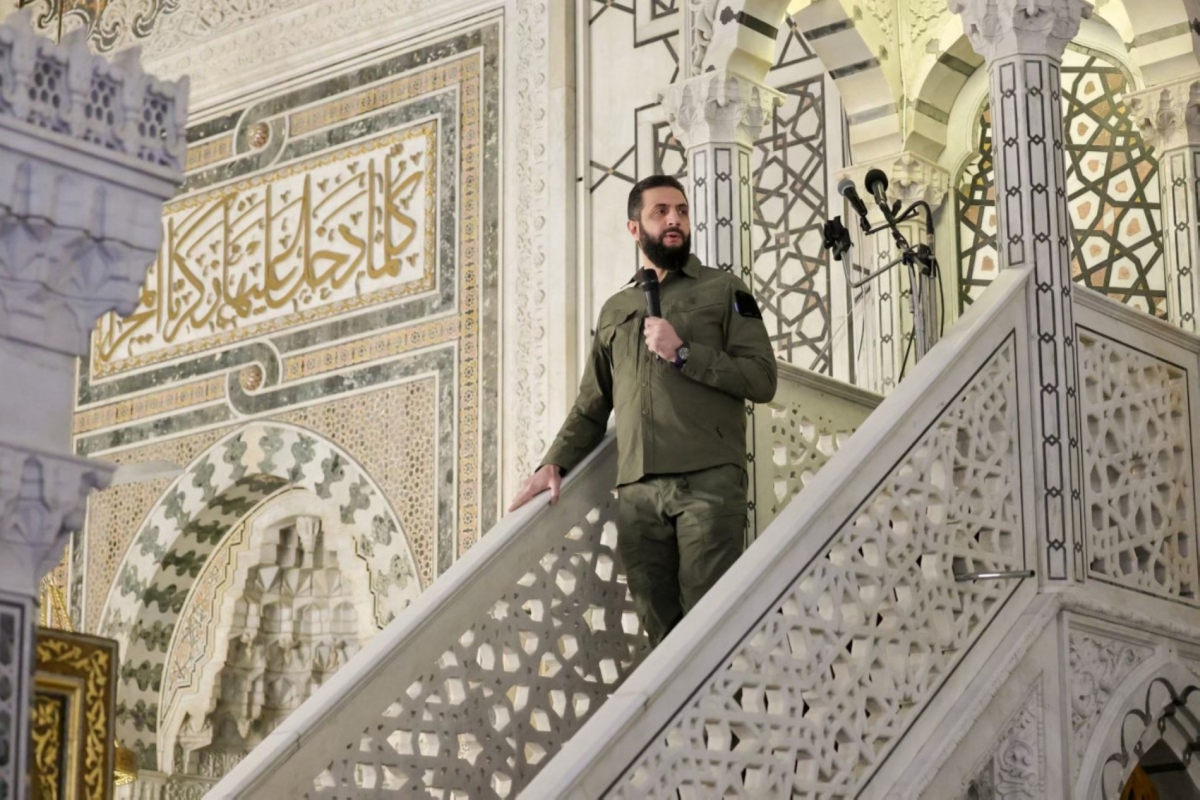

It has been a year since the fall of the former Syrian president Bashar al-Assad and the Levantine doomsayers who predicted that it was “Assad or nothing” have been proved wrong. Contrary to their prophecies, Syria has not fractured along ethnic and religious lines. If that was the script, then Syrians have so far refused to follow it.
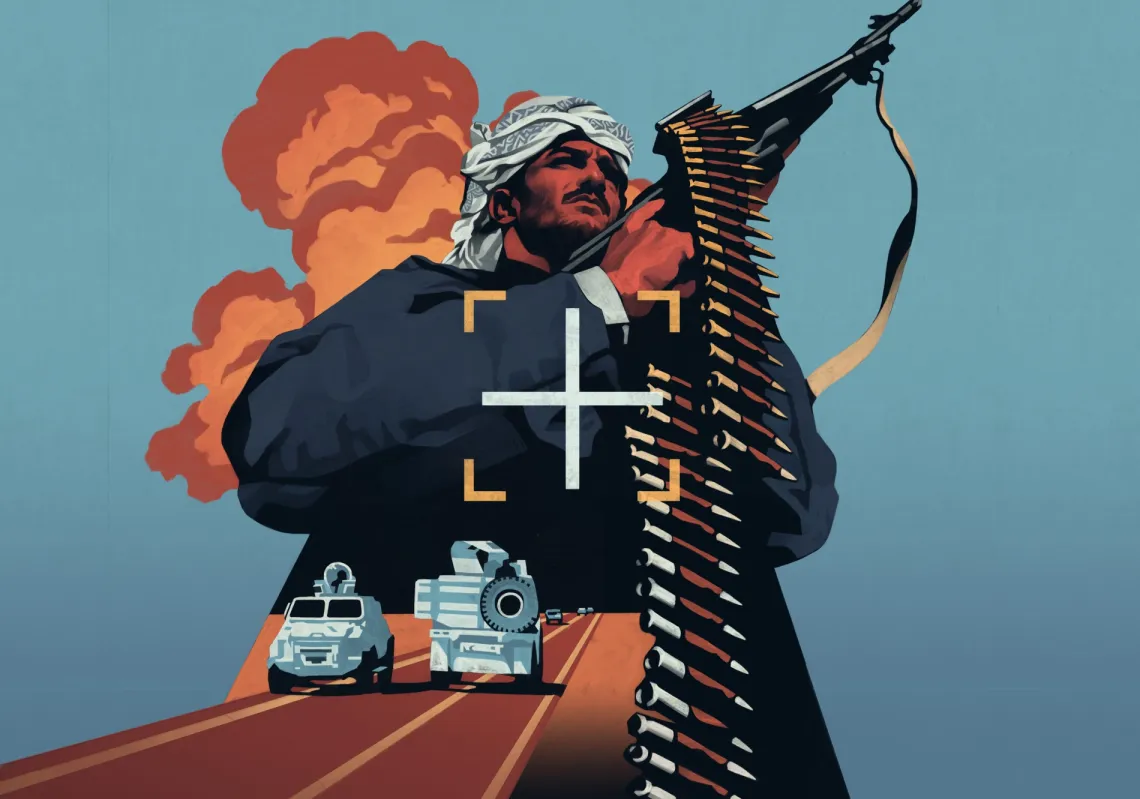
A year may feel like a long time in politics, but when it comes to Syria and its rebirth, the country is not out of the woods yet. However, while it is still too early to judge, the achievements of the government led by Ahmed al-Sharaa has surpassed all expectations. Still, there have clearly been some big problems along the way, not least the mass killings of Alawites on the coast in March, and fierce fighting between Bedouin and Druze fighters in Sweida this summer.
Whilst the jury is still out on those massacres, al-Sharaa has evidently learnt some valuable lessons from the story of Iraq after the fall of Saddam Hussein, and of Libya after the fall of Muammar Gaddafi. Against the odds, al-Sharaa has ensured a smooth transition, as he formed a government to rebuild a hollowed-out state broken after a bloody 14-year civil war. He has also been open and flexible in foreign affairs, in contrast to the stubborn intransigence of the regime he replaced, and of the regimes that followed Gaddafi and Saddam.
Lessons from Iraq
Much has been made of how the de-Baathification of Iraq led to millions of unemployed men ready to fight not just the American and British forces but also the Iranian influence on government in Baghdad that dominated a post-Saddam Iraq. Aside from disarming Iraq’s military and police, the US-led administration of Paul Bremer also got rid of hundreds of thousands of educated Iraqi doctors, lawyers, and civil servants who had no role in Baathist authoritarianism or repression.
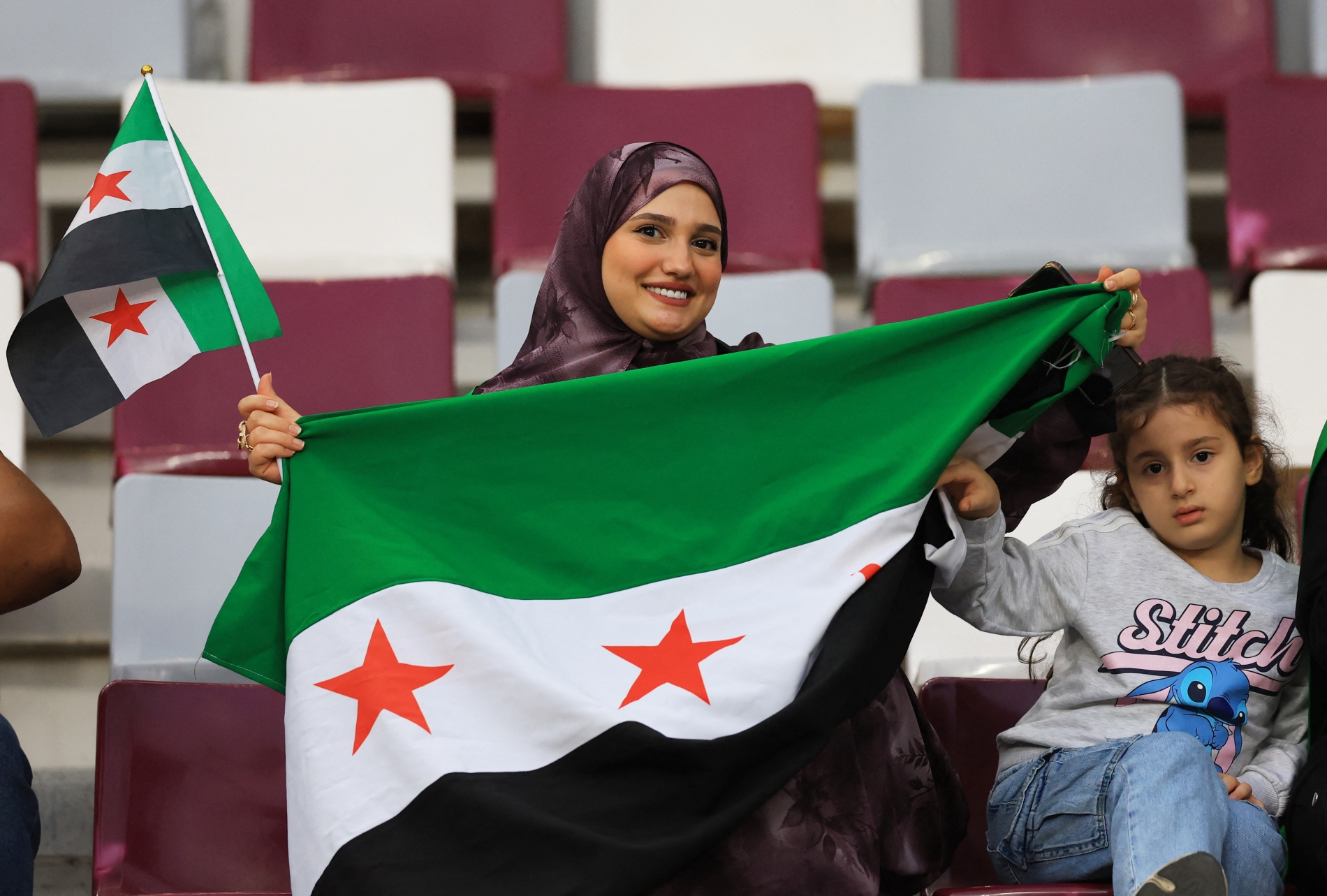
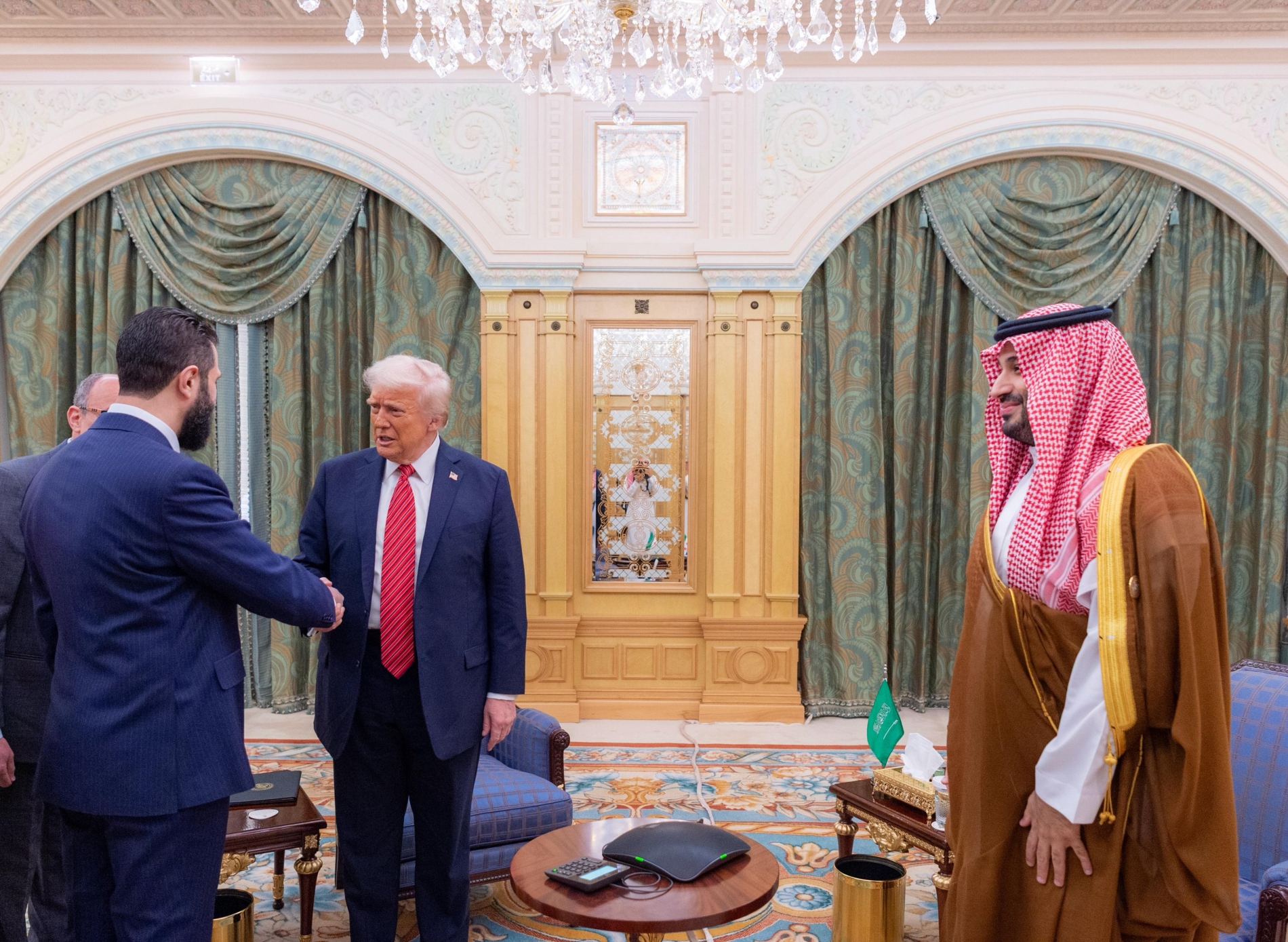
Al-Sharaa’s administration has not followed the same path. He has already reinstated the most capable diplomats of the Syrian foreign ministry and interior ministry, and kept Assad’s political appointees in-post as ambassadors (including those in Riyadh and at the United Nations), as he negotiated the early stages of the transition. When he did finally change envoys, the transition went according to plan. This matters because in the Middle East optics matter, especially after a devastating civil war.