
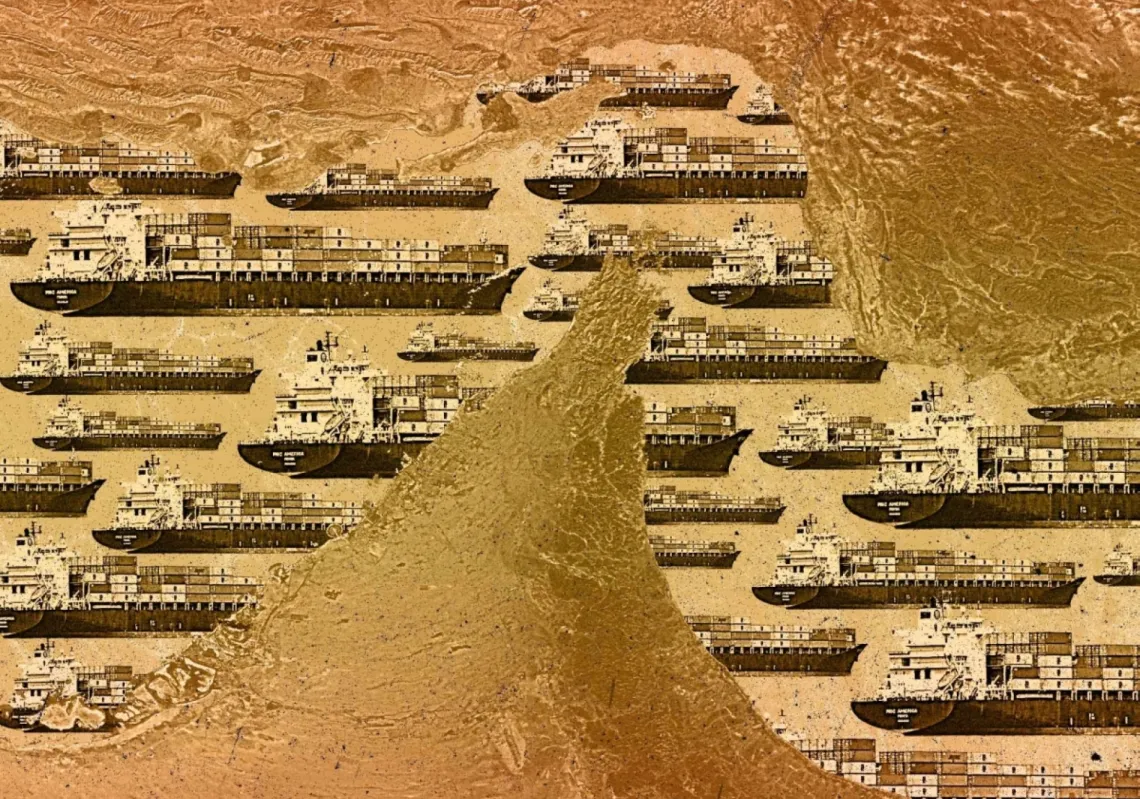

Any agreement that restores traffic through the strait will bring immediate relief, but repairing the damage wrought by war—and restoring confidence—will take far longer
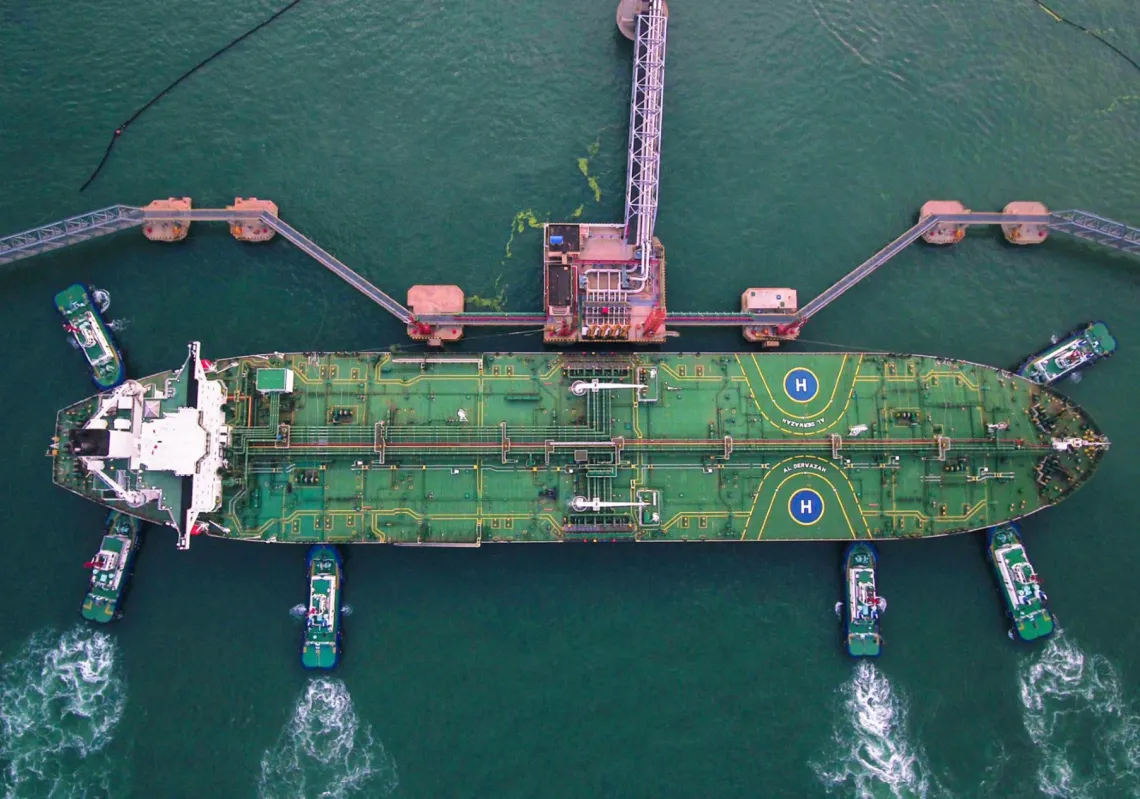
Baghdad is opening its energy sector to US investment while racing to diversify oil exports, strengthen its economy, and reduce its vulnerability to regional conflict
Algeria is one of Africa's largest producers of hydrocarbons, and its proximity to customers in Europe makes it of growing interest as importers fret over a prolonged supply crisis from countries
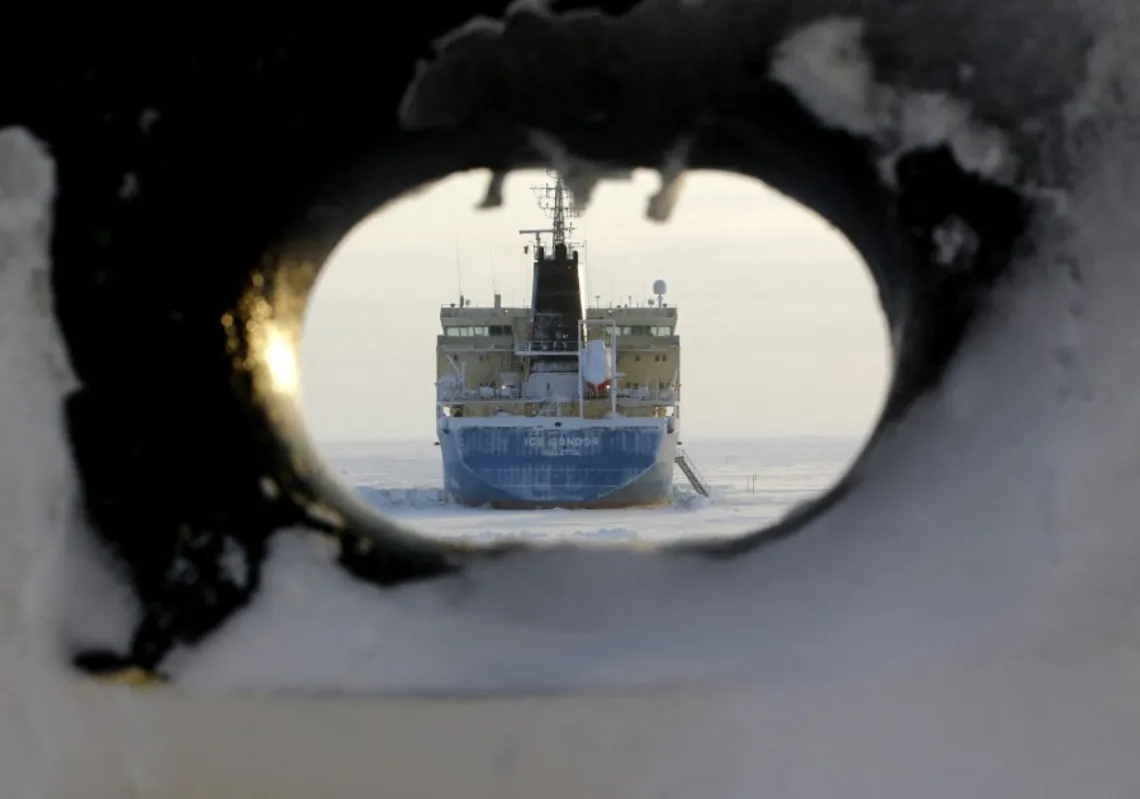
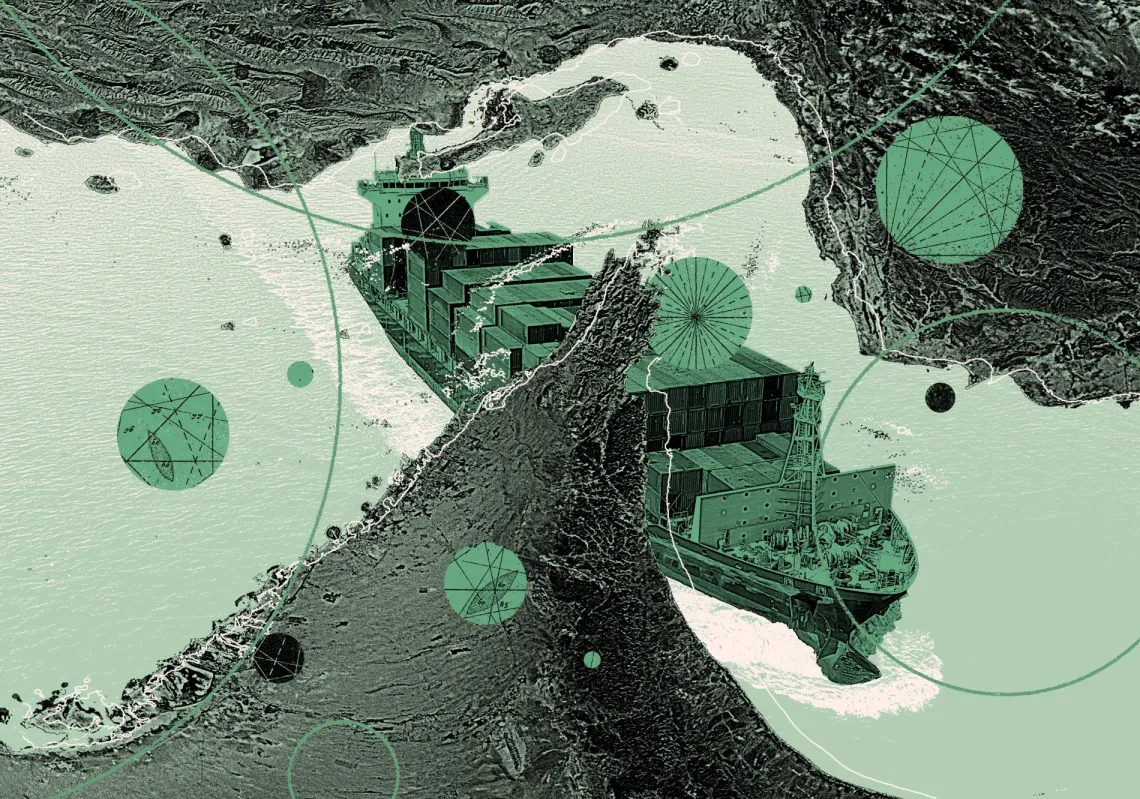
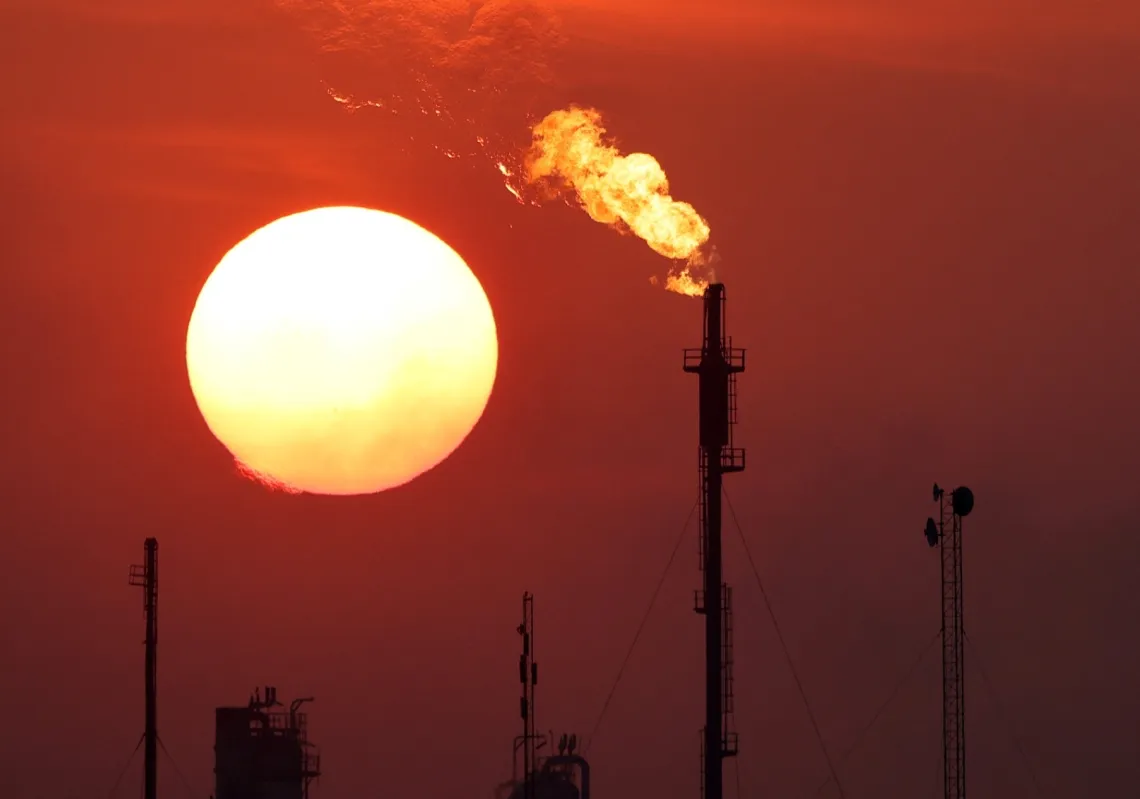
European gas prices have jumped by 30% after some big GCC oil and gas producers cut supplies, and now a vital maritime trade route is being threatened. The stakes have seldom been higher.
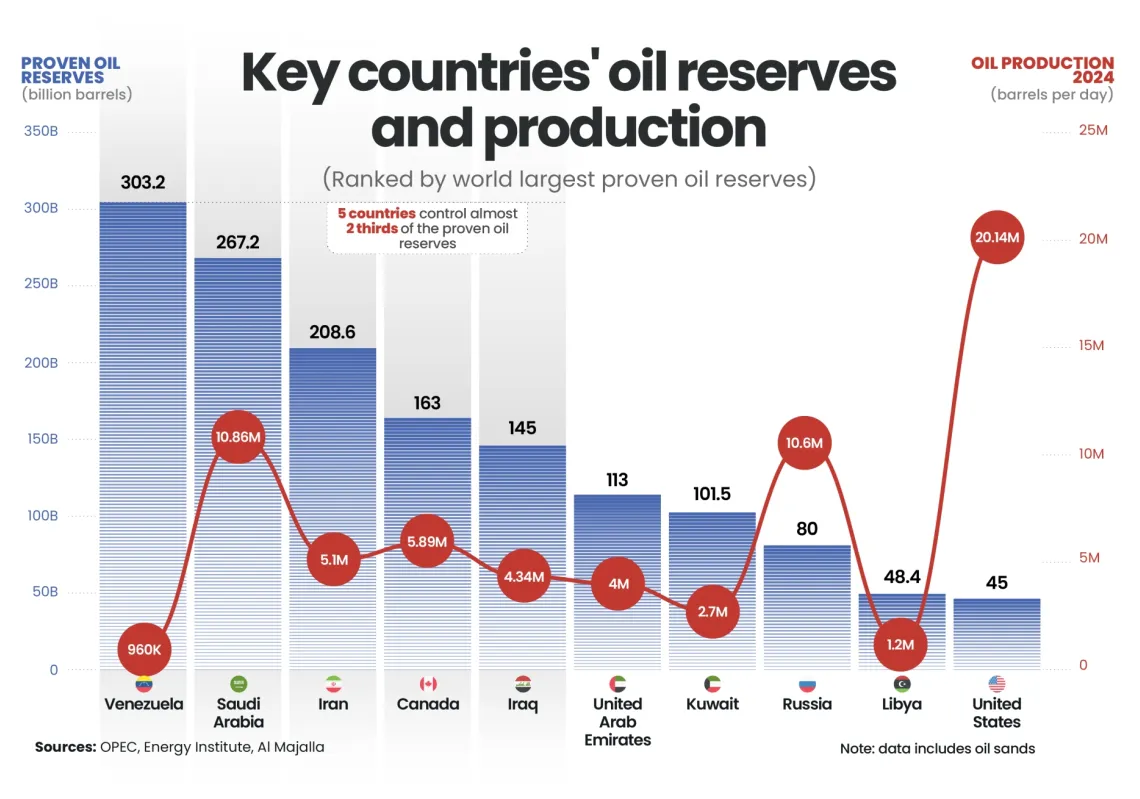
Global oil markets are shaped not only by production powerhouses but also by countries sitting on vast untapped reserves. The contrast between geological wealth and actual output highlights how…
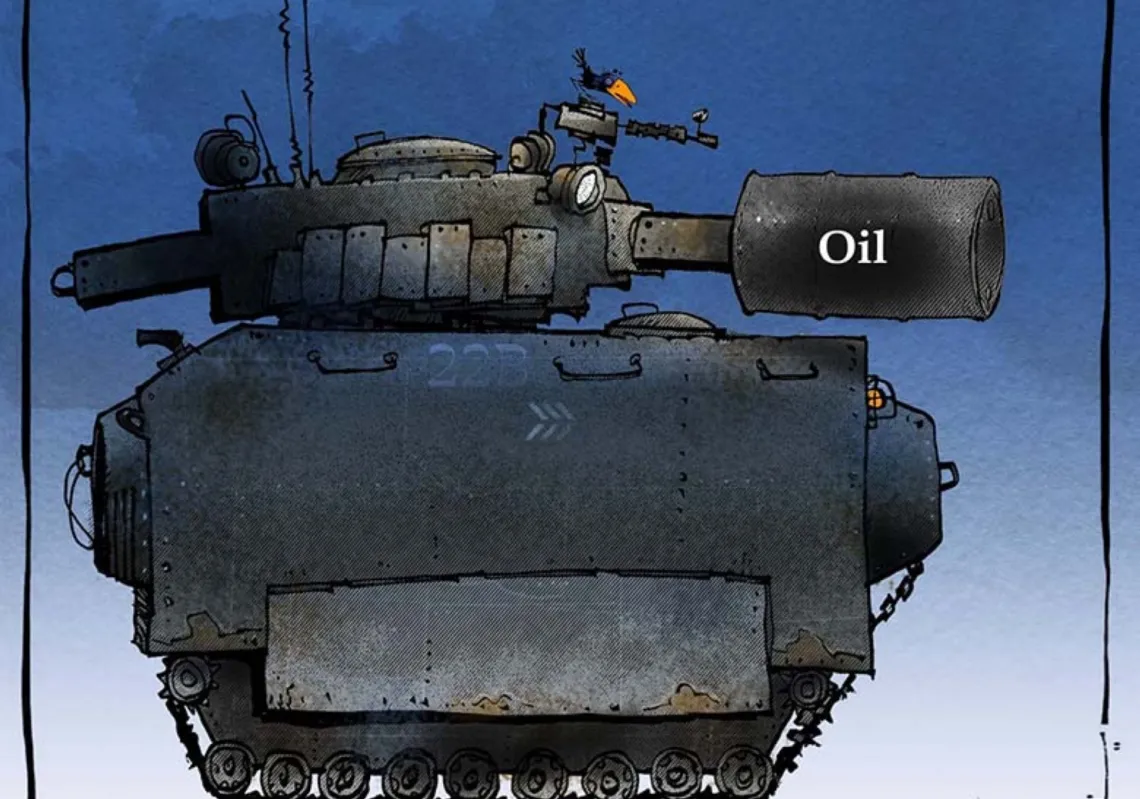
Oil markets in 2025 traded headlines for fundamentals, as OPEC+ supply management, a cautious pivot by the US Federal Reserve, and resilient global demand kept prices in a narrow range
In recent years, the International Energy Agency has sent contradictory signals that raise important questions about the agency's credibility and the integrity of its flagship World Energy Outlook
Estimates of reconstruction costs range up to $500bn, and most Syrians only get a few hours of electricity per day. The country's priorities are numerous and urgent, but amid the gloom, there is hope.
Shaibani held several calls with the Mossad chief days before the strike, explaining why the airport's runway was being rehabilitated and that it had no hostile intentions, but Israel bombed it anyway
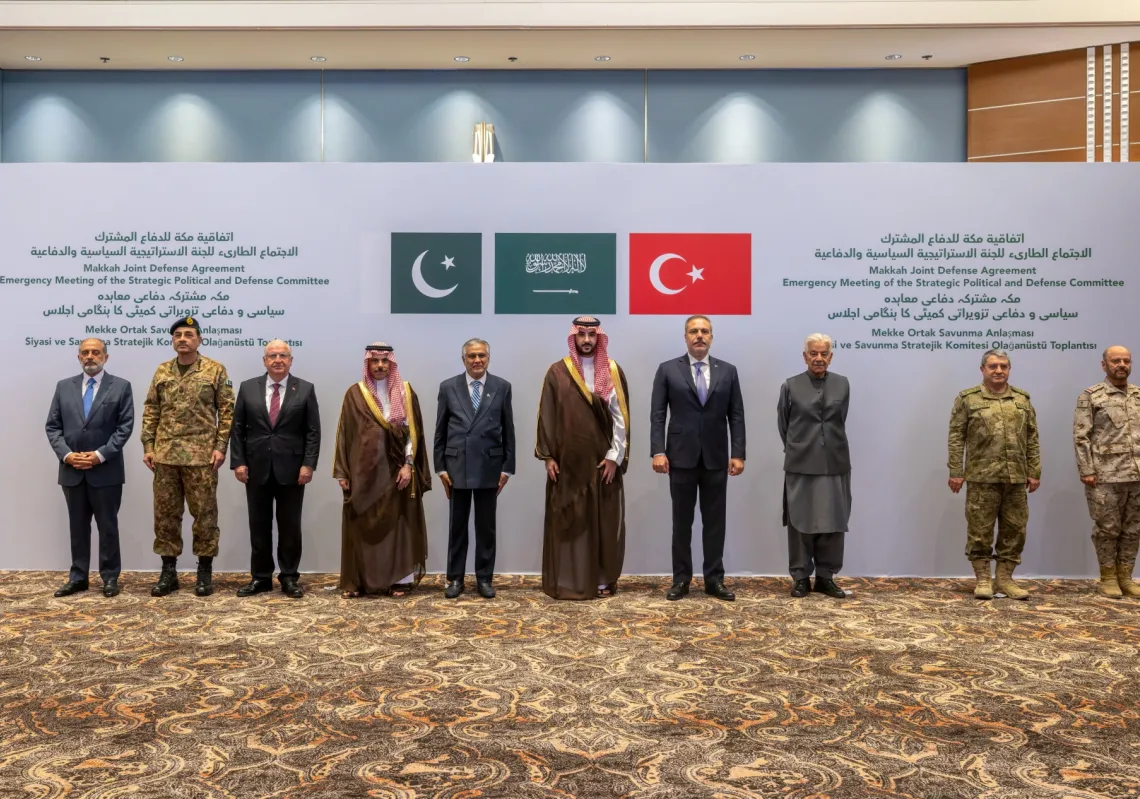
Ambassador Asim Iftikhar Ahmad speaks to Al Majalla about Islamabad's diplomatic role in the talks between the US and Iran, its balancing act between Tehran and Riyadh and the Mecca Pact
From Apple's chips to Nvidia's data centres, Israeli tech has embedded itself in the global tech ecosystem. This comes with grave national security implications.
Balancing the competing interests of regional and global stakeholders is no easy task. Can the president keep Syria from becoming an arena for regional conflict?