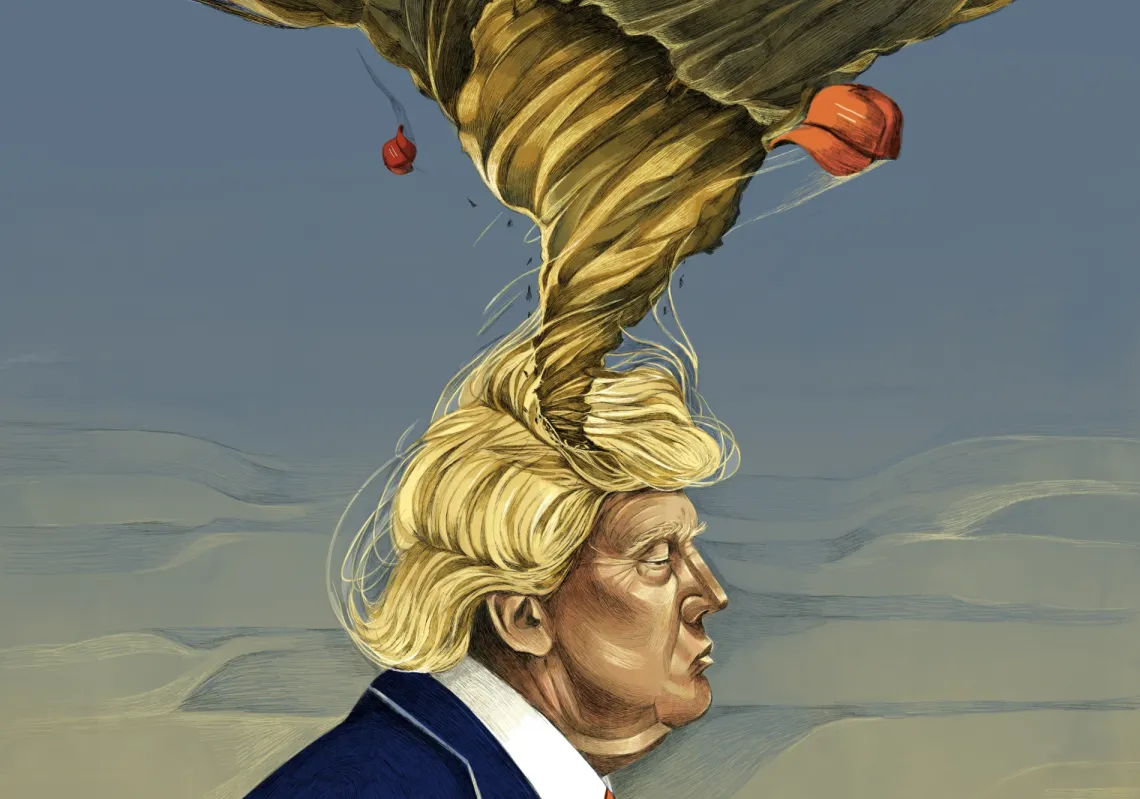
A former key figure in the global politics of our region tells Al Majalla what went on between Trump and Assad – and points to what might be next for him – when international experience countsrnrn
El-Mostafa Benlamlih, a UN humanitarian co-ordinator in Syria, asks what's next for the country and outlines what it faced either side of a disaster that also brought its people some hope for change
For over 30 years, Hassib has spent his days in his studio near Damascus, creating art without fuss, noise or pretence. He speaks to Al Majalla about using the light of colours to fight the darkness.
A big rise in spending in nominal terms says much more about the collapse of the pound than government spending power, as it continues to drop subsidies, including on fuel, deepening poverty rates
Since 7 October, Iran has been moving its affiliated forces around Syria, an area that could become a second active front in war with Israel. Al Majalla lists the groups and their key characteristics.
While corruption, neglect, and chaos have robbed many Arab cities of their identity, Berlin's urban redevelopment model, adapted to today's living conditions, offers valuable lessons.
In a study published by 'Routledge', Syrian researcher and university professor Basem Mahmud studies the sociology of emotions experienced by Syrian refugees, from hope to despair.
After the October War came shuttle diplomacy. Al Majalla reveals what went on in the room when two statesmen met and managed to draw up a historic peace agreement.
In an interview with Al Majalla, the prominent French jurist discusses Israeli and Western duplicity, their violation of international law, and why Israel bears the cost of Gaza's reconstruction
Tehran's elite have few friends, but regional states fear the consequences of a disorderly transition. If Iran's 92 million people turn on one another, it could cause millions to flee abroad.
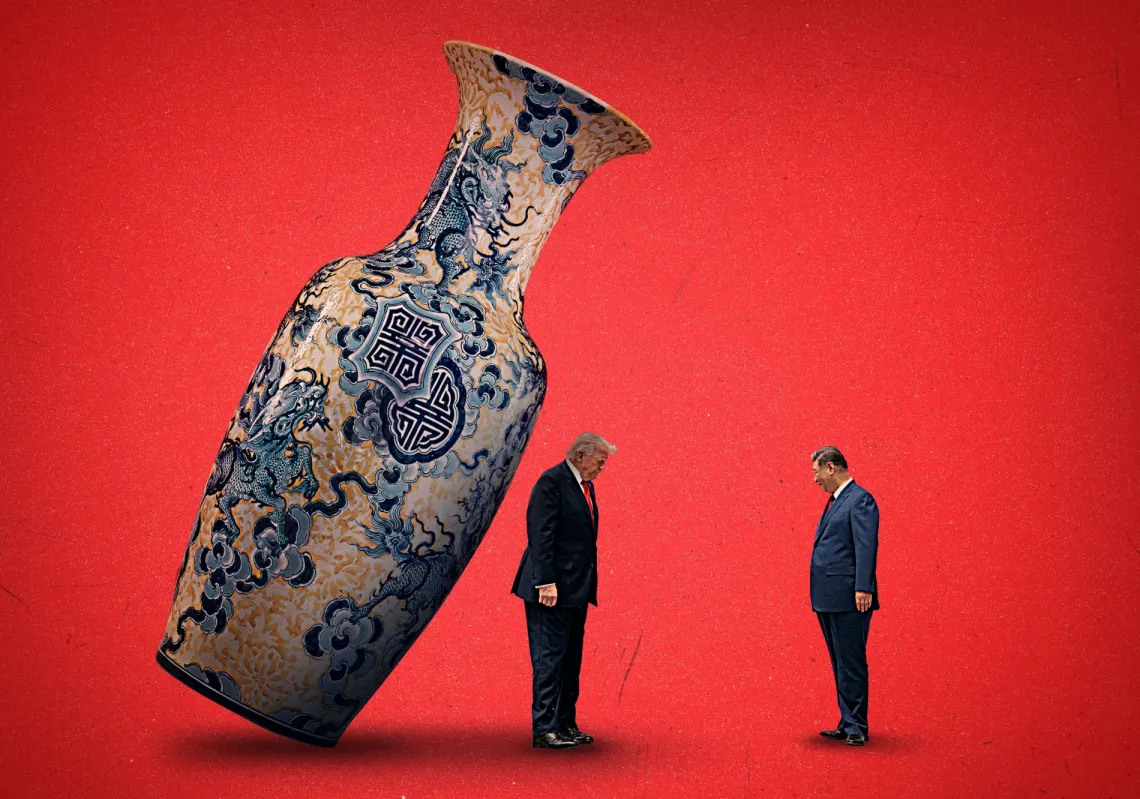
Going forward, the international community needs to reduce dependence on the US without upsetting the world's largest military and economic power. It will be a shaky tightrope to walk.
Scrapping foreign ownership caps and qualifying criteria will bring in more capital, with markets reacting positively to the latest reforms that build towards a more open country