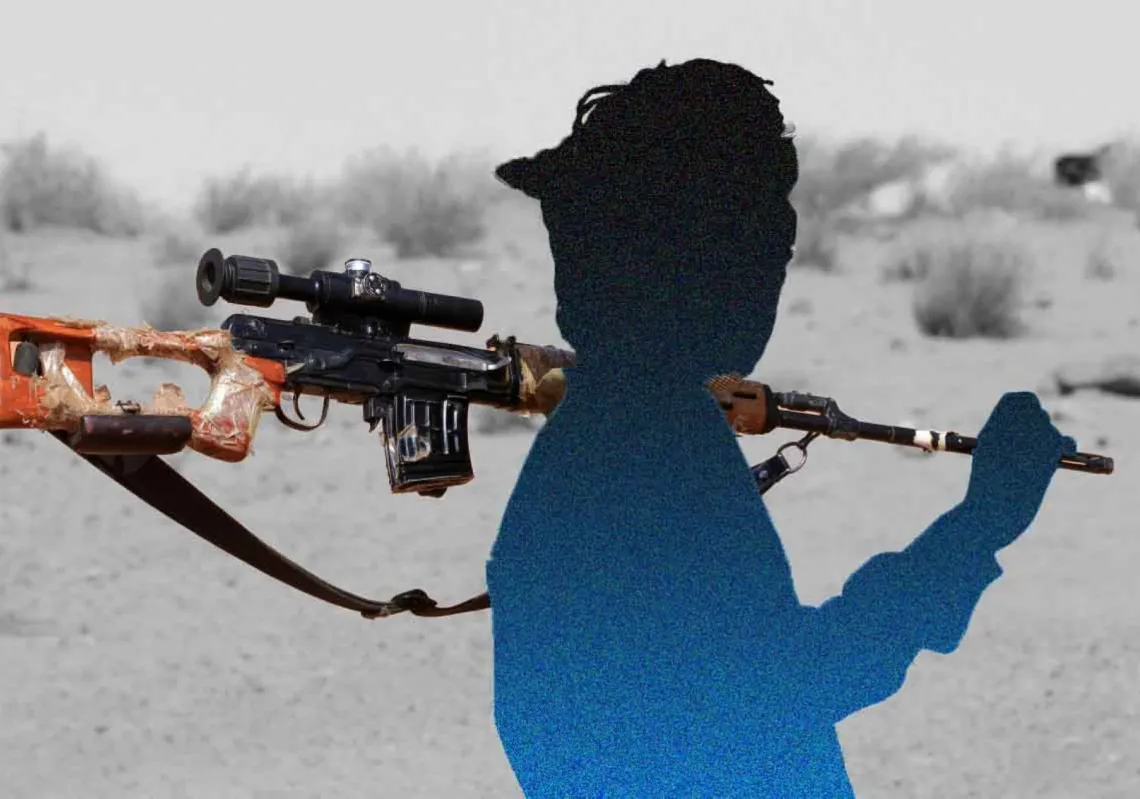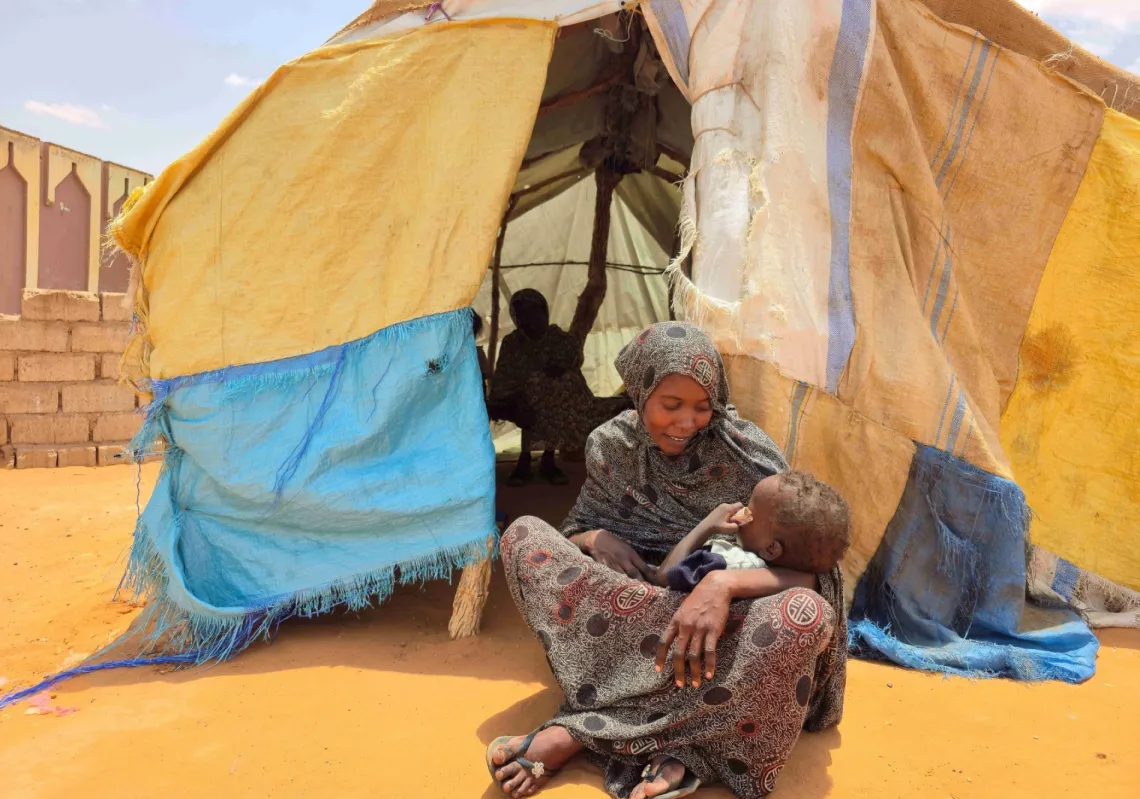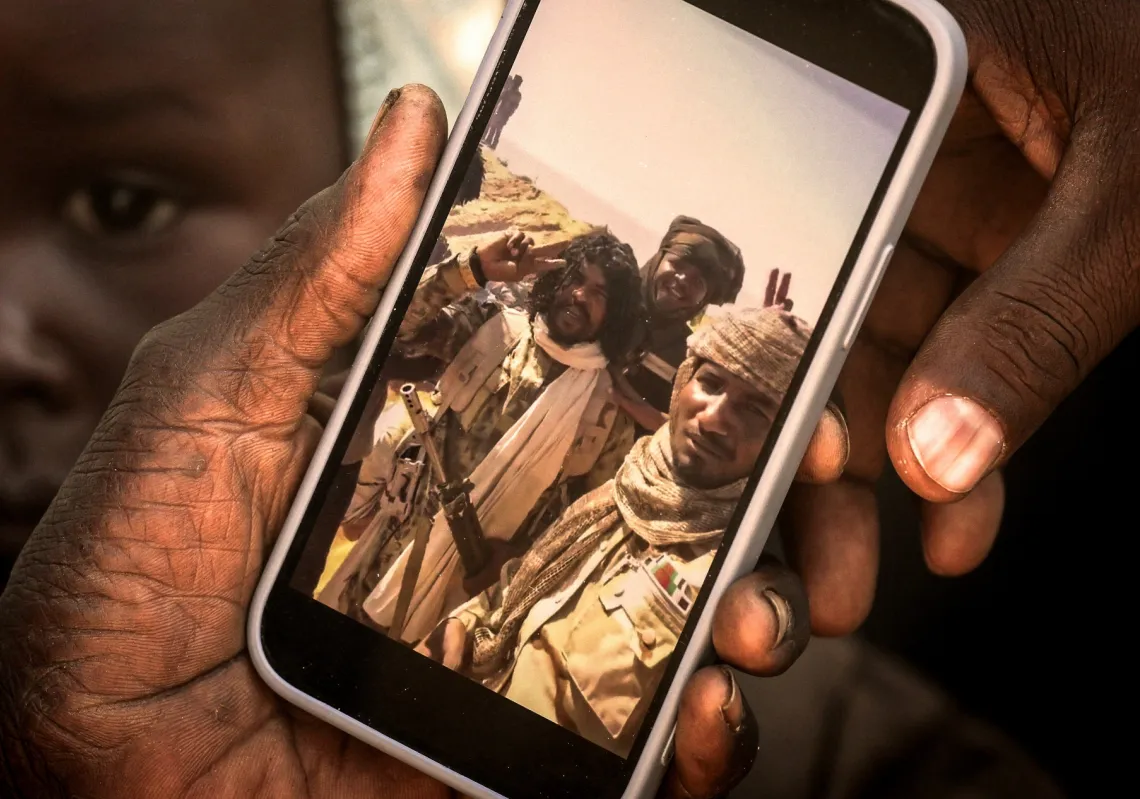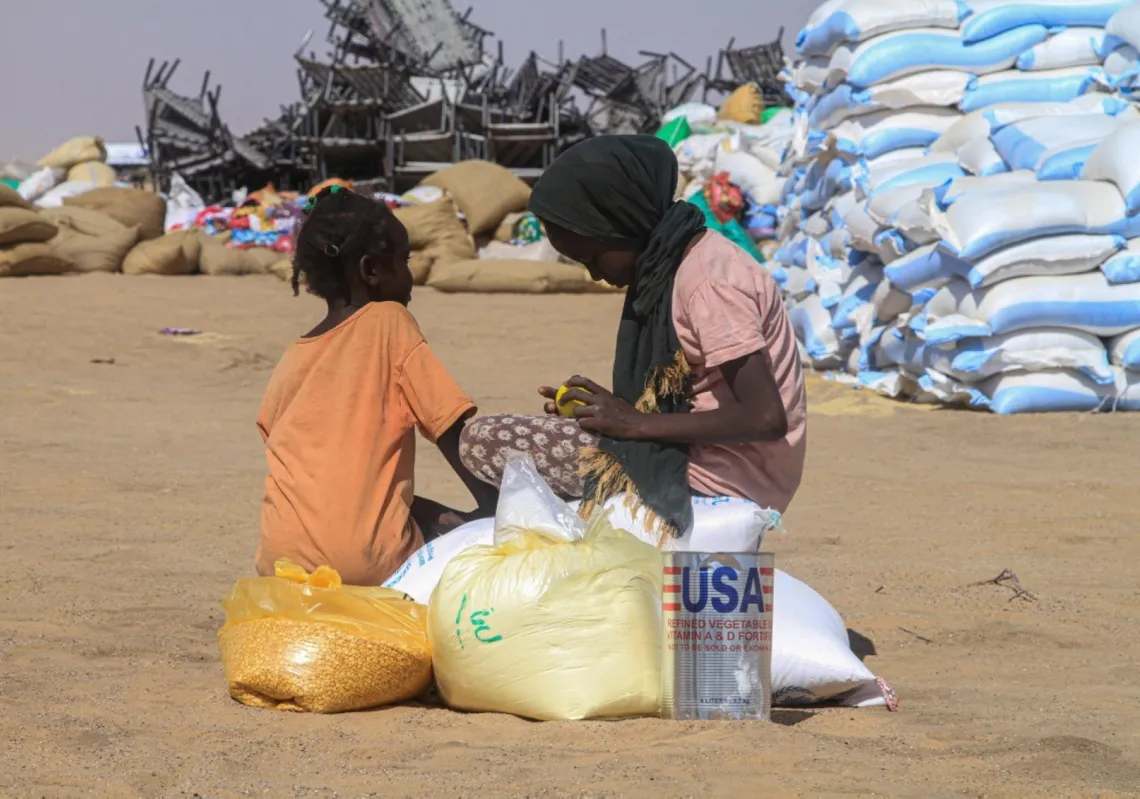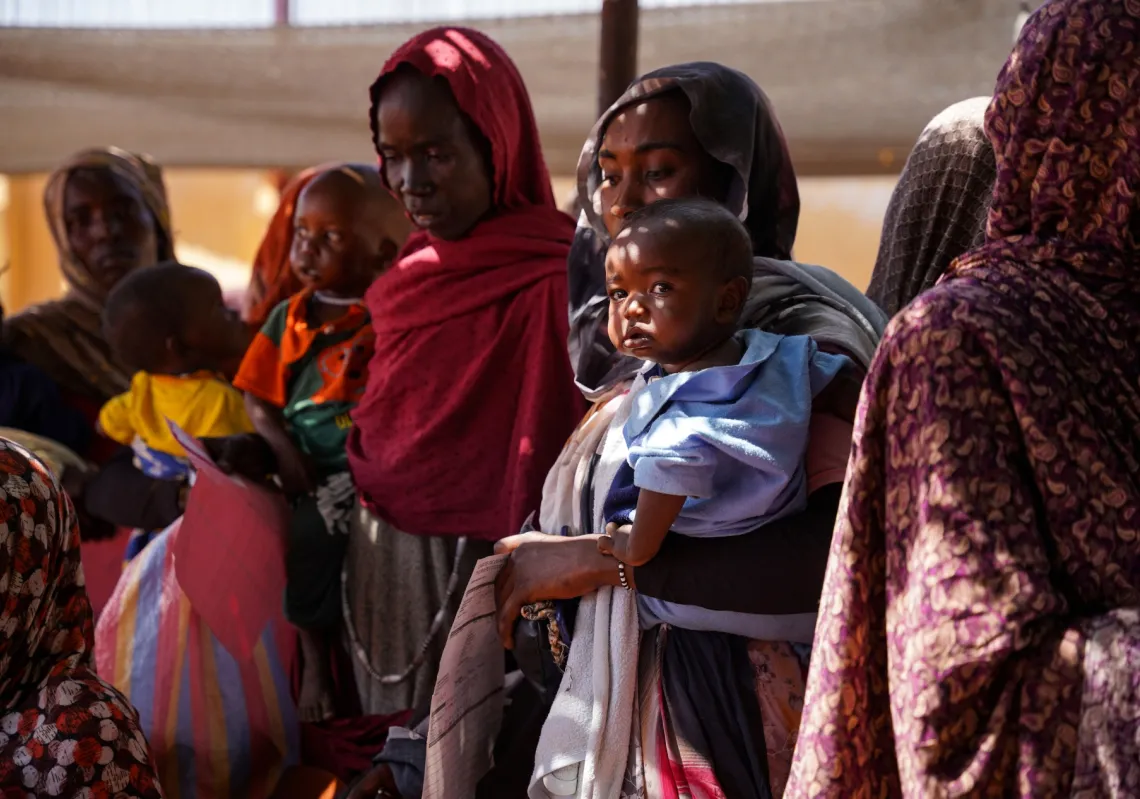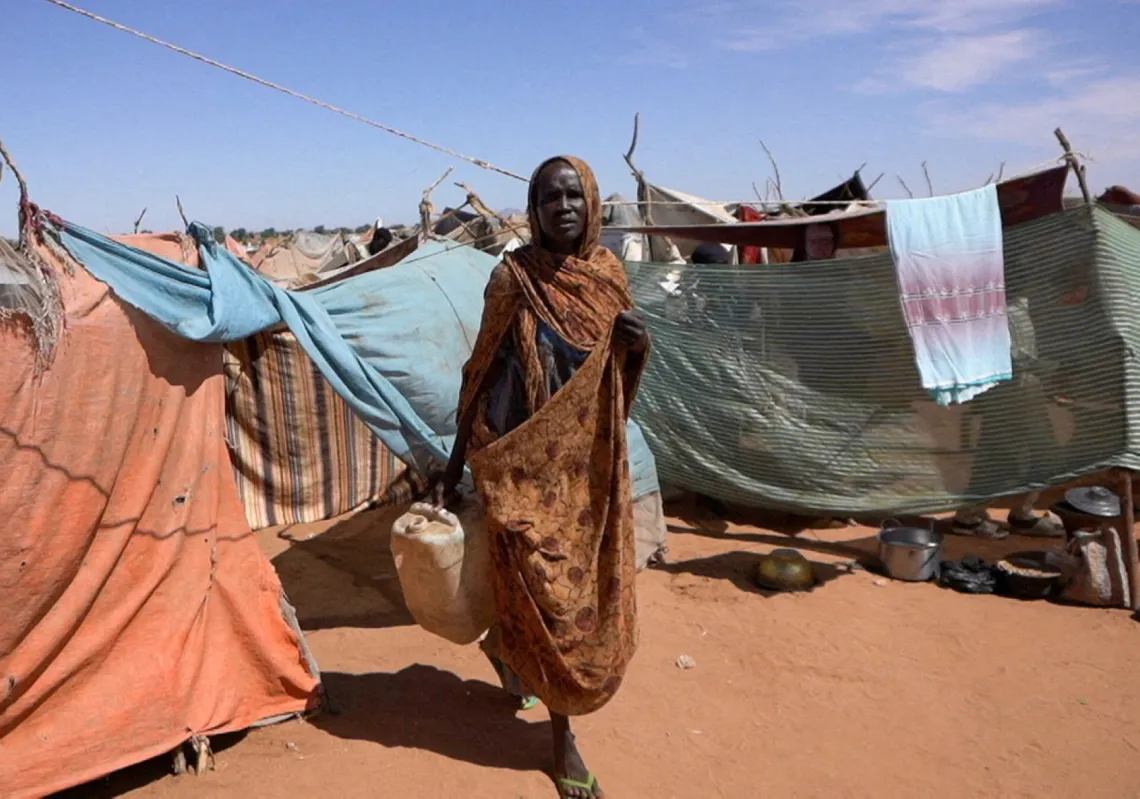
Washington seems to have changed its tone after the RSF committed atrocities in October, putting increasing pressure on the foreign backers of a paramilitary that now controls Darfur. What next?
When there were allegations of ethnic cleansing in Darfur in 2003, celebrities and others were up in arms. Today, with 60,000 reportedly killed in three weeks, protests are few. Why the change?
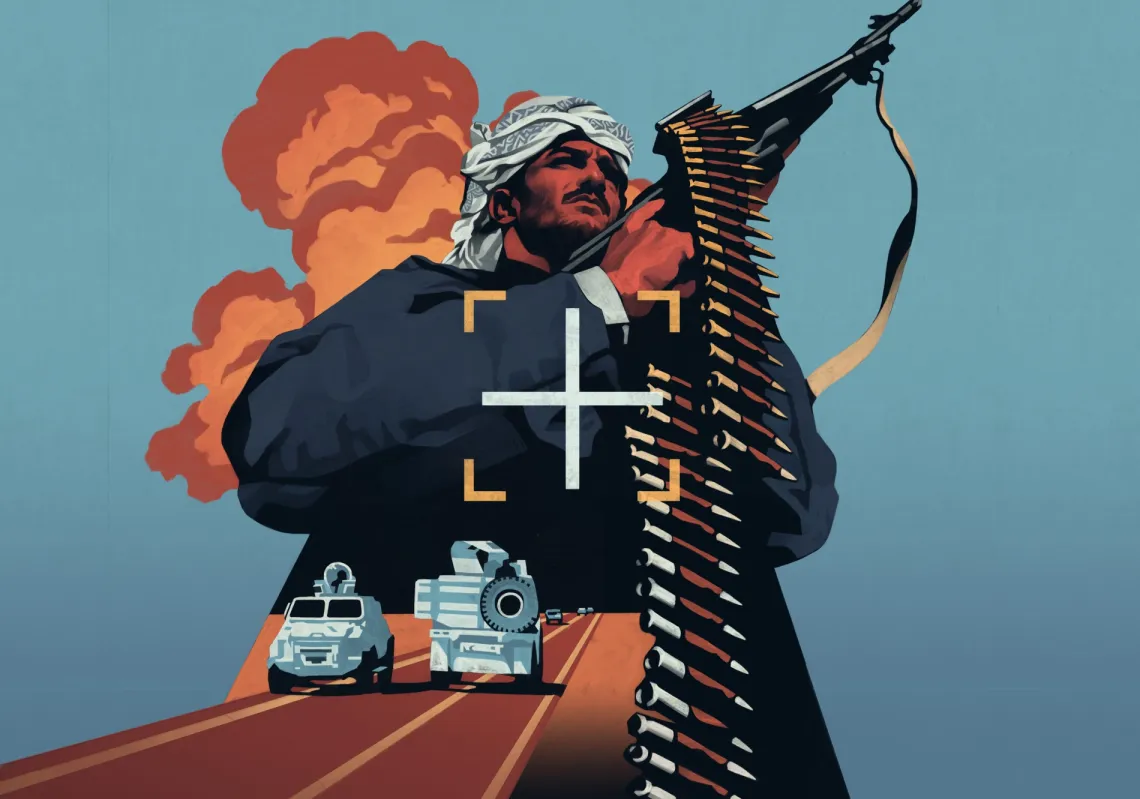
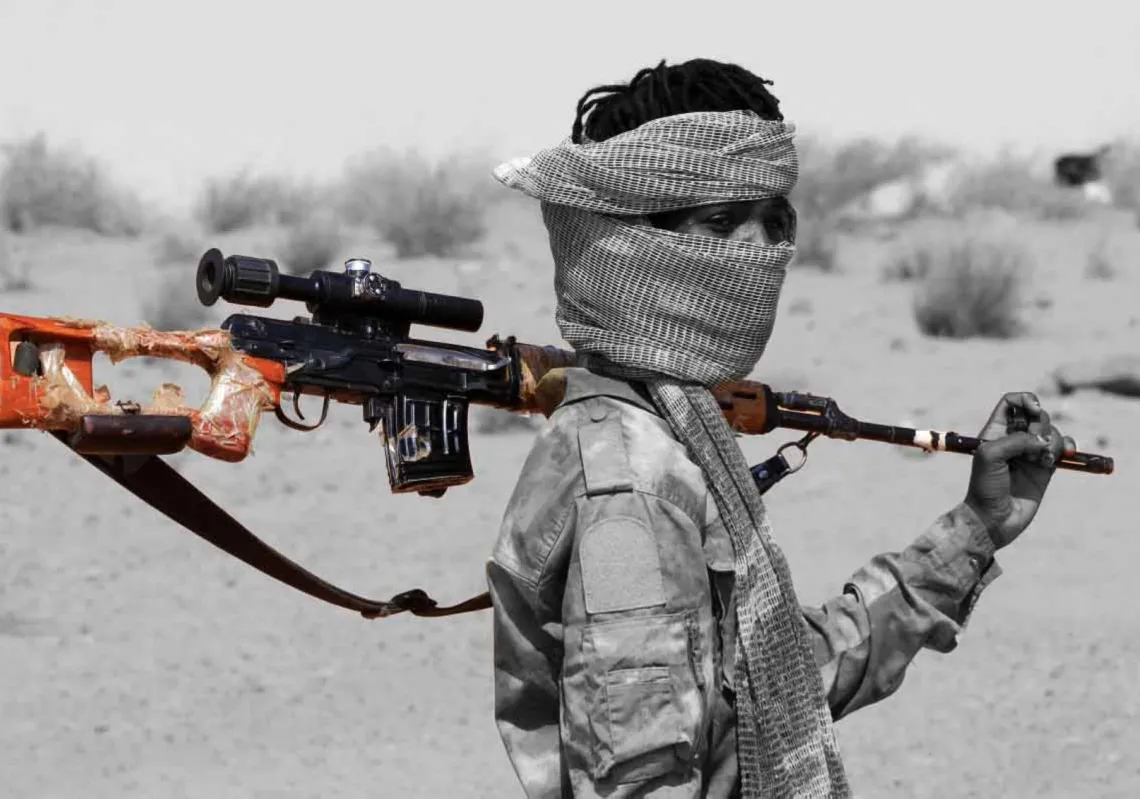
Created by then-Sudanese President Omar al-Bashir, the Rapid Support Forces have ripped the country in two. This is what happens when a state gives up its monopoly on the legitimate use of force.
The army and the RSF rely on the assets at their disposal to sustain governance and fund their war efforts, while trying to win over the international community by seizing larger swathes of Sudan
The country has all the ingredients that enflame tensions: acute social inequality, an unformed national identity and myriad ethnic groups, all of which were exacerbated by colonial rule
The head of the Rapid Support Forces blames Cairo for his militia's recent heavy losses south of Khartoum. Al Majalla offers several explanations for Hemedti's finger-wagging.
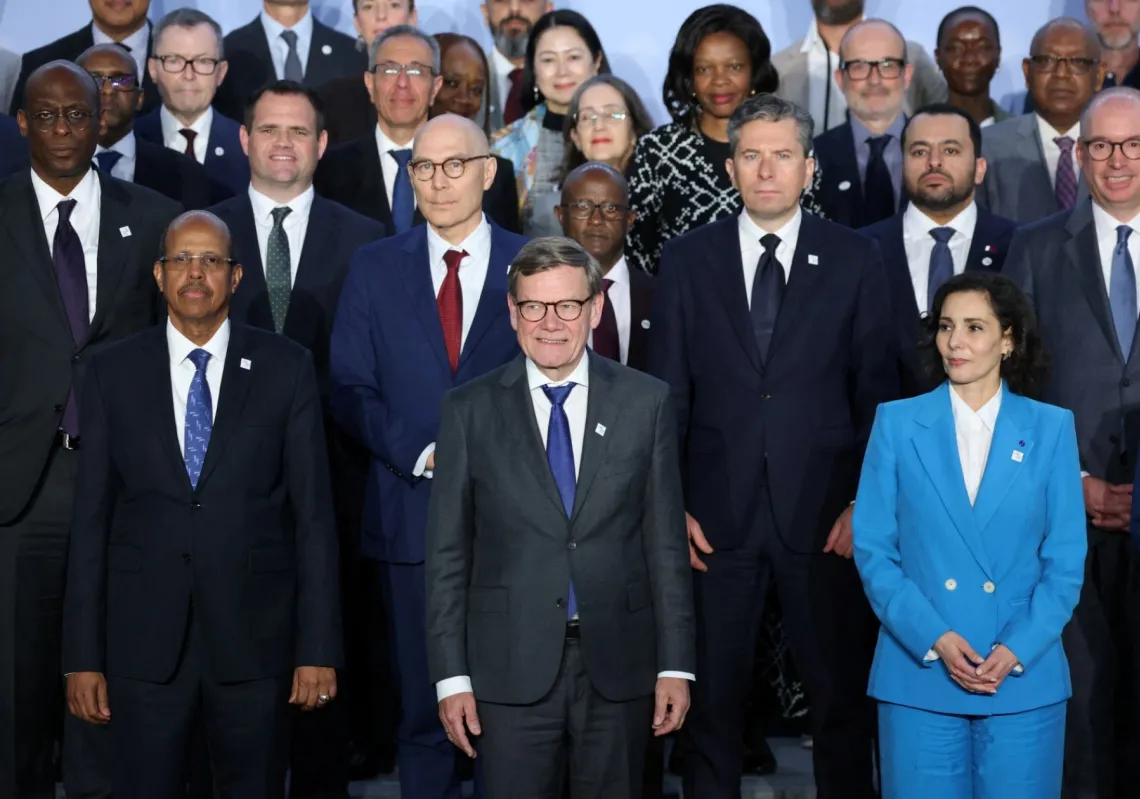
US-arranged talks in Geneva were attended by only one of the warring parties. The other sent no delegates because their list of concerns had not been addressed. Meanwhile, the war crimes continue
The world remains distracted by other conflicts and crisis, but with this large African country on the brink of famine and no end in sight to the fighting, there are warnings that Sudan could splinter
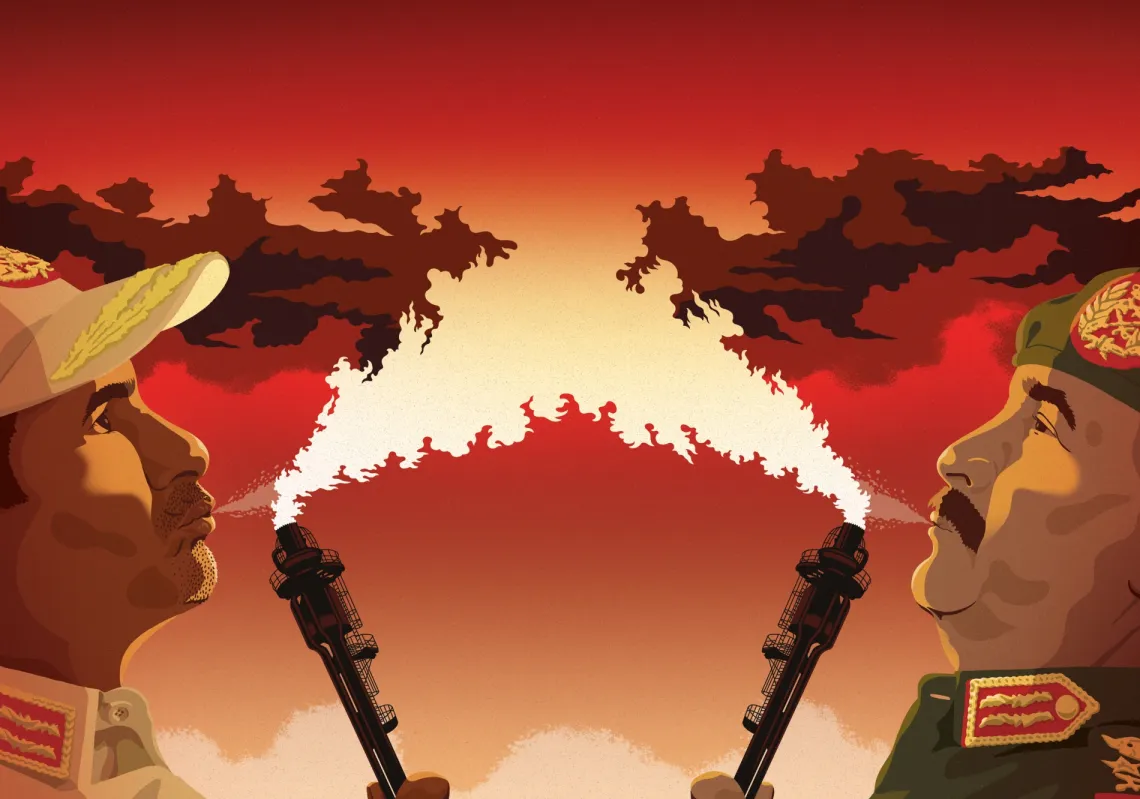
Amid fevered talk of a first face-to-face between Al-Burhan and Hemedti since they took the country to war, Sudanese hopes of a breakthrough towards a lasting calm have been rekindled.
He is the de facto ruler of Sudan since the ouster of Omar al-Bashir due to a popular uprising in 2019.
Al-Buran assumed the rule of the country in April 2019, when he became Chairman of the…
What was cutting-edge in 2000 now sits in museums. From wires, dial-up, and fax paper to the world in the palm of your hand, tech empires have risen and fallen in just a generation.
An axis comprising Israel, Ethiopia, and Somaliland appears to be emerging, which has the potential to polarise the Horn of Africa and rapidly accelerate its militarisation
Some stories tackled contemporary life—its realities, tragedies, and evolving conditions—while others turned to the past as an escape, critically distancing themselves from present crises