Western silence on Sudan speaks volumes

When there were allegations of ethnic cleansing in Darfur in 2003, celebrities and others were up in arms. Today, with 60,000 reportedly killed in three weeks, protests are few. Why the change?

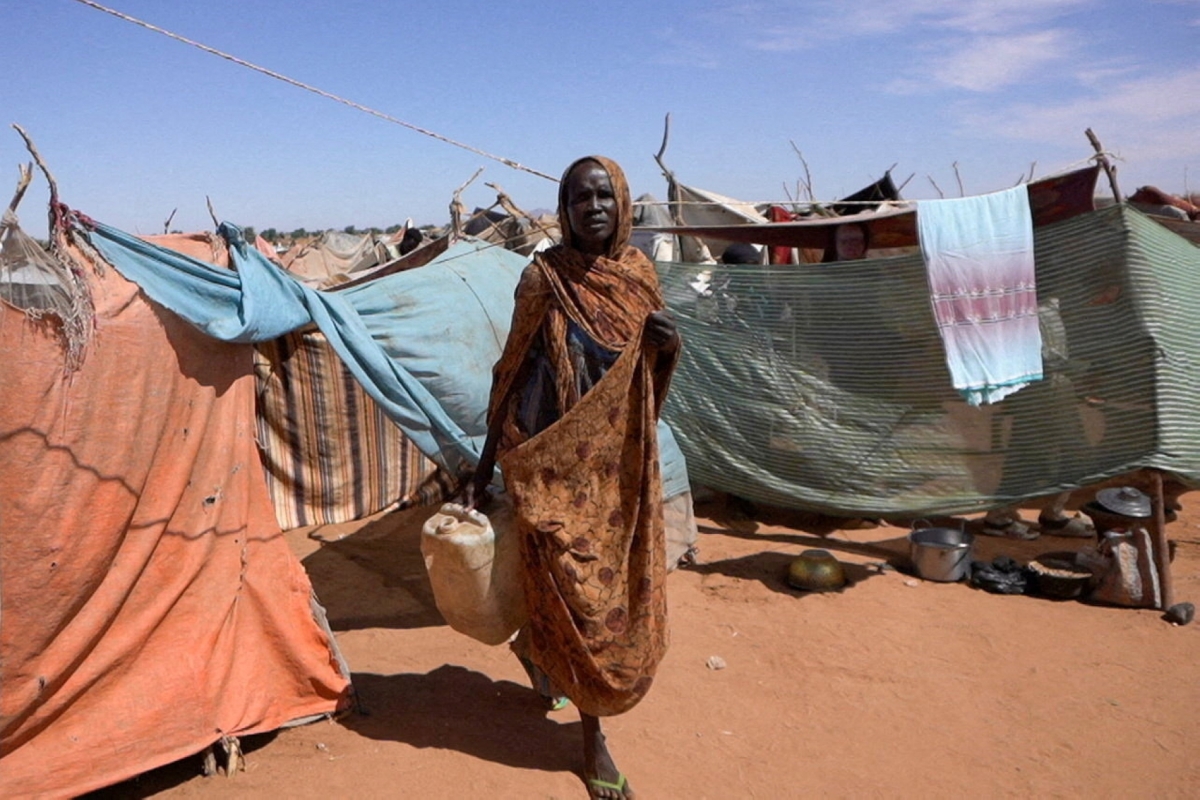
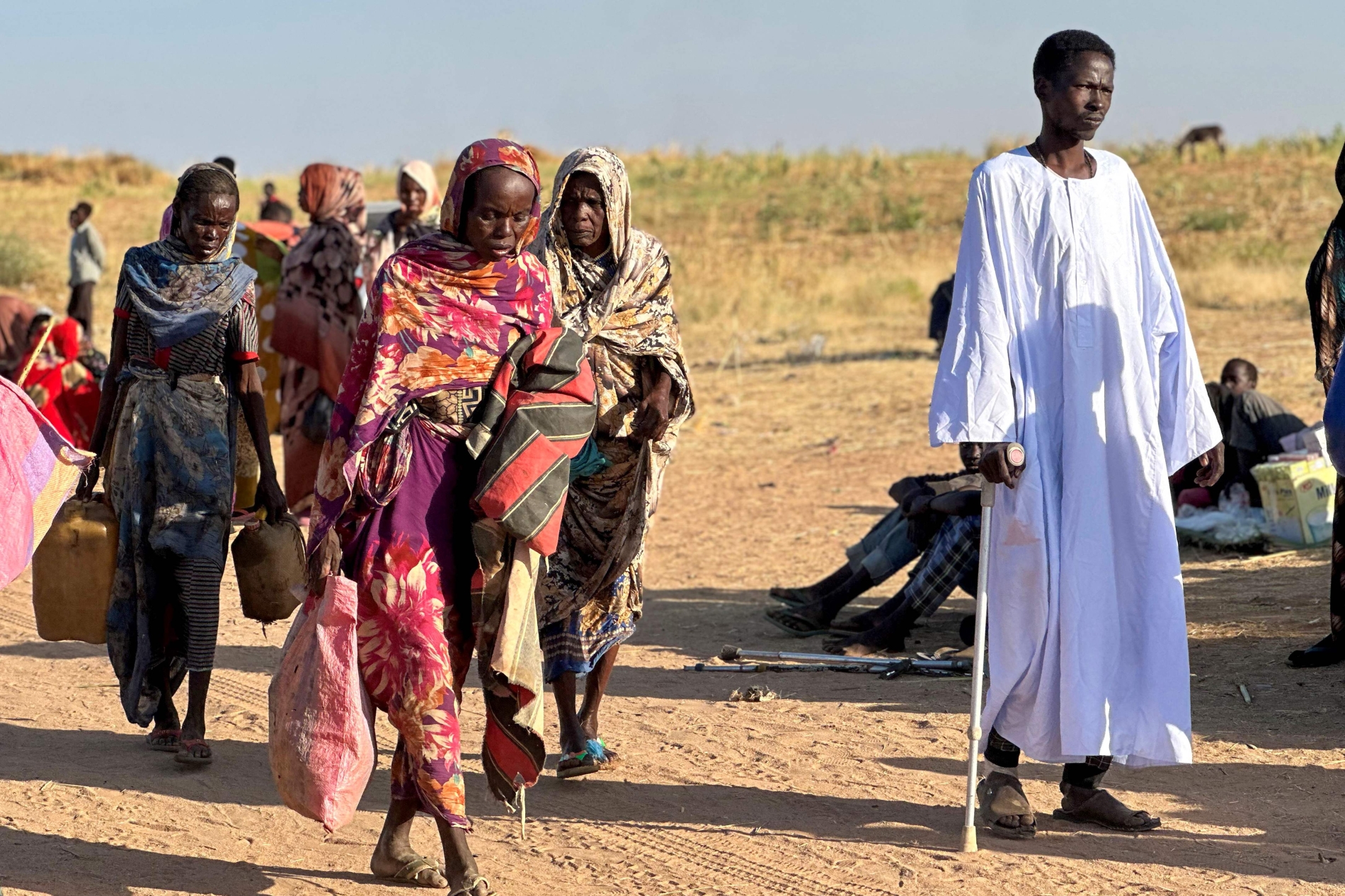
A displaced Sudanese woman who was held by the Rapid Support Forces (RSF) carries a water container at a camp for displaced people who fled from El-Fasher to Tawila, North Darfur, Sudan, on 15 November 2025.
Mohamed Jamal/Reuters
A displaced Sudanese woman who was held by the Rapid Support Forces (RSF) carries a water container at a camp for displaced people who fled from El-Fasher to Tawila, North Darfur, Sudan, on 15 November 2025.

Western silence on Sudan speaks volumes

The fall of the Sudanese city of El-Fasher in November led to horrendous reports of mass killing. In recent days, British parliamentarians were told that at least 60,000 people are thought to have been murdered in the first three weeks after the city fell to the Rapid Support Forces (RSF) militia, which is fighting the Sudanese Armed Forces in an ongoing civil war. Nathaniel Raymond, director of the Yale Humanitarian Research Lab, told The Guardian that El-Fasher is “beginning to look a lot like a slaughterhouse”.

While the scale of killing is perhaps unique, tales of atrocities have been common in Sudan since April 2023, when the fighting broke out. El-Fasher is sadly even more familiar with such violence; its Darfur hinterland was subject to an alleged campaign of ethnic cleansing in the 2000s. A key difference between now and then was the global outcry in the West.

A popular campaign led by celebrities lobbied widely against the alleged genocide, keeping the eyes of the world on western Sudan. Today, in contrast, the Sudan conflict gets very little coverage, with less A-list interest. Eyes are distracted elsewhere, most notably by the conflicts in Gaza and Ukraine. Moreover, it seems there is less faith than there was 20 years ago that western governments can prevent such horrors.

Celebrities for Darfur

The western Sudanese region of Darfur erupted in war in 2003 when rebel groups primarily drawn from the region’s non-Arab population launched an insurgency to push back against discrimination and violent attacks from Sudan’s government, which was then led by President Omar al-Bashir. He sent his military and the Janjaweed militia (precursor to the RSF) after the rebels, prompting a bloody war. The UN estimates that 300,000 people died from violence, disease, or starvation.
AFP
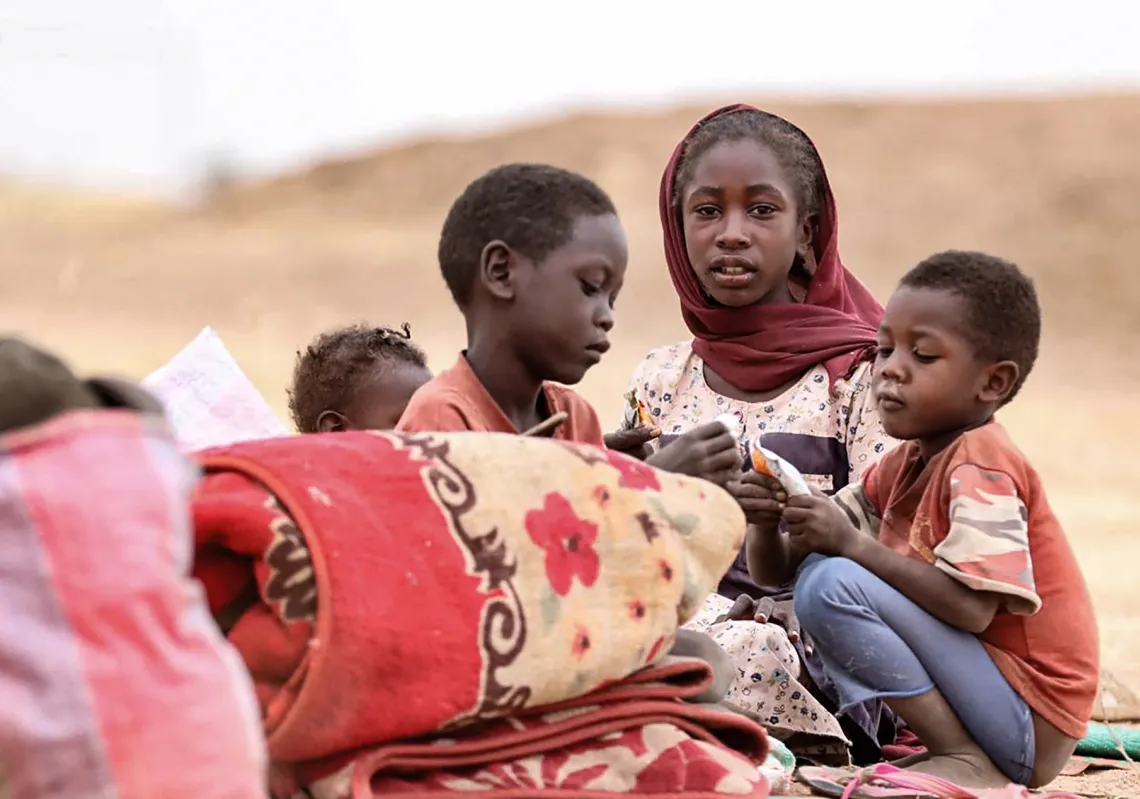
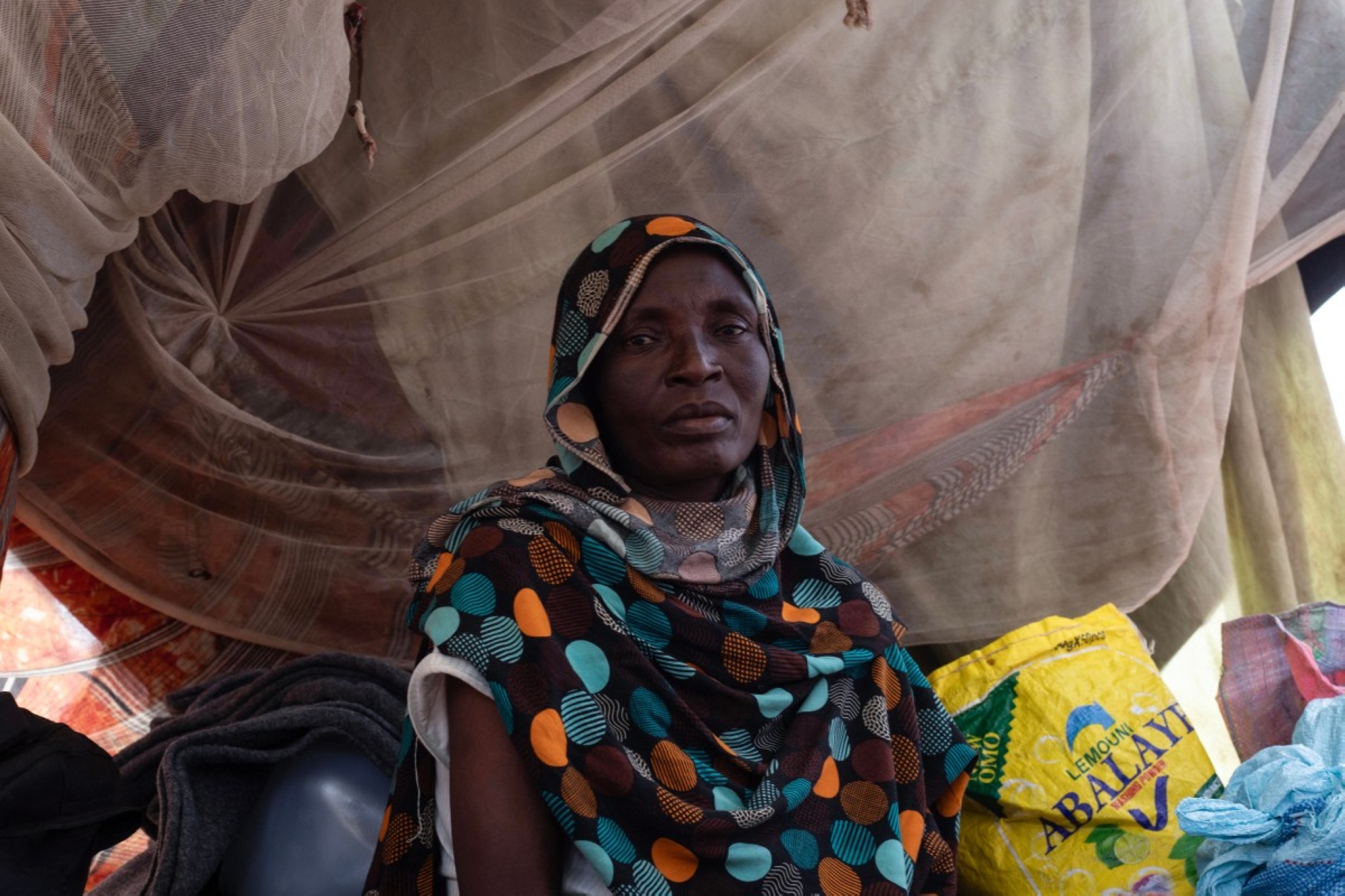
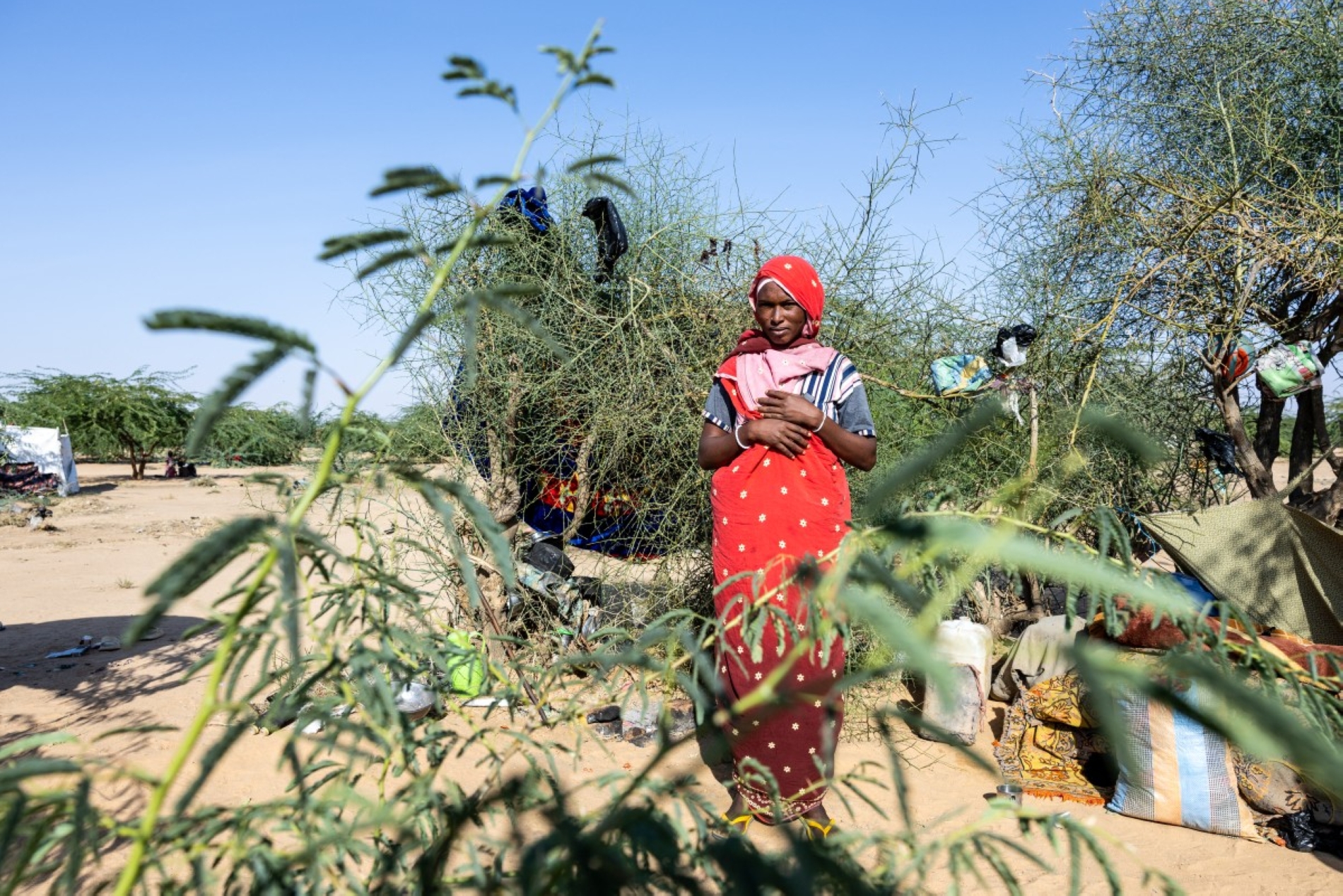
A displaced Sudanese woman who fled El-Fasher after the city fell to the RSF sits in her makeshift shelter on the edge of Tawila, in war-torn Sudan's western Darfur region on 3 November 2025.

At the time, the Janjaweed militia was accused of perpetrating ethnic cleansing and genocide against Darfur’s non-Arab population. As news of the killings filtered out, Western advocacy groups formed and sought to act. The Save Darfur Coalition, comprising more than 190 different religious and humanitarian groups, was formed in Washington, DC in 2004 to lobby against the violence. The war quickly became a cause célèbre among liberal celebrities. Actress Angelina Jolie visited Darfur in 2004 as a UN goodwill ambassador, describing the conditions as “unbelievably horrible”.

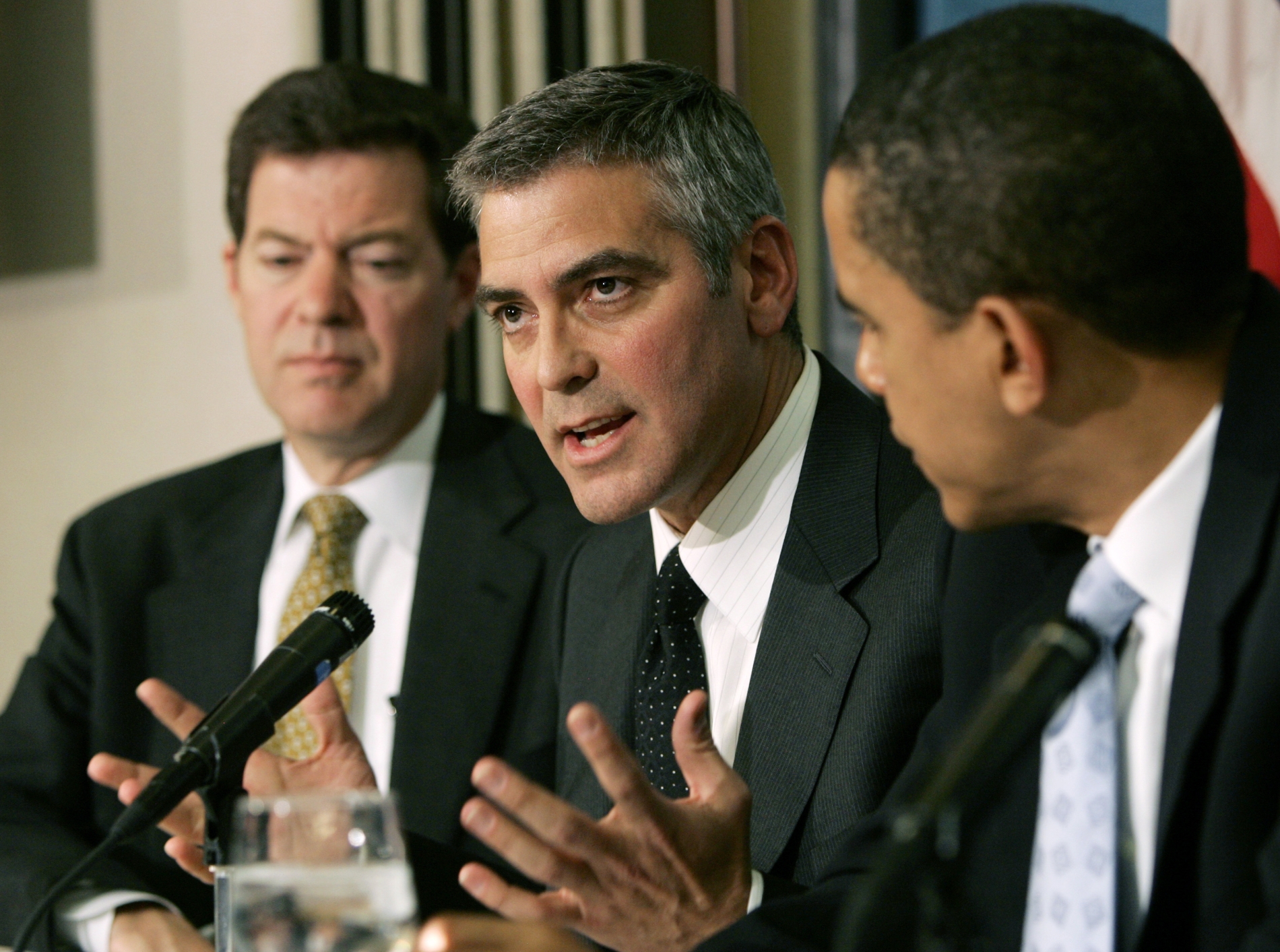
More celebrities followed in her footsteps. Rob Crilly, author of Saving Darfur: Everyone’s Favourite African War, later told the BBC that the war became “something that was sexy and [famous] people were interested in”. Among the most prominent was Hollywood actor George Clooney, who travelled to the region several times and lobbied US and European governments, giving an impassioned speech at the UN Security Council, urging it to hold al-Bashir to account. In 2008, he admitted failure. People in Darfur “are not better off now than they were years ago,” he said.
In 2003, the Janjaweed was accused of perpetrating ethnic cleansing and genocide against Darfur's non-Arab population. As news filtered out, western advocacy groups sought to act

The celebrity campaign did succeed in the sense of shining a spotlight on Darfur and contributing to Bashir's eventual indictment by the International Criminal Court (though he was never arrested). It also contributed to the UN Security Council deploying a joint 26,000-strong UN-Africa Union peacekeeping force to El-Fasher in 2007. While it could not completely stop the violence, it is believed to have helped diminish some of the violence and persuade al-Bashir to seek terms in 2010.

Muted response in 2025

While the violence subsided, it never fully abated until al-Bashir's regime fell in 2019 and the new government signed an agreement with the Darfur rebels a year later. Yet the army and the RSF (which had helped topple al-Bashir) fell out, prompting a renewal of violence in the form of the ongoing civil war. The RSF quickly seized control of much of Darfur and sought to dislodge the army from its remaining positions. El-Fasher, an army stronghold, was under siege for two years before the RSF finally entered in November.

Joris Bolomey/AFP
A Sudanese refugee stands in front of her shelter at the Oure Cassoni camp in Chad on 12 November 2025.

Like the Janjaweed 20 years ago, the RSF were accused of ethnic massacres in the city. Many of the murdered civilians were non-Arabs. Yet unlike two decades ago, there was no celebrity outcry. Clooney wrote an article in 2023 lamenting how the international community had failed Sudan. In 2024 some British celebrities including actor Bill Nighy and singer Paloma Faith wrote to then Foreign Secretary David Cameron calling for action. But there were no campaigns, no choral backing. Given all the media noise, the massacres in El-Fasher, which saw the very same Darfuri groups targeted once more, were greeted with relative silence.

What has changed? Darfur has clearly fallen down the priority list. Celebrities still campaign for prominent causes, but they are more likely to be drawn to war in Gaza and Palestine. In December, British actors like Benedict Cumberbatch and Ian McKellen called for Israel to release the jailed Palestinian leader Marwan Barghouti, while actors Kate Winslet and Liam Hemsworth auctioned their shoes to raise money for children in Gaza. In Europe, war in Ukraine prompted actors Sean Penn, Mila Kunis, and Angelina Jolie (again) to speak up.

Normalising brutality

Something bigger appears to be happening, which is less connected to celebrity fashions. Tragically, the kind of mass killing in El-Fasher has become normalised. In 2003, Western audiences were less used to it. In the 1990s, the ethnic violence of Bosnia, Rwanda, and Kosovo were seen as anomalies, so many were rightly shocked by the Darfur genocide. Since then, hundreds of thousands have been killed in Iraq, Afghanistan, Syria, Ukraine, Libya, Yemen, Gaza, and elsewhere. Mass killings are still tragic but no longer abnormal.

AFP
Displaced Sudanese who fled El-Fasher after the city fell to the RSF arrive in the town of Tawila war-torn Sudan's western Darfur region on 28 October 2025.

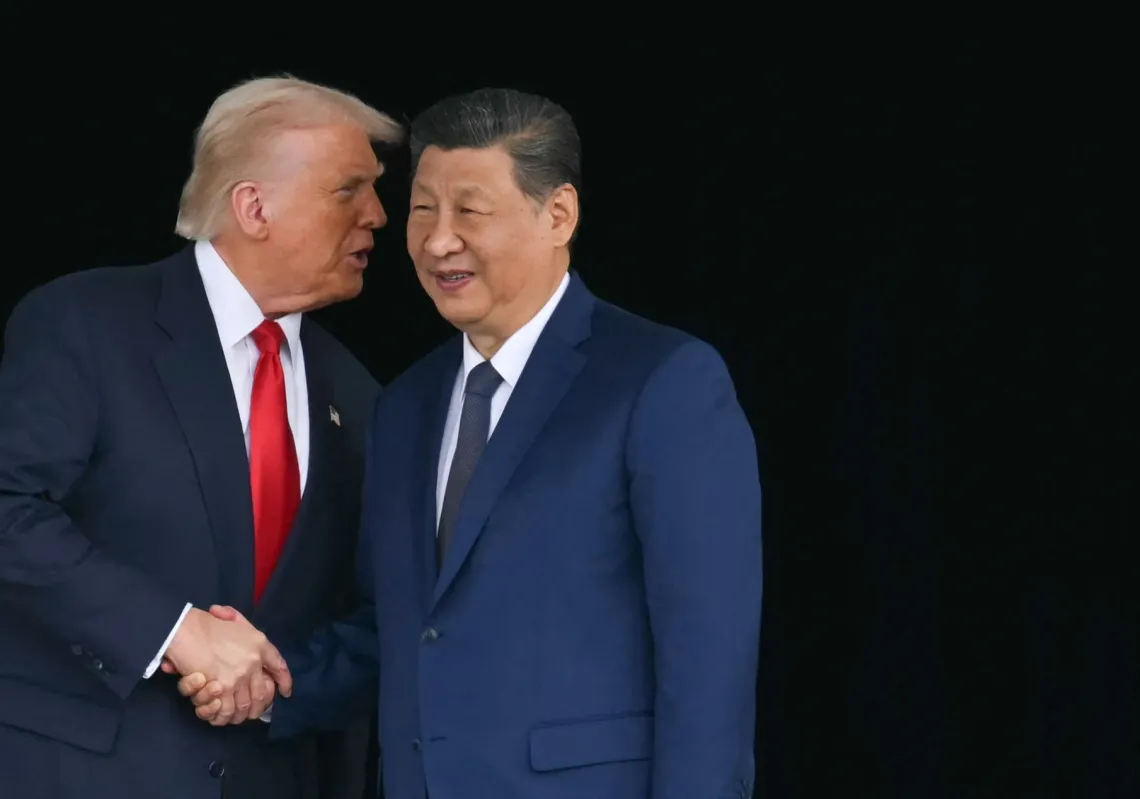
The expectations of Western governments have also changed. In 2003, Western power was peaking in a unipolar world. After US President George W. Bush invaded Afghanistan and Iraq, many felt that the West could use its power to help Darfur. Today, there is much less faith. Not only has the world become multipolar, but many Western governments have seemingly abandoned humanitarian goals for self-interest. With Europe focused on Ukraine and immigration, and President Trump focused on trade deals, neither seems interested in investing too much in Sudan.

It may be unfair to blame celebrities for their comparative silence over Sudan in 2025. After all, Hollywood actors are paid to make movies, not campaign. It is the responsibility of their elected leaders and the international community to address conflicts like Sudan, not the stars of the screen. Still, the comparative quiet on El-Fasher compared to Darfur in the 2000s does say something about how the world has changed.

Jason Reed/Reuters
Actor George Clooney speaks about his recent visit to the Darfur region of Sudan at a Washington news conference on 27 April 2006, alongside the then Senator Barack Obama (R).

Perhaps Clooney et al were naïve in hoping that Western leaders would act in Sudan, but they did still believe it. Such belief seems entirely absent today. Pinpointing quite when hopes evaporated is hard. Was it the fighting in Iraq, Syria, Ukraine, or Gaza? Or a combination of all of them? Perhaps the reason far fewer celebrities shout about Sudan today is because they suspect no-one in power will listen.

font change