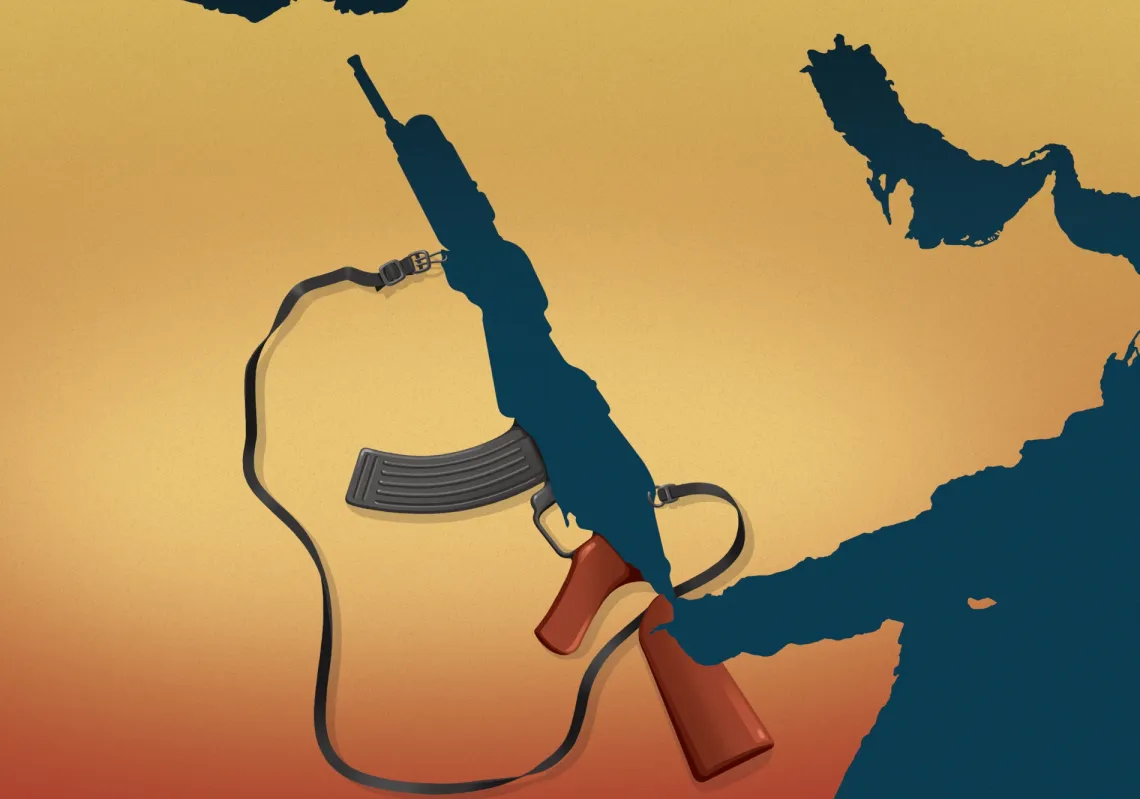

In places like Yemen, Sudan, and Somalia, which all have long coastlines along key maritime routes, the authority of the state and its institutions needs to overcome the forces of disorder.
Riyadh wants to help Yemen's various southern factions come up with creative solutions. It wants a unified Yemen, but other parties have a different agenda, complicating efforts to hold a conference.
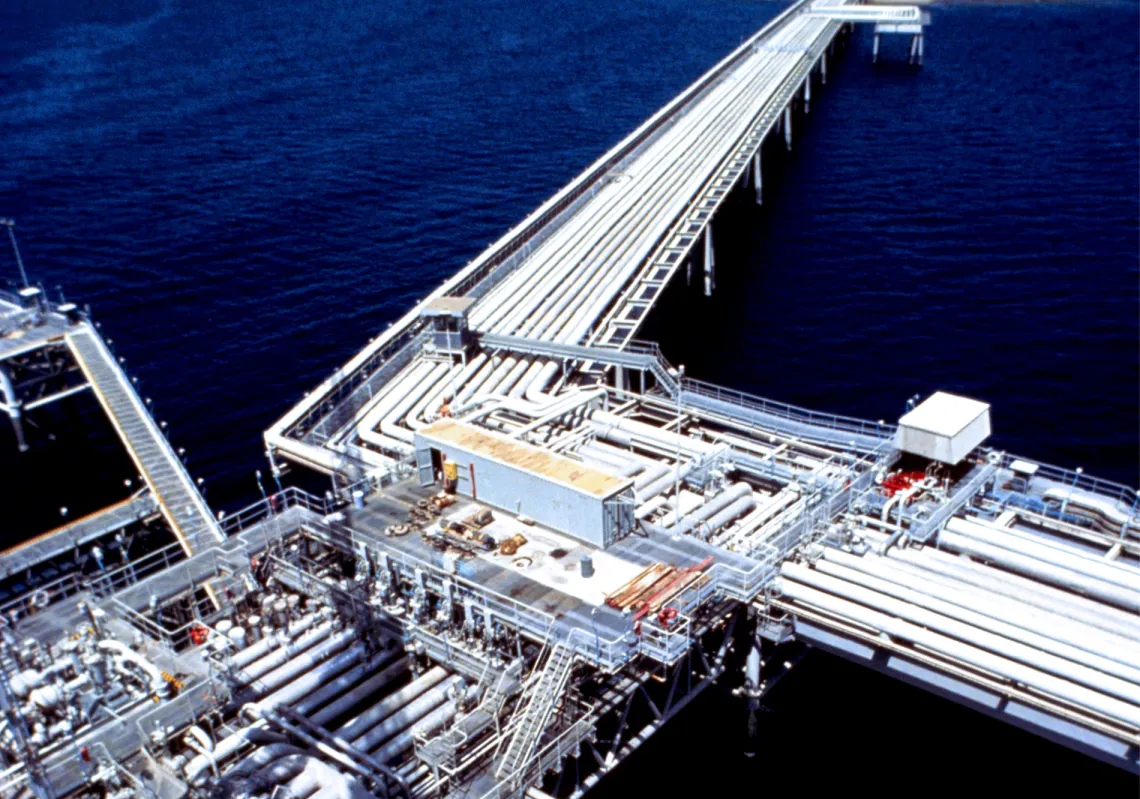
To the east of Riyadh, on a giant campus employing advanced simulators, young Saudis are learning the mechanics of the wells and rigs of the oil and gas industry.
Scrapping foreign ownership caps and qualifying criteria will bring in more capital, with markets reacting positively to the latest reforms that build towards a more open country
The UAE backs southern Yemenis who want secession, while Saudi Arabia wants a unified Yemen. Egypt also favours unity, but is close to both Gulf states, putting it in a difficult position.
Overcoming Yemen's fragmentation requires more support for the Riyadh-led path—one that rejects secession, all militias and institutionalises the state
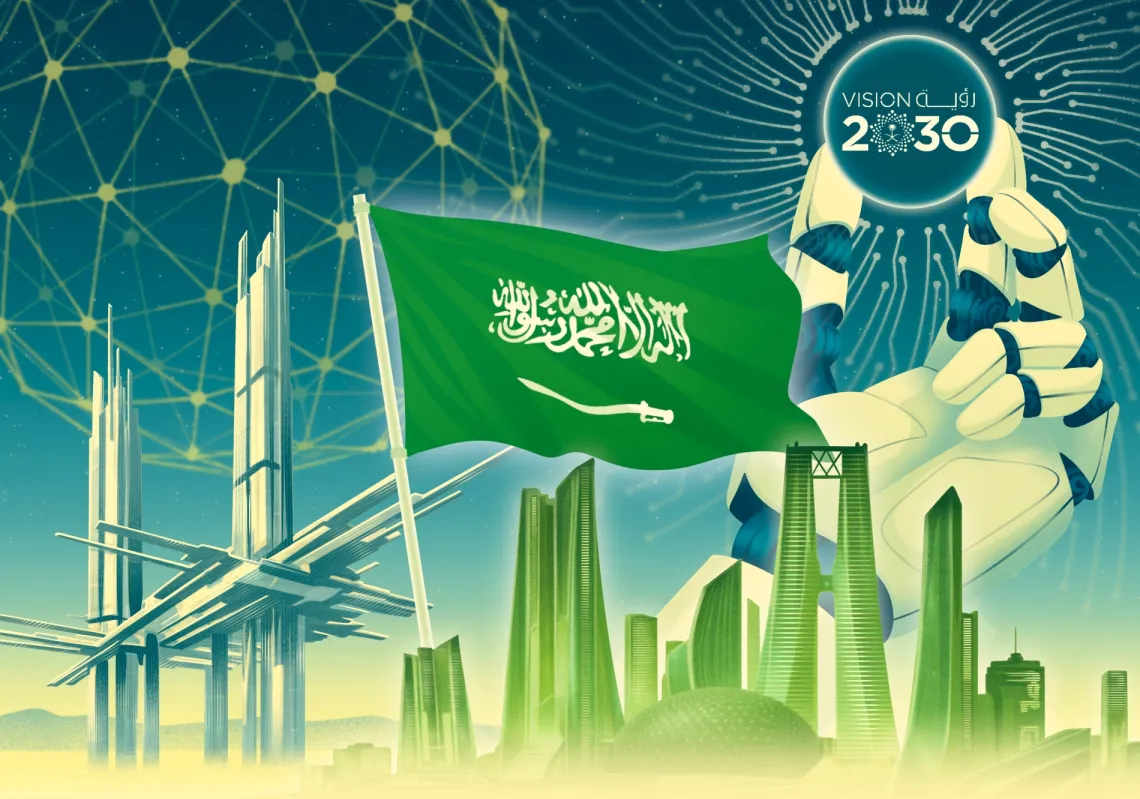
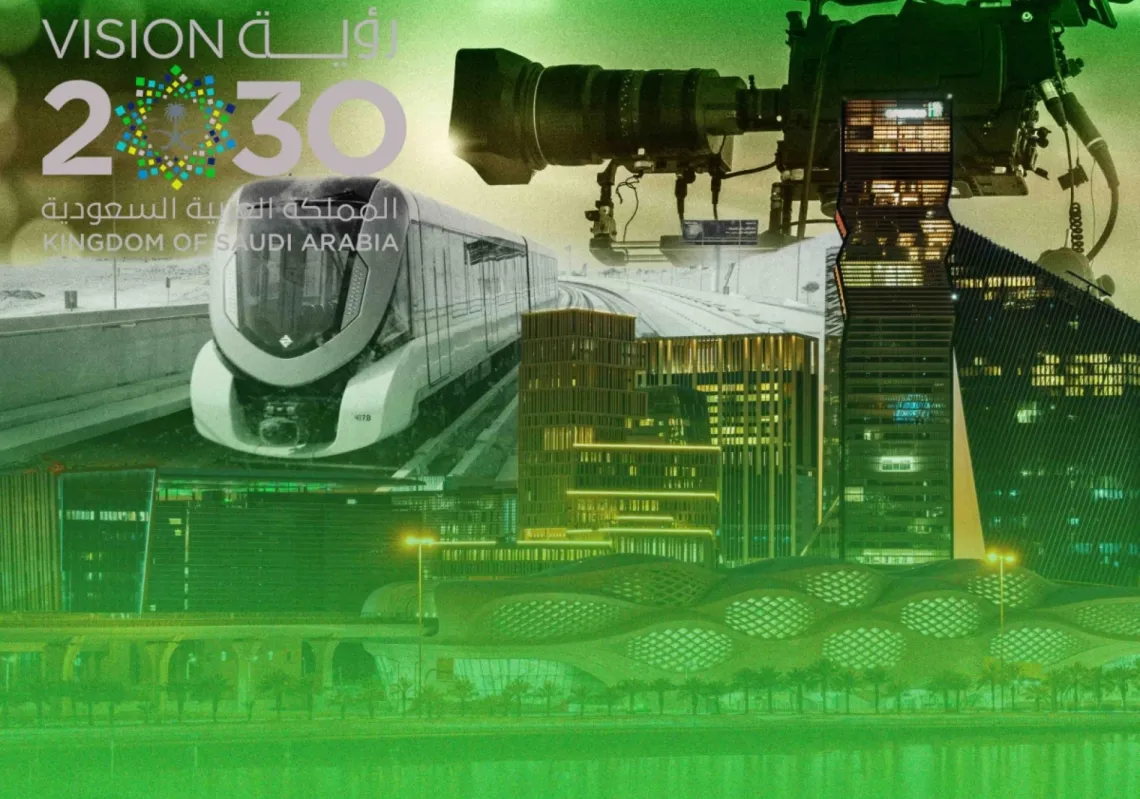
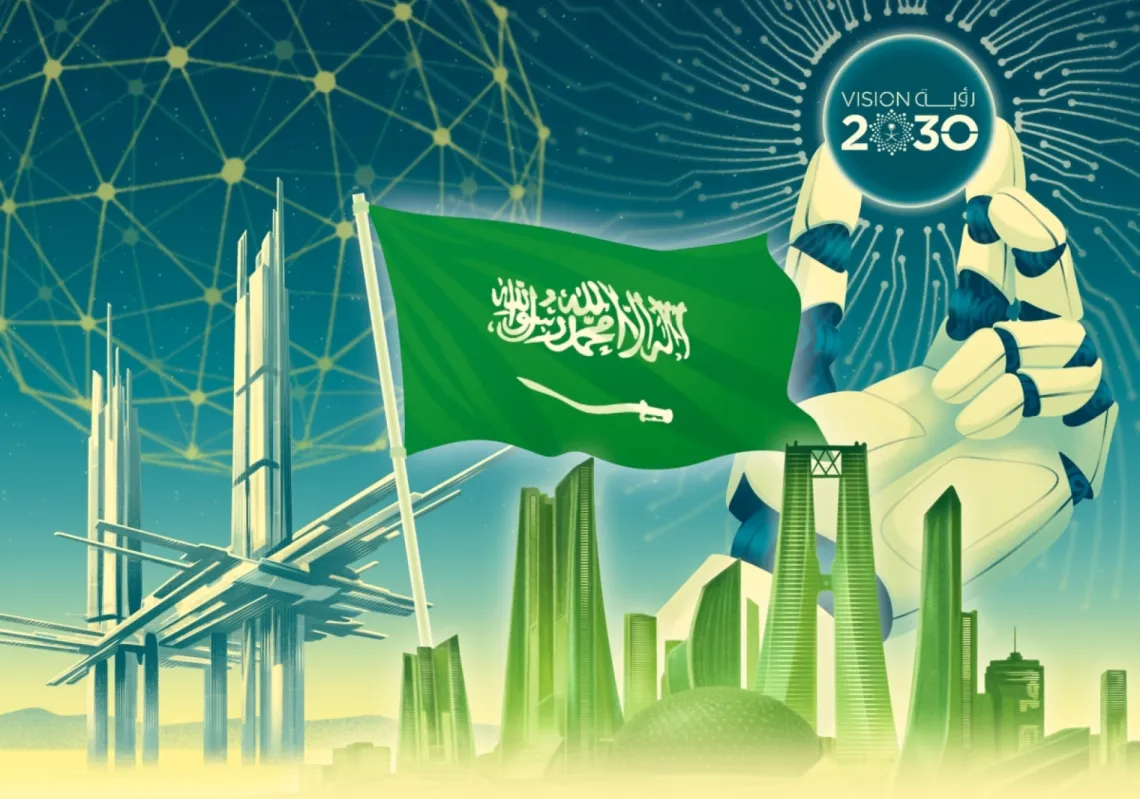
From education and infrastructure to housing, culture, construction, creativity, technology, workforce participation, and innovation, the country is rapidly moving beyond oil
No single party in Yemen can impose dominance over the other through military force, nor can any side achieve dominance solely by relying on external actors
After months of behind‑the‑scenes talks, Rabat and Tel Aviv are deepening ties under a new phase of the existing Abraham Accords, with Western Sahara being dangled as an incentive
While many would like to see Addis Ababa distracted, they also worry about a refugee spillover should a civil war break out. It might be a case of 'be careful what you wish for'