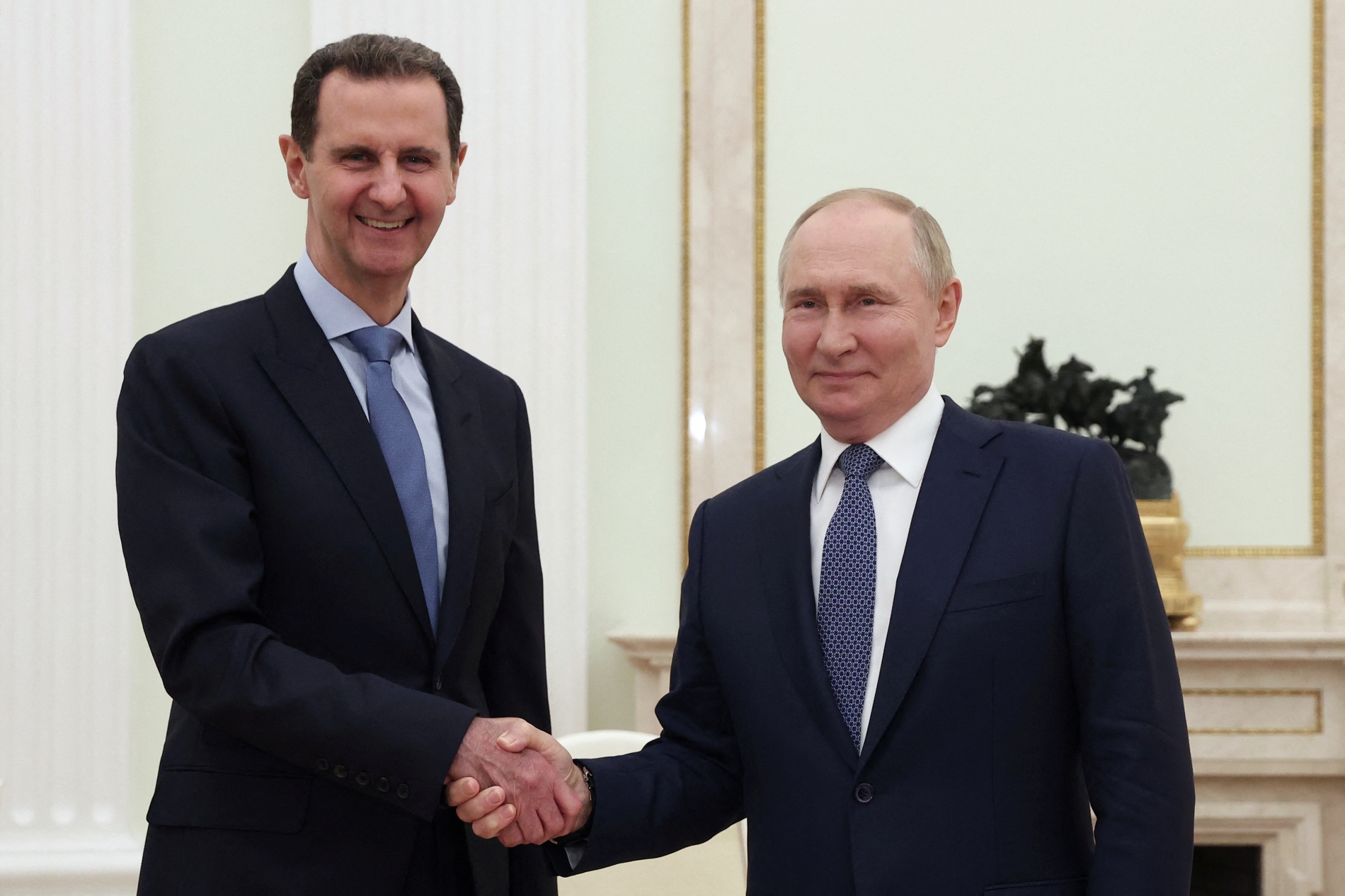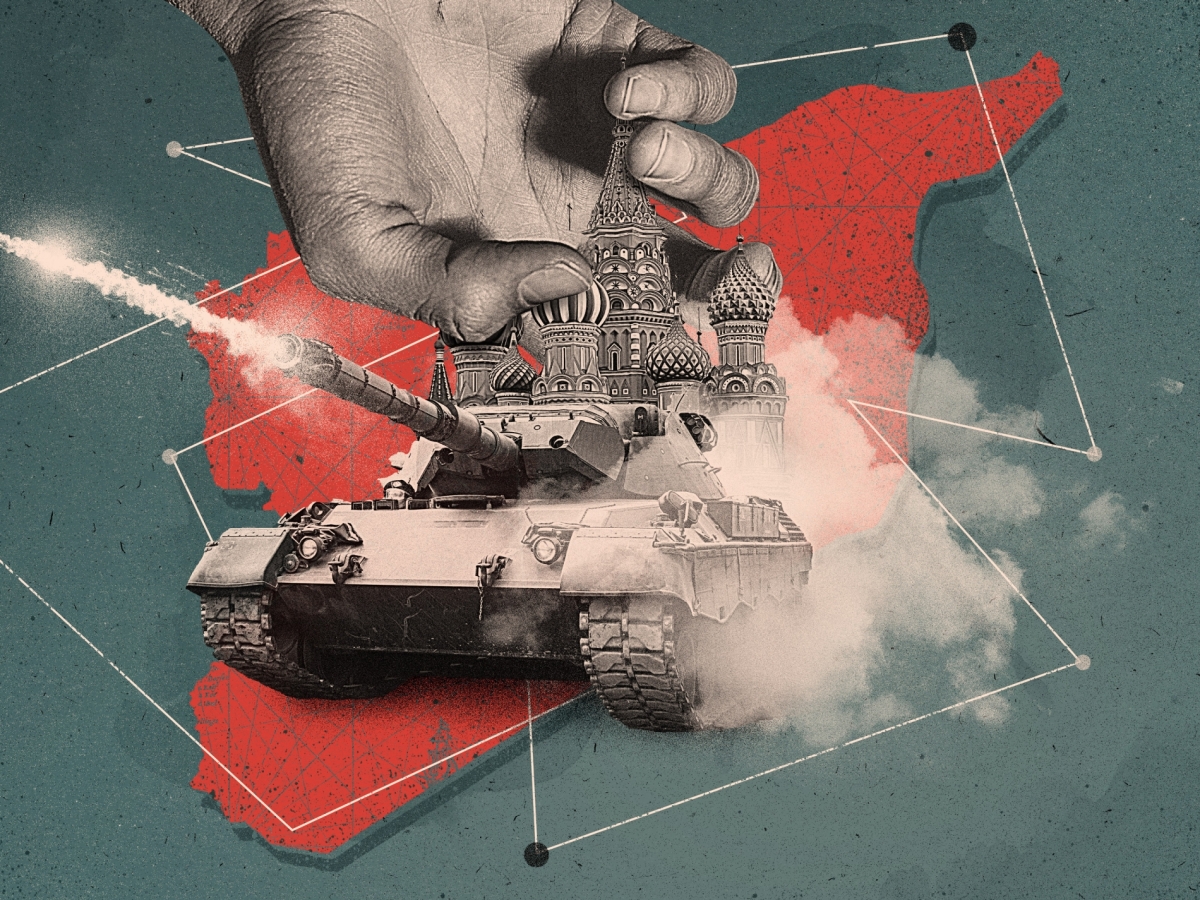

The optimisation of Russian military forces and assets in Syria—at the Hmeimim airbase and the port in Tartus—began in early 2025. The recent agreement between Damascus and Moscow to reorganise the facilities and place them under joint management is therefore a logical, if long-overdue, move.
The memorandum of understanding signed on 9 August largely formalises arrangements already in place at Hmeimim and Tartus, turning an informal modus operandi into a contractual and legal framework for specialised cooperation.
Against this backdrop, Damascus and Moscow also announced a series of steps toward rapprochement in the non-military sphere. But it remains unclear to what extent the current agreements reflect an interim status for Russia’s military presence in Syria.
In Moscow, officials acknowledge that the announced joint training and capacity-building centres may eventually close and Russia’s military presence be permanently withdrawn. However, Russian sources tell Al Majalla that despite divisions within government agencies over the future of Russian-Syrian relations, the Kremlin remains optimistic.
The agreement between Damascus and Moscow on the reorganisation of Russia’s military presence in Syria was expected, and had been inevitable since the fall of the Assad regime. By January 2025, the Russian military had withdrawn nearly all of its weapons systems from the country to Russia or Libya, including coastal missile systems and S-300 and S-400 air defence systems.
The vulnerability of the Hmeimim airbase to attacks—even from small arms fired from high ground—made it impossible to project power in the region, including through the temporary deployment of strategic aircraft. Meanwhile, the lack of protection for ships at Tartus—previously provided by combat boats, divers, and marines—made stationing warships in the roadstead increasingly risky.
Unsurprisingly, Tartus was rarely used by the Russian navy under these conditions. This was due not only to security threats and the need to escort dry-cargo vessels carrying specialised materiel with warships, particularly after the attack on the dry-cargo ship Ursa Major in December 2024, but also to Türkiye’s ban on military vessels passing through the Black Sea straits. This effectively prevented Russia from rotating ships into the Mediterranean from its nearby fleets.
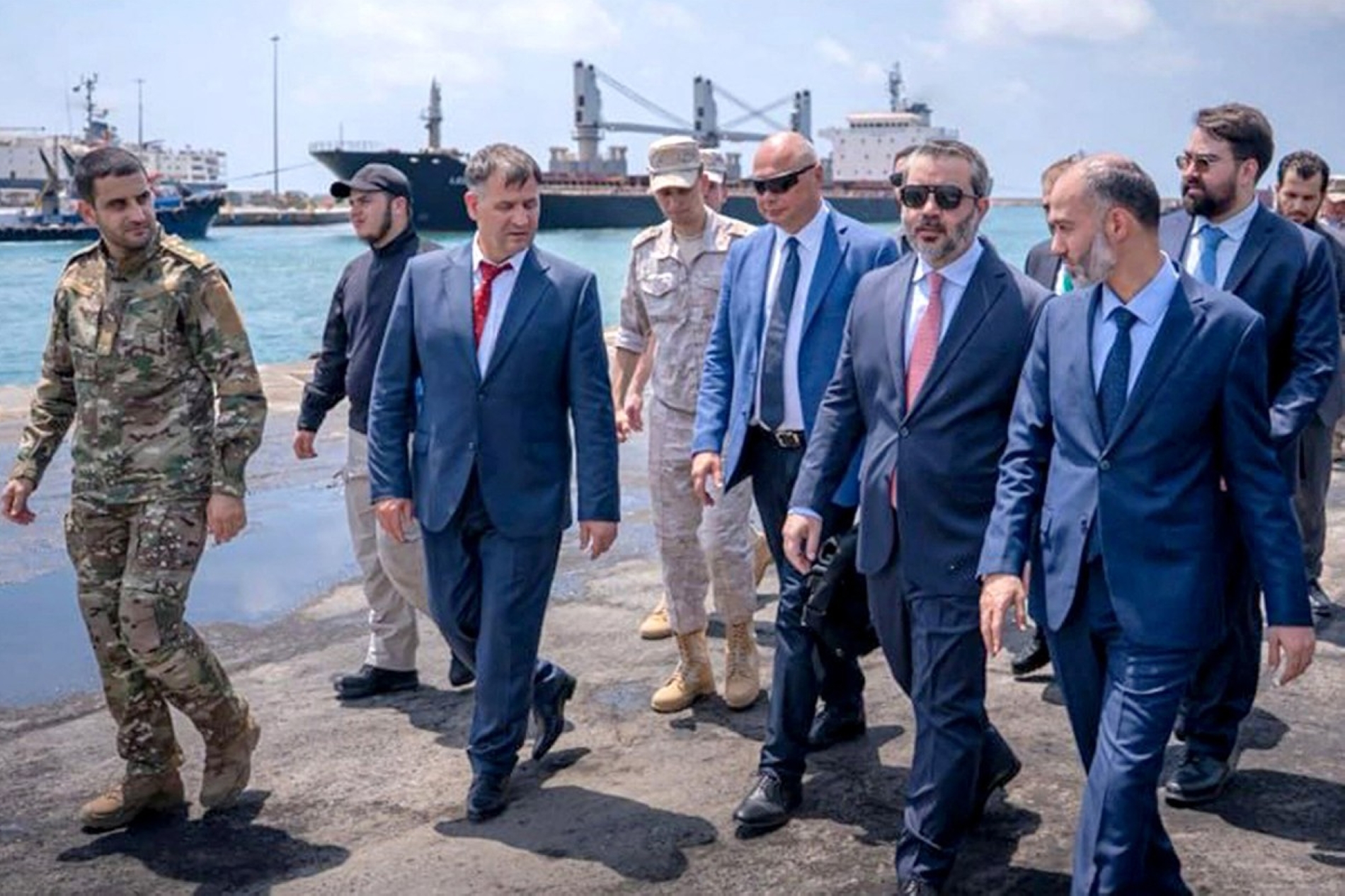
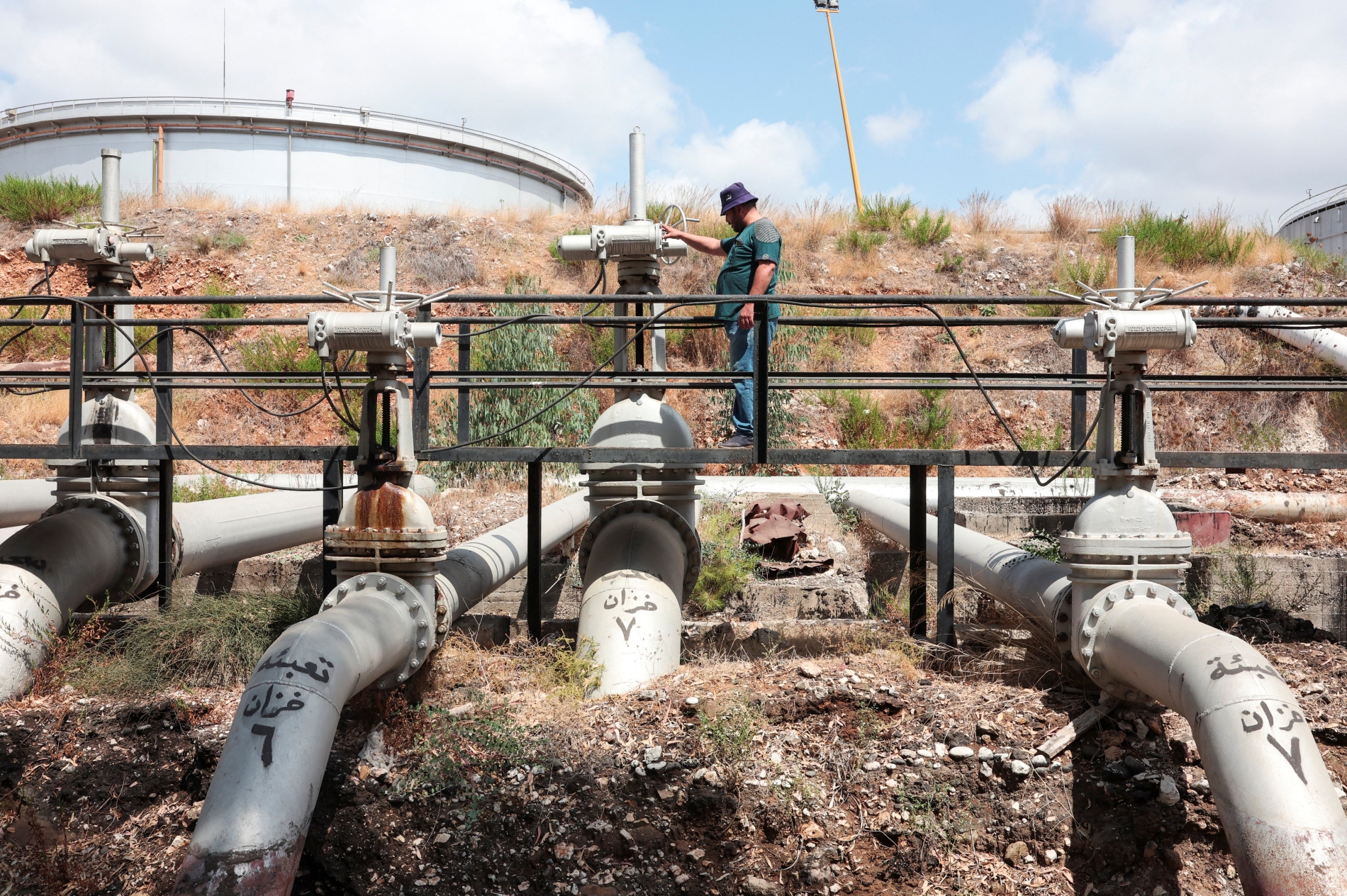
Russian civilian merchant vessels have little need to use the berthing facilities within the military footprint, since tankers can load at both Tartus and Baniyas. Throughout 2025, for instance, Russia handled a substantial share of Syria’s seaborne crude oil shipments. In October alone, the tanker Antarktika delivered up to 745,000 barrels. In January and February this year, three Omani-flagged tankers carrying Russian oil also arrived at Baniyas to offload.
All of this suggests that even if the runway at Hmeimim came under the control of Syria’s new authorities, Russia could maintain transport links between its military facilities with little disruption. Russian navy vessels would also still be able to make short-term calls at the Tartus pier to take on supplies. Such an arrangement is hardly unprecedented: the US military operates from host-nation facilities across the Middle East, using them in coordination with local authorities and alongside national forces.