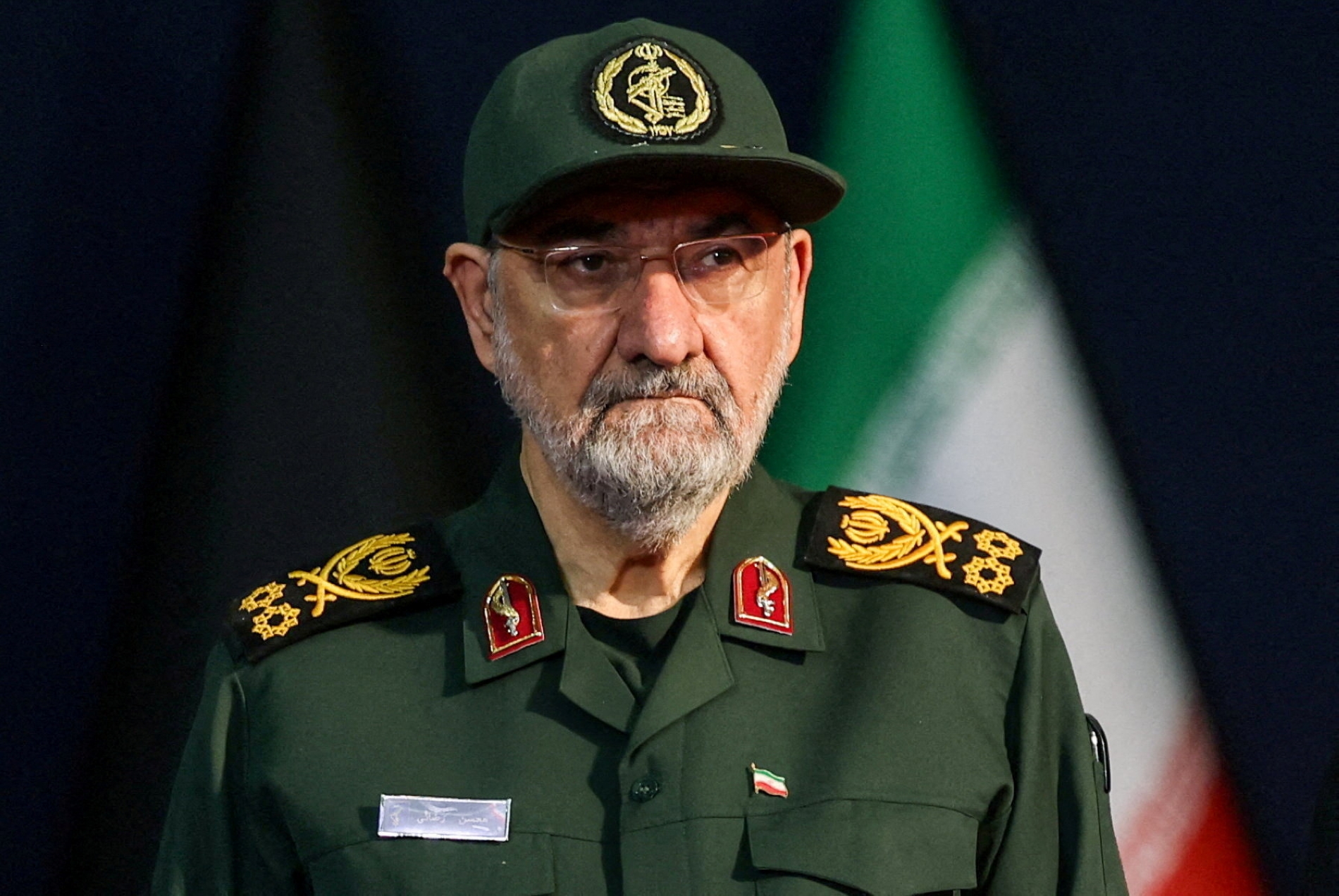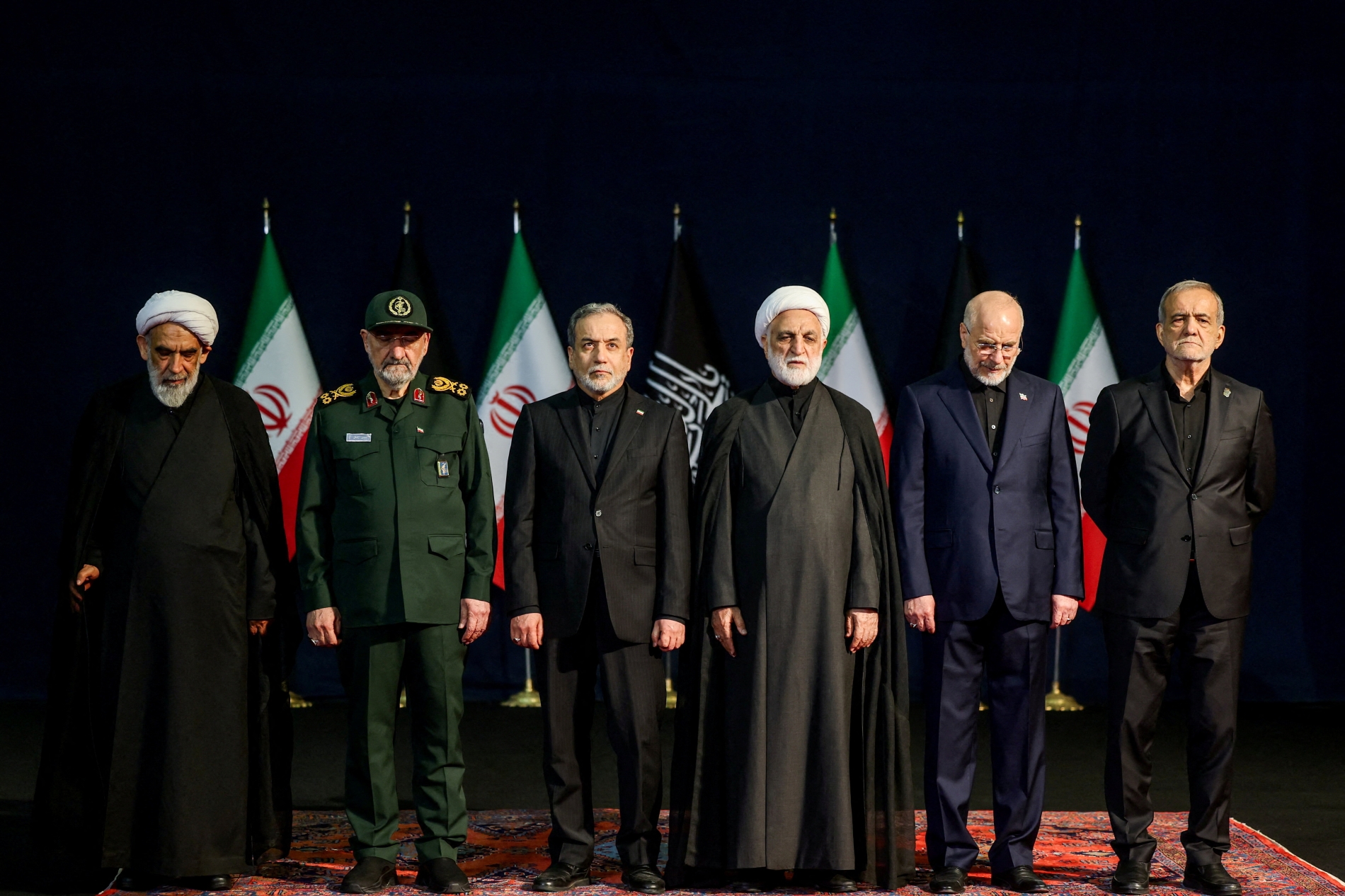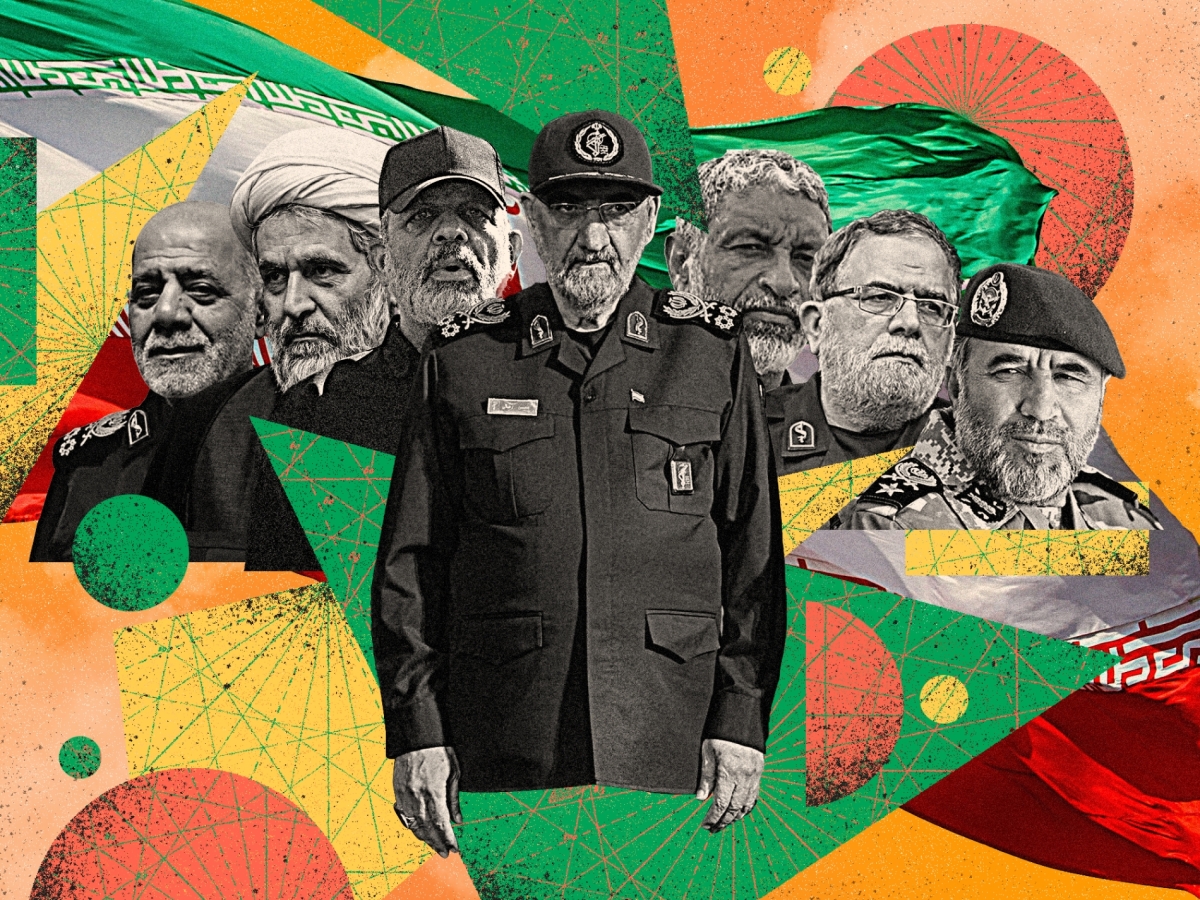

Within 48 hours this week, Iran filled six of the most important posts in its battered military and security establishment. Ali Abdollahi became chief of the Armed Forces General Staff, Kioumars Heydari his deputy; Ahmad Vahidi, who had effectively led the Revolutionary Guards since the war began in February, was formally confirmed as commander, with Mostafa Izadi named his deputy; Ali Azmaei, who had already been running the Guards' navy since early July, was folded into the same round of decrees; and Hussein Taeb returned to lead the Basij paramilitary force, 17 years after he last ran it. A day earlier, Mohsen Rezaei, the Guards' longest-serving former commander (1981–1997), had returned to the centre of decision-making as secretary of the Supreme National Security Council (SNSC).
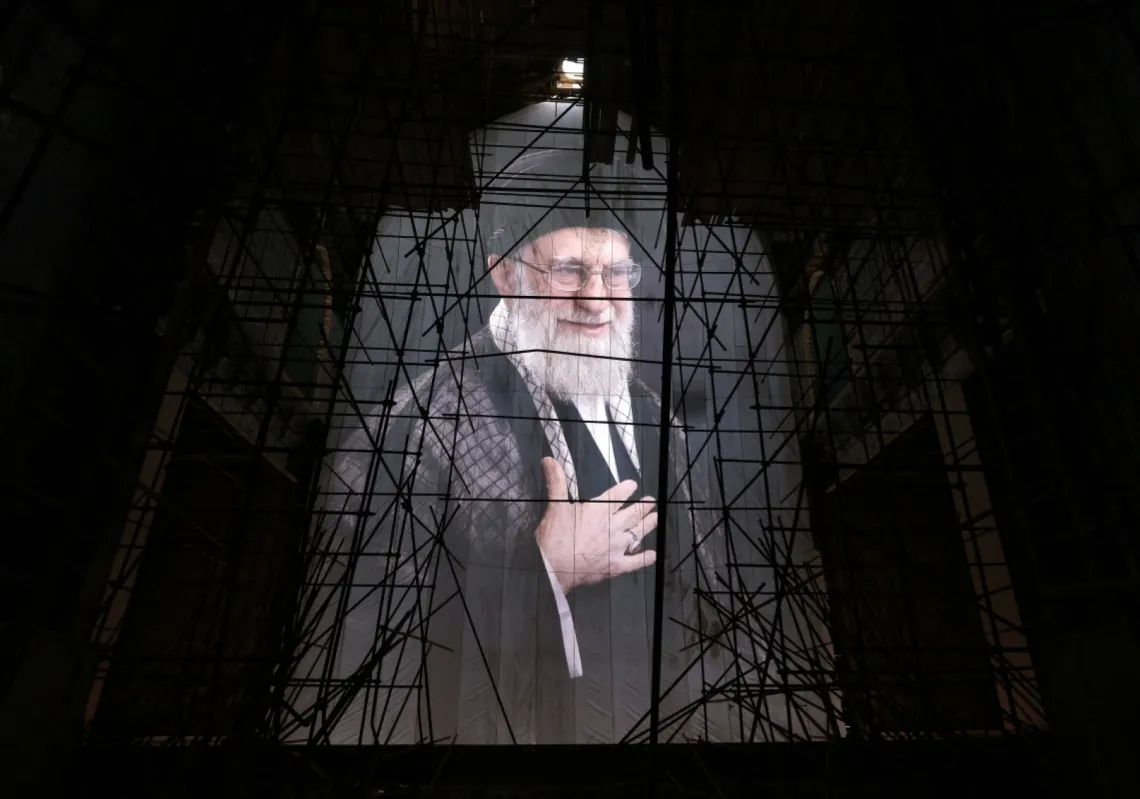
All the decrees were issued in the name of Mojtaba Khamenei, who succeeded his father as supreme leader in March, after Ali Khamenei was killed in the war's opening strikes on 28 February. Months into his tenure, Mojtaba remains an unusually elusive leader. State media report meetings and decrees in his name, but the lack of independently verifiable public appearances makes it hard to assess Iran's direction through his personal views.
However, the appointments offer firmer ground. Read together with the biographies and mandates behind them, they show how Tehran is drawing lessons from successive wars and preparing for a prolonged period of insecurity, without proving it has abandoned negotiation.
An old guard
The most striking feature of the new lineup is how old it is. Rather than promote a new generation, the political system reached deep into the surviving bench of the Islamic Republic's veterans. Rezaei commanded the Guards through most of the Iran-Iraq War. Vahidi was an early Qods Force commander and later defence and interior minister. Abdollahi has moved through IRGC ground and air commands, provincial governorships in Semnan and Gilan, a security post at the Interior Ministry, and Khatam al-Anbiya's joint command. Taeb spent 13 years running IRGC intelligence after entering the security establishment in the revolution's early years. This is not rejuvenation. One can say it is emergency reconstruction through institutional memory.
That choice is understandable.
The Islamic Republic has lost an extraordinary number of senior officials in less than a year: the 12-day war of 2025 killed Hossein Salami, Mohammad Bagheri and other top IRGC commanders; the war that began in February 2026 removed another layer, including Ali Khamenei himself. The current appointments are less about replacing individuals than rebuilding command structures while the country remains under military and economic pressure.
Abdollahi's assignment is the clearest example. He has been tasked with completing the integration of the General Staff, the armed forces' planning and coordinating body, with Khatam al-Anbiya, its wartime operational headquarters, a merger Iranian commentary has called one of the most consequential changes to the command structure since the Iran-Iraq War. Abdollahi ran Khatam al-Anbiya before this appointment, so he knows both halves of what he is being asked to fuse. The lesson Tehran appears to have drawn is not just about weapons or manpower but about speed: a command system repeatedly subjected to decapitation strikes has to keep functioning when senior officers disappear.
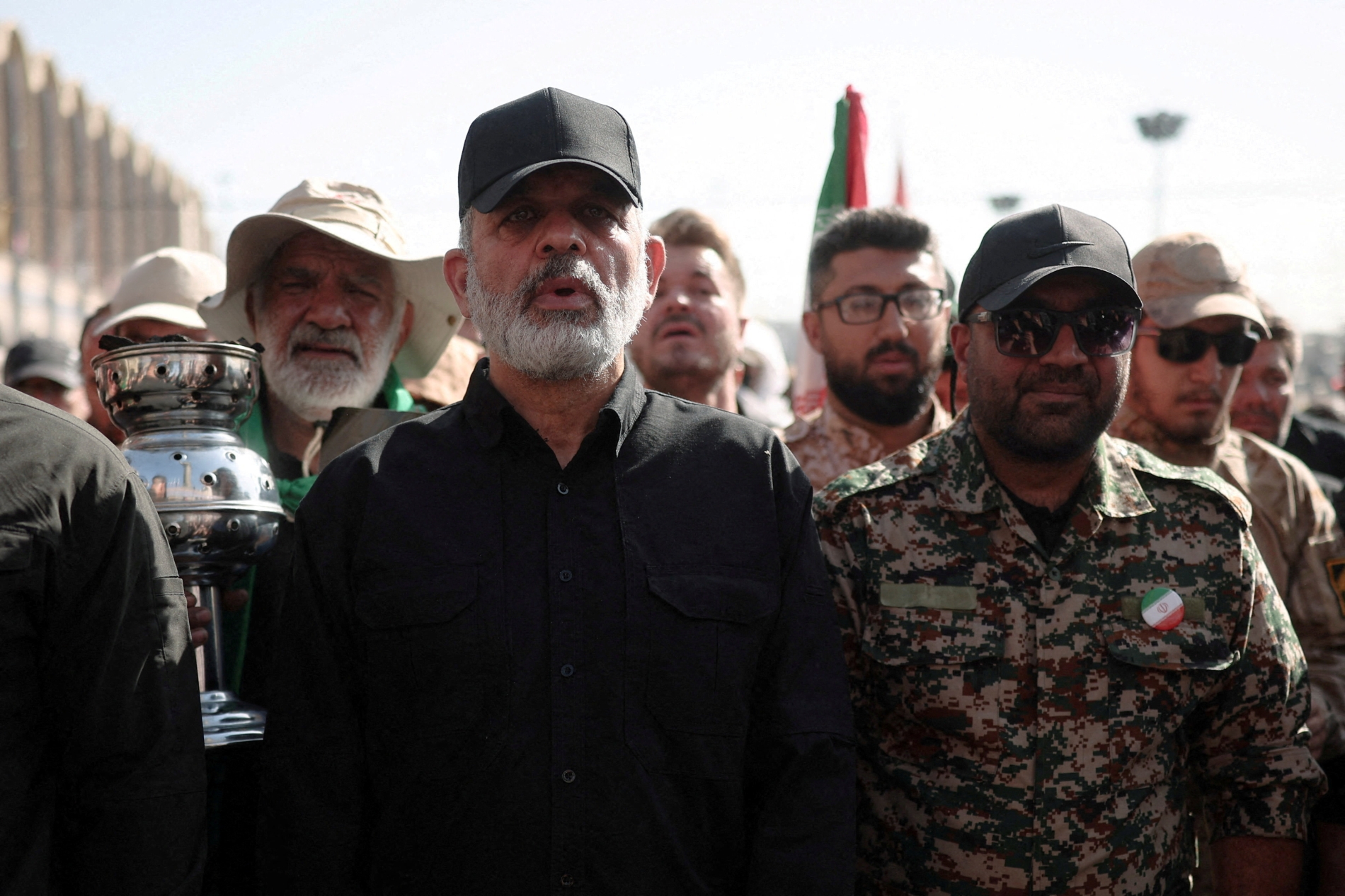
Vahidi's mandate points to a related lesson. He has been instructed to pursue "maximum deterrence" while preparing the IRGC for "powerful offensive operations," and to strengthen command skills, modern capabilities and ideological cohesion throughout the force, not simply replenishing the Guards after their losses but making them more willing to take the initiative.
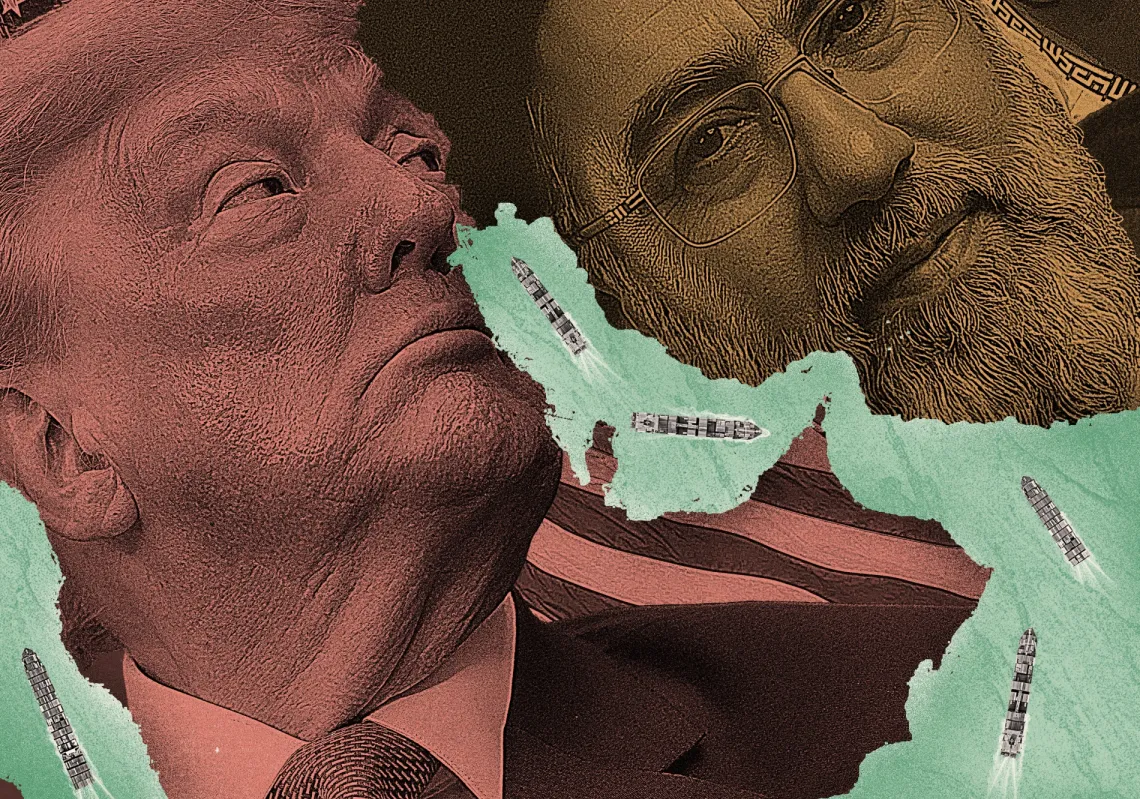
His own career, spanning the Qods Force, the defence and interior ministries, and the state's response to the 2022 protests as interior minister, suits a security environment where the line between external and internal threats has blurred. Azmaei's position atop the Guards' navy follows the same logic: with the Strait of Hormuz now both battlefield and bargaining chip, naval readiness sits at the intersection of Iran's military strategy, economic survival and diplomacy.
A pragmatist among hardliners
Rezaei's return suggests Tehran believes its problems extend beyond military command. His predecessor at the Security Council, Mohammad-Bagher Zolghadr, lasted only months; Pezeshkian publicly acknowledged "differences" the government was trying to resolve before Zolghadr's exit.