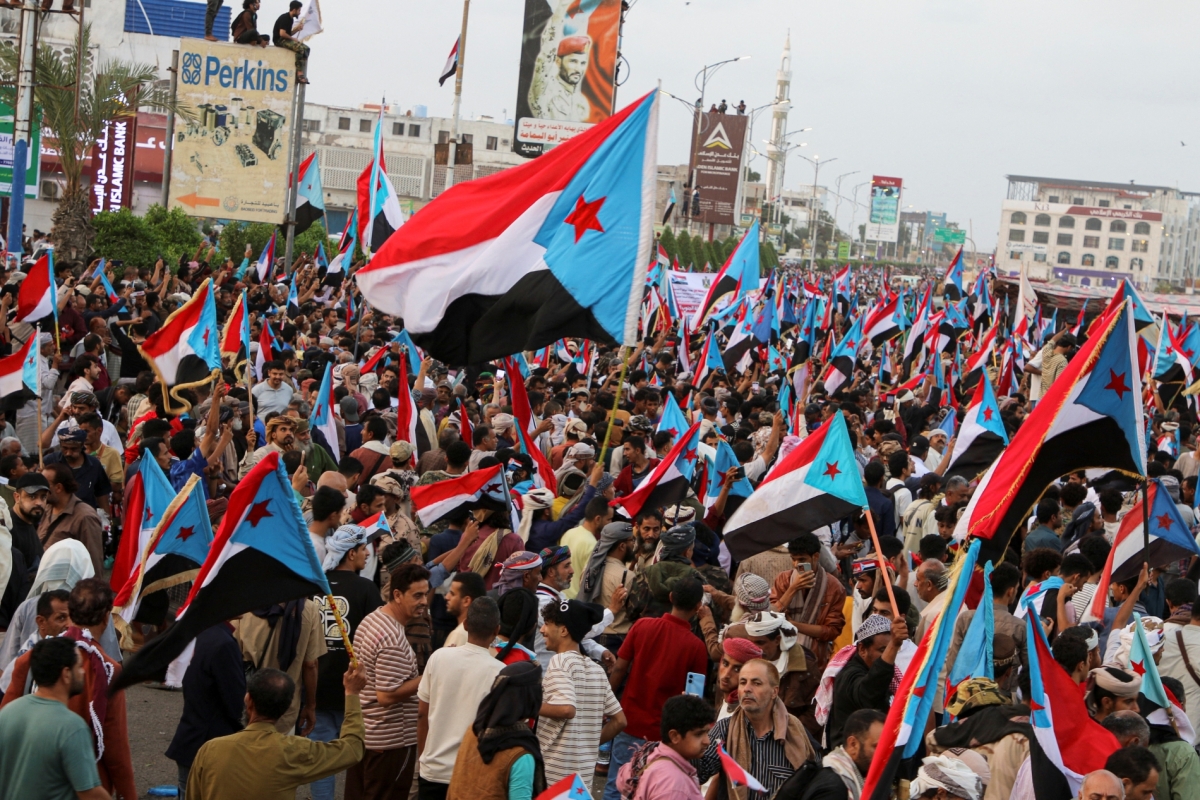

For three weeks, speculation has been rife about the potential secession of southern Yemen from the North after fighters aligned with the Southern Transitional Council (STC) took control of the eastern governorates of Hadramout and Al Mahrah, triggering a wave of commentary in Arab and international media, with analysts offering competing visions of Yemen’s political future. Some assume that the South's return to independence is imminent and that a major geopolitical transformation is already underway.
More than three decades after the achievement of unity, despite the developmental progress this brought, the union remains a source of discomfort and dissatisfaction for many in the South. Some in the North share this sentiment, resenting the focus on rehabilitating the South when their own areas had also been neglected. Although most levers of government fell under northern control, Southerners were accused of exploiting political circumstances to secure preferential treatment.
Entering 2026, there is no longer any dispute that Yemen’s unity faces immense challenges, both internal and external. Today, Yemen exists in neither war nor peace. That must be resolved before the state can be restored and serious consideration be given to the country's future. To many Yemenis experiencing severe hardship, the present military and political chaos alongside extreme poverty appears more dire than secession, but secession is neither the best nor the only solution to Yemen’s complex and deep-rooted problems.
Panoramic view
North Yemen is smaller than South Yemen, but the South is home to approximately 5 million people, compared with more than 30 million in the North. The population there is predominantly tribal, impoverished, and heavily armed. There is a scarcity of agricultural land, modest natural resources, and high fertility rates, while the South is richer in natural resources and less densely populated, particularly in its eastern and central regions.
The main issue is not so much the disparity between the North and South as the failure to achieve genuine integration in the early 1990s. Wars, violence, political crises, and economic upheaval have plagued the country throughout its 35 years of union. Yet despite the hardships it has brought, Yemen’s political system has survived. As a result, unity has not fulfilled the aspirations and hopes of the Yemeni people, so grievances have mounted. Many Yemenis feel frustrated and marginalised.
Such grievances led to the mass ‘Arab Spring’ protests in Yemen in 2011, which ultimately led to the collapse of the regime and the resignation of the long-running ruler, President Ali Abdullah Saleh, who was instrumental in facilitating unity 20 years earlier. After Saleh was eventually deposed in 2012, the state began to disintegrate as power fell into the hands of the Iran-backed Houthis. Yemen’s unity slowly unravelled, with the STC increasingly backed by external actors.
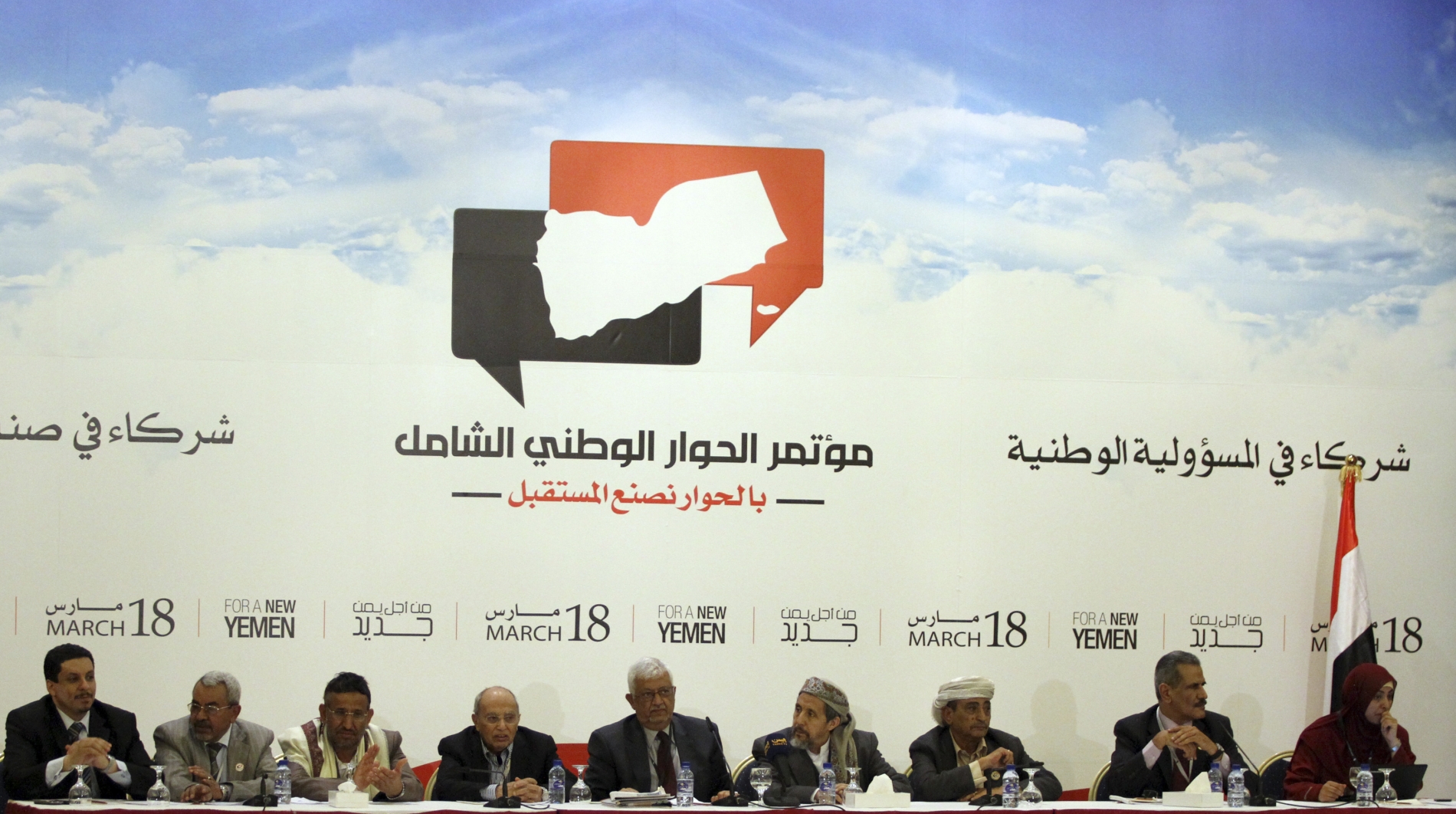
A UN-sponsored National Dialogue Conference ran from March 2013 to January 2014, at which the grievances and suffering of Saada governorate (in Yemen’s north-west, where the Houthis originate) were acknowledged as having been experienced during several domestic wars. Likewise, it was acknowledged that the South had suffered damage and loss as a result of the 1994 war (between North and South).
This was meant to contribute towards reconciliation pending a transition, but in August 2014, the Houthis mobilised protests in the capital Sanaa, angered at the government’s removal of fuel subsidies. In September, armed Houthi fighters stormed the capital, with no intervention from the Yemeni army. In January, the militia stormed the presidential palace, forcing the president, prime minister, and cabinet to resign.
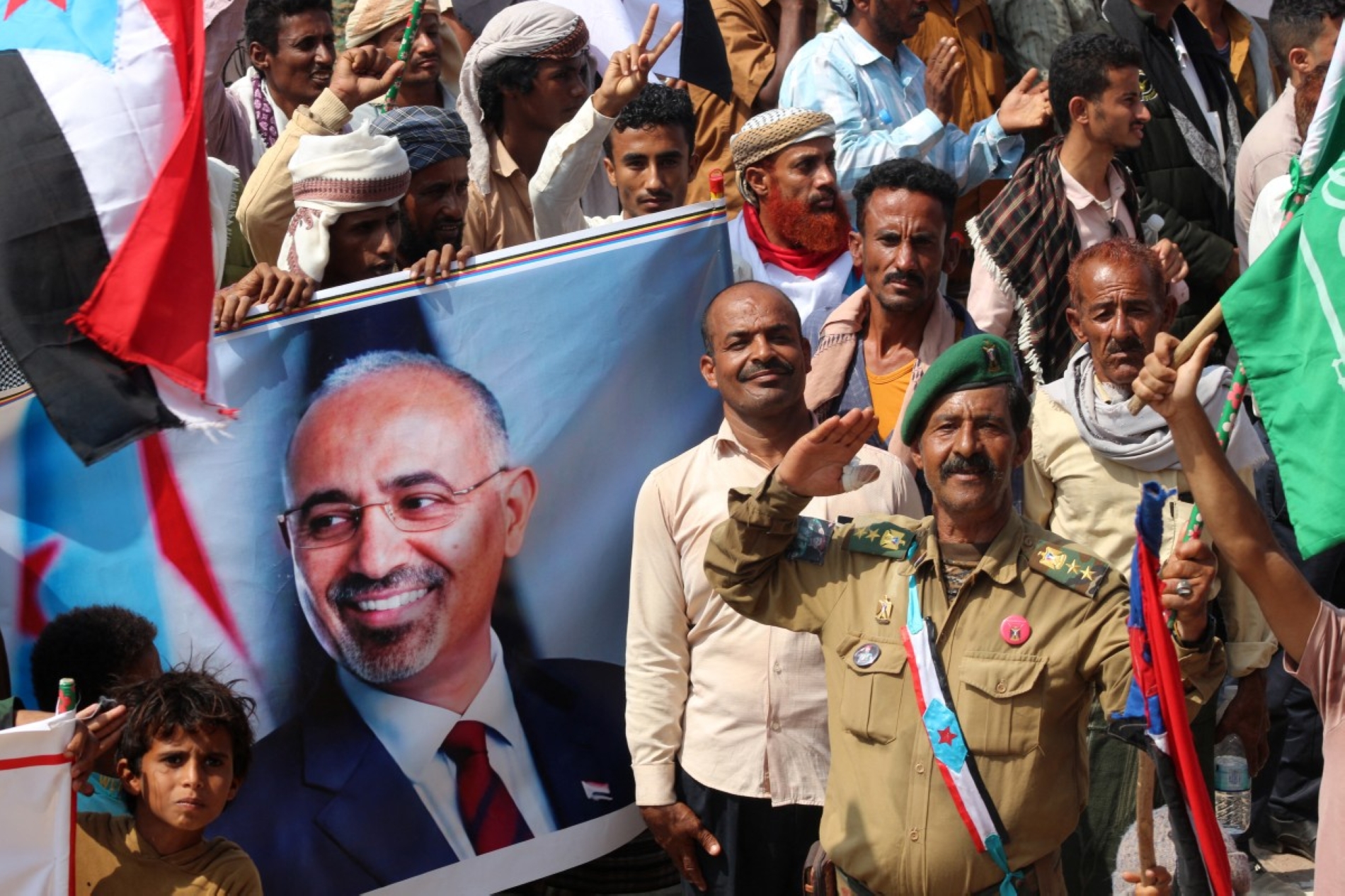
The STC was set up with backing from the United Arab Emirates in 2017, and its activities later came to be seen as a second blow to what remained of Yemeni unity, carried out under the banner of purging the southern governorates of extremist terrorist groups. In January 2018, forces loyal to the STC captured government buildings in Aden (the capital of South Yemen until the 1990 unification).
In September 2025, the STC (which is vehemently opposed to the Houthis) called for a “two-state solution” in Yemen. On 2 December 2025, STC forces launched a military operation, and by 8 December, they had captured most of the territory of the former South Yemen state, including the oil-rich governorate of Hadramout. In the days that followed, STC leaders announced that they would begin preparing to establish a new state, South Arabia.
Obstacles to secession
At present, any attempt at secession faces significant obstacles, not least because the country remains mired in a state of war and fragmentation, in which no party can impose dominance over the other through military force, nor can any side achieve dominance solely by relying on external support.
Furthermore, the prospect of secession lacks a broad consensus among the southern population. Nowhere is this more evident than in the key eastern and central governorates of Shabwa and Abyan, which do not align with the STC (the Council's leadership is mainly drawn from tribes from Al-Dhalea, Yafa, and Radfan, which have a history of hostility with Shabwa and Abyan). As such, no Yemeni party has a popular mandate to undermine Yemen’s unity. Even if several could mobilise a few thousand supporters for their cause, cleaving the state in two would require a referendum.