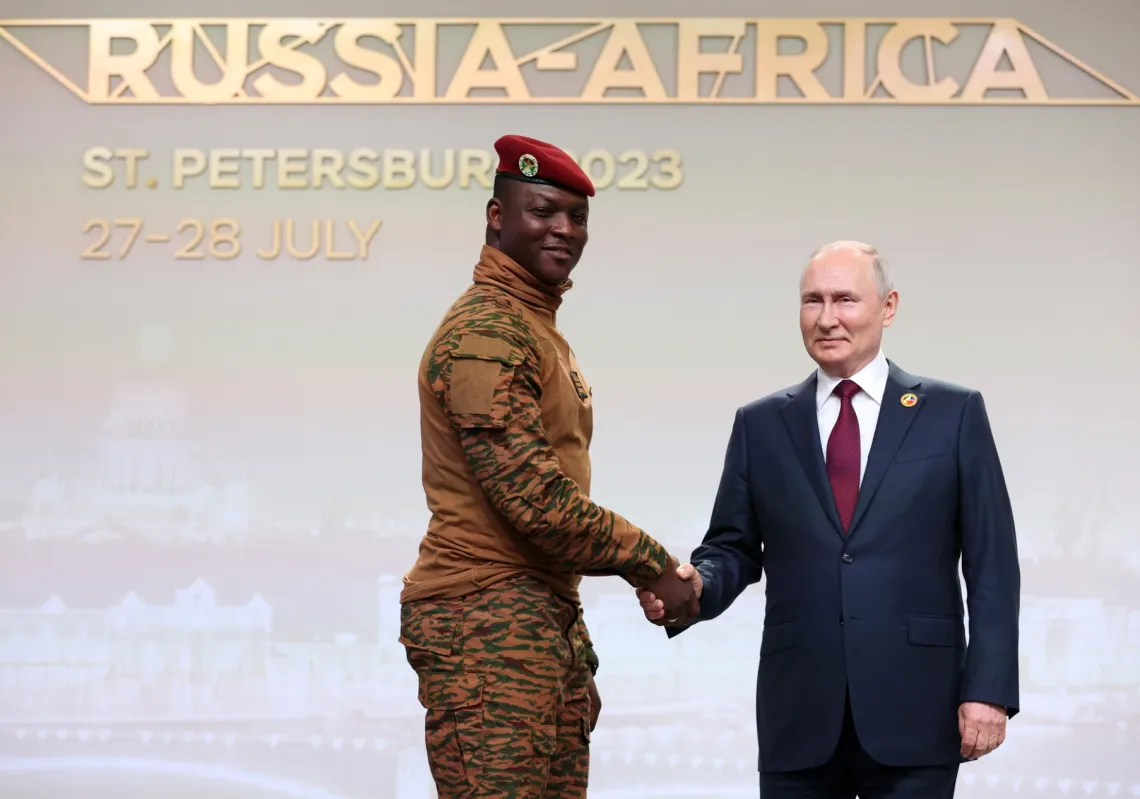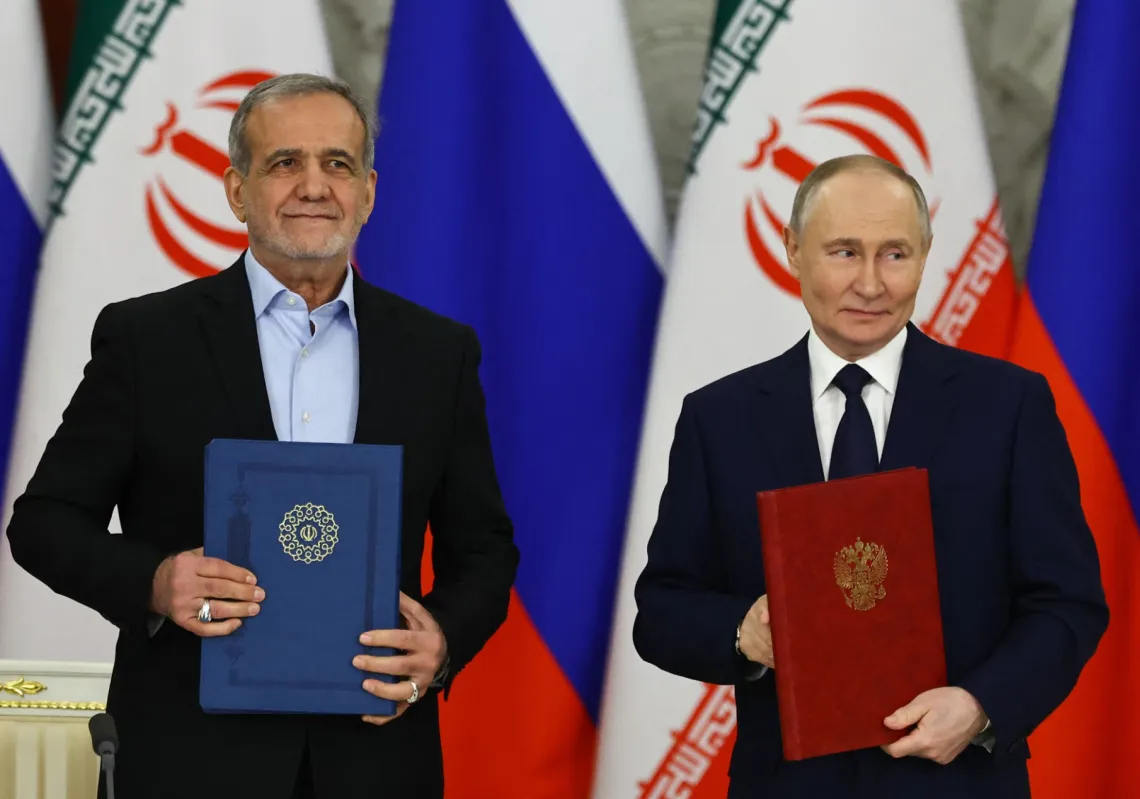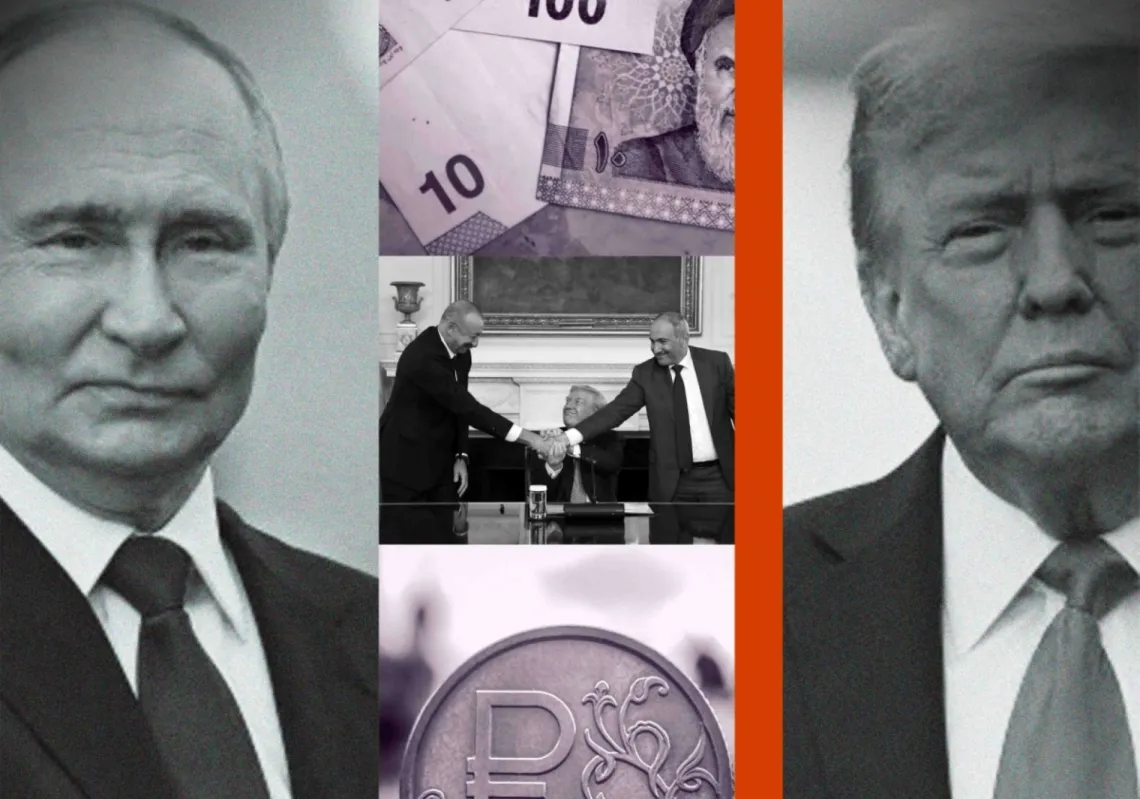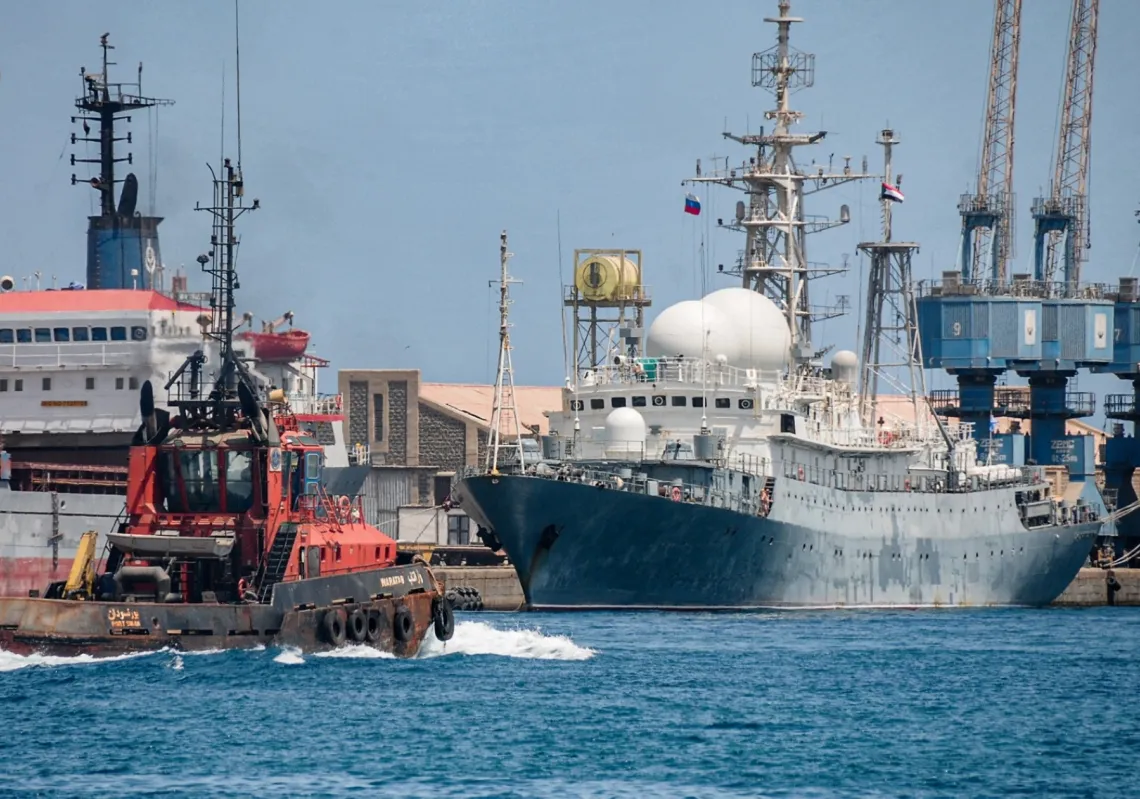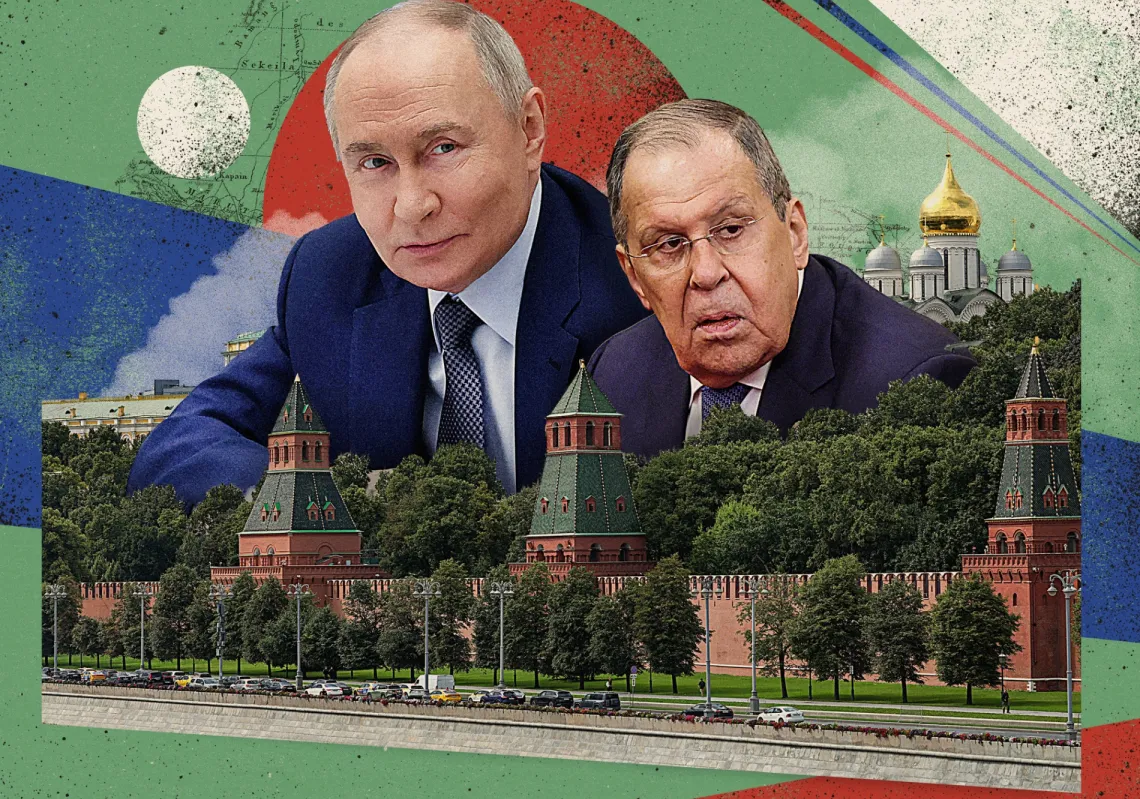

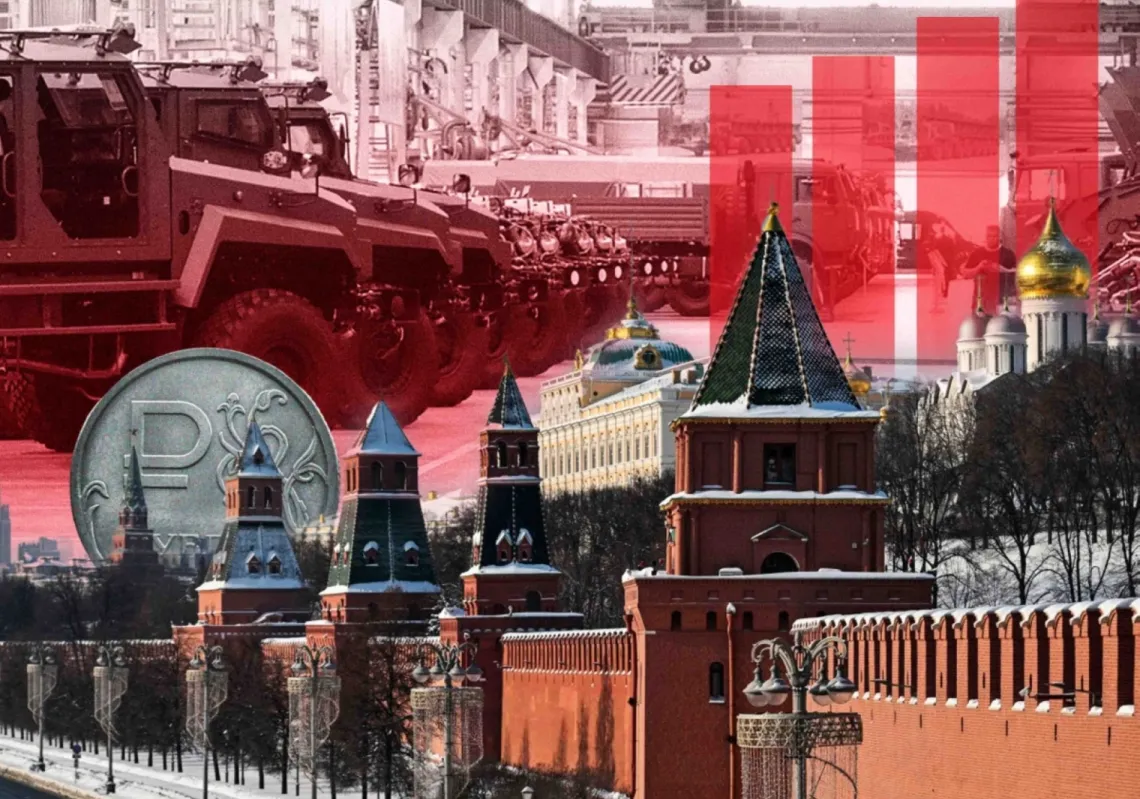
Trump thinks that lifting sanctions and reintegrating Russia will weaken Moscow's alliance with Beijing. That is short-sighted. The world Henry Kissinger exploited in 1970 is no longer.
By placing conditions to ending the war, the Russian president seems to be stretching the negotiations to bait Trump into maintaining pressure on Kyiv and weakening Europe
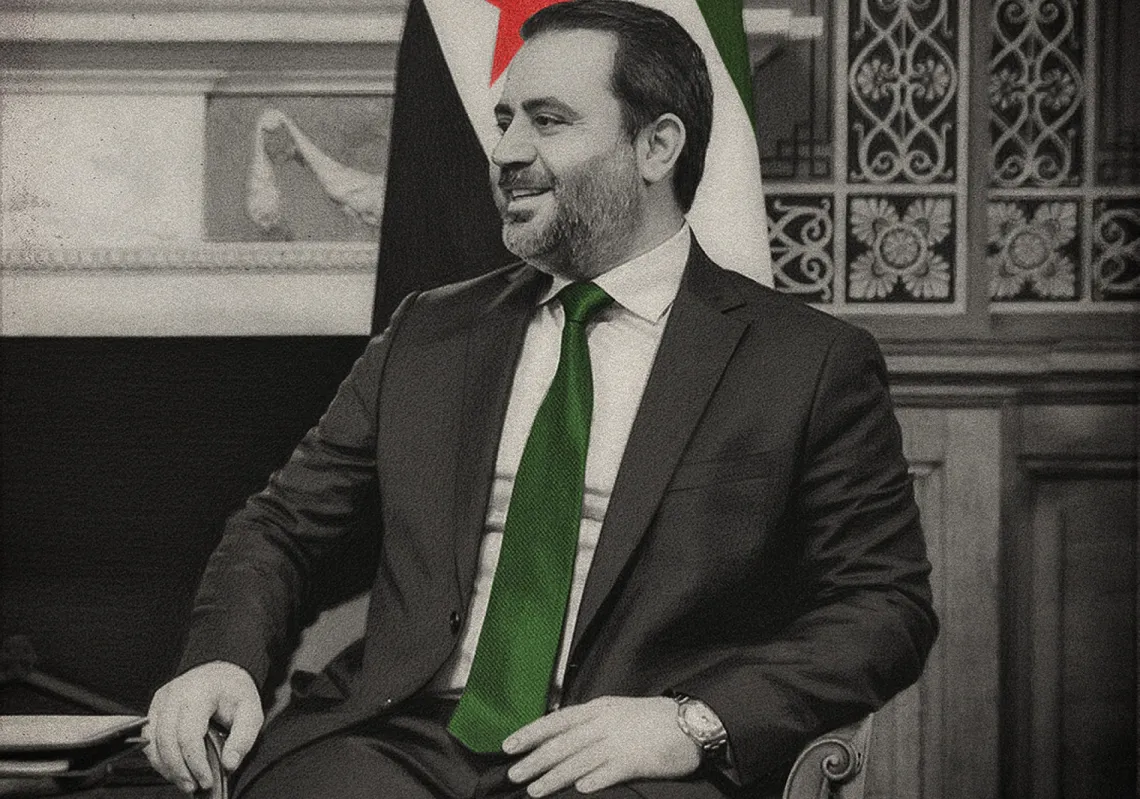
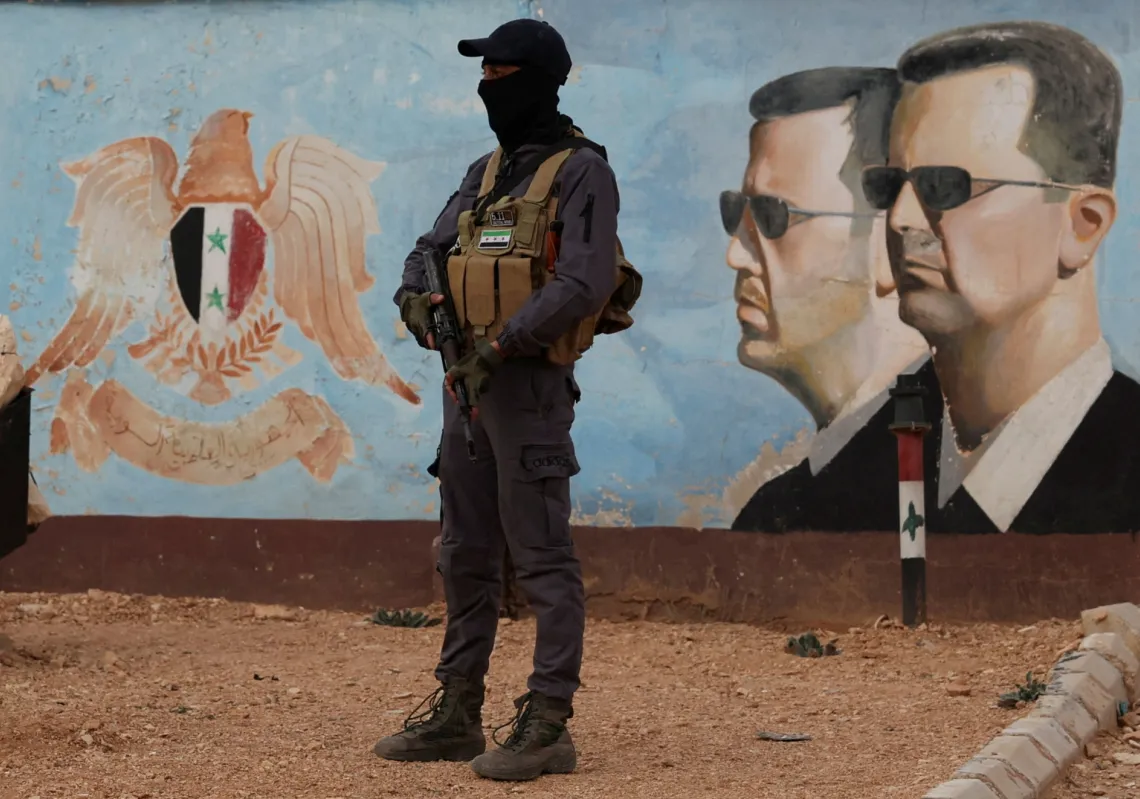
Some predict partition, others federalism or fragmentation. Amidst the competing interests of Arab states, Russia, the US, Israel, Iran, Türkiye, and Europe, Syria treads its own path
While some indicators are positive, others are troubling. The arrival of Donald Trump in the White House has given the Kremlin a political boost, and lifting sanctions will help, but it is no panacea.
Moscow's much smaller neighbours have been looking elsewhere for energy, trade, investment, and security. That is not in Russia's plans, but Putin knows the new US president is unlikely to help them.
With diplomatic channels open with the three major power centres—the US, Russia, and China—Saudi Arabia continues to navigate a delicate balance between economic pragmatism and security imperatives
A sudden ditching of US support for Ukraine and a more understanding approach to Russia, has sent shudders through Europe and pricked ears in Beijing. As the war looks set to end, what next?
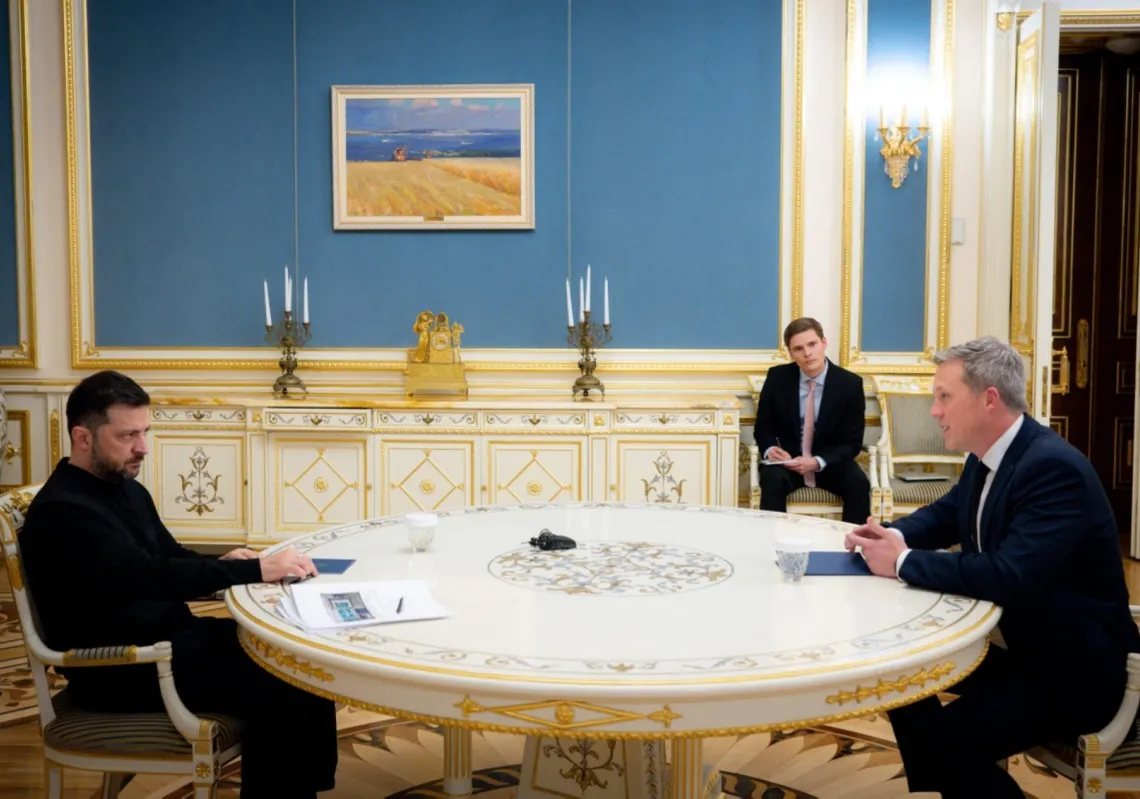
Trump wants to end the war, seemingly in Russia's favour. Macron warns over striking a 'weak' deal, a message Starmer will likely echo during his visit. Meanwhile, EU leaders will convene next week.
Europe continues to reel from a series of shocks dealt by the 'America First' administration of Donald Trump. The fate of Ukraine and Europe's security architecture hangs in the balance.
Israel's aggression and territorial expansion have become a political, financial, and moral burden, as they have on its Western government allies, who find it increasingly difficult to defend
With nuclear know-how from Russia, weapons from America, infrastructure from China, and money from the Gulf, Egypt is making the most out of a world with many powers.
As European banks retreat, debt balloons, and price volatility spooks central banks, Morocco's national currency is increasingly being used in continental trading.
The Syrian artist's works on display in Beirut consider the hopes and dreams of migrants, the walls they face, and their eventual arrival in a safe harbour