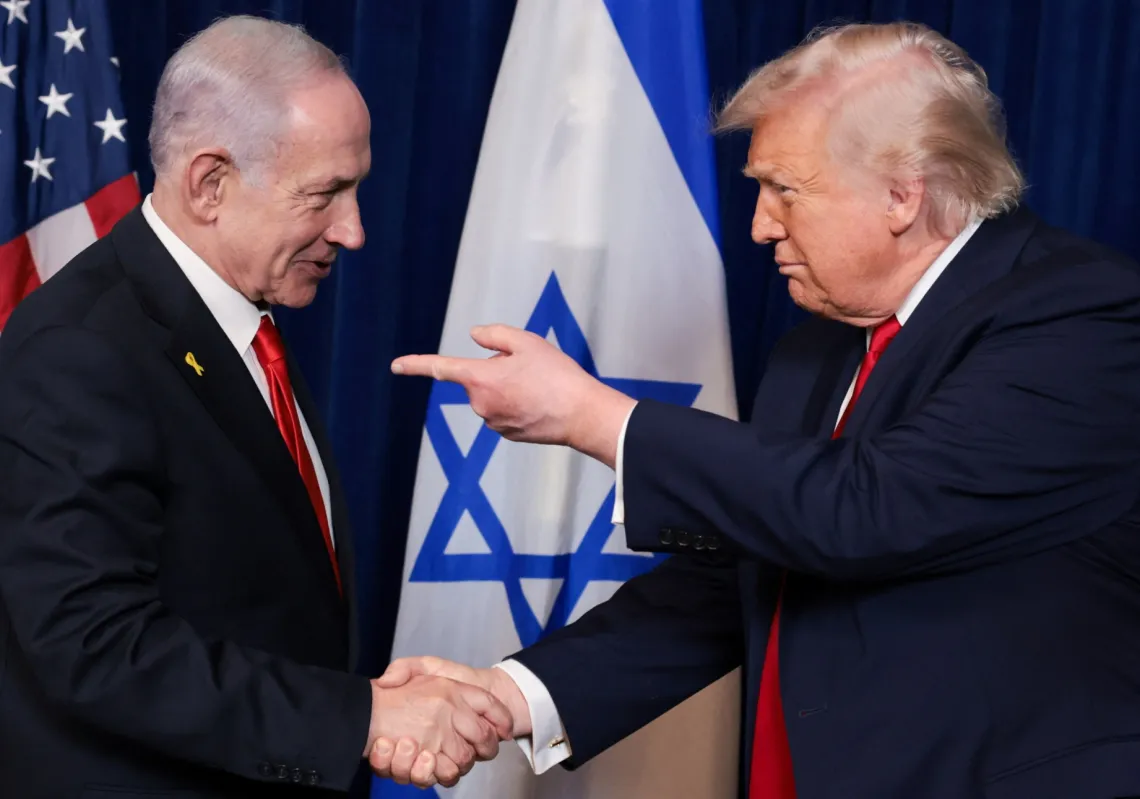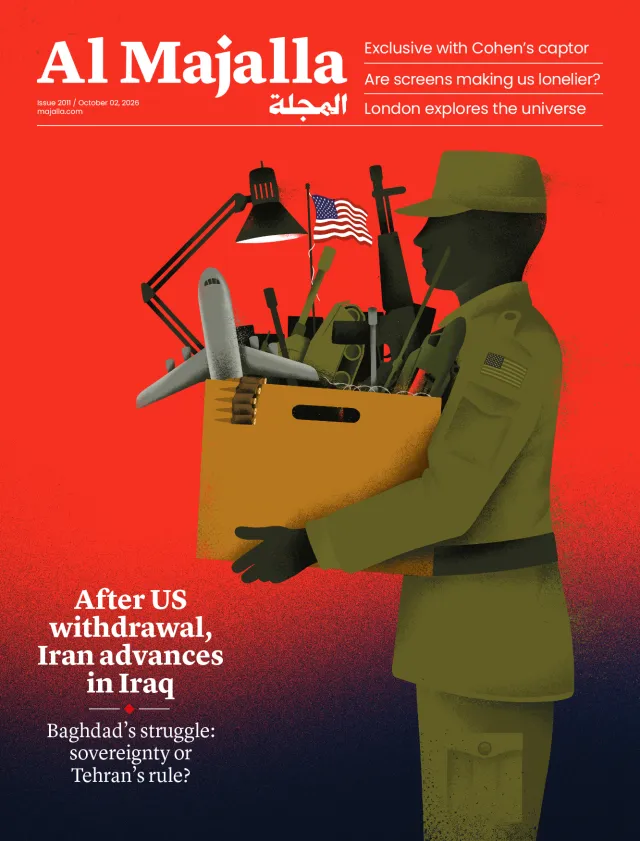
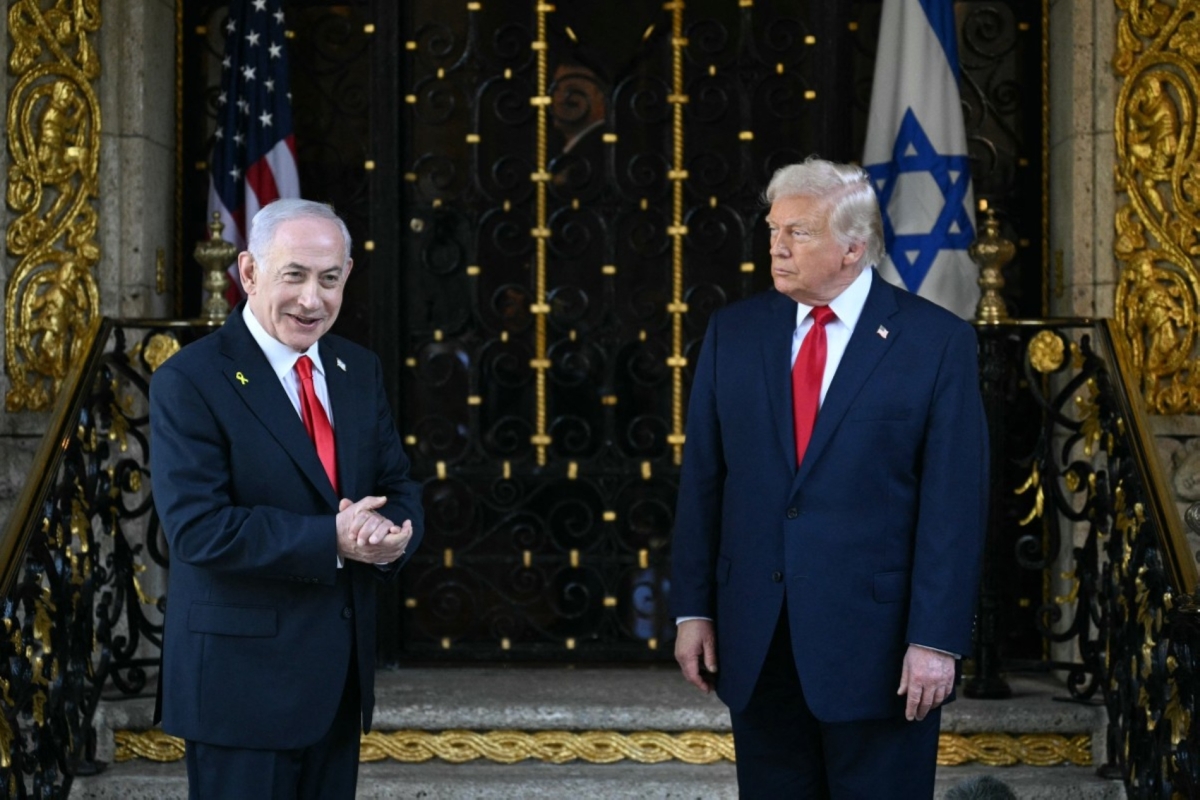

The meeting in Florida at the end of December between US President Donald Trump and Israeli Prime Minister Benjamin Netanyahu carried none of the crucial significance of their last meeting three months ago, when Trump pressed Netanyahu to agree to a ceasefire plan for Gaza after two years of war.
That meeting, at the end of September, ended with Netanyahu approving Trump’s 20-point plan. This week’s get-together laid down no broad principles for a new regional chapter. Instead, it largely reiterated previous positions, especially on Syria and Türkiye, and to a lesser extent on Gaza, while updating others, most notably Iran’s nuclear and missile programmes.
Their Florida meeting remained within the familiar framework of US-Israeli exchanges, in a partnership that does not appear to have been put under any serious strain in light of events, notably Israel’s war on Gaza and the regional reverberations it has generated over the past two years. Still, Trump and Netanyahu are understood to read developments in the region differently, not least because their national interests sometimes differ, so analysts watch for signs of a rift between them.
Interests and approaches
The issue of ‘American guardianship’ over Israel is a live debate in Tel Aviv. Likewise, influential voices around Trump and within the broader MAGA (Make America Great Again) movement question open-ended American backing for Israel, citing the risk that Israel could drag the US into another Middle East war. Still, there were no outward, public signs of a rift in Florida, and while the relationship between the two men appears undiminished, the US-Israeli relationship will continue to be scrutinised.
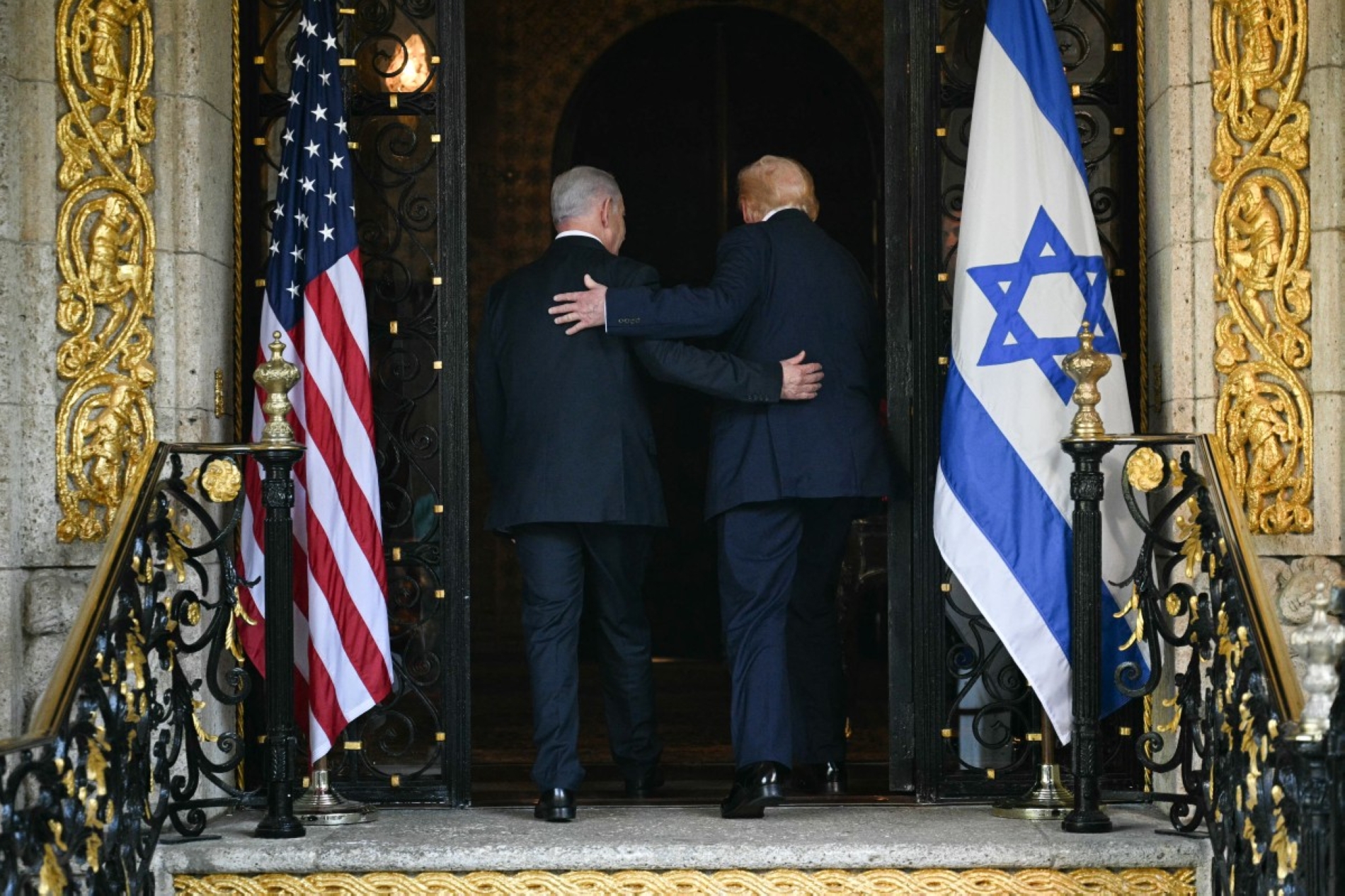
Trump and Netanyahu take different approaches to issues such as Gaza, Syria, Türkiye, Lebanon, and to a lesser degree, Iran. Questions about Netanyahu’s continued tenure have been raised by America’s regional allies, including Jordan’s King Abdullah II, but frustrations have not yet reached a point that would push Trump to reconsider his support for the veteran Israeli leader, nor does Netanyahu’s premiership seem to hinder Washington’s regional strategy.
For now, at least, the idea of replacing Netanyahu appears to be on the back burner (were that ever to change, it may come down to the ability of regional actors to manoeuvre and apply pressure in Washington). In Florida, Trump praised Netanyahu, saying Israel was 100% committed to the ceasefire agreement, while casting doubt on the commitment of others.
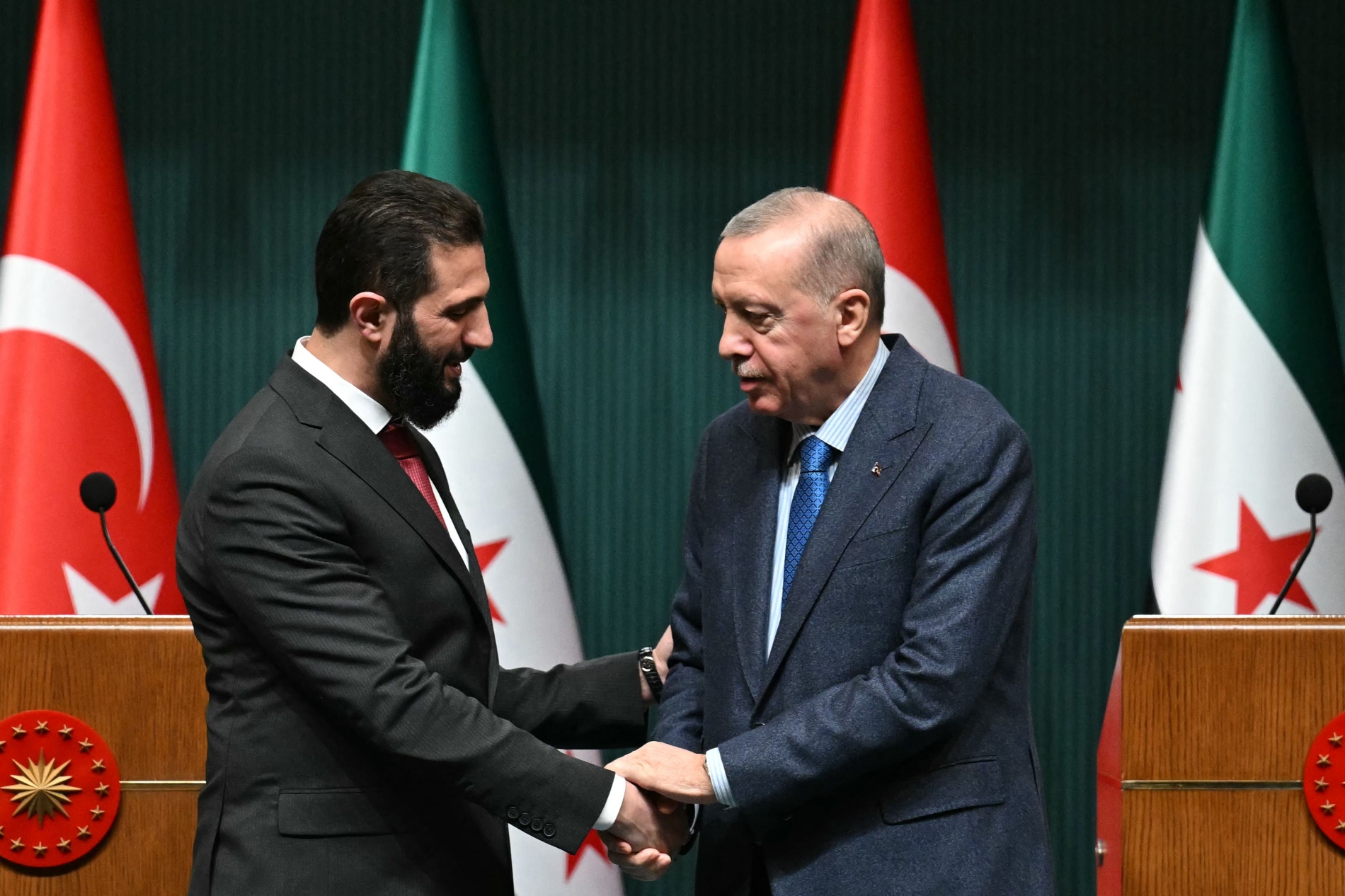
Trump also commended Türkiye’s role—and that of President Recep Tayyip Erdoğan in particular—in the overthrow of former Syrian president Bashar al-Assad. He even seemed to endorse Turkish involvement in Gaza, despite Tel Aviv and Ankara being at loggerheads over issues like Syria and the Horn of Africa. This left analysts asking where Trump stands on regional allies who may not themselves see eye-to-eye.
Agreement and oscillation
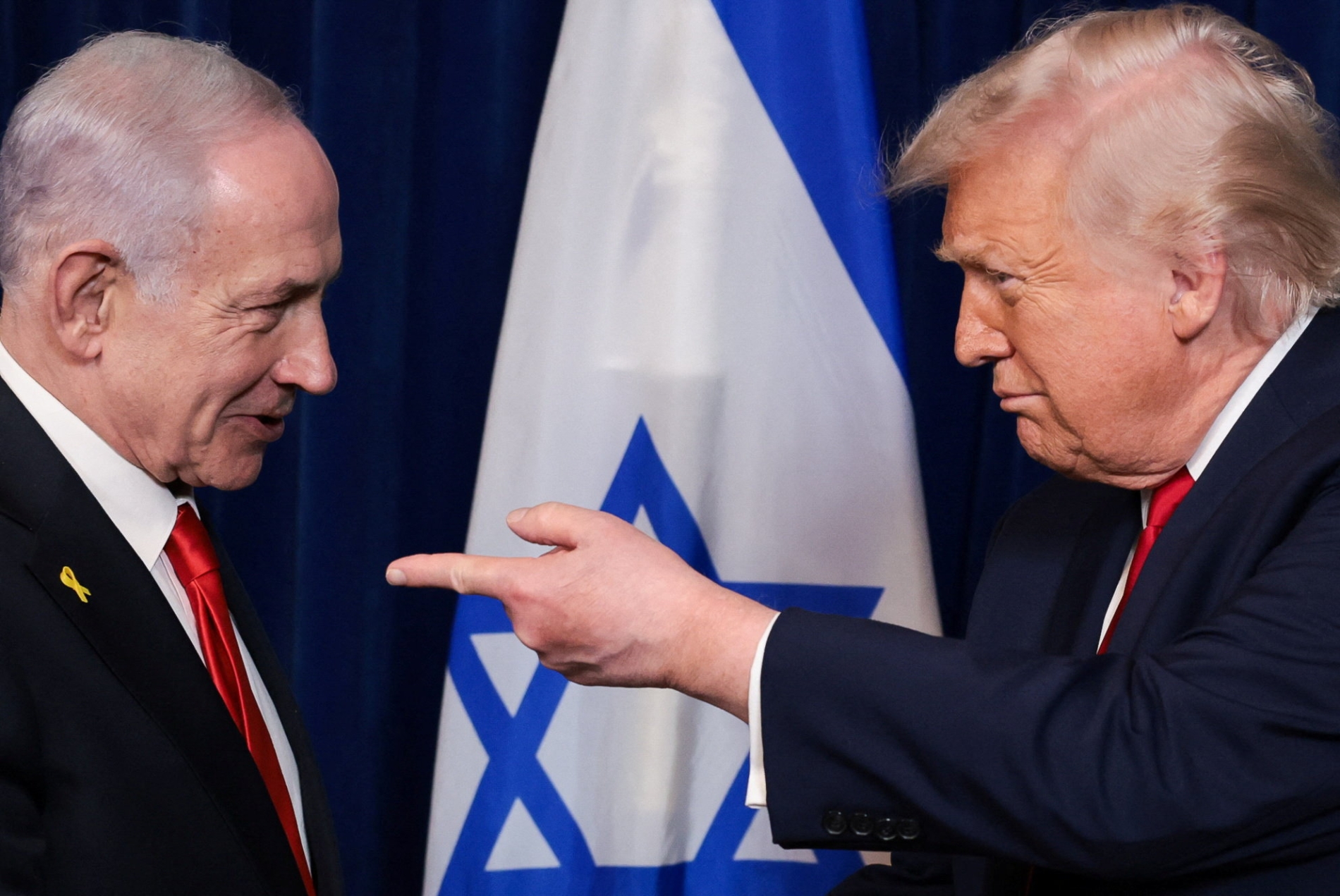
In Florida, if there was an issue on which Netanyahu and Trump were most tightly aligned, it was probably Iran. This was underscored by Trump’s threat of fresh strikes on Iran if it were to rebuild its nuclear capabilities. On Iran’s missile programme, however, Trump seemed to think this was less urgent than its nuclear enrichment goals (which—in private—Netanyahu may not necessarily agree with).
Trump's oscillation between threats and the prospect of a deal with Iran reflects the ongoing ambiguity in Washington's approach. Trump is proud of what he sees as his 'achievements' against Iran, but it was revealing that he linked the American strikes he ordered on Iran to the concept of peace in the Middle East, a recurring theme in his rhetoric. Some think this is more about Trump's personal ambition to be awarded the Nobel Peace Prize than it is a US policy goal.
On that theme, Trump continues to emphasise the importance of ending the war in Gaza, showing no appetite for resuming hostilities. Despite that, he does not publicly oppose ongoing Israeli bombing, provided it does not jeopardise the ceasefire agreement and the transition to the second phase. Here, there may be some divergence between Washington and Tel Aviv, with Trump stating that reconstruction will begin soon and is not conditional on Hamas's complete disarmament.