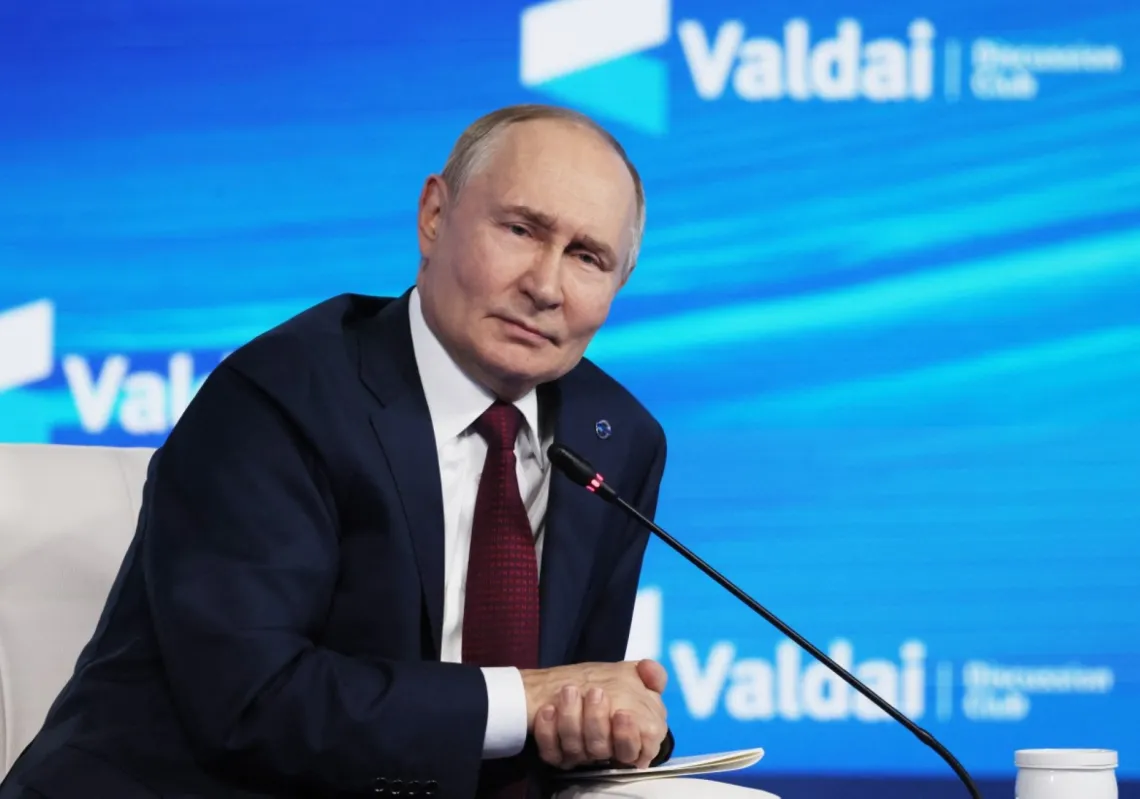
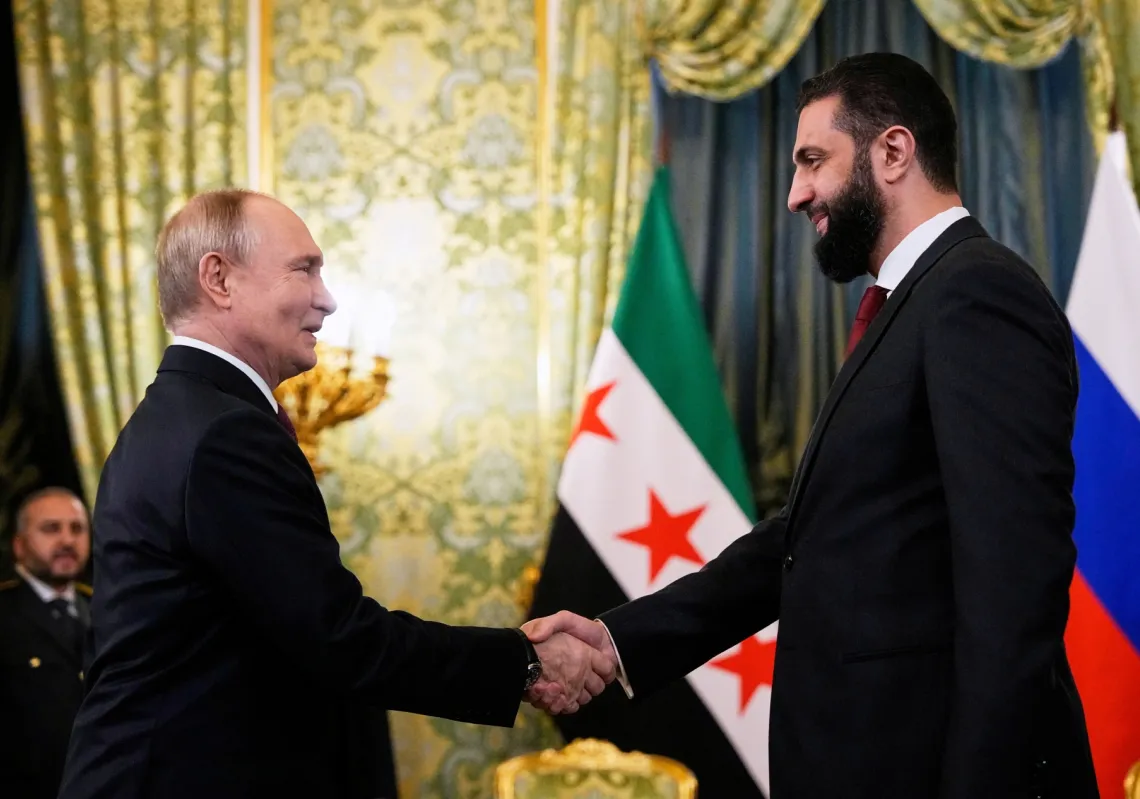
Some predict partition, others federalism or fragmentation. Amidst the competing interests of Arab states, Russia, the US, Israel, Iran, Türkiye, and Europe, Syria treads its own path
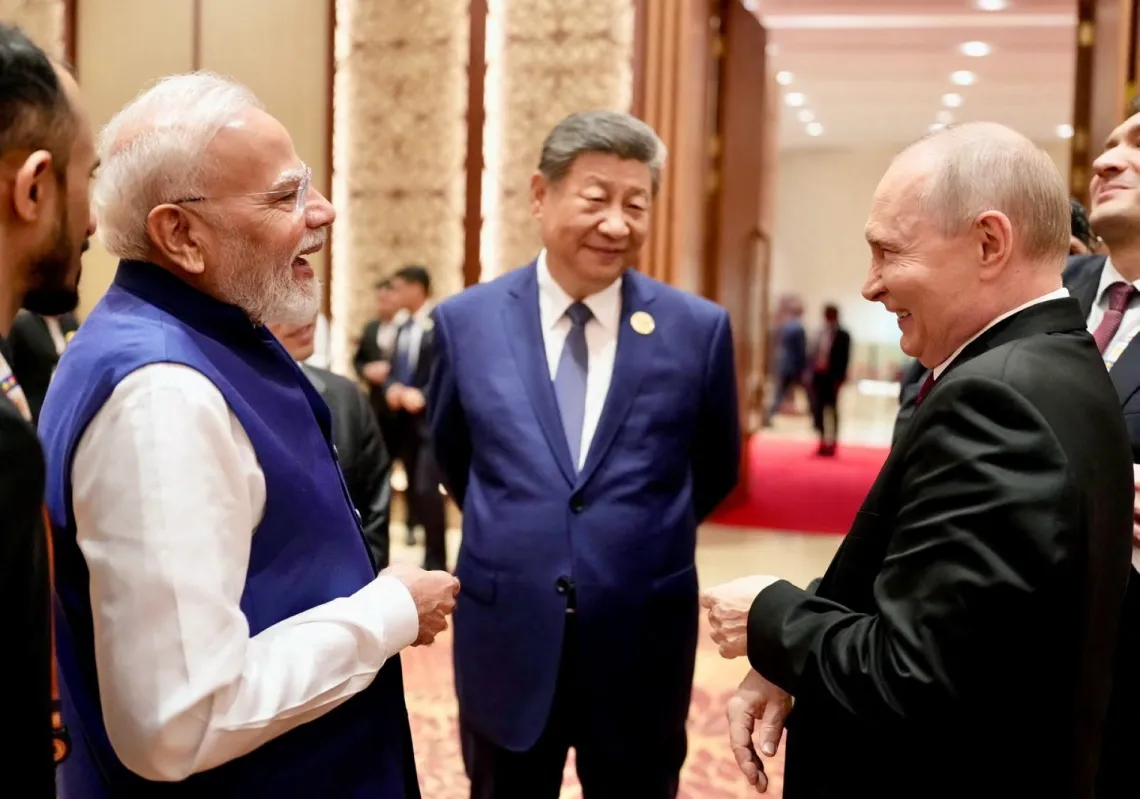
While some indicators are positive, others are troubling. The arrival of Donald Trump in the White House has given the Kremlin a political boost, and lifting sanctions will help, but it is no panacea.
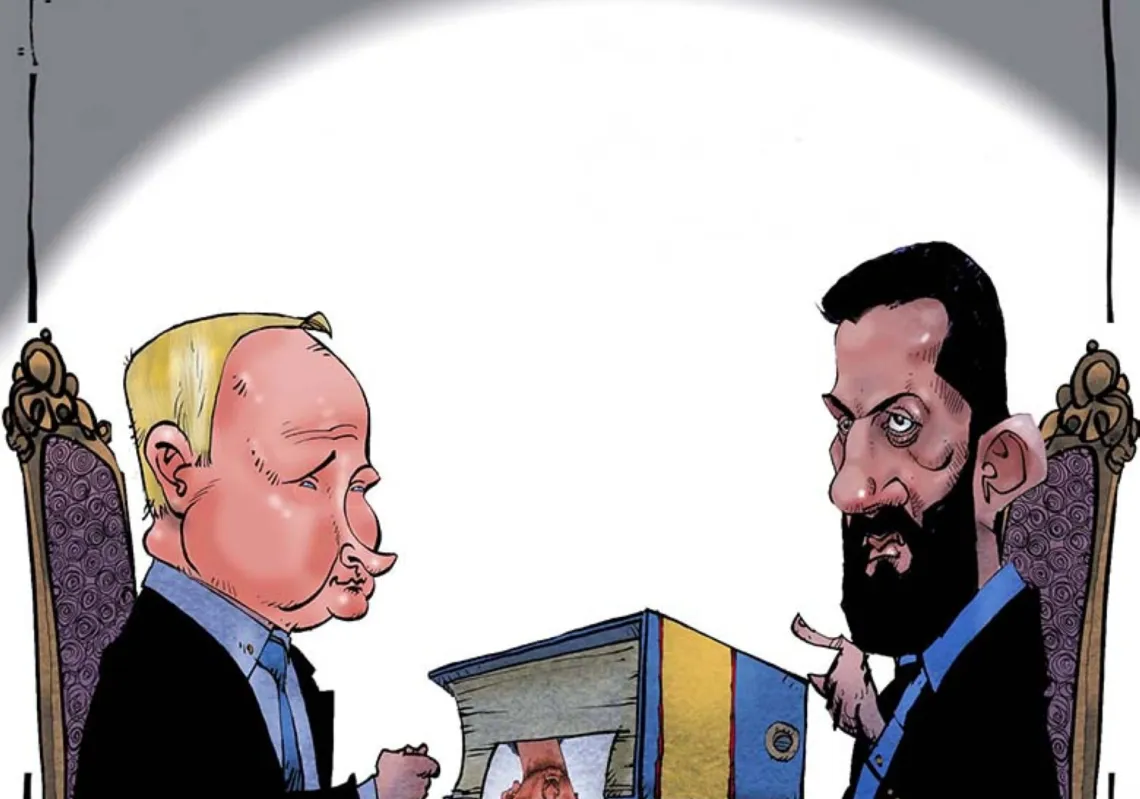
Moscow's much smaller neighbours have been looking elsewhere for energy, trade, investment, and security. That is not in Russia's plans, but Putin knows the new US president is unlikely to help them.
With diplomatic channels open with the three major power centres—the US, Russia, and China—Saudi Arabia continues to navigate a delicate balance between economic pragmatism and security imperatives
A sudden ditching of US support for Ukraine and a more understanding approach to Russia, has sent shudders through Europe and pricked ears in Beijing. As the war looks set to end, what next?
Trump wants to end the war, seemingly in Russia's favour. Macron warns over striking a 'weak' deal, a message Starmer will likely echo during his visit. Meanwhile, EU leaders will convene next week.
Europe continues to reel from a series of shocks dealt by the 'America First' administration of Donald Trump. The fate of Ukraine and Europe's security architecture hangs in the balance.
In just a few short weeks, the US president has rolled out the diplomatic red carpet to Moscow and dumped Ukraine and Brussels. Putin now knows he need not concede anything.
The Ukrainian president called for Europe to build an army, while Macron called an emergency meeting of European leaders in Paris on Monday to discuss a response to the Trump administration's tactics
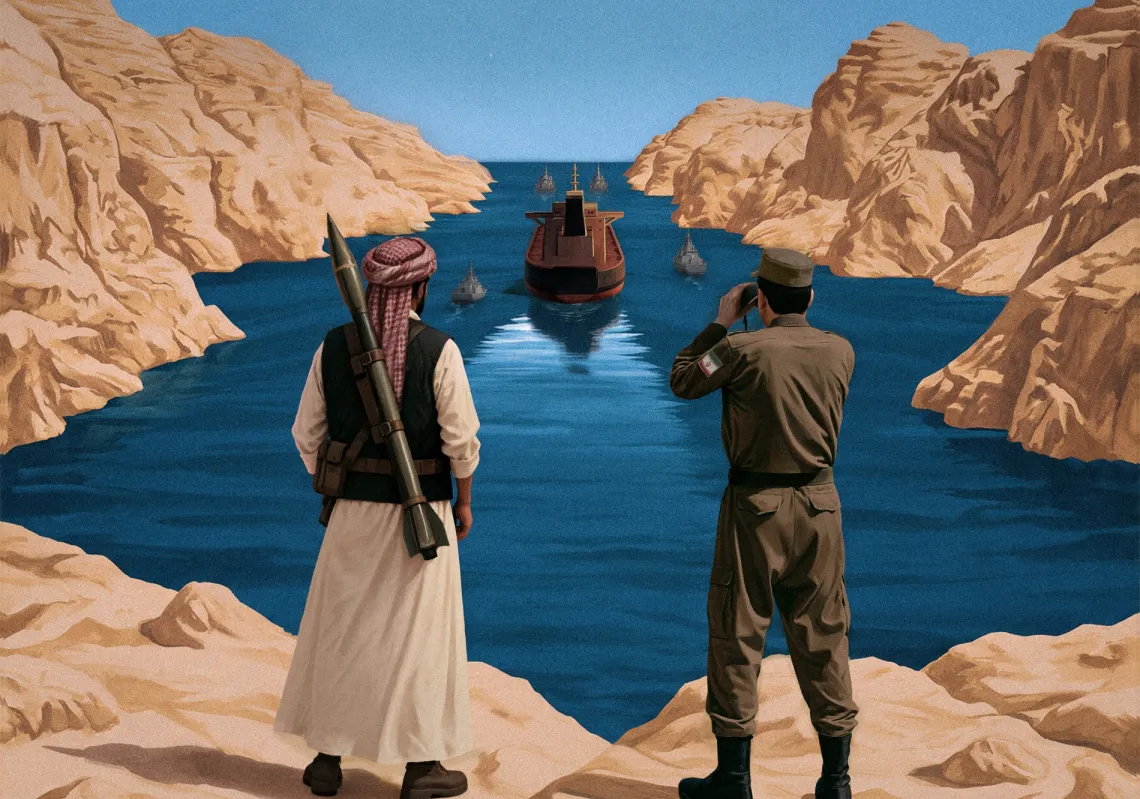
Disruption in the Hormuz can have major implications for global trade, but it also creates opportunities for smaller nations like Iran to become global political players
The Iraq war was viewed as disastrous in retrospect, while the Iran war was unpopular from the get-go. Al Majalla highlights the similarities and differences between the two.
Pipelines have a chequered history in the Middle East, but the closure of the Strait of Hormuz has led US Tom Barrack to conclude that a new route through Syria could solve some problems.