
War is driving demand for munitions, and the fibres from cotton seeds are used to produce artillery shells. With only a few producers, demand is soaring.

Working with Israeli, Turkish, and US firms, Rabat is also aiming to build its own domestic defence-industrial capacity using its expertise in aerospace manufacturing
After the US-Iran war drastically depleted American munitions, there is a scramble to restock, prompting several companies in both the US and Europe to change tack to meet the growing demand
Thirteen years of war have decimated the sector. Only with sustained government support can the industry get back on its feet and contribute to the country's economic recovery.
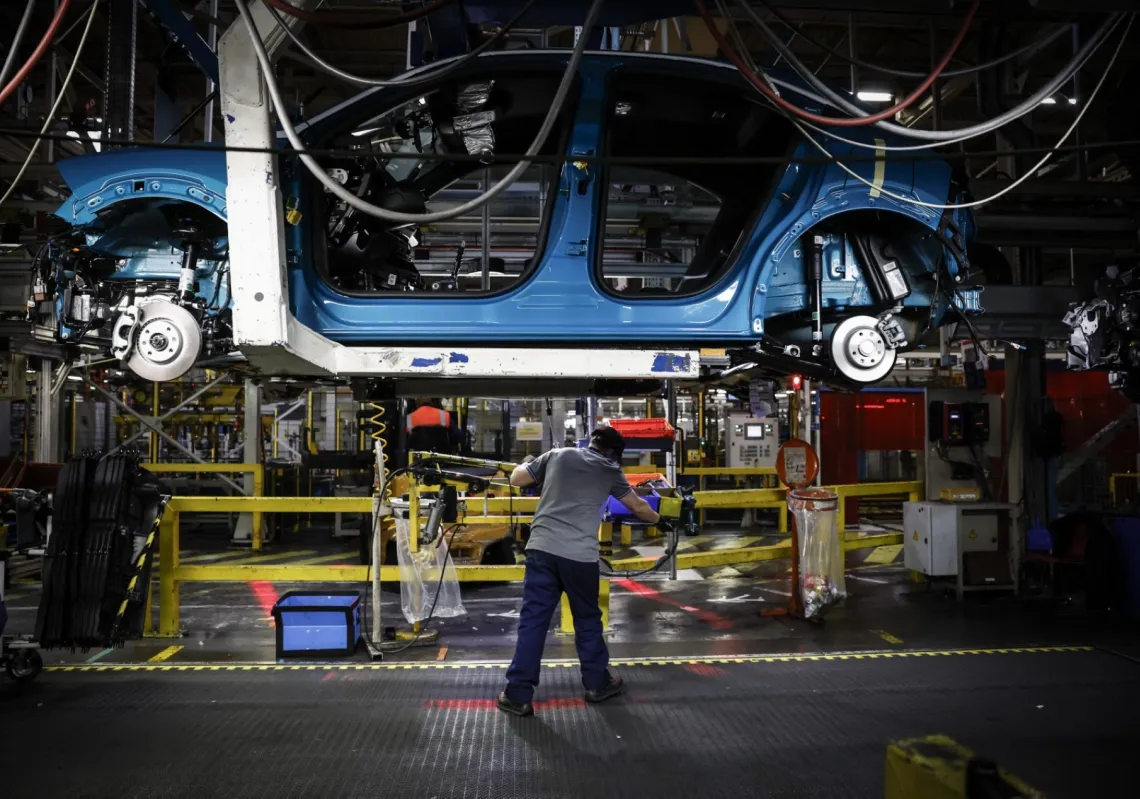
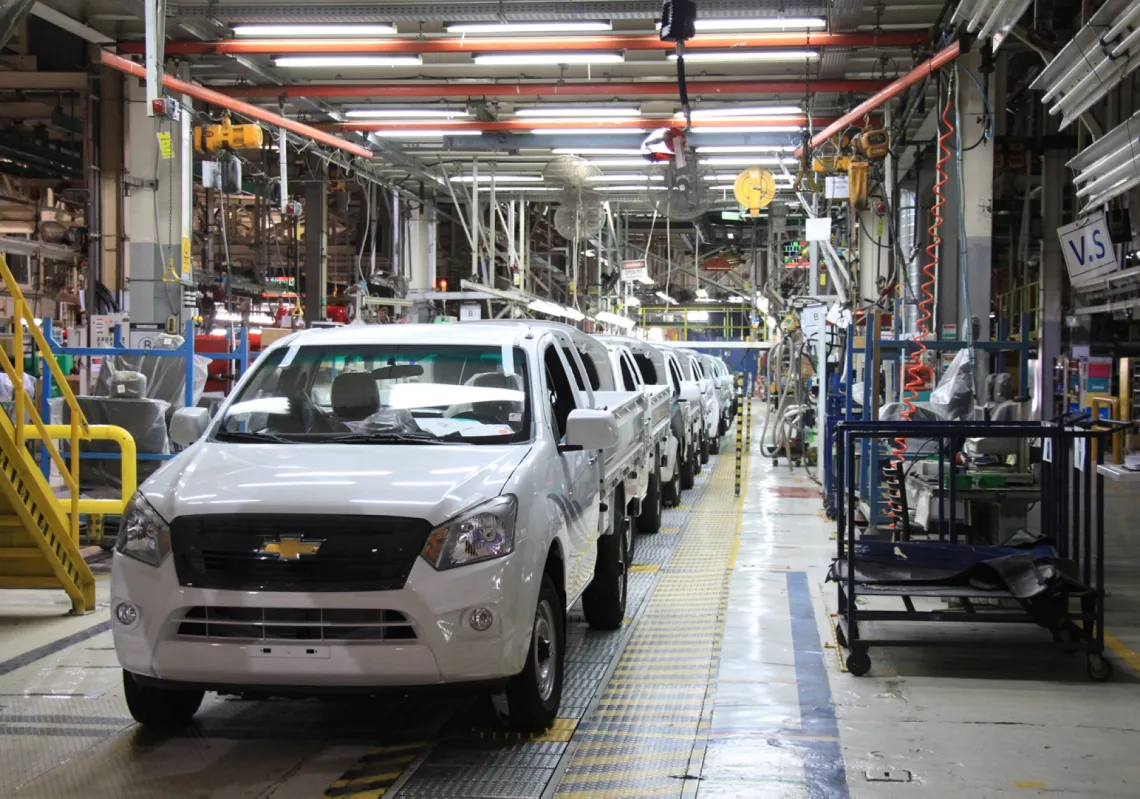
Despite ambitious plans and government support, the sector still lacks the necessary infrastructure and capital to become an export hub that supplies high-quality vehicles abroad
Industrial production witnessed a significant decline in all countries at the onset of the COVID-19 pandemic. The recovery paths, however, varied remarkably. Production has soared in China, but it…
As the U.S. economy rebounds from the Covid-19 pandemic, employers are turning to greater use of automation, including robots, rather than calling back workers or hiring new ones in many cases.
…
Shaibani held several calls with the Mossad chief days before the strike, explaining why the airport's runway was being rehabilitated and that it had no hostile intentions, but Israel bombed it anyway
Ambassador Asim Iftikhar Ahmad speaks to Al Majalla about Islamabad's diplomatic role in the talks between the US and Iran, its balancing act between Tehran and Riyadh and the Mecca Pact
From Apple's chips to Nvidia's data centres, Israeli tech has embedded itself in the global tech ecosystem. This comes with grave national security implications.
Balancing the competing interests of regional and global stakeholders is no easy task. Can the president keep Syria from becoming an arena for regional conflict?