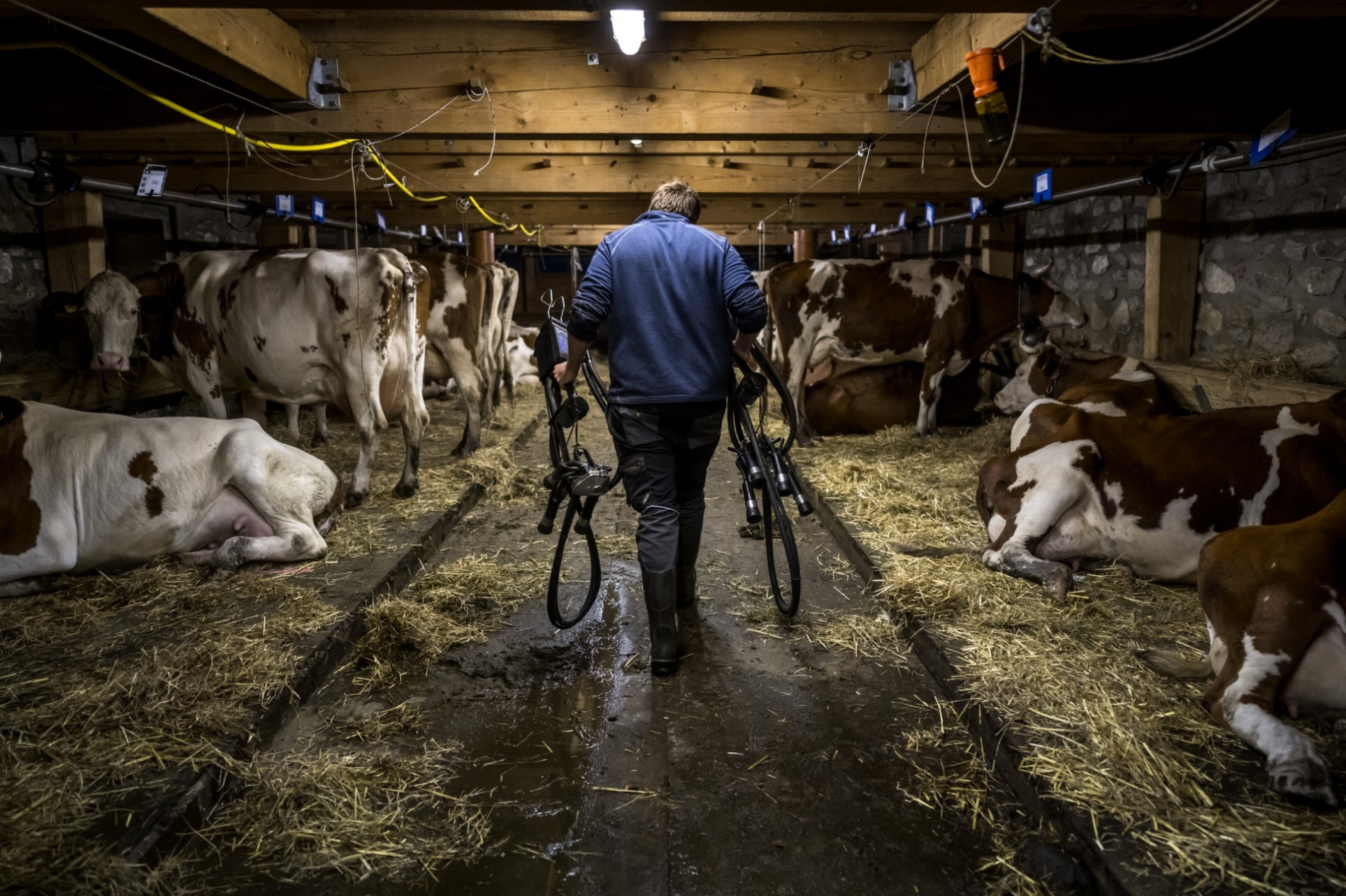

The connection between a heatwave sweeping across a cattle farm and cheese served months later may seem remote, but cheesemaking is a chain of interactions that begins long before milk reaches the factory.
The composition of the milk itself, from proteins and fats to acids, volatile compounds, and microbes, helps determine how it coagulates, how firmly the curd sets, which micro-organisms thrive during ripening, and which compounds ultimately develop to give the cheese its aroma and flavour. As the climate changes and heatwaves become more frequent, dairy scientists are trying to understand whether and how heat alters milk, and if so, how that then affects the cheese's flavour.
Proud history
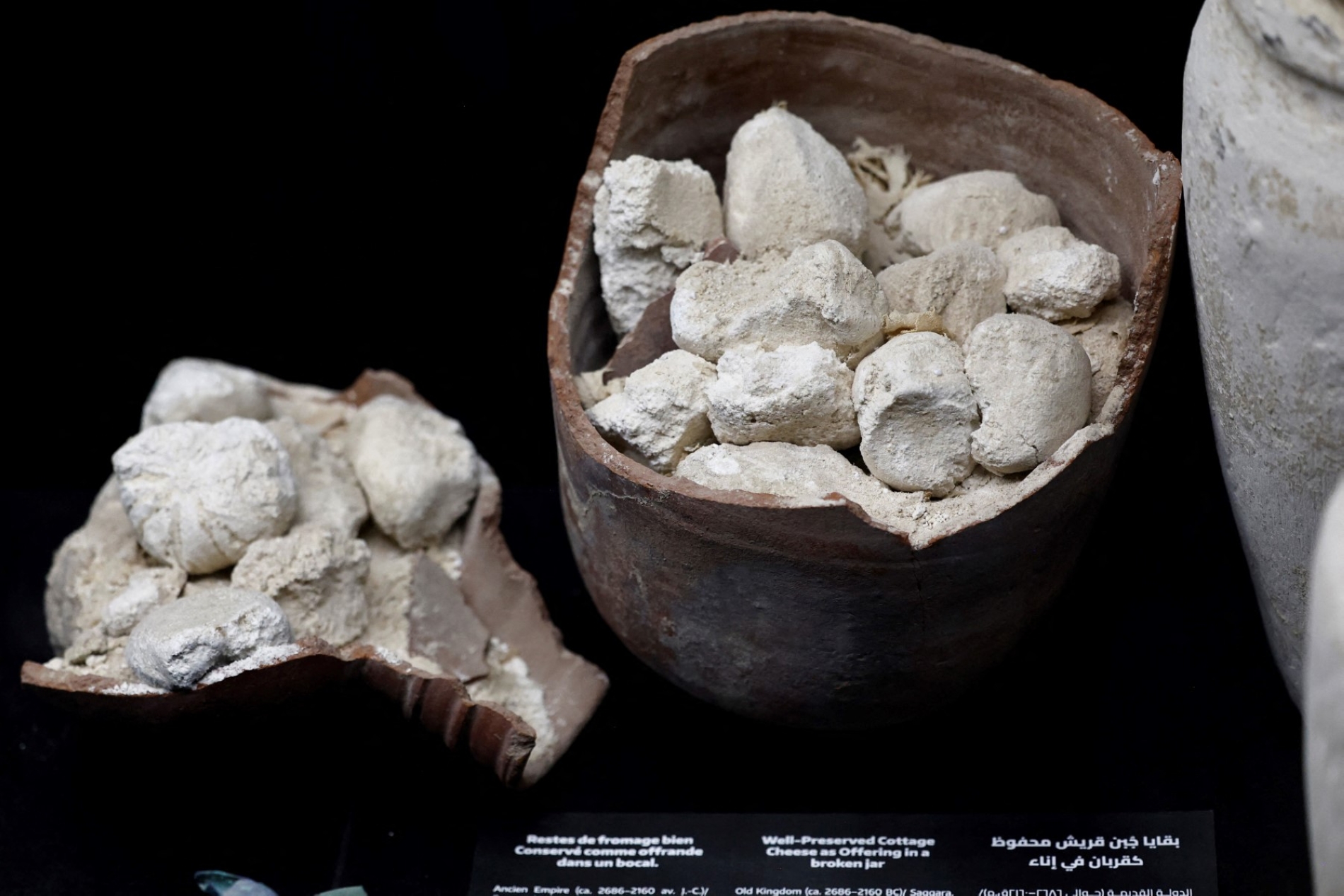
Archaeologists are not certain where the first cheese was made or who made it. The story goes that a herder once stored milk in a vessel made from an animal’s stomach and discovered by chance that enzymes in its lining separated the milk into curds and whey, but there is nothing to back this up. What is certain is that humans began processing milk thousands of years ago. In northern Europe, archaeologists have uncovered perforated pottery vessels around 8,000 years old. Chemical analysis of fats preserved in them revealed traces of dairy products.
This suggests that they were vessels used to separate fat-rich curds from lactose-rich whey. The process bears a striking resemblance to a fundamental stage of modern cheesemaking. Cheese therefore seems less an invention born at a single moment than an outcome of a long process through which humans learned to exploit milk’s natural capacity for transformation: bacteria can feed on its sugars, proteins can bind into a solid network, and much of its water can be removed.
Over time, enzymes and micro-organisms can transform an almost odourless white liquid into products that differ radically in texture and taste, from mild fresh cheeses ready within hours to hard varieties matured for years. The history of cheese is therefore also an early chapter in humanity’s mastery of chemistry and microbes, long before either could be named or scientifically understood.
For all the extraordinary diversity of cheese, its production rests on a broadly similar sequence of steps: milk proteins are coagulated, some of the water and whey are removed, salt is added in varying quantities, and certain varieties are then allowed to mature for differing periods. Casein, the principal protein in cow’s milk, plays a central role in forming the curd.
Delicate process
Cheesemakers use rennet (enzymes used to curdle cheese), acid, or a combination of the two to destabilise casein proteins and encourage them to bind together. The resulting mass gradually develops into a highly complex environment shaped by moisture, salinity, acidity, temperature, and the composition of fats and proteins. Yet cheesemaking depends on more than chemistry.
The ‘starter cultures’ added to milk usually contain lactic acid bacteria, which consume lactose and convert it into lactic acid. This lowers the pH and helps create the conditions required for coagulation. Once the curd forms, the process becomes more complex. Some starter bacteria gradually decline, and some of their cells break down, releasing enzymes and nutrients. Other non-starter bacteria multiply. During ripening, these bacterial populations can reach around 100 million culturable cells per gram. A piece of cheese is therefore more akin to a microscopic ecosystem.
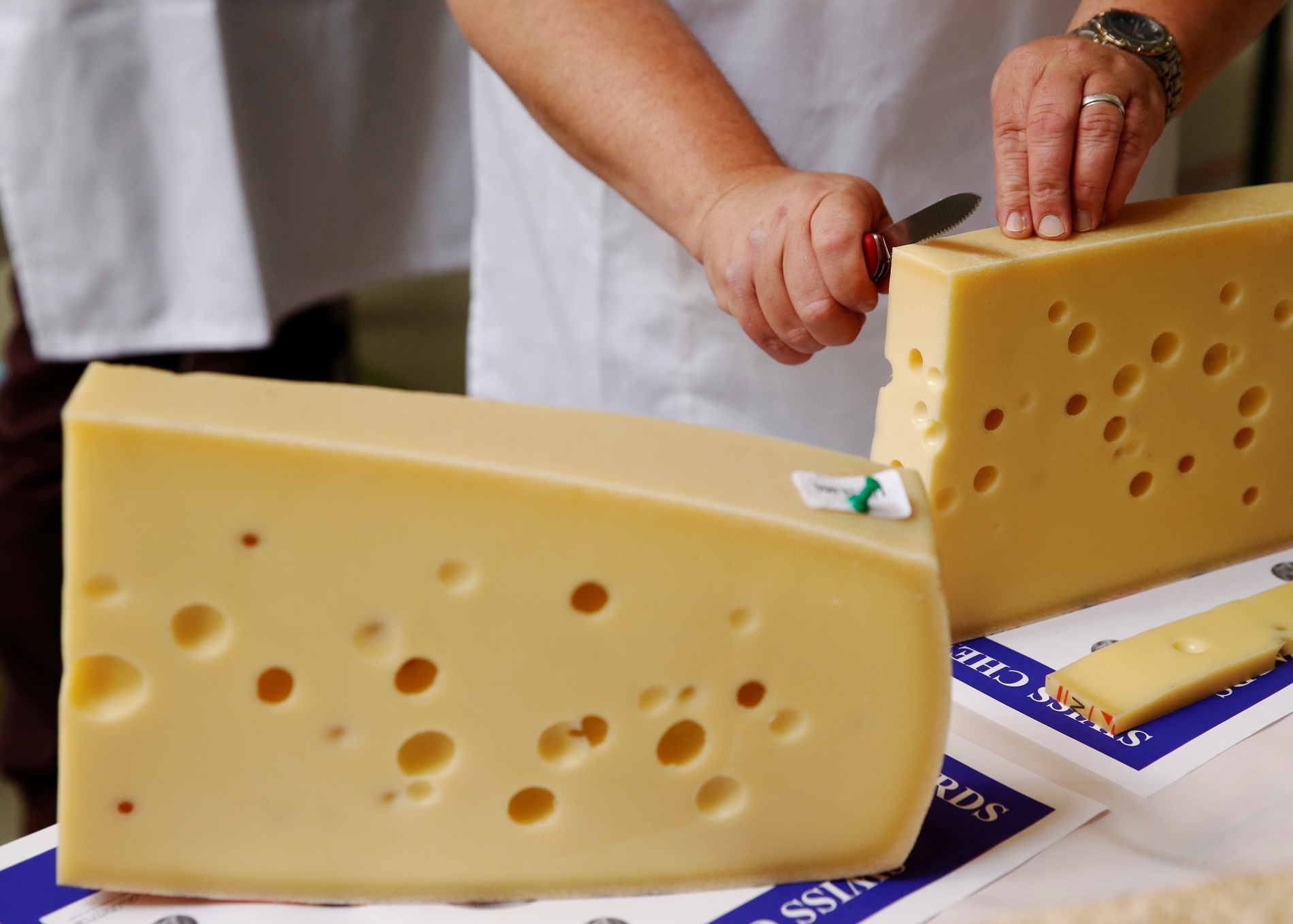
Swiss cheese offers a familiar example of this microbial cooperation. In varieties such as Emmental, propionibacterium freudenreichii (the main bacteria used in Swiss cheese production) becomes active during ripening and uses the lactate produced by lactic acid bacteria to generate propionic and acetic acids, both of which contribute to the distinctive flavour of these cheeses. Carbon dioxide is released as well. It accumulates within the cheese and forms bubbles that expand into the famous holes. Both the holes and the flavour come from the metabolic activity of the same micro-organisms, which helps explain why even subtle changes in the cheese's chemical environment can eventually affect its final characteristics.
This intricate journey begins with an animal highly sensitive to heat. High-yielding cows, particularly Holsteins, generate considerable metabolic heat and can find it increasingly difficult to dissipate when air temperature and humidity rise together. Their breathing rate and body temperature increase, feed intake may fall, and hormonal and metabolic changes follow, geared primarily towards protecting the animal and maintaining a stable body temperature rather than producing milk ideally suited to cheesemaking.
The effects of biology
The consequences extend beyond the number of litres produced. The quantity and composition of protein, certain fats, and metabolites in the milk may also change. A meta-analysis published in the Journal of Dairy Science reinforces these concerns. It pooled data from 31 studies comprising 34 experiments and found that heat stress reduced dry-matter intake, energy-corrected milk production, and milk protein concentration.
More importantly, the scale of the effect was linked to the temperature-humidity index, although it varied according to the stage of lactation and the characteristics of the animals. These findings matter to cheesemakers because protein, and casein in particular, is far more than a nutritional component; it forms the structural foundation of the curd itself. Changes that begin inside the udder may find their way into the vat.
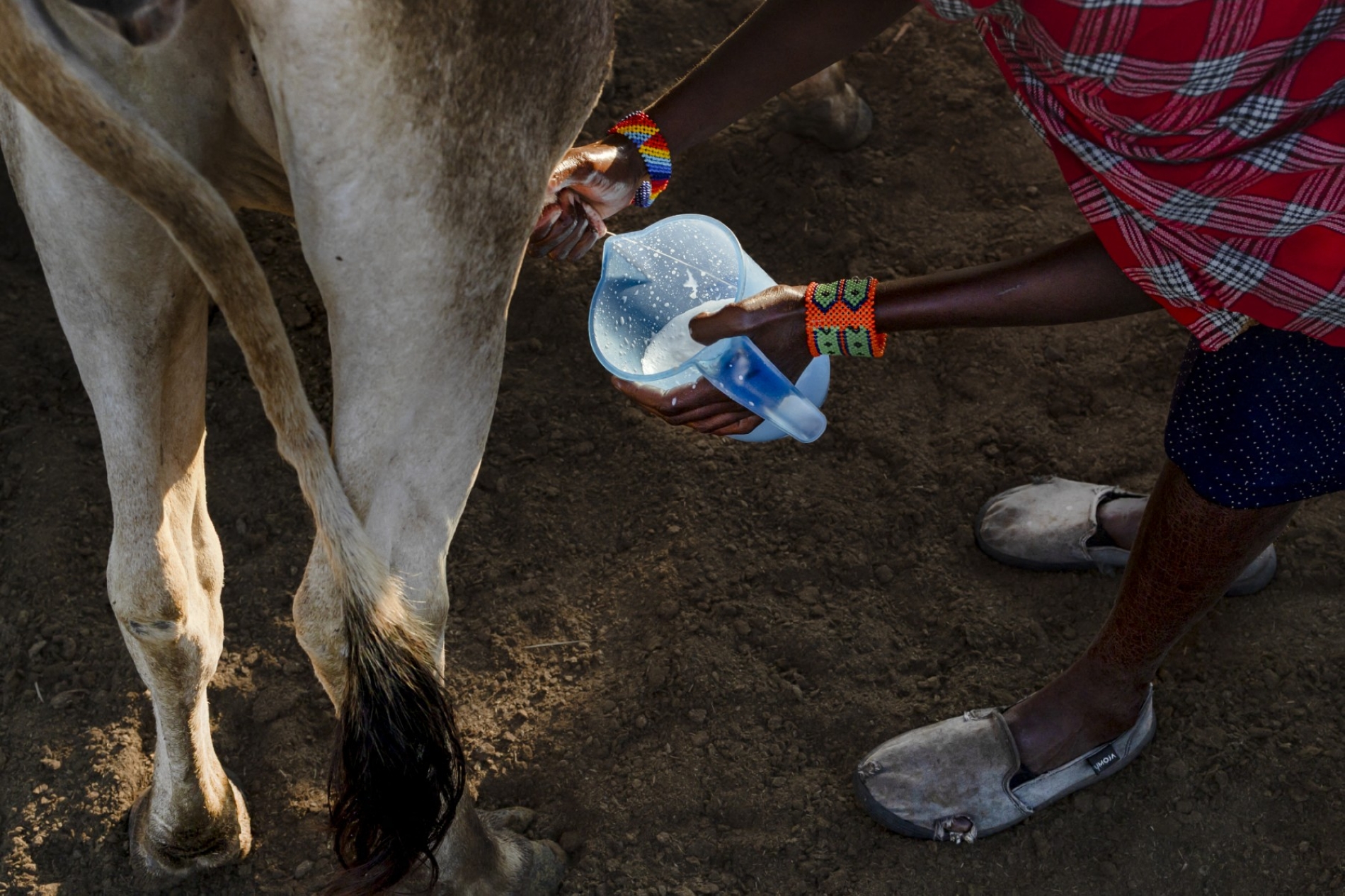
A study published in Food Chemistry last year offered a more detailed picture of what heat stress may be doing inside the milk itself. Researchers examined 24 healthy Holstein cows on a commercial farm in Beijing, all at broadly similar stages of lactation and in their second parity.
Researchers collected samples from 12 cows in mid-April, when the temperature-humidity index was below 68, and again in July, after at least seven consecutive days when the index exceeded 78. Examining lipids, metabolites, the microbiome, and volatile compounds, the researchers set out to determine whether heat leaves a measurable 'fingerprint' in milk. The fingerprint was extensive.
Antioxidant capacity declined, while several components of the milk fat changed, including reductions in unsaturated fatty acids and polar lipids. The bacterial community within the milk also shifted, with increases in some species associated with dairy spoilage. Most relevant to the question of flavour was the higher levels of volatile compounds that can contribute to undesirable odours, while others associated with sweeter aromas declined.