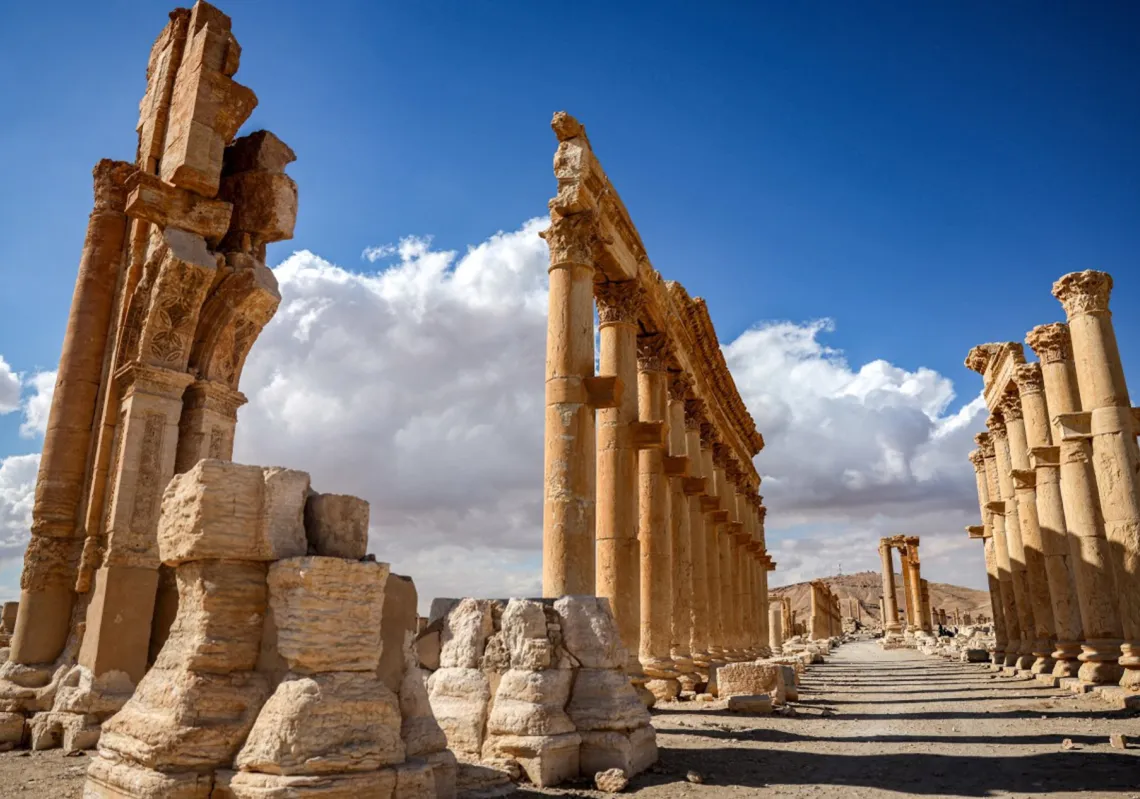
The second instalment of a two-part investigation into the unprecedented looting of Syria's archaeological sites, Al Majalla uncovers the destruction of a rich archaeological landscape
Weeks after his release, Abu Maria al-Qahtani has been assassinated. He was challenging Abu Mohammed al-Jolani within Hay'at Tahrir al-Sham (HTS). Now al-Jolani has a clear road ahead.
A huge belt of land dividing the dry Sahara from the tropical savannah has become a playground for mercenaries. An absence of state security, poverty, and a lack of education create the perfect storm.
Al Majalla journalists take a comprehensive look, six years following the group's defeat, at what has changed and what threats remain as thousands of IS fighters and families linger in Syrian camps
Al Majalla takes an exclusive tour of the camp, speaking to both residents and administration officials on the lingering threats and how they are working to address these challenges
In the absence of any clear and strict conditionality within the regional re-engagement with al-Assad's regime, such groups have more grounds for optimism than concern about their future.
Multiple reconstruction projects underway across the city are being funded by the UN, EU, US, but the UN estimated it could take 10 years to clear Mosul of landmines and corpses lie under many streets
This is the third IS leader to have been killed in 14 months — placing the leadership of the worldwide jihadist movement under serious and unprecedented strain
The American CIA director's visit looks to be a desperate attempt by the Trump administration to avert a doomsday scenario in which NATO is pulled into a larger war with Russia
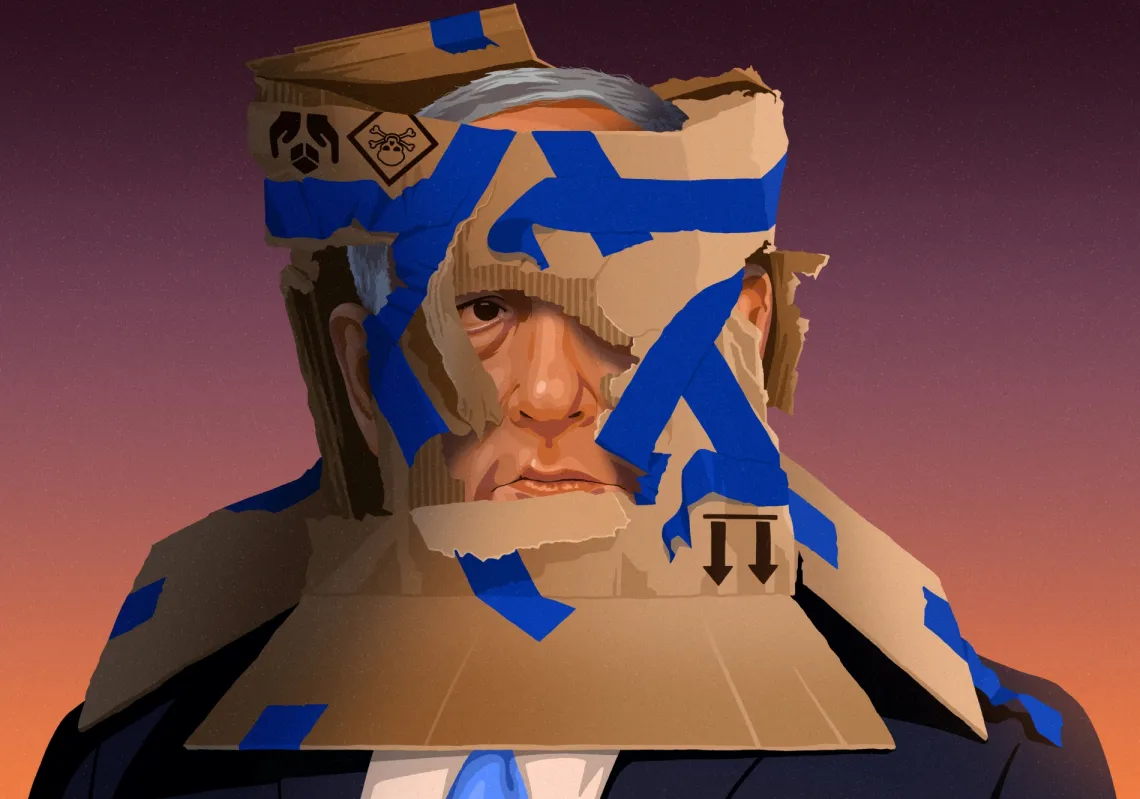
Al Majalla looks at his military career, political positions, possible paths to victory, and what a change in leadership could mean for Israel and the region after three years of war
As social media transforms how people seek medical advice, figures such as Barbara O'Neill offer something conventional medicine rarely can: absolute certainty
The Iran war exposed the risks of being too closely tied to US military posture, which is why some Gulf states are repositioning themselves not merely as consumers of security but as architects of it