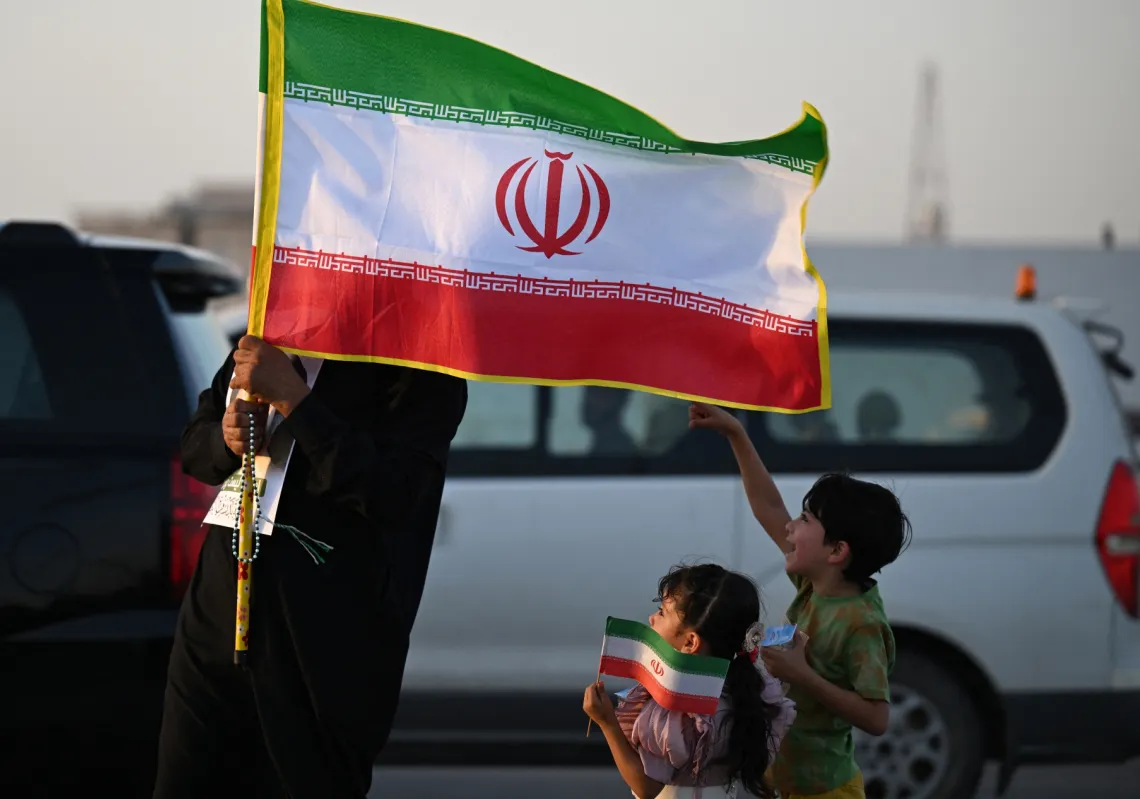
Baghdad wants good relations with Washington, but its ties with Tehran run deep. Under increased pressure, it may have to pick a side once and for all.
A pressure campaign by Washington to curb Tehran's influence over Baghdad seems to be yielding results, but any moves to disarm Iran-allied militias could stoke serious violence
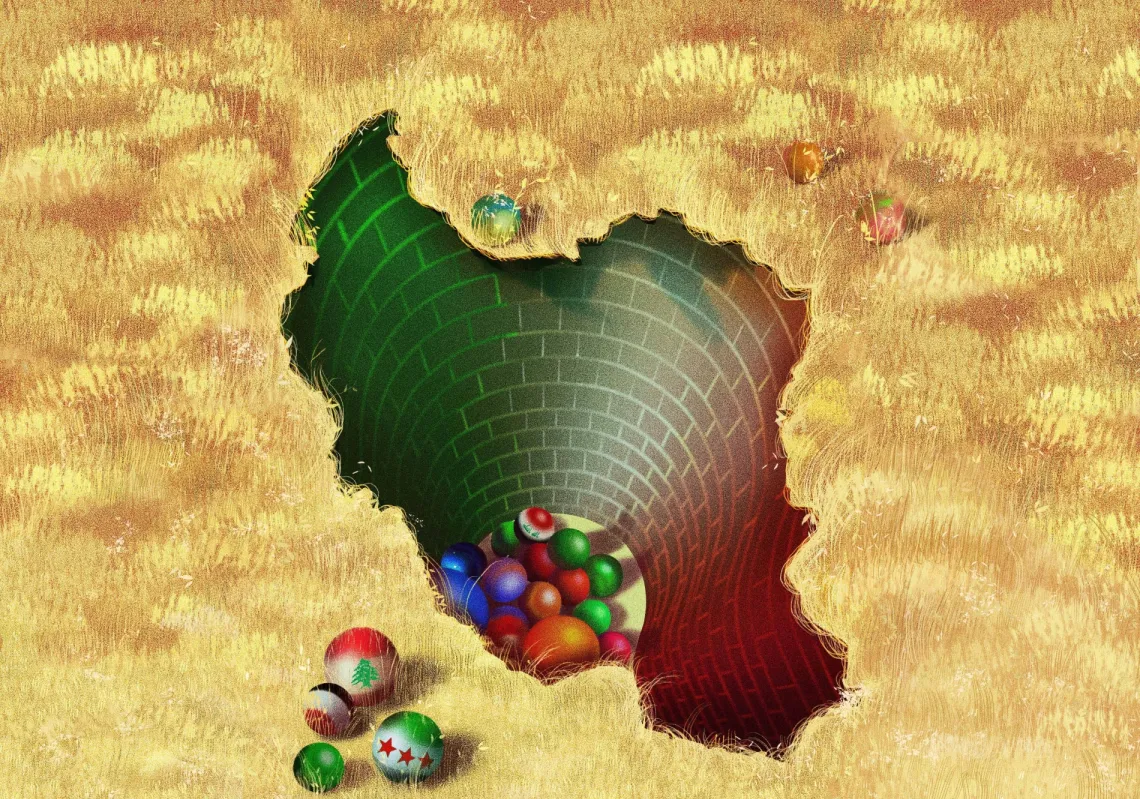
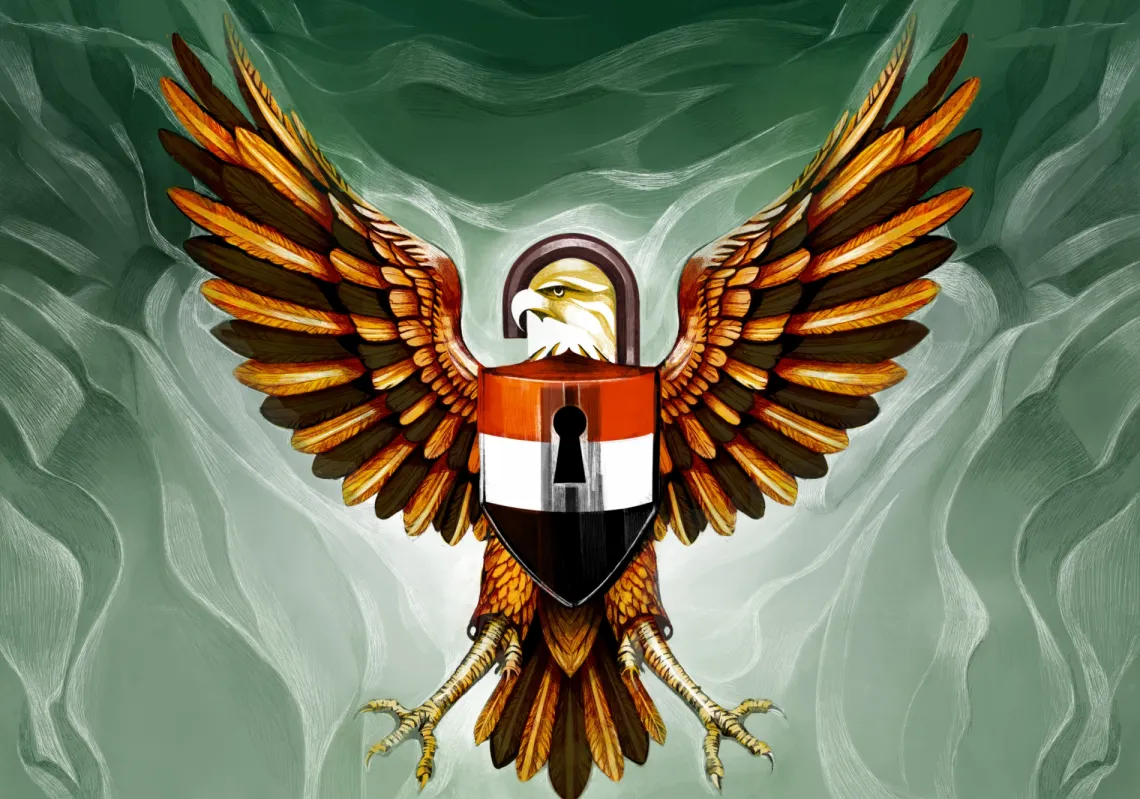
Washington's long-term strategy to unshackle Iraq from Iranian influence is yielding results. Having pulled a potent mix of financial and military levers, the militias have been eerily quiet of late.
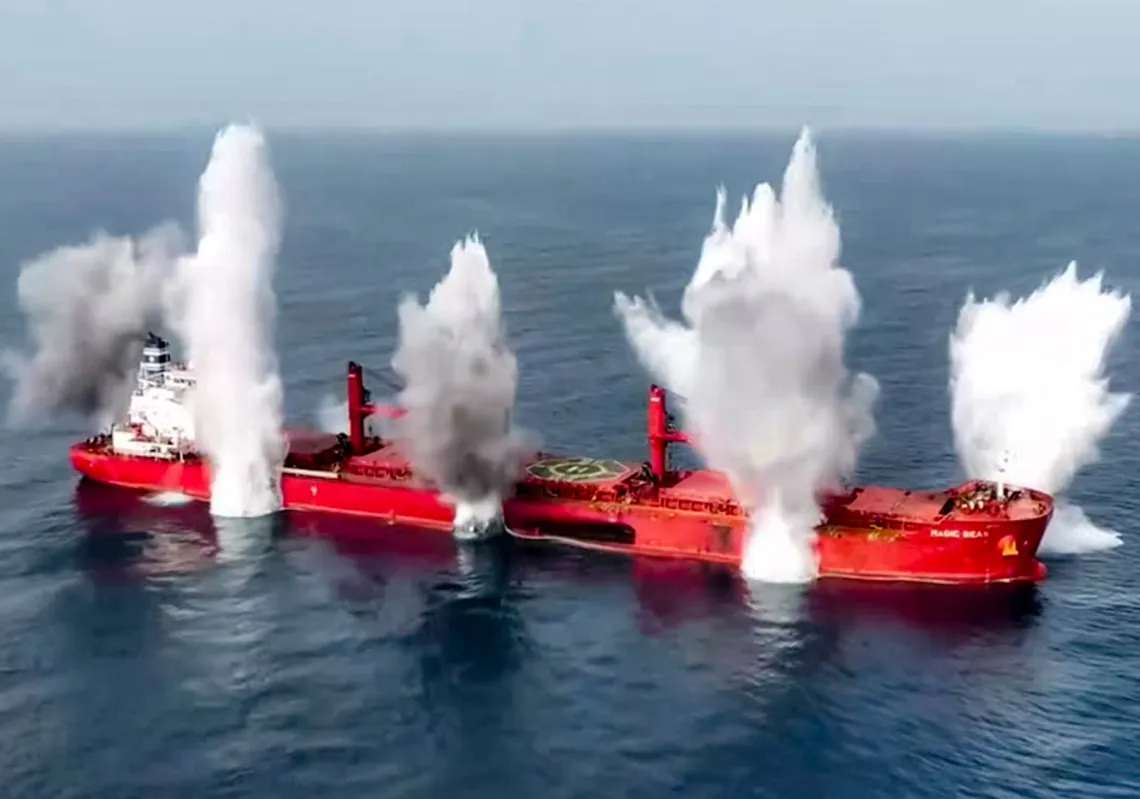
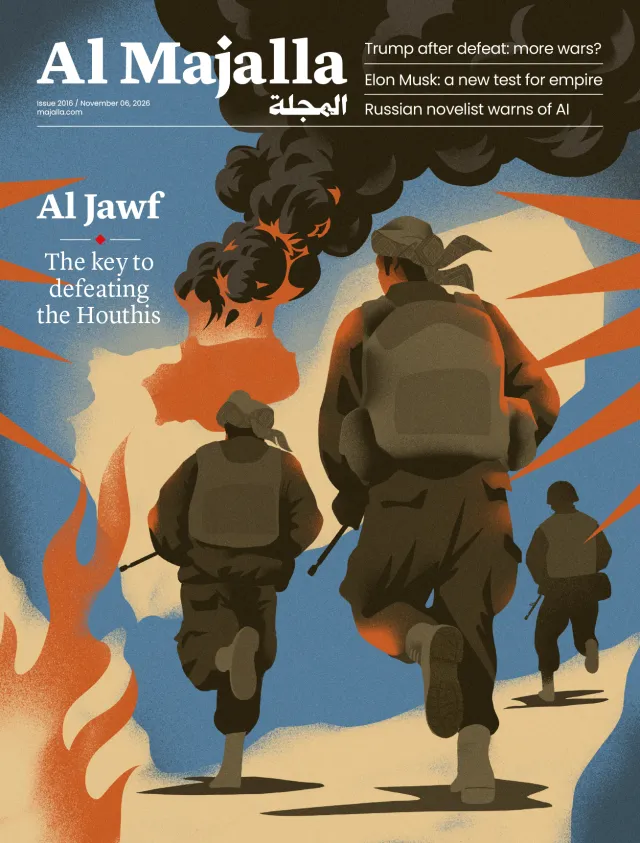
US President Donald Trump agreed a ceasefire in early May on the condition that the Houthis do not attack American ships. Good to their word, they are still attacking others, with no comeuppance.
Arming proxies and launching pre-emptive strikes was Iran's 'forward strategy' model since the devastating Iran-Iraq War of 1980-88. Then, from October 2023, Israel copied it. A recipe for disaster?
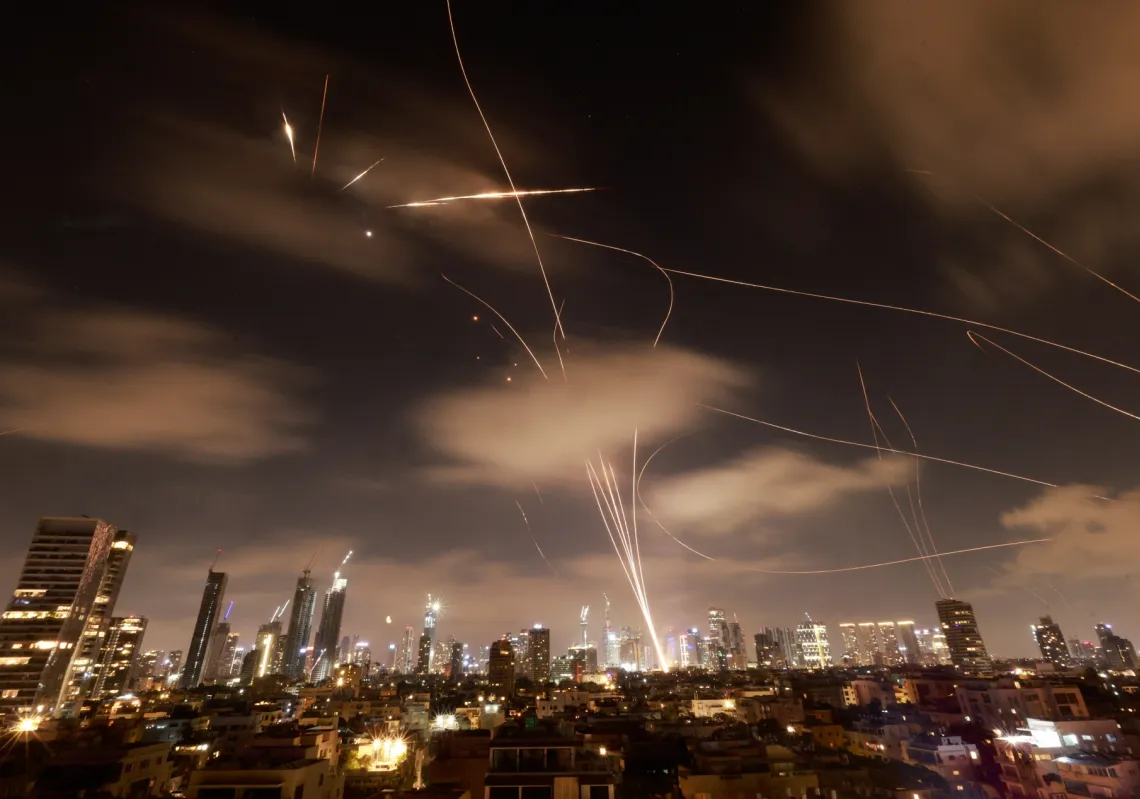
The gloves are off in cyberspace, with Israeli and Iranian actors increasingly targeting their adversaries' vulnerabilities since the 12-Day War last month. It is forcing a rethink of digital defence.
Ankara watched and learned from events in June 2025, as missiles flew between Tel Aviv and Tehran. The Middle East is changing, as is warfare and intelligence. For Türkiye, it is time to to act.
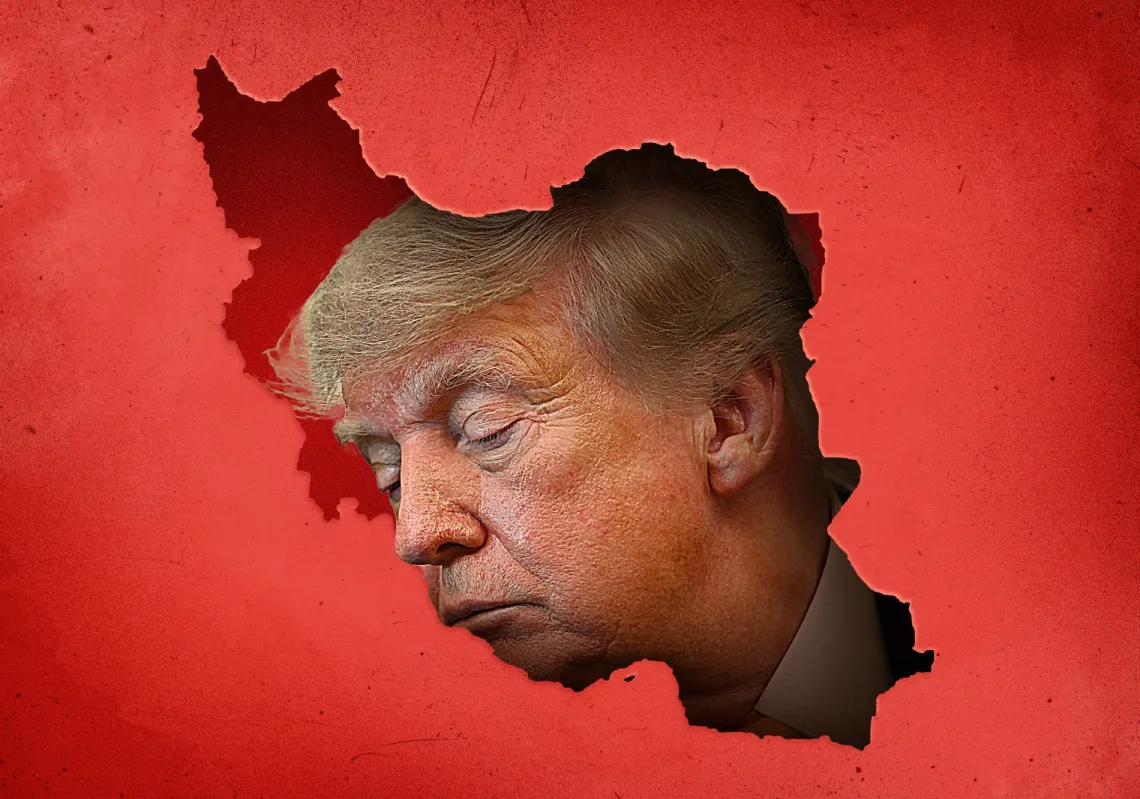
The notion of the US as an honest broker was always a dubious one, particularly given its largely unquestioning support for Israel, but its recent actions towards Iran shatter the concept completely
Both Tehran and Washington have powerful incentives to resolve the conflict through negotiations, but actors on all sides have reasons to derail these efforts
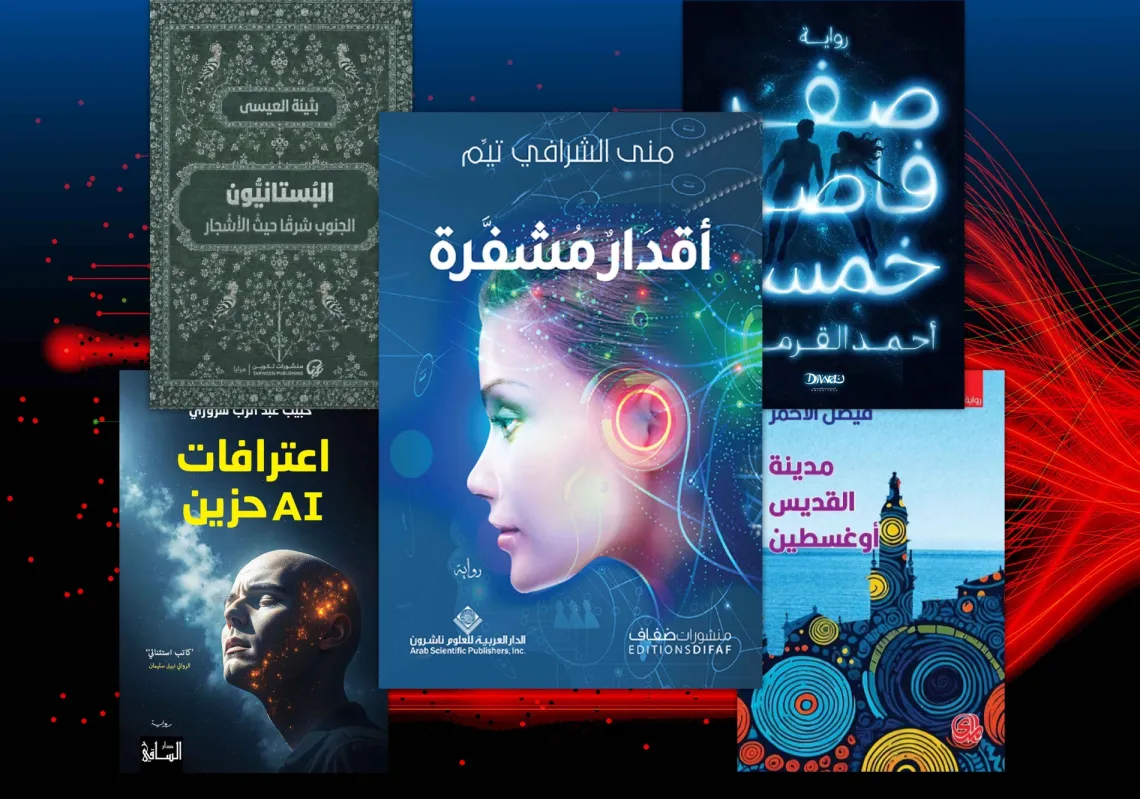
From machines that develop human emotions to societies governed by artificial intelligence, Arab novelists explore the promises and perils of a radically transformed future