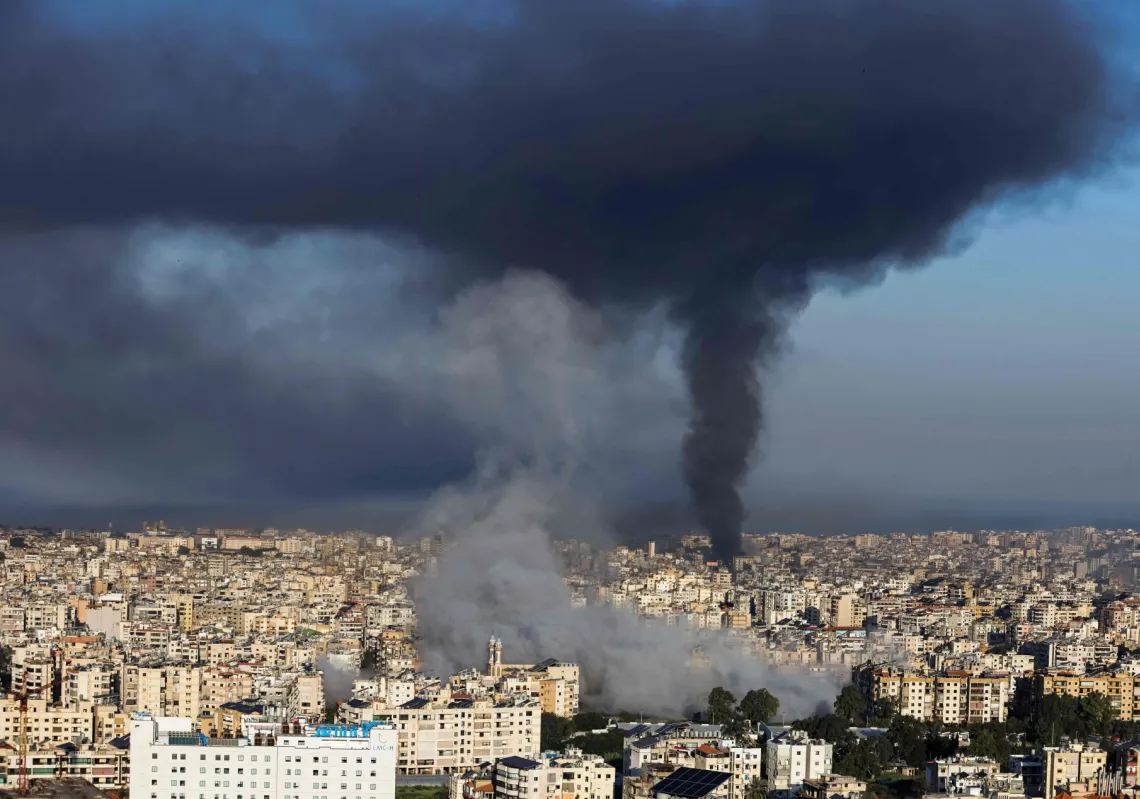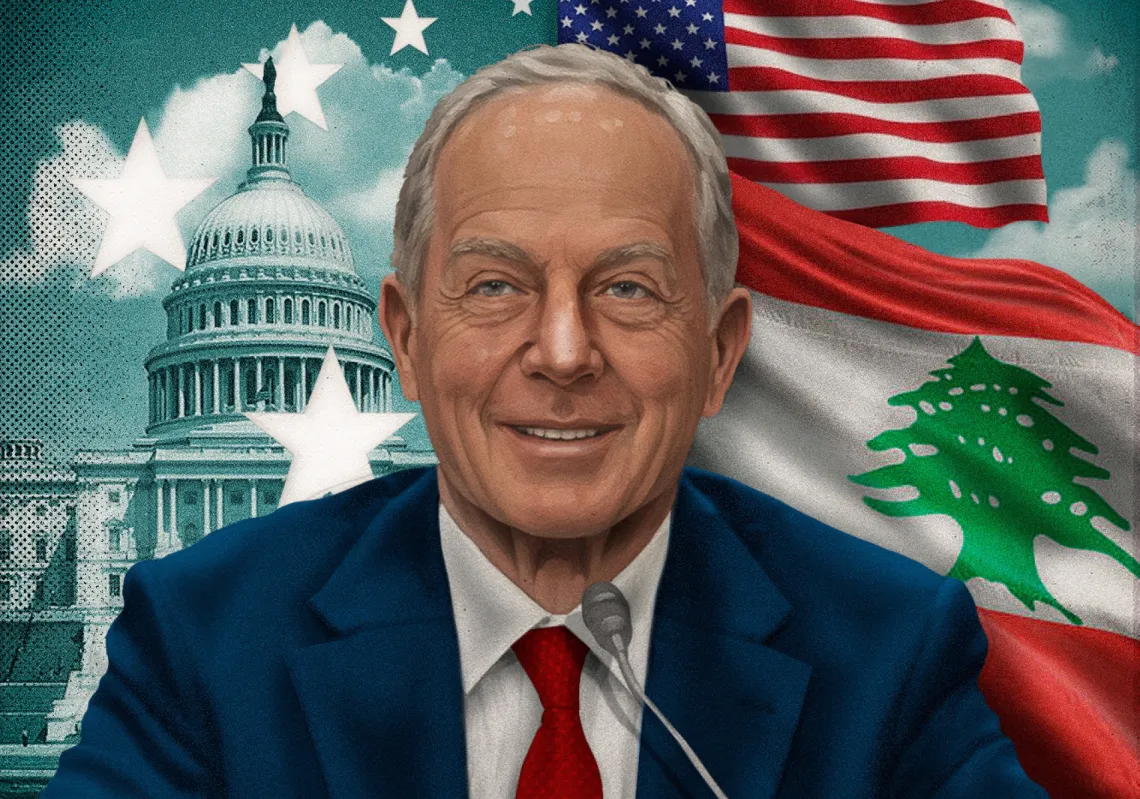
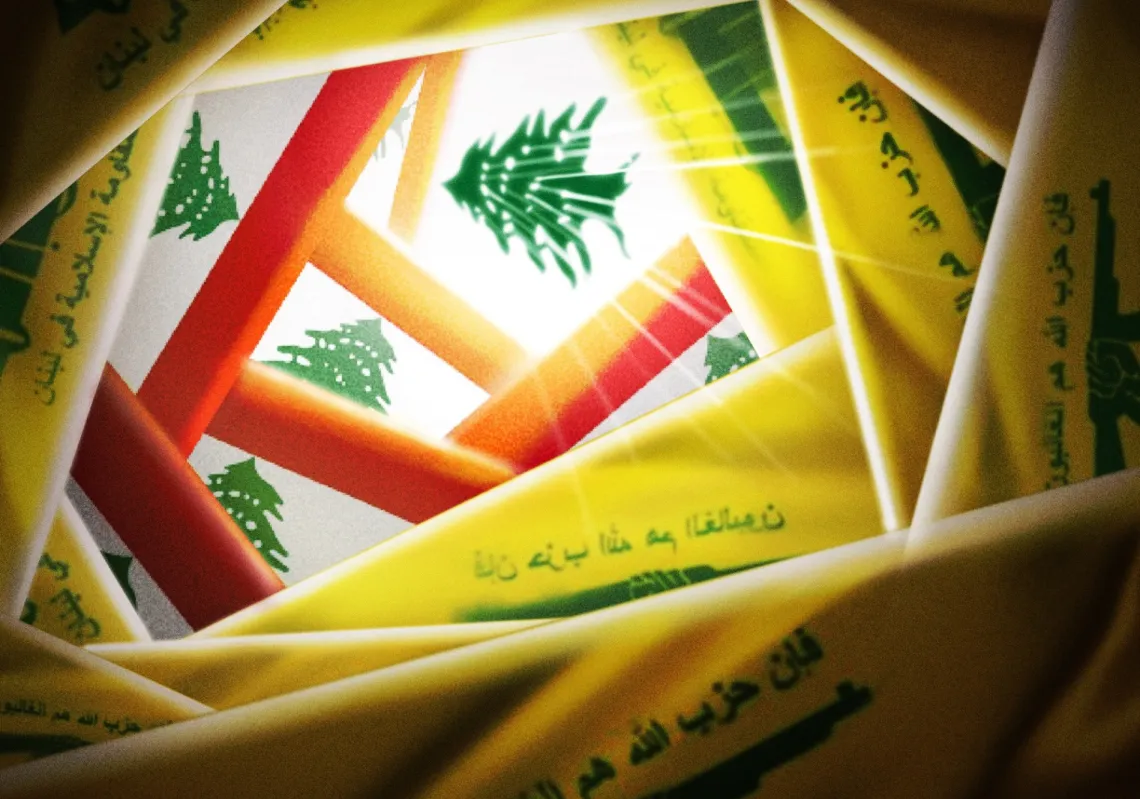
US envoy to Syria Tom Barrack used his latest visit to Beirut to deliver what was, in effect, an ultimatum to the Lebanese government, though he took care not to present it as such
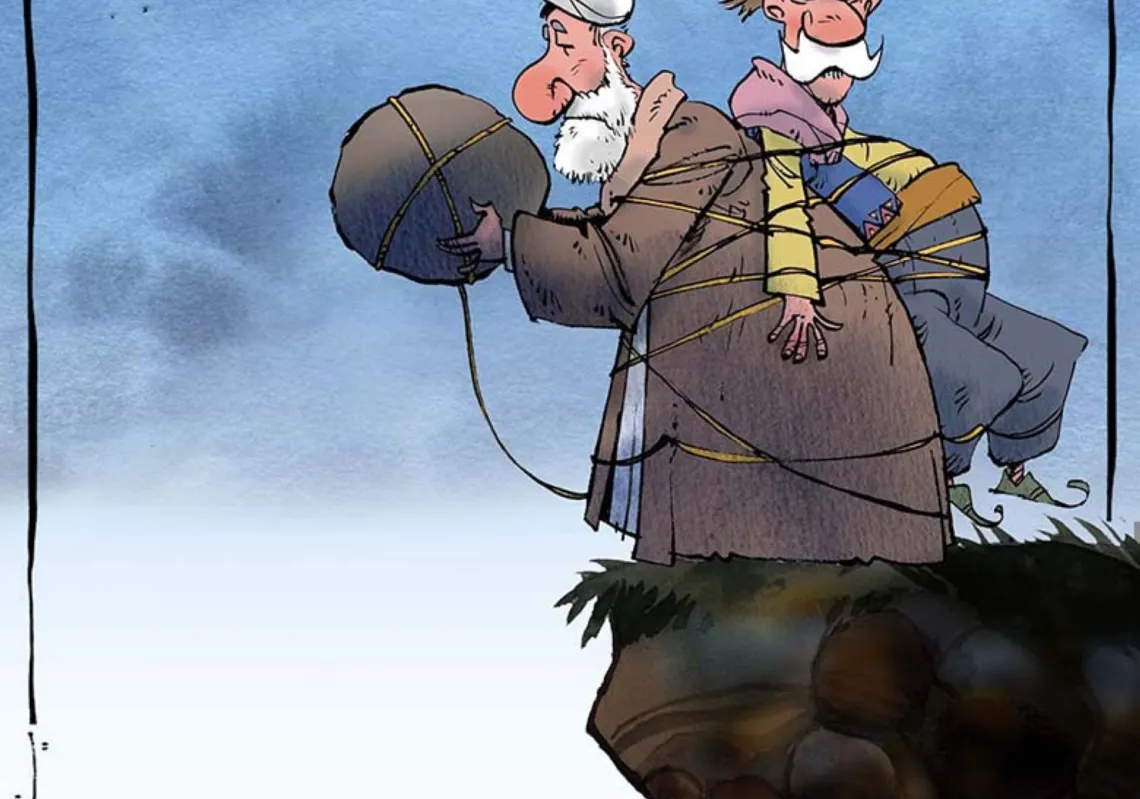
Lebanon's president and prime minister have a big decision to make: whether, and how, to use the army to disarm Hezbollah. Today's army can be trusted, but its task must be well thought through.
HTS's recent overthrow of the Assad regime recalls the key role militias played throughout history—from Sudan's recent civil war all the way back to the American Revolution. Al Majalla explains.
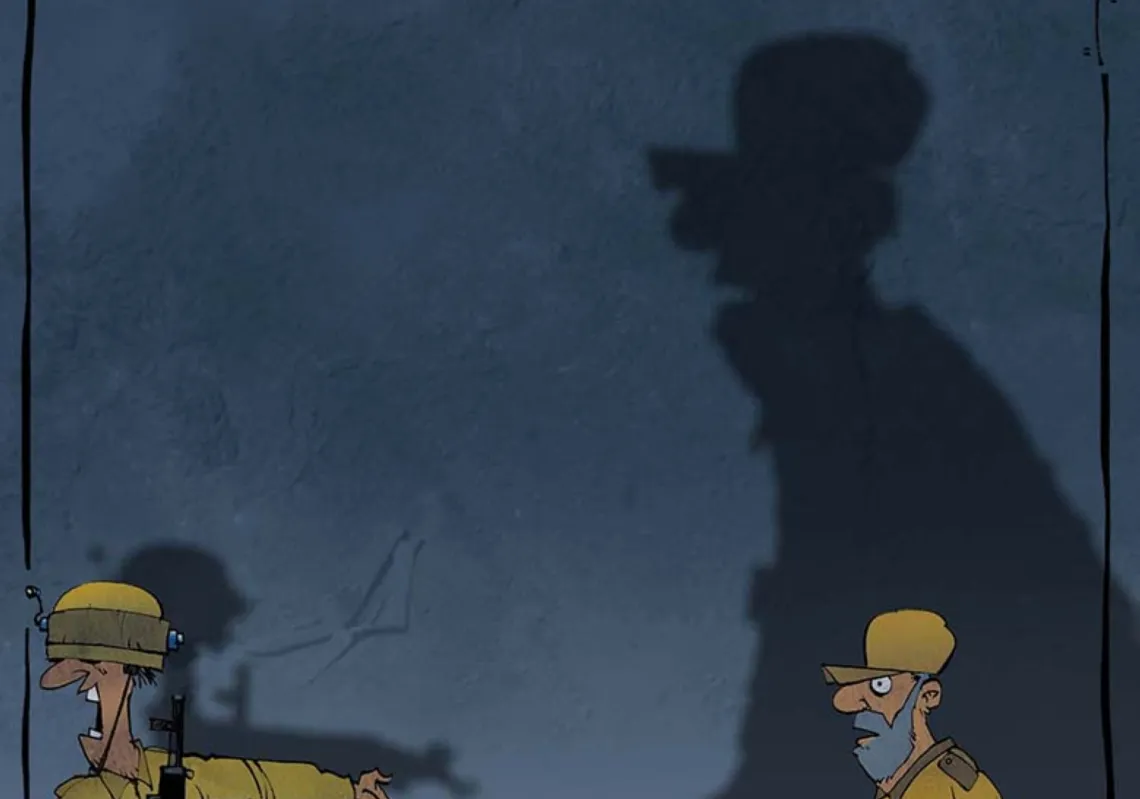
After suffering a huge blow militarily, Hezbollah is now forced to show political flexibility. By backing Aoun, it tried to position his win as a victory over Israel's preferred candidate, Geagea.
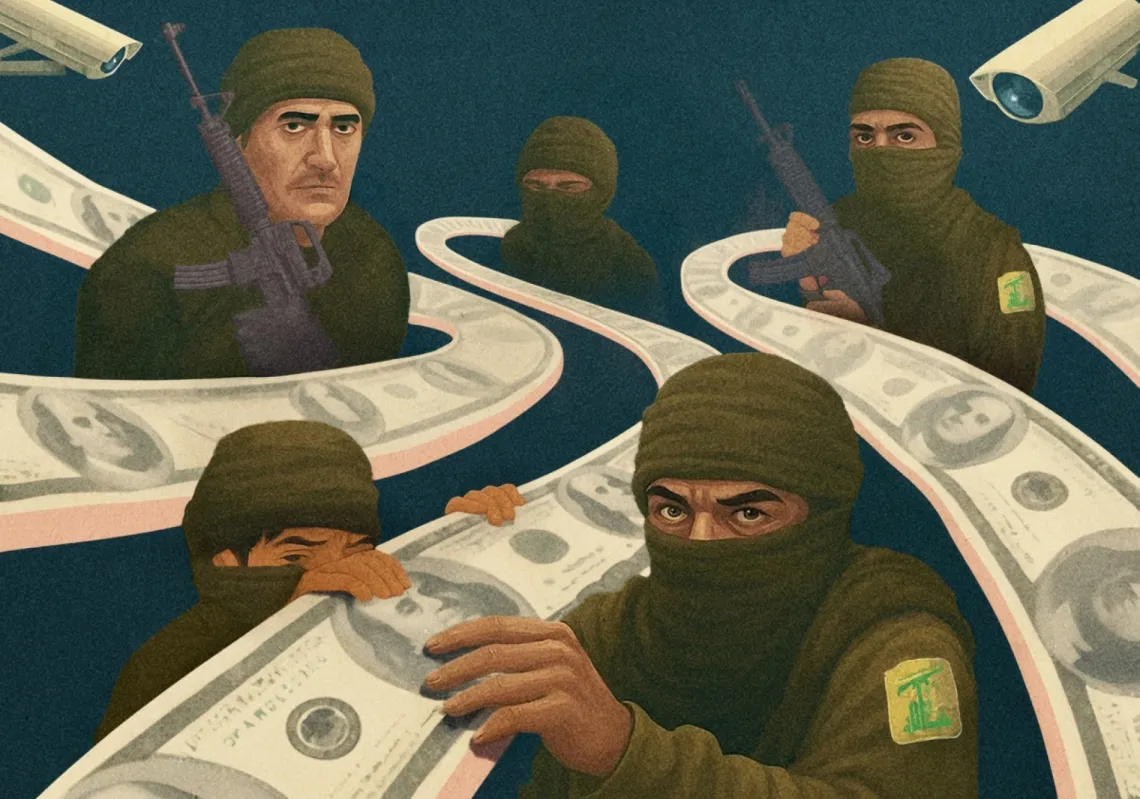
There is suppressed anger within Hezbollah's support base over delayed compensation, with the party now suggesting that the onus rests with the Lebanese state
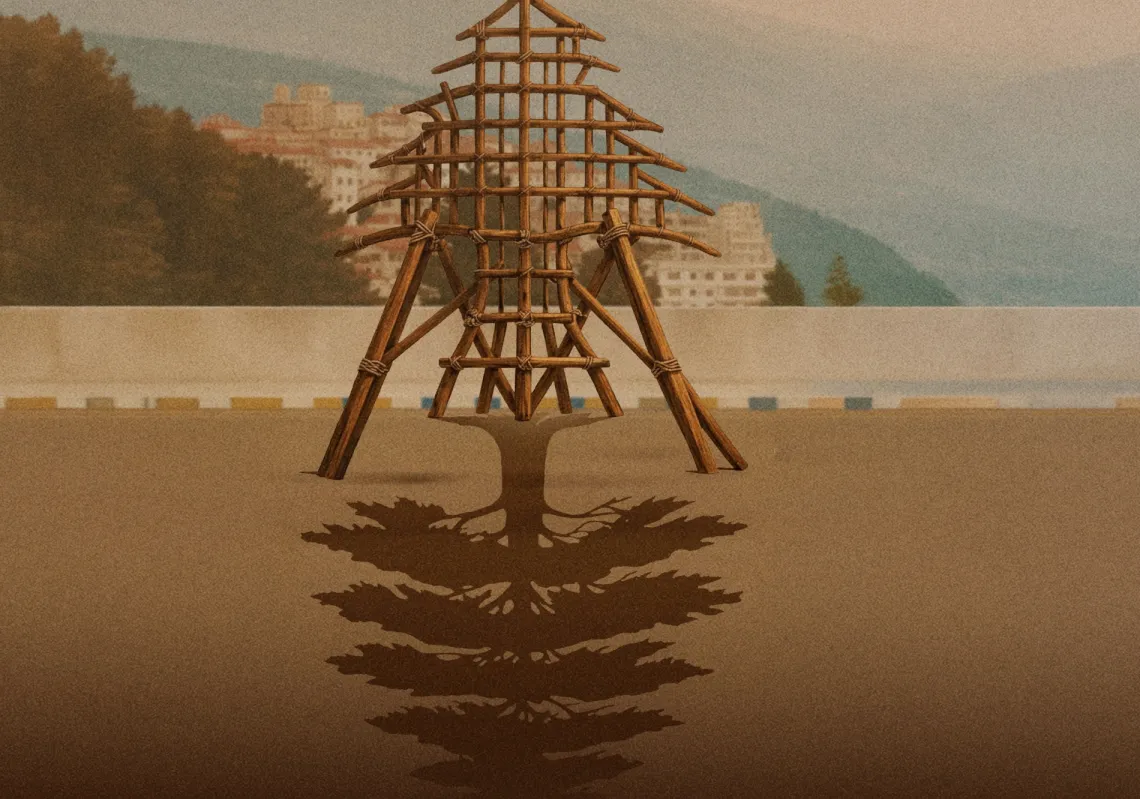
Hezbollah's debilitation presents a perfect opportunity to shape Lebanon's political dynamics by turning the army into a better-equipped and more effective US security partner
From Gaza to Lebanon and Syria, this is the story of a year of tumult and surprise which has reshaped the region and echoed through global affairs. And Trump's return means more uncertainty ahead.
Airspace closures, rising fuel costs, shifting flight maps and delayed aircraft deliveries have repriced flights around the world, with some travel routes hit worse than others
Veteran Lebanese journalist Nada Abdelsamad transports readers back to the time when Beirut's Jewish quarter, known at the time as Wadi al-Yahud, was thriving
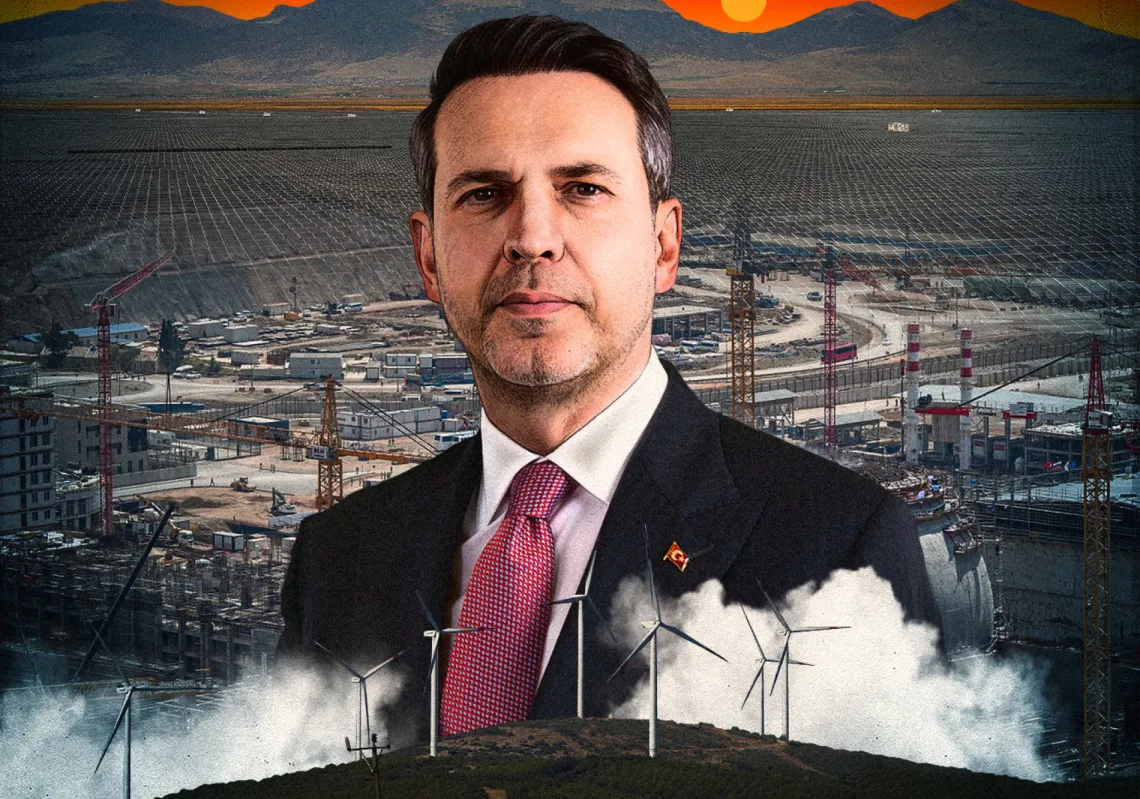
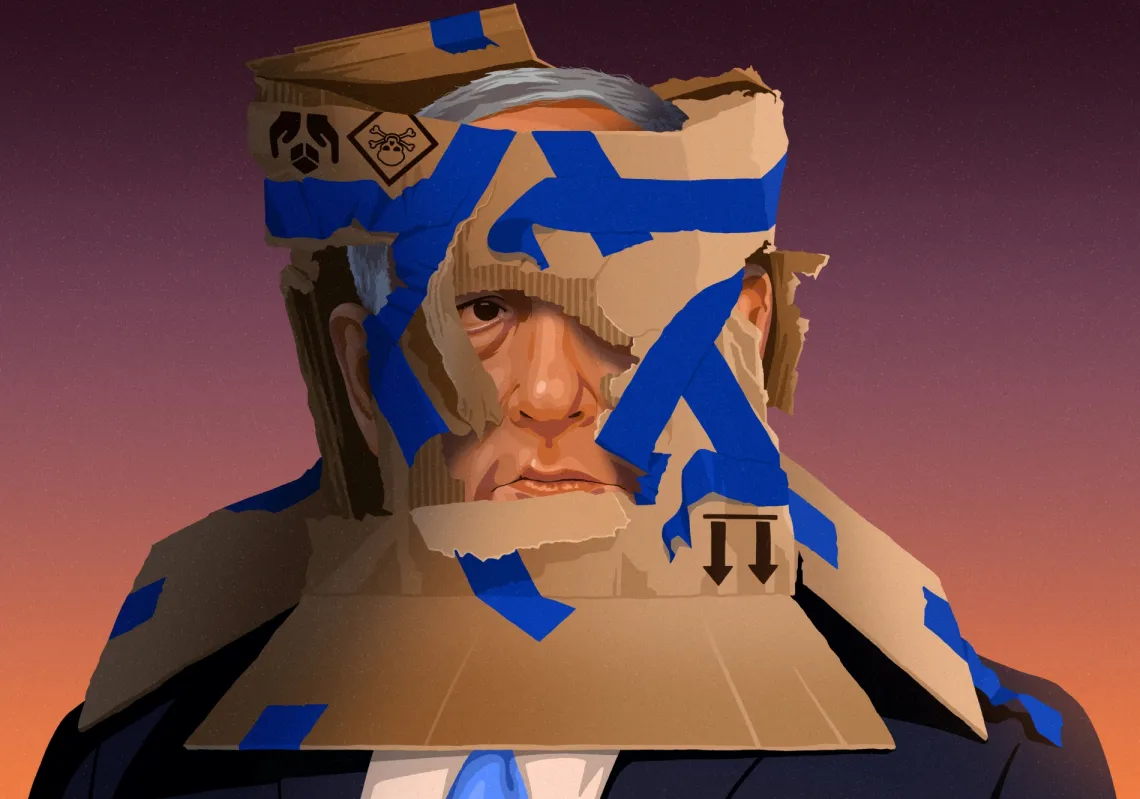
Ankara's national security priority is no longer Kurds or Gülenists, but Israel. Likewise, in Tel Aviv, Türkiye is increasingly seen as a future Israeli adversary. Both are preparing accordingly