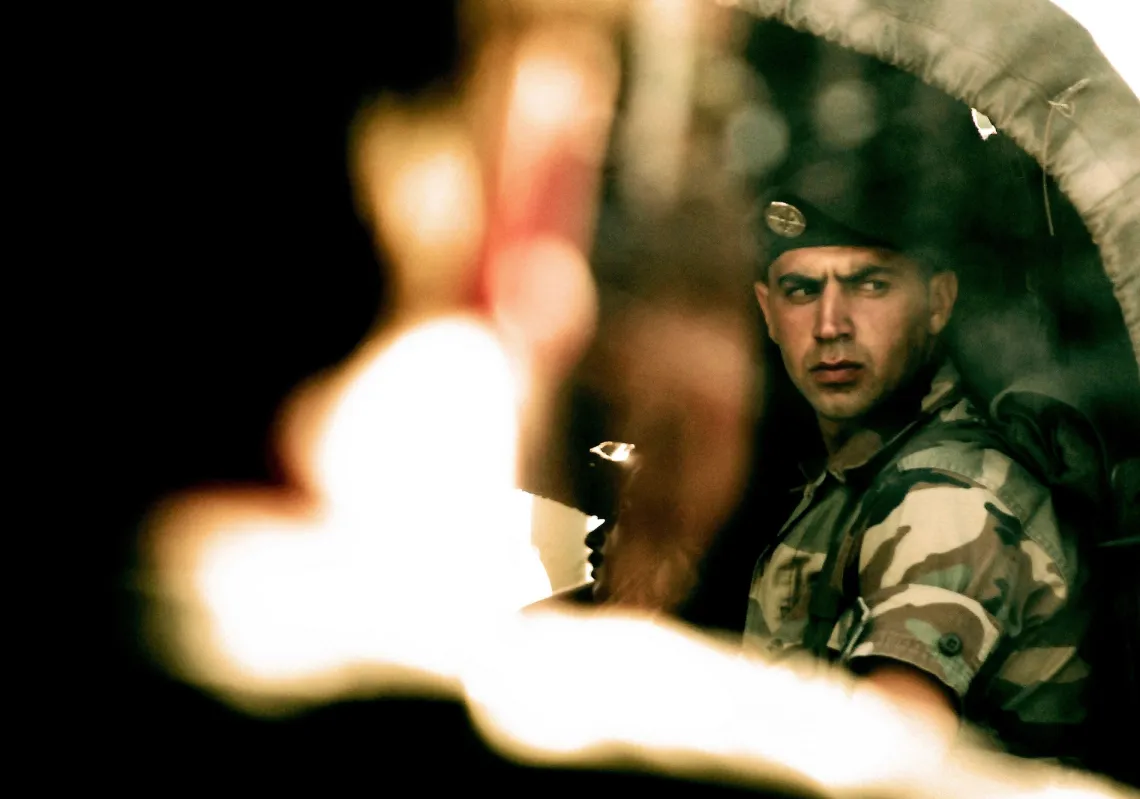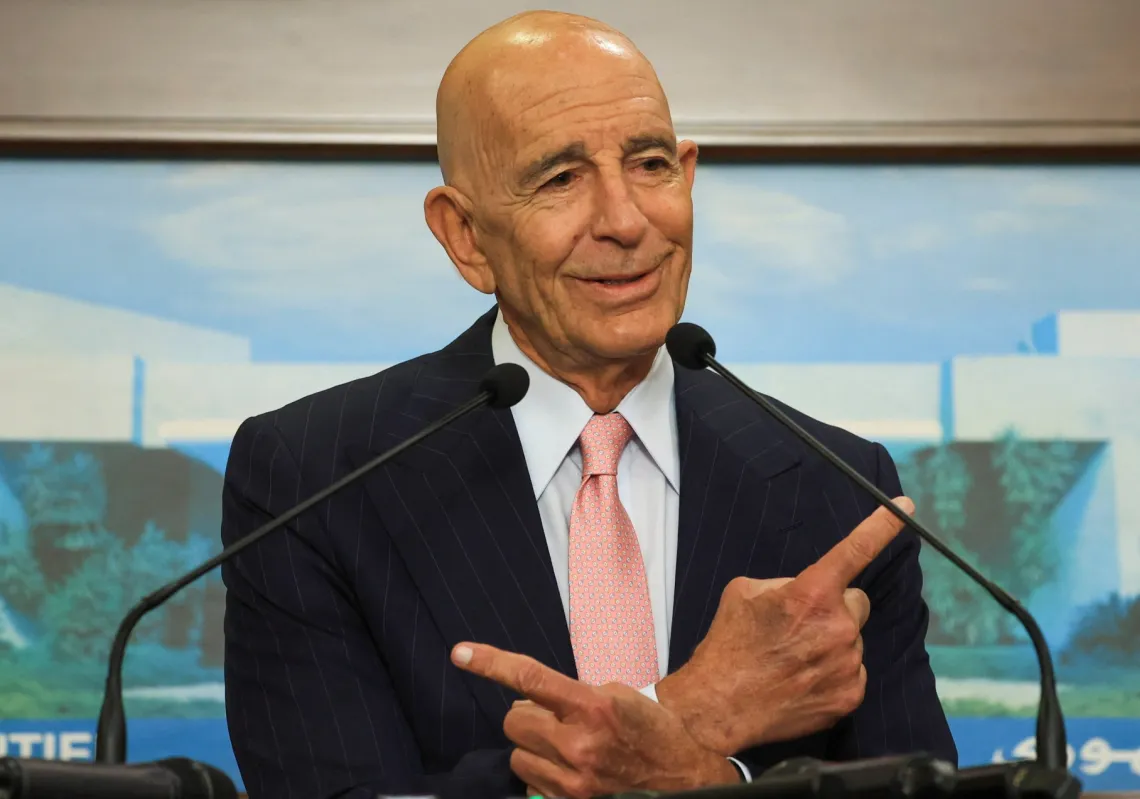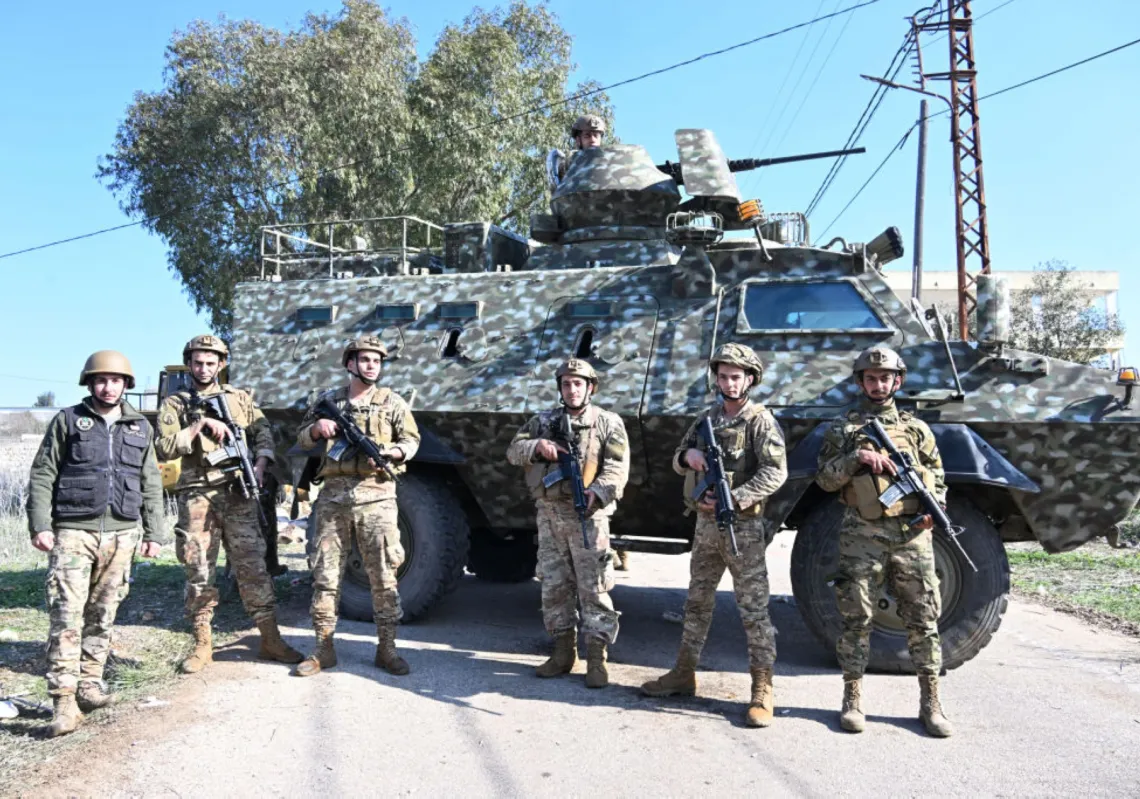
Lebanon's president and prime minister have a big decision to make: whether, and how, to use the army to disarm Hezbollah. Today's army can be trusted, but its task must be well thought through.
HTS's recent overthrow of the Assad regime recalls the key role militias played throughout history—from Sudan's recent civil war all the way back to the American Revolution. Al Majalla explains.
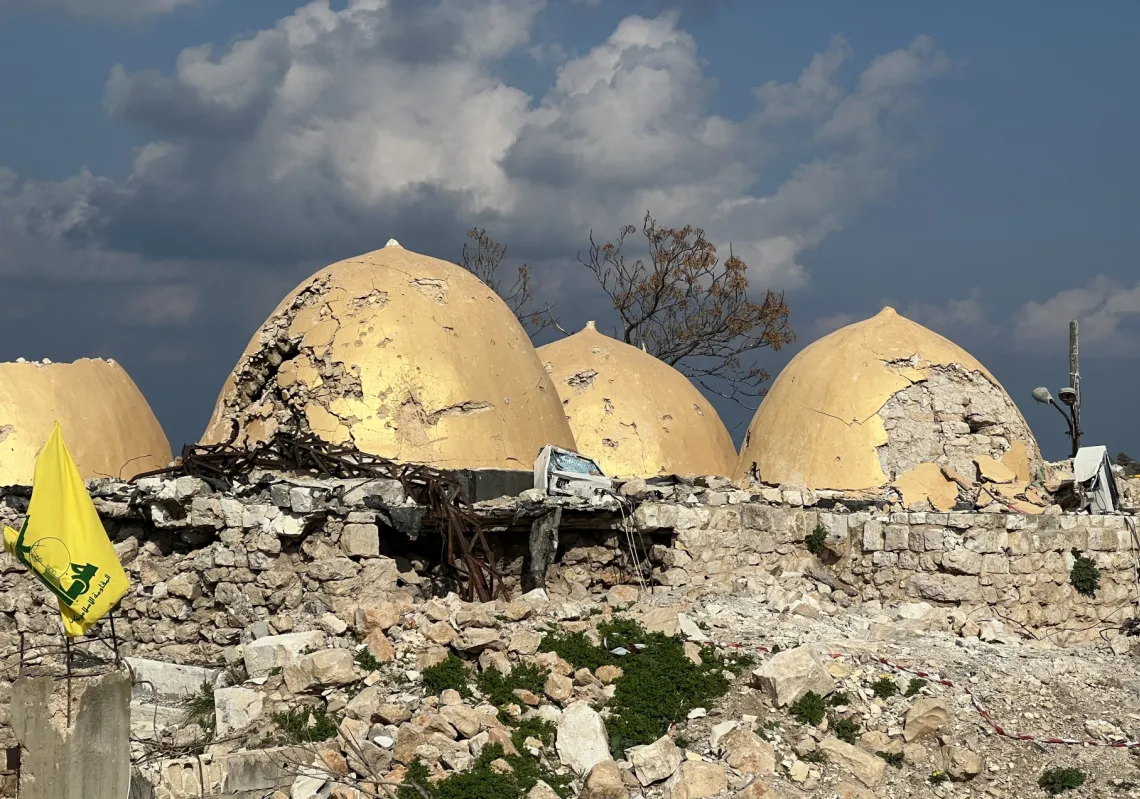
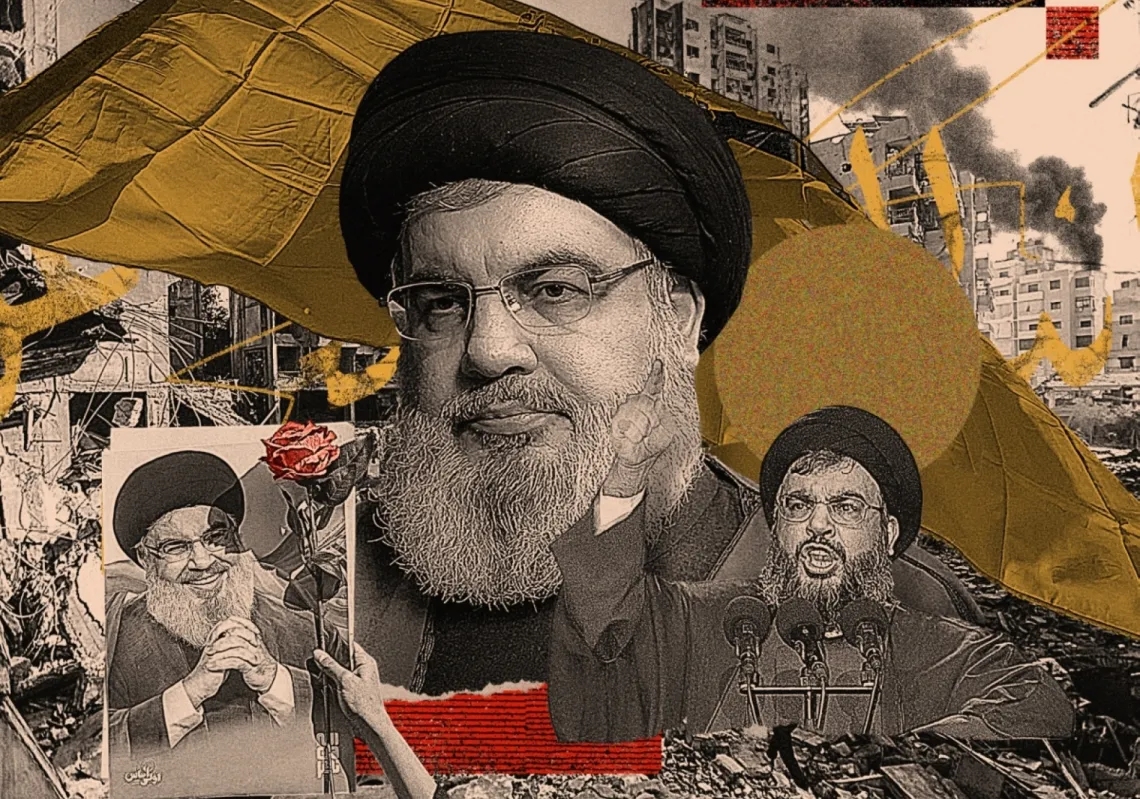
After suffering a huge blow militarily, Hezbollah is now forced to show political flexibility. By backing Aoun, it tried to position his win as a victory over Israel's preferred candidate, Geagea.
There is suppressed anger within Hezbollah's support base over delayed compensation, with the party now suggesting that the onus rests with the Lebanese state
Hezbollah's debilitation presents a perfect opportunity to shape Lebanon's political dynamics by turning the army into a better-equipped and more effective US security partner
From Gaza to Lebanon and Syria, this is the story of a year of tumult and surprise which has reshaped the region and echoed through global affairs. And Trump's return means more uncertainty ahead.
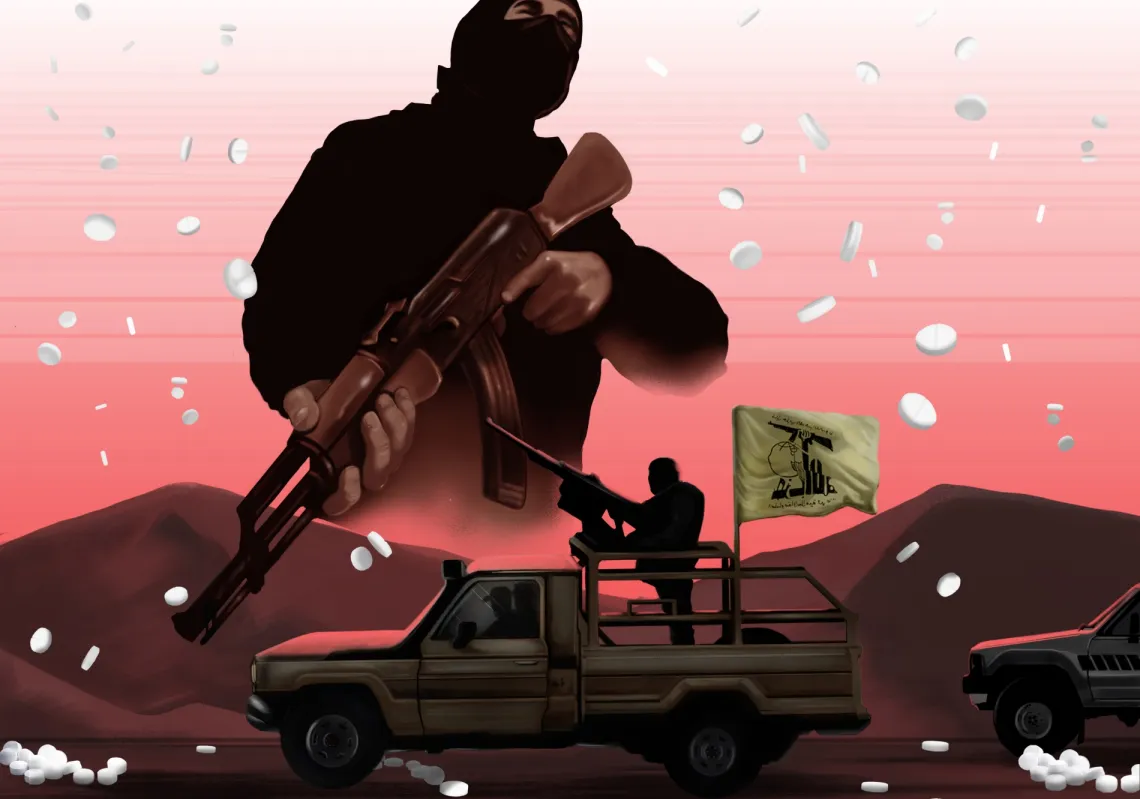
Sources of cash are drying up as front companies and drug production lines are dismantled and supply networks and smuggling routes are compromised. Iran is also questioning its funding of the group.
A US envoy wants the institutions of western Libya to accommodate the son of an eastern warlord as Libyan president. Is this another doomed effort to unite the feuding factions, or could it work?
As the FIFA World Cup 2026 shows, identity, belonging, and tension combine to make football fandom unlike any other sport. So, what is going on in fans' brains?
Beijing's duty-free access for African exports promises mutual economic gains, but more importantly, it deepens its strategic influence across the continent