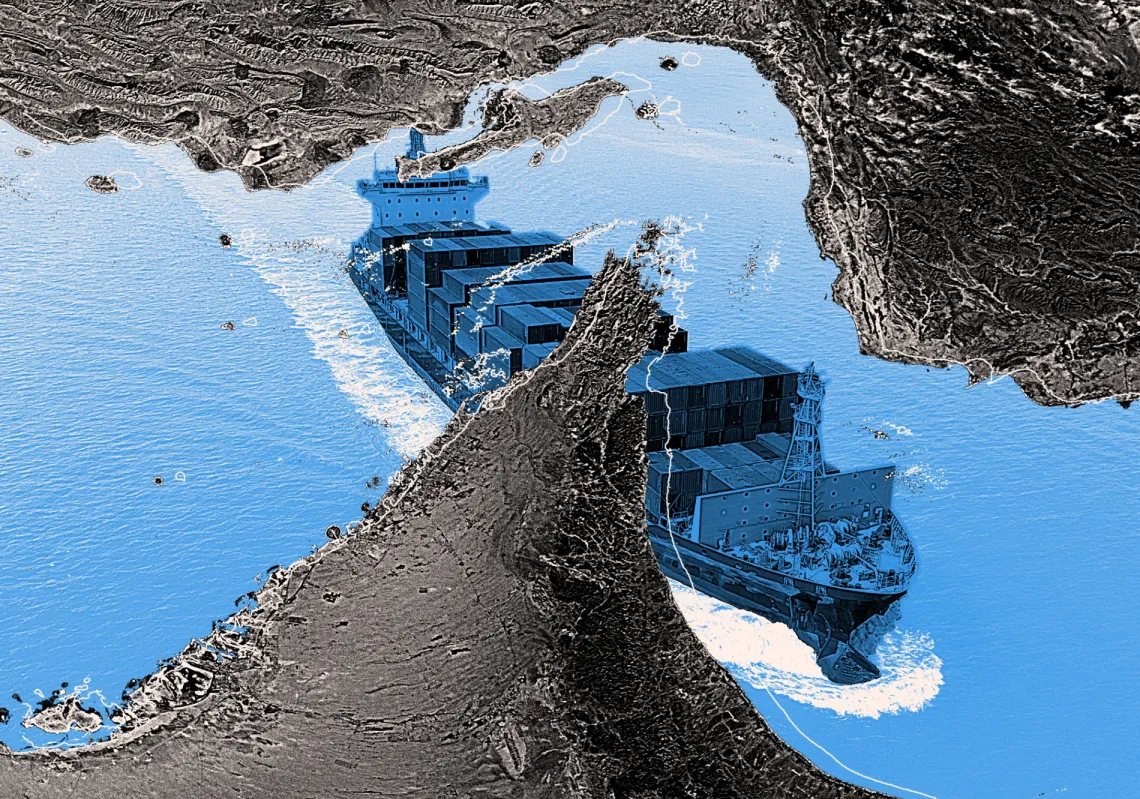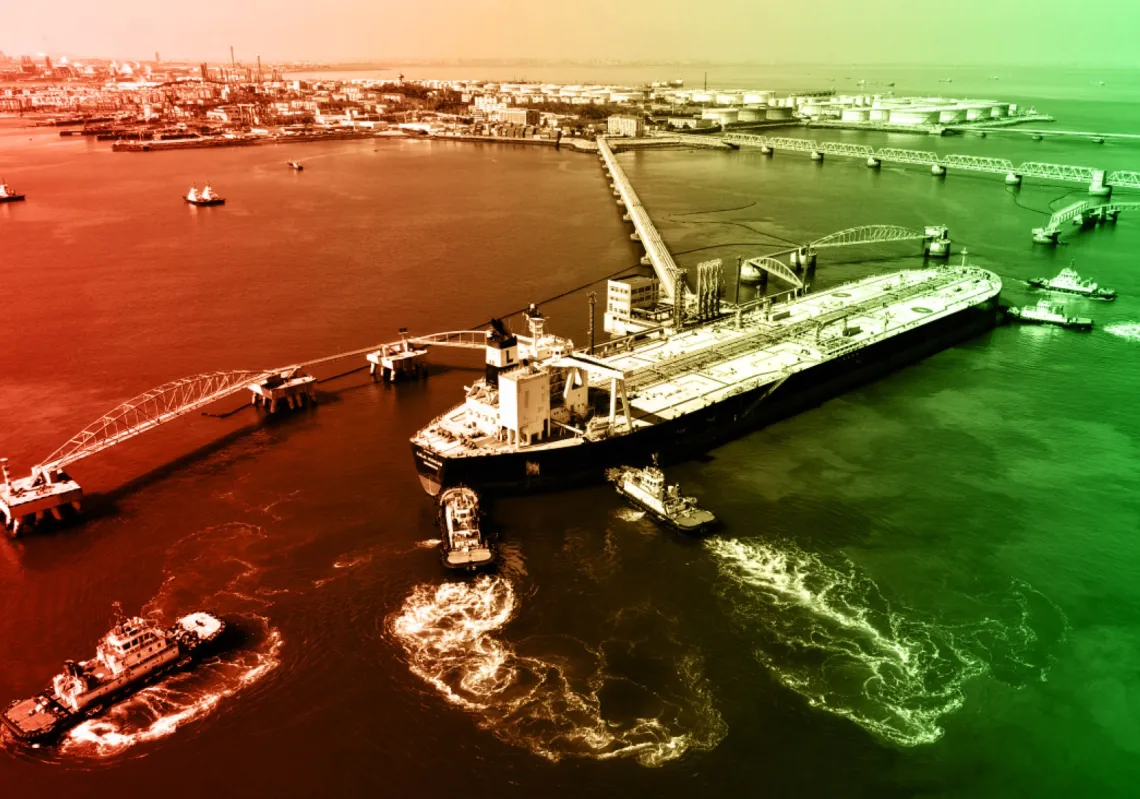
Closing the Strait of Hormuz has shown how the Gulf should shift from an oil-export model to a digital and distribution hub. Will this trigger the long-delayed free trade agreement with China?
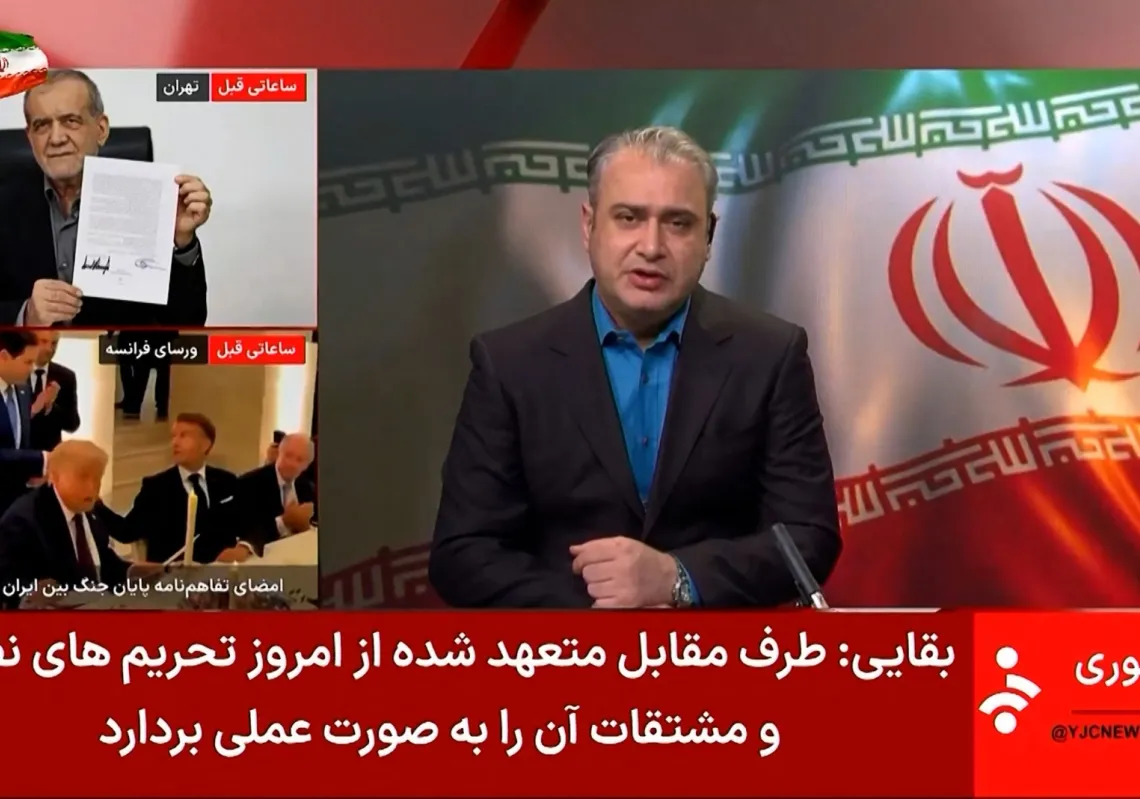
The US-Israeli war against Iran aims to draw in Gulf states, but history has shown that entering wars is far easier than exiting them. Prudence is needed now more than ever.
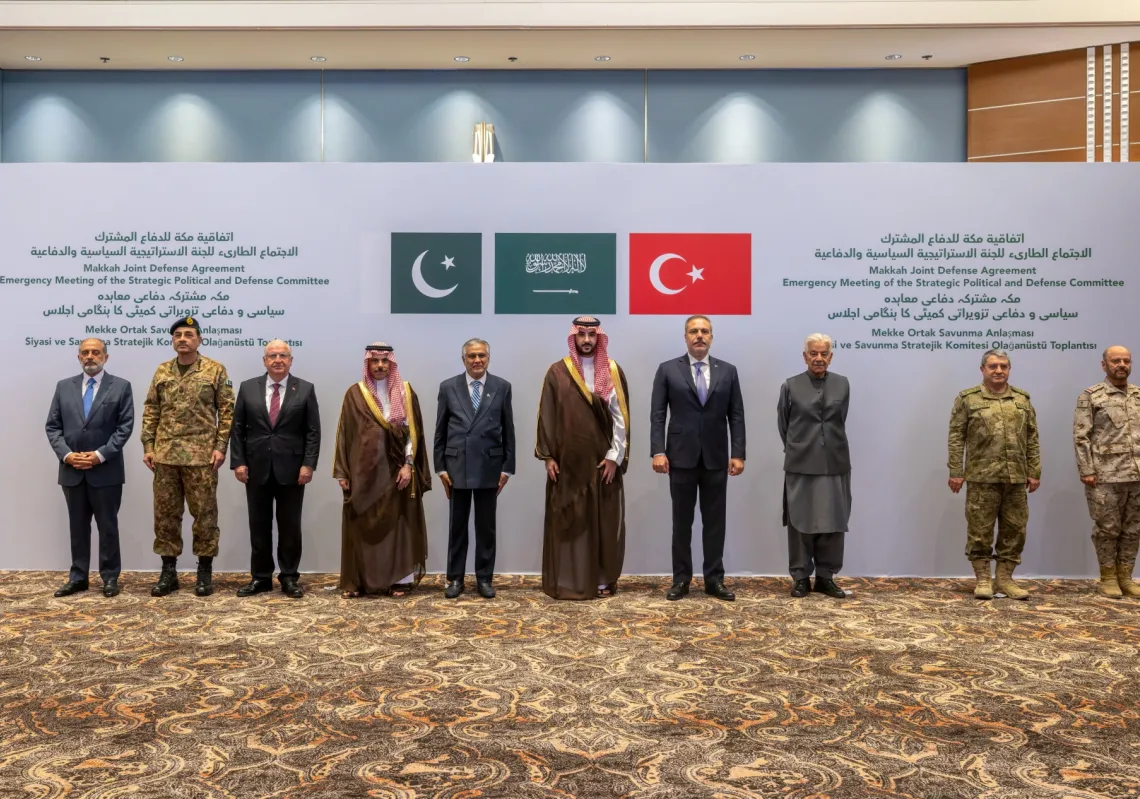
The Gulf states are showing that their security is indivisible and that they will pursue their defence from any that offer it, creating a new 'strategic autonomy' borne of the Trump era.
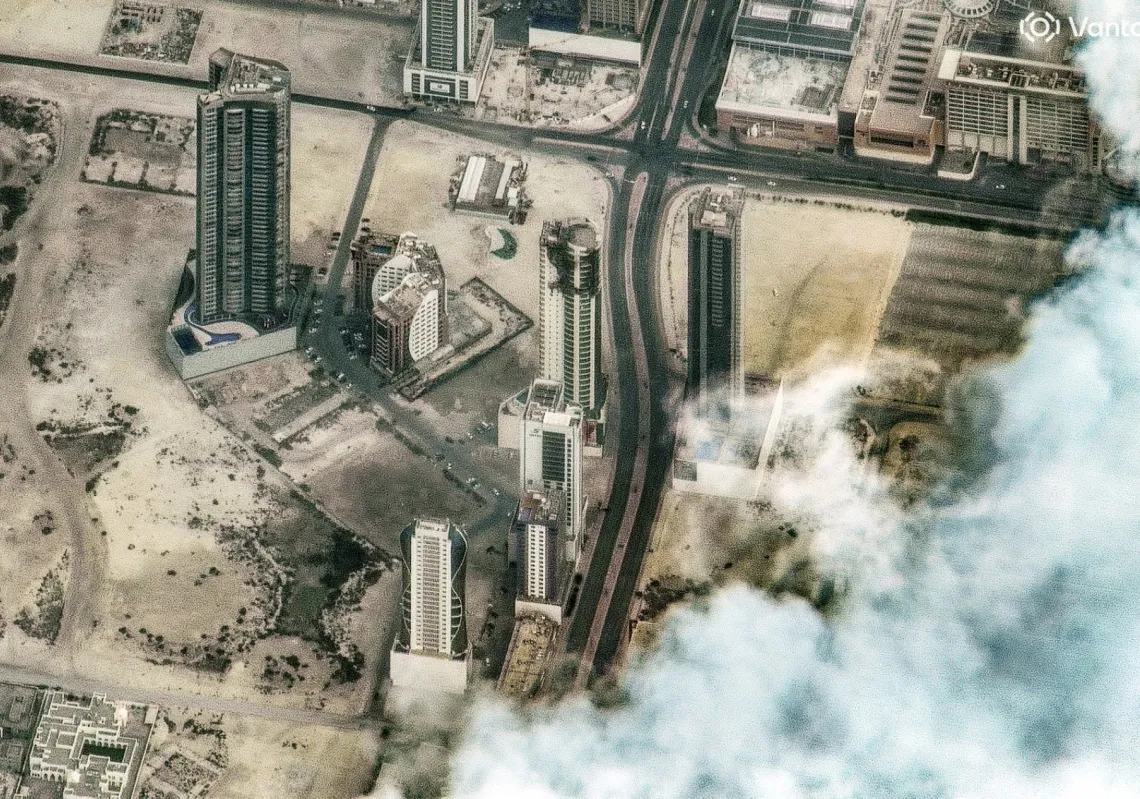
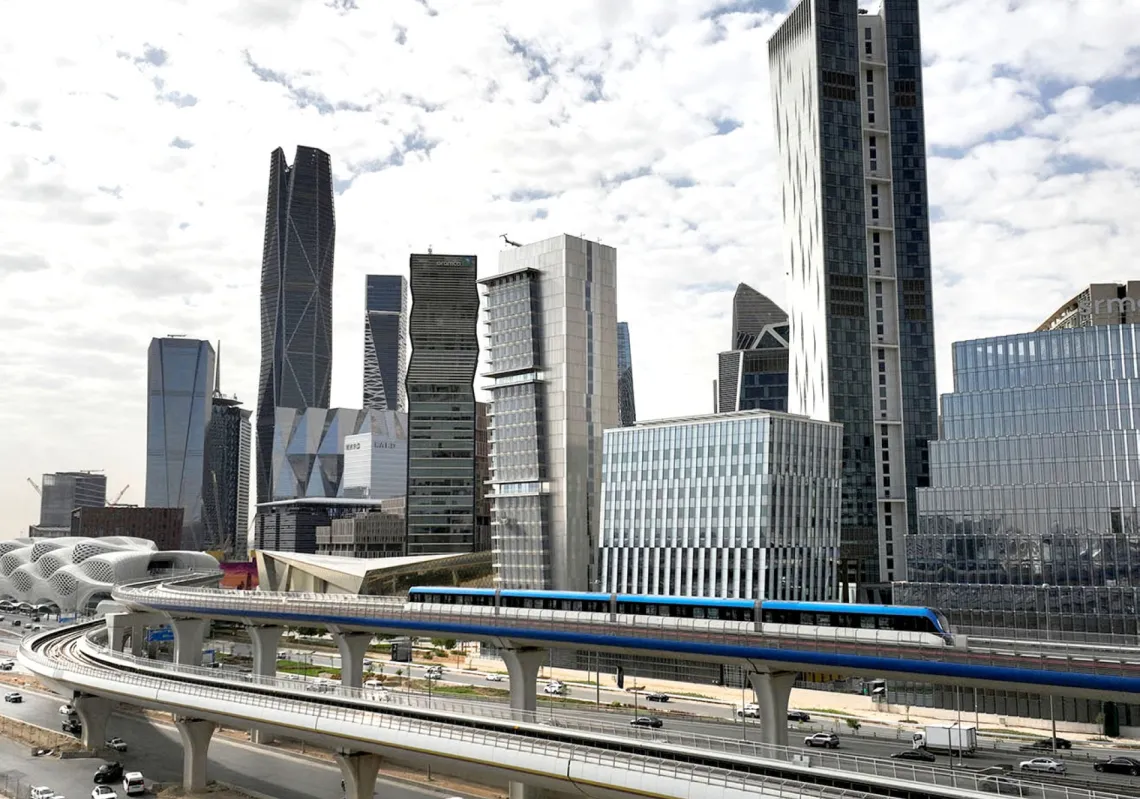
More than $75bn of construction projects were awarded in Gulf states last year, with much more expected, but the cranes across Riyadh, Muscat, and Dubai are building more than just skylines.
From dhows carrying spices to tankers carrying oil, trade between South Asia and Arabia has been healthy for hundreds of years, with room to grow further.
Sectors such as tourism, manufacturing, logistics, and healthcare have the potential to continue growing as a share of the Gulf states' overall revenue and to provide employment for the future
With populations living longer and oil income expected to start tailing off, the region's recent largesse may need adjusting, as funding for changed demographics could soon become unsustainable
With $175bn worth of annual business between the two blocs, a free trade deal seems only sensible, yet visas and vested commercial interests remain obstacles.
Both China and the Gulf have much to offer one another, especially with the Gulf's thirst for big infrastructure projects and China's thirst for carbon.
The standoff in the Hormuz is not simply a question of whether Tehran can survive economic pressure, but whether Washington can sustain the pressure at an acceptable cost.
The Strait of Hormuz is now poised to become the primary arena of confrontation, with Iran relying on speedboat-driven guerrilla warfare to confront the US navy.
Former regime soldiers are stuck in limbo, as their undocumented status prevents them from working, travelling, and curbs family members' access to education, healthcare and social services