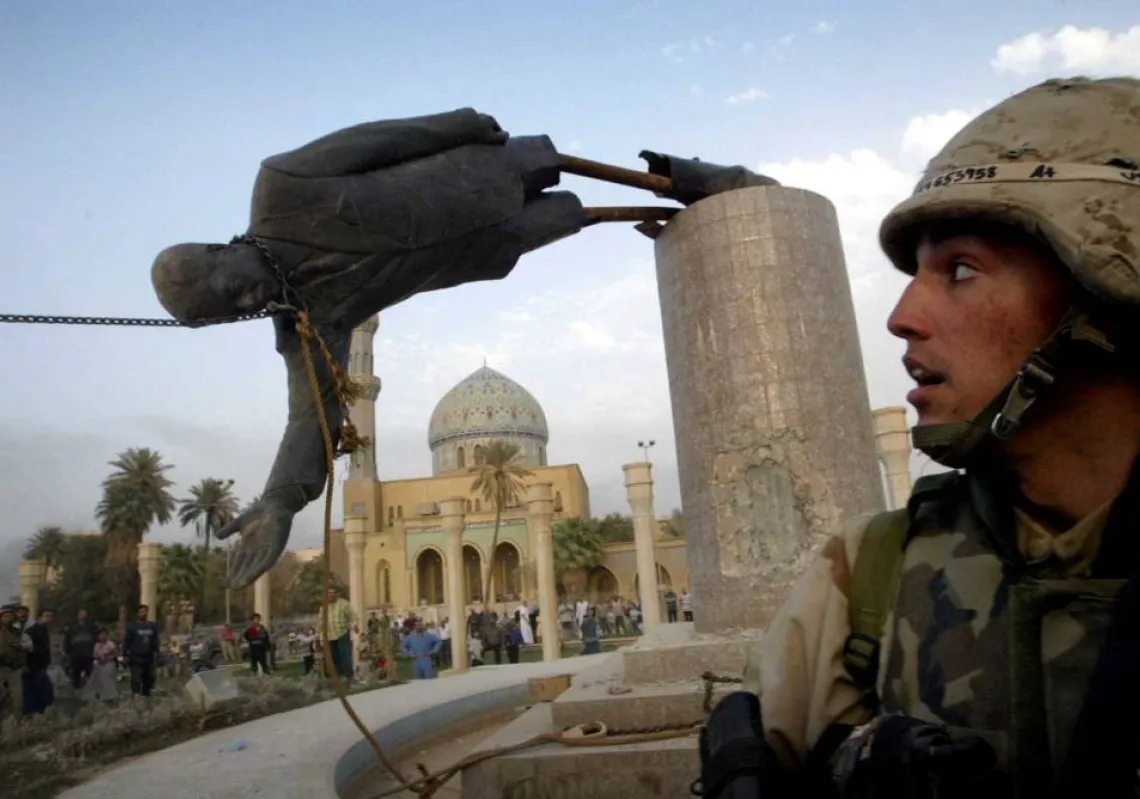

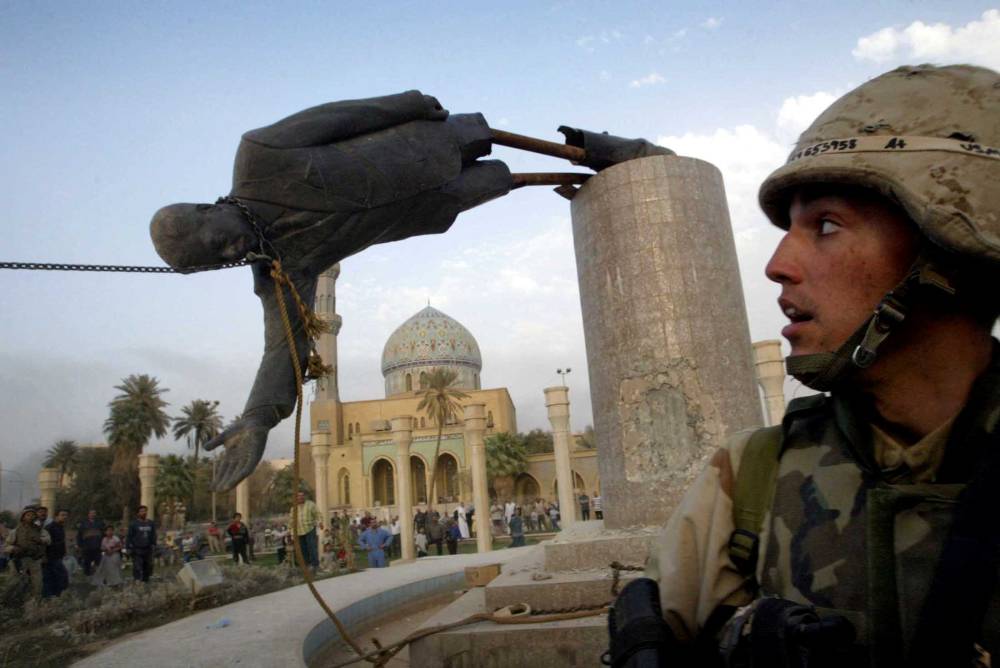
In the middle of December 2003, a Newsweek colleague and I got in a car in Baghdad and headed west. After many weeks of covering the tumultuous US occupation of Iraq, we were looking forward to a bit of downtime. But the story wasn’t about to let us go. After a long and nerve-racking ride, we crossed the border into Jordan—only to learn that US troops had just captured Iraqi President Saddam Hussein. Our editors in New York ordered us to turn around and head back in to cover the news.
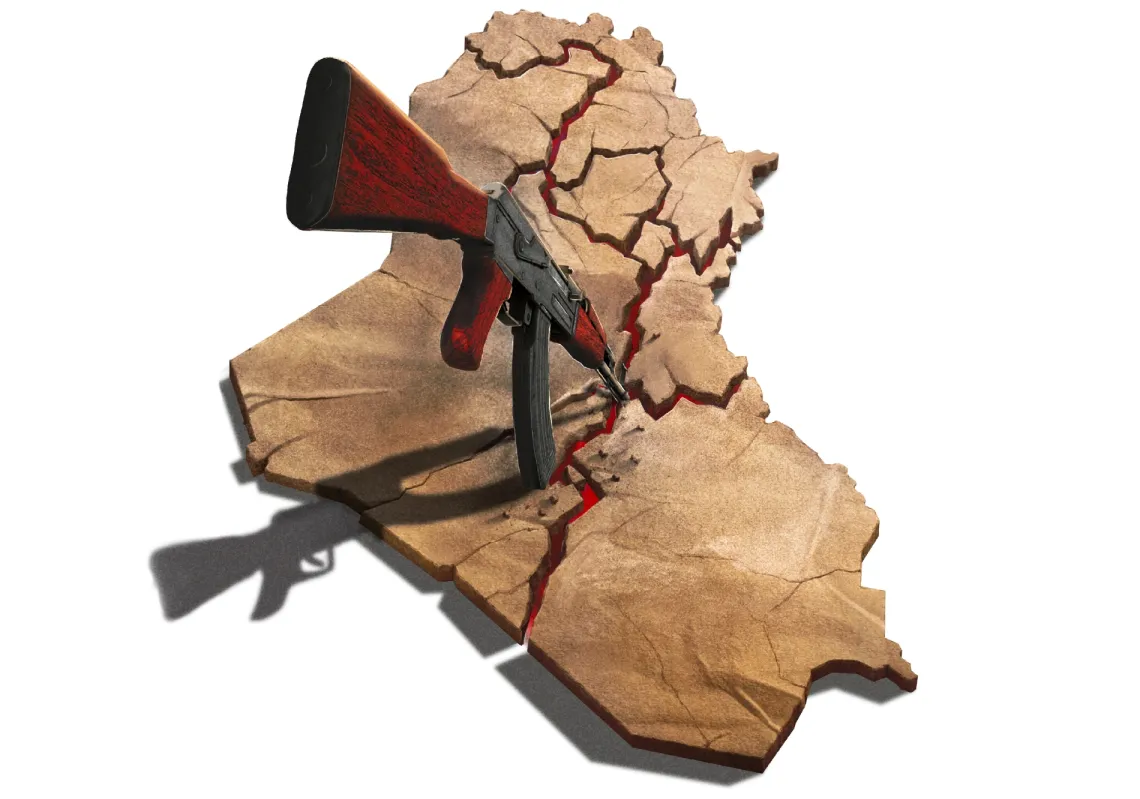
President George W. Bush was elated. “In the history of Iraq, a dark and painful era is over,” he assured Americans. “A hopeful day has arrived. All Iraqis can now come together and reject violence and build a new Iraq.” His supporters struck an equally hopeful note, assuring Americans that the despot’s arrest marked the “end of the beginning.” Little did Bush and his entourage suspect that the occupation would in fact continue for another eight years, result in tens of thousands of US casualties (including nearly 4,500 dead), and squander hundreds of billions of dollars. Not to mention the deaths of countless Iraqis—insurgents and innocent civilians alike.
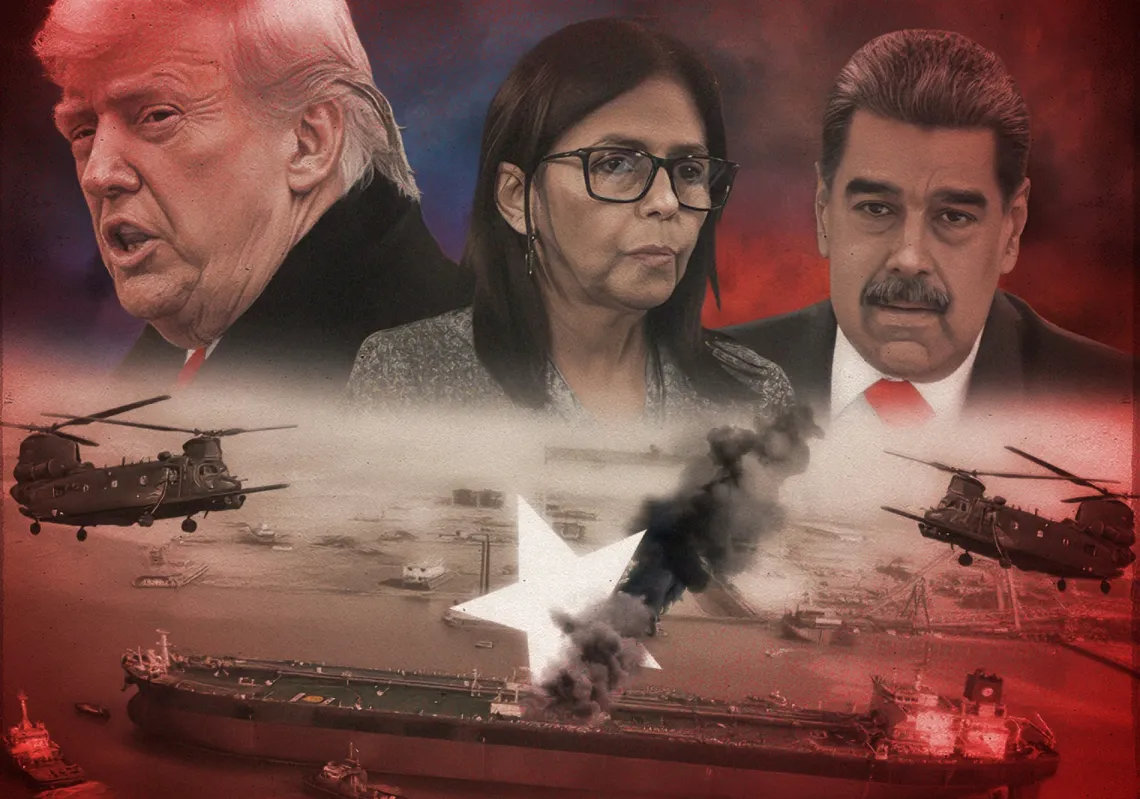
Watching US President Donald Trump’s 3 January morning press conference on the capture of his Venezuelan counterpart, Nicolás Maduro, I was vividly reminded of that moment 22 years ago. The parallels were hard to miss.
Just as Bush exulted over the capture of Saddam, Trump basked in the dopamine hit of a successful military operation with minimal casualties, calling it “one of the most stunning, effective, and powerful displays of American military might and competence in American history.” In terms strikingly reminiscent of Bush’s post-invasion utterances, he declared that Washington would from now on be running the show: “We’re going to run the country until such time as we can do a safe, proper, and judicious transition.” And just like Bush, he spoke of “rebuilding” Venezuela by leveraging the country’s vast oil reserves.
All of this suggests that—contrary to his own intentions—Trump is already repeating the fundamental error that doomed the US effort to remake Iraq. Just like Bush, he has failed to grasp that removing a dictator is not enough to overcome the decades-long legacy of dictatorship.
Read more: American-led regime change is usually disastrous
In 2003, Bush believed that Saddam’s arrest would convince the stalwarts of his Baathist regime that there was no point in continued resistance. In 2026, the United States has done away with the Venezuelan leader, but all of the key figures of Maduro’s regime (above all, the odious Interior Minister Diosdado Cabello) remain in place. The same government as before retains its control over the ruling party, the big state corporations, and the military. The police state survives intact, including a vast surveillance apparatus that extends, Cuban-style, down to the neighbourhood level. State-run militias and private criminal gangs are ubiquitous. And just like Iraq after Saddam, the country is awash with weaponry.
None of this suggests that a new era of good governance is about to break out. But the US president evidently believes that his daring coup in Caracas can avoid the failings that bedevilled the United States’ Iraqi adventure.
When, in the wake of Maduro’s arrest, a reporter from the Atlantic asked Trump about the risk of repeating Washington’s failure two decades ago, he reacted allergically: “I didn’t do Iraq. That was Bush. You’ll have to ask Bush that question, because we should have never gone into Iraq. That started the Middle East disaster.”
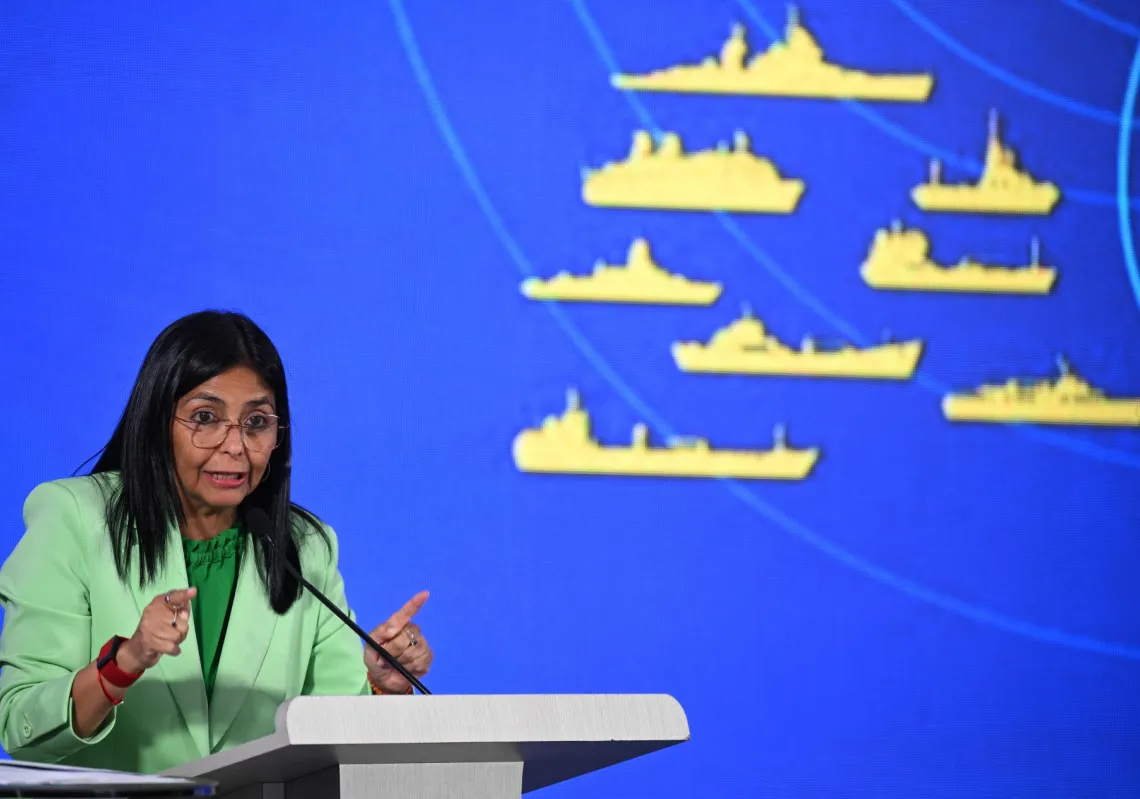
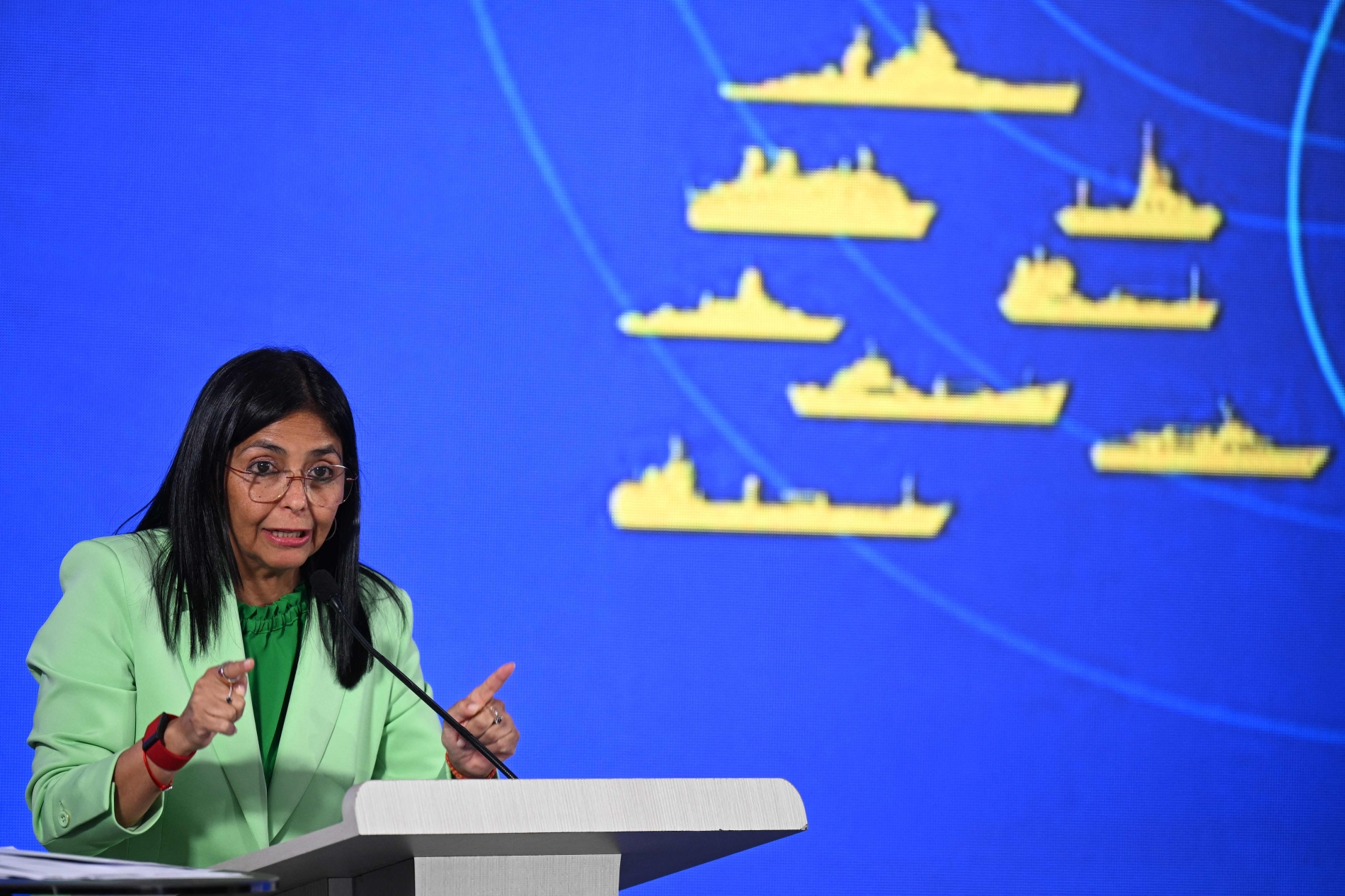
Some signs suggest that Trump intends to dodge the Iraqi curse by ruling Venezuela by remote control. During his 3 January press conference, he made a strikingly positive comment about then-Venezuelan Vice President Delcy Rodríguez, describing her as “essentially willing to do what we think is necessary to make Venezuela great again.”
The Wall Street Journal reports that the CIA has recommended leaving Rodríguez and other top officials in their positions, arguing that members of the democratic opposition (which won a clear popular mandate in the last elections) were incapable of wielding power. After initially talking tough, Rodríguez —after receiving a threat from Trump—has tried to assume a more obliging stance.
Read more: Delcy Rodríguez and Venezuela’s politics of survival
If she continues to oblige Trump, it’s hard to imagine that she can survive for long, given her hard-line colleagues in the government—all of whom undoubtedly know that they are also likely to end up in a US prison if they allow Trump to have his way. It could hardly be otherwise in a regime based on the intensely anti-US ideology bequeathed to it by Maduro’s predecessor, the late Hugo Chávez. Expecting leading regime figures to renounce Chavismo is about as unrealistic as persuading Baath Party dead-enders to reject Saddam after 2003.
It would help if we knew what Trump is attempting to achieve by removing Maduro from power. At the time of this writing, the administration has failed to clarify either its objectives or its strategy.
Is the United States simply attempting to counter Chinese and Russian influence in the Western Hemisphere, in line with Trump’s stated desire to implement an aggressive new version of the Monroe Doctrine? Or is his primary aim to give US oil companies a dominant position in the Venezuelan market, as he seemed to suggest during his initial press conference?
Leaving the old regime in place is unlikely to achieve either of these goals. It is hard to see why people such as Rodriguez, Cabello, or Defence Minister Vladimir Padrino would have any incentive to bend the knee to ExxonMobil. Yet removing them will almost certainly require another military effort—and they have been forewarned.
A Bush-style democratisation effort clearly isn’t in the cards—at least, not for now. Trump may share Bush’s delusions about what leadership decapitation and military intervention can do, but he is clearly no neoconservative. He has made it abundantly clear that he prefers dealing with dictators and autocrats over allied democracies. It should therefore come as no surprise that Trump has recently spoken of opposition leader (and Nobel Peace Prize laureate) María Corina Machado only with condescension.
Even so, he did say in his 3 January press conference that the United States is planning to “run the country” after Maduro’s removal, alluding to an unspecified “transition” somewhere down the road. What the end state of such a transition might be remains a mystery.
Secretary of State Marco Rubio later attempted to water down these comments, suggesting that Washington could attain its goals by exerting pressure on the Caracas government by blockading its oil tankers. Hours later, Trump contradicted him, insisting: “We’re in charge. ... We need access to the oil and to other things in their country that allow us to rebuild their country.” That expansive goal of “rebuilding” is evidently supposed to be financed by the revenue to be expected from a rejuvenated, US-managed oil sector.
Yet the Iraq example shows why this crucial goal might well remain elusive. Despite the country’s immense petroleum resources, the continuing insurgency undermined efforts to rejuvenate its critical oil sector—a major reason why the United States ended up financing much of the occupation with its own tax dollars.
Iraq needed years to bring production back up to its old levels. The same problem is a threat in Venezuela. Its oil industry has been degraded to a shadow of its former self following years of underinvestment, corruption, and mismanagement. Huge investments will be needed to overcome these problems—and they could well be dissuaded by a deteriorating security situation. In this respect, post-Maduro Venezuela could end up looking like post-Saddam Iraq faster than many suppose.