
The US wants to revive talks on Ethiopia's Nile dam, but another strategic contest between Addis Ababa and Cairo has emerged in the Red Sea, which could complicate reconciliation efforts

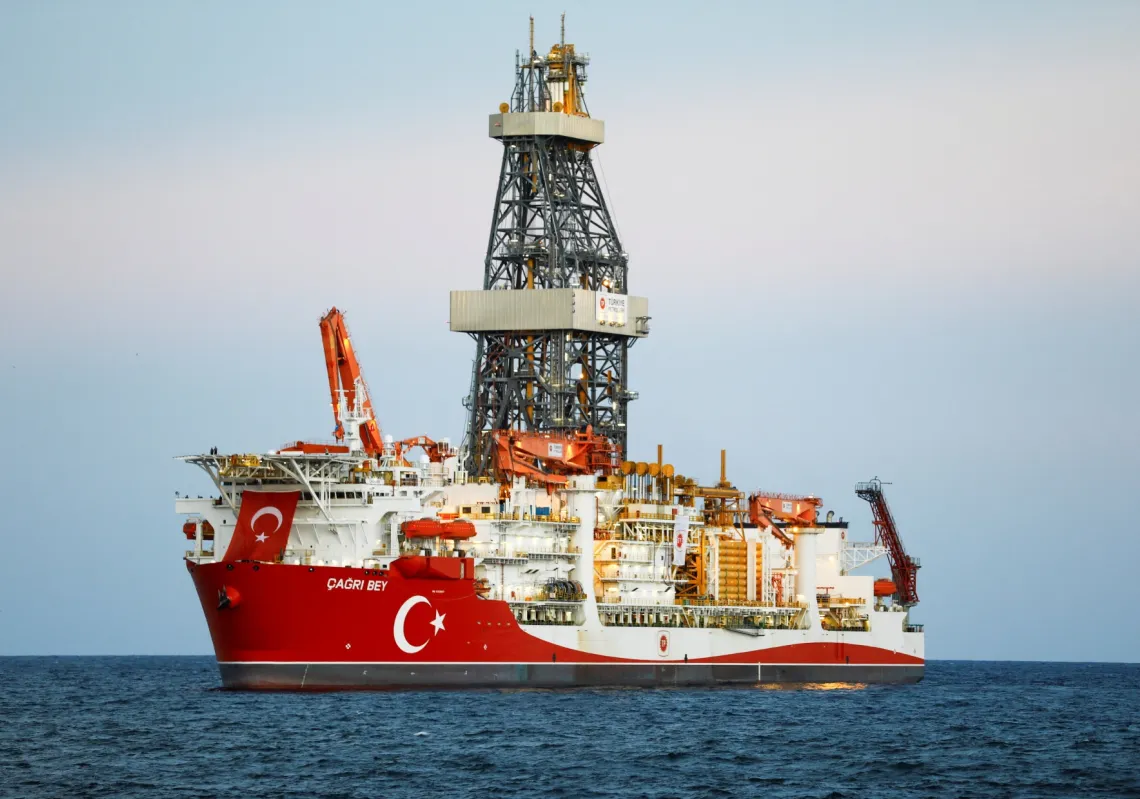
Six years ago, they were issuing threats. Today, it is all smiles and handshakes. Ankara and Cairo disagree on some things, but they are increasingly finding common ground on others.
War in the Gulf has left petroleum importers like Egypt urgently reviewing how to wean themselves off fossil fuels. Ditching the combustion engine is top of the list.
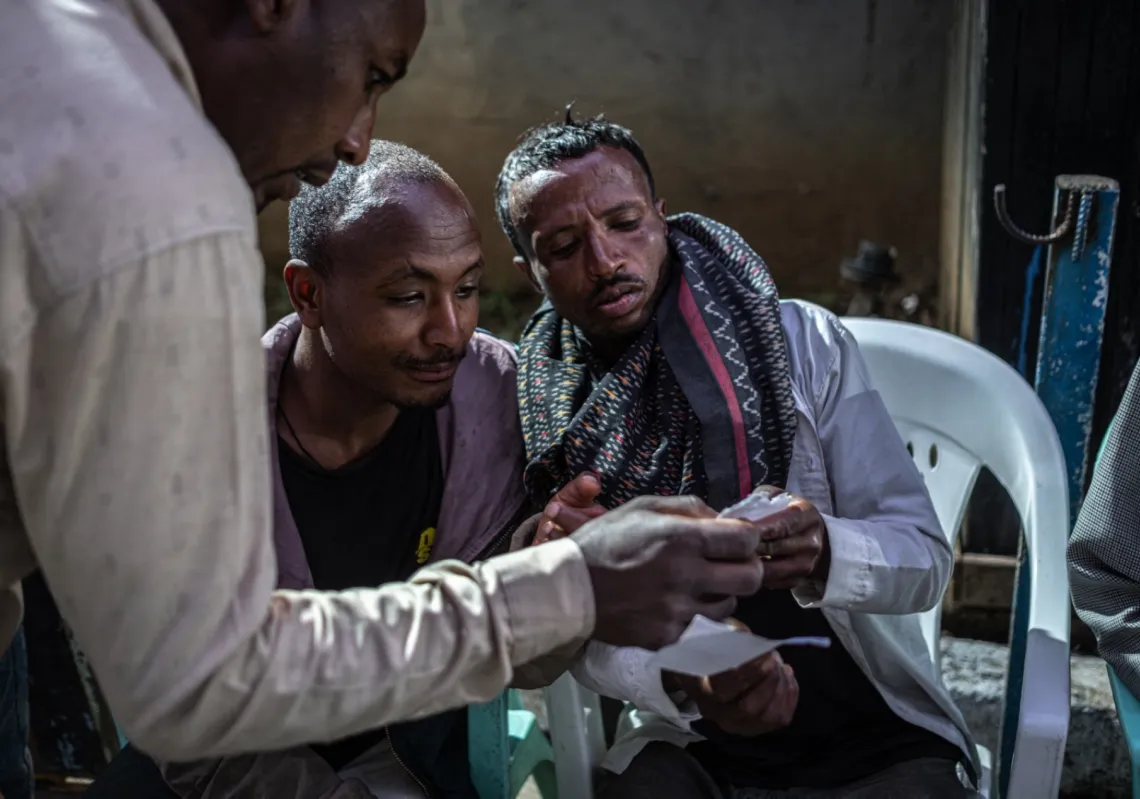
For Addis Ababa, using Djibouti's port for trade is not enough; it wants its own sovereign access to international waters. However, this first needs the consent of suspicious neighbours.
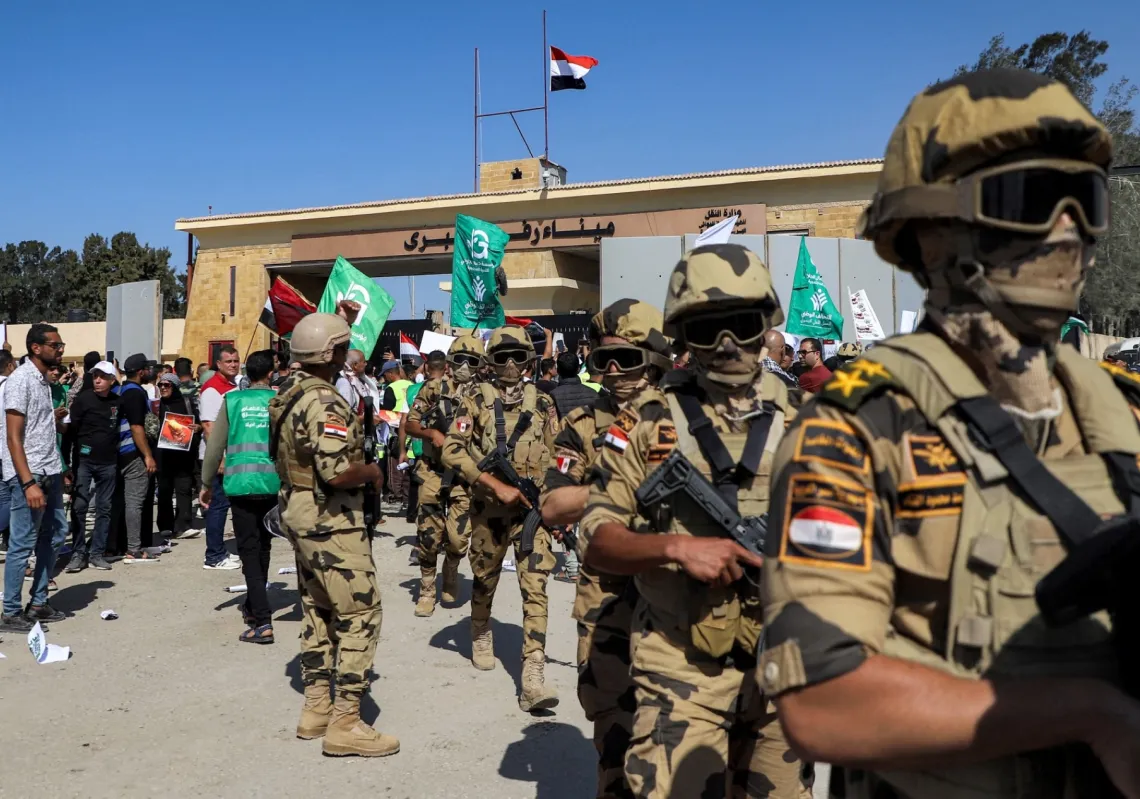
A move towards reconstruction and governance in areas not controlled by Hamas was not the plan but is arguably better than nothing. At least it gives Gazans some hope.
Rising prices, dollar pressures, and Red Sea disruption are making Eid al-Adha increasingly unaffordable, exposing Egypt's dependence on imports and deepening concerns over food security
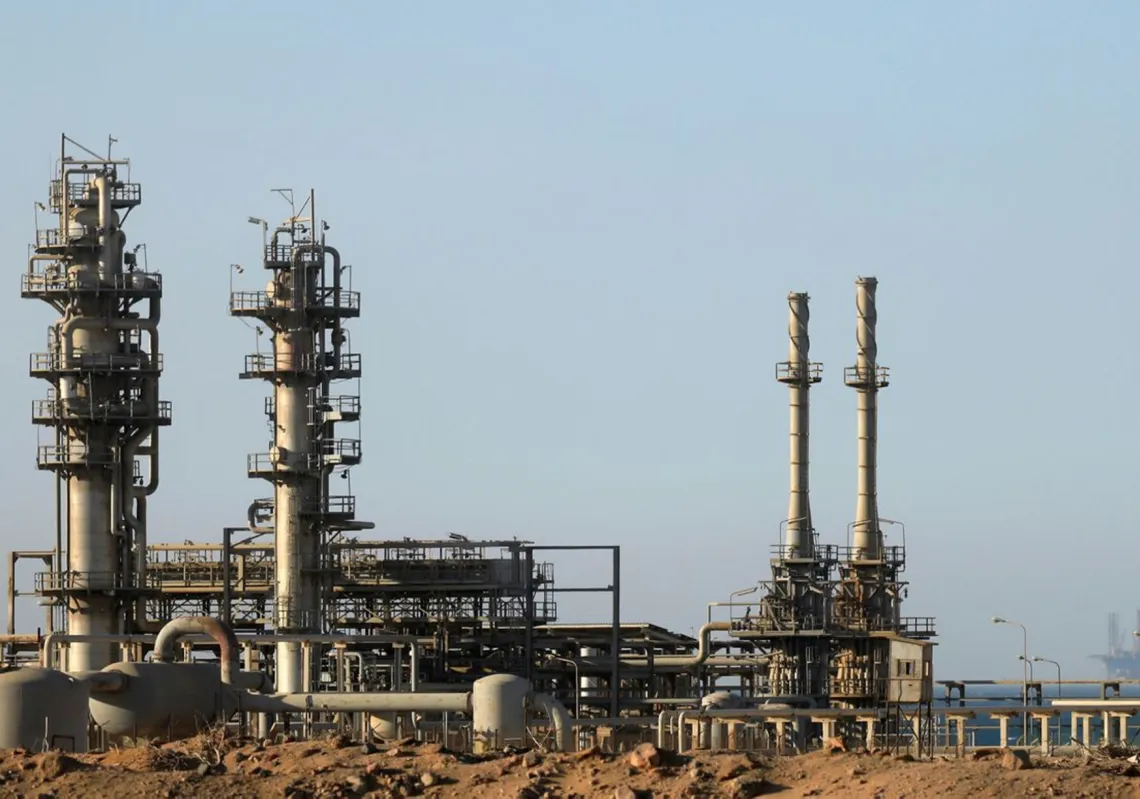
Cairo hopes to gain the trust of partners through its regular payments to energy firms, so that they will be more inclined to invest in gas exploration activities
Xi, Trump and Putin meet at a time of global flux, sparking speculation that the world's three great-power leaders will decide on the contours of a new international order. This won't be the case
From sucking blood to sipping martinis as an agent of the British Secret Intelligence Service, the 40-year-old actor will take over from Daniel Craig as cinema's favourite spy in 2028
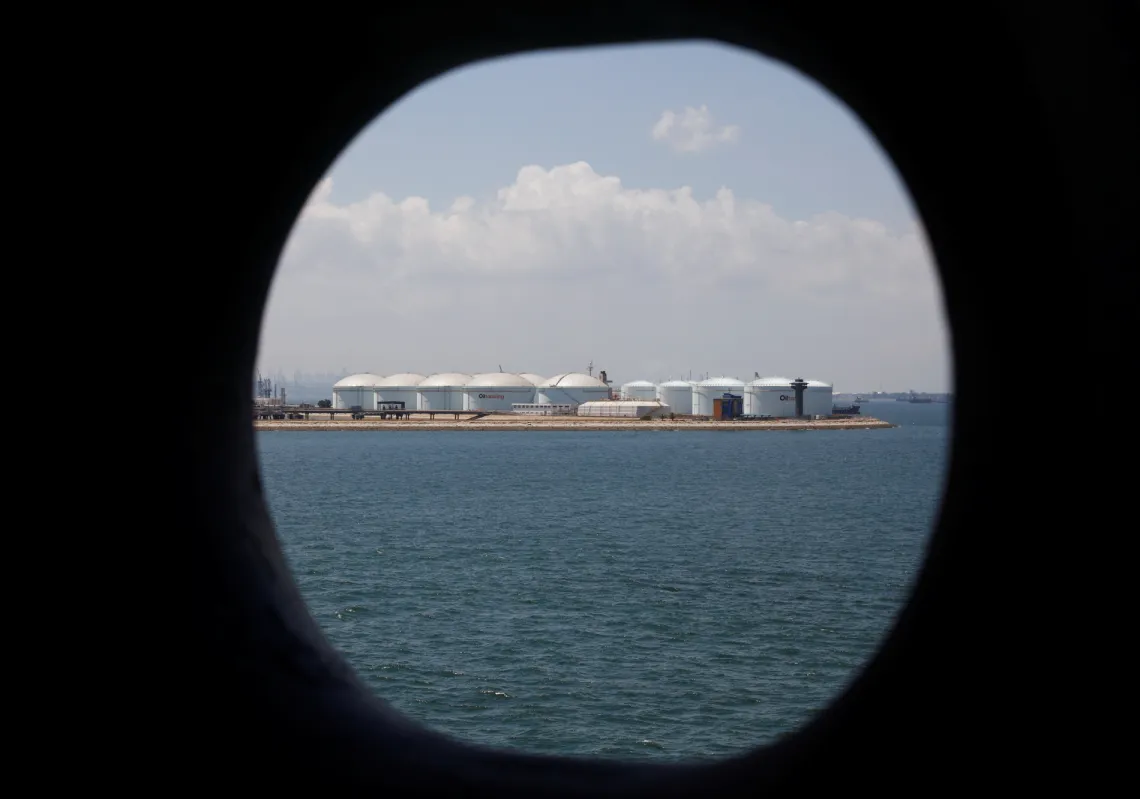
Overseas storage offers the twin advantage of protecting market access during crises and generating commercial value through trading, logistics and distribution