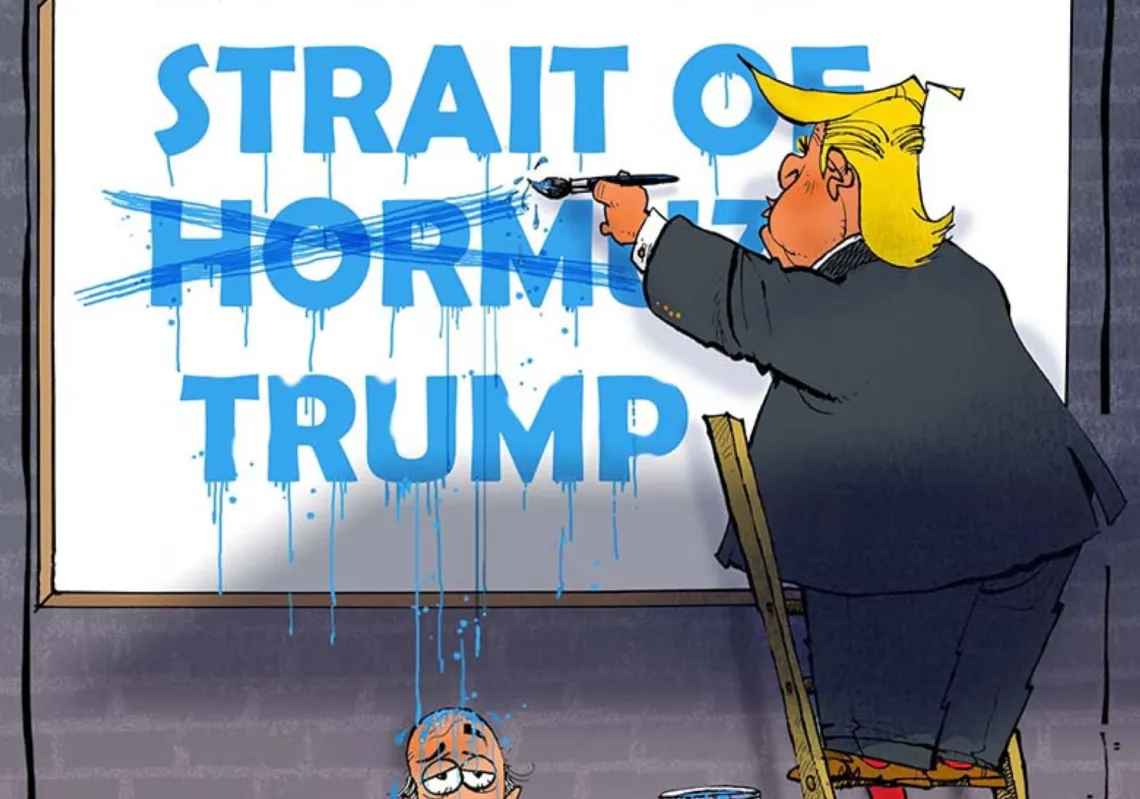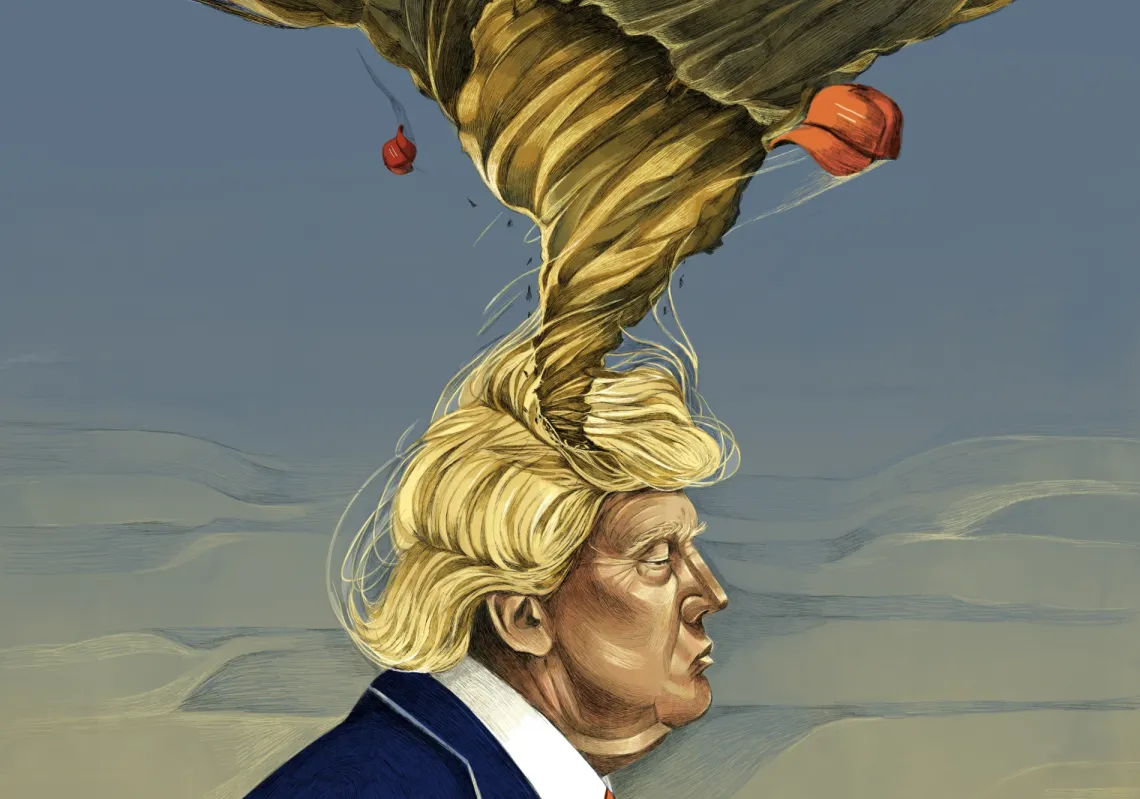
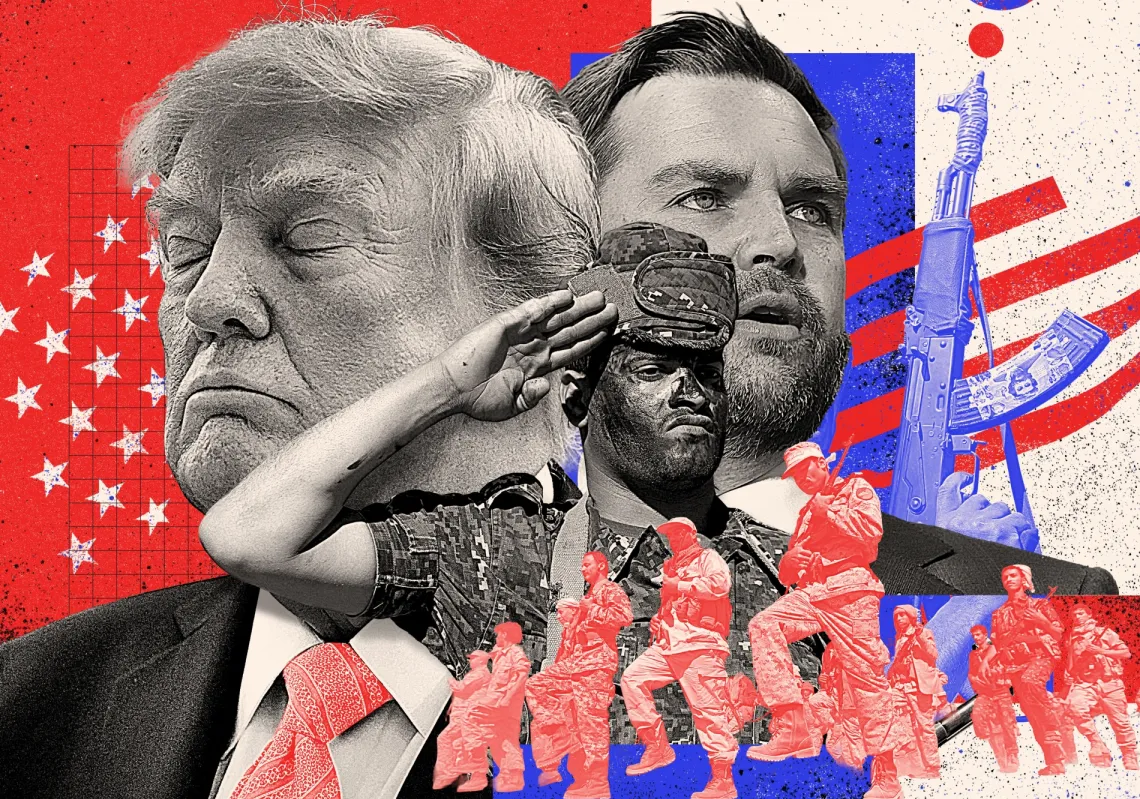
As the US and Iran head to talks in Geneva, competing forces are pulling Trump in opposite directions. There are only two "good" scenarios in front of him, and neither will be easy to achieve.
Trump seems to be ending America's longstanding role as crisis manager, preferring to use decisive force to change realities on the ground before negotiating
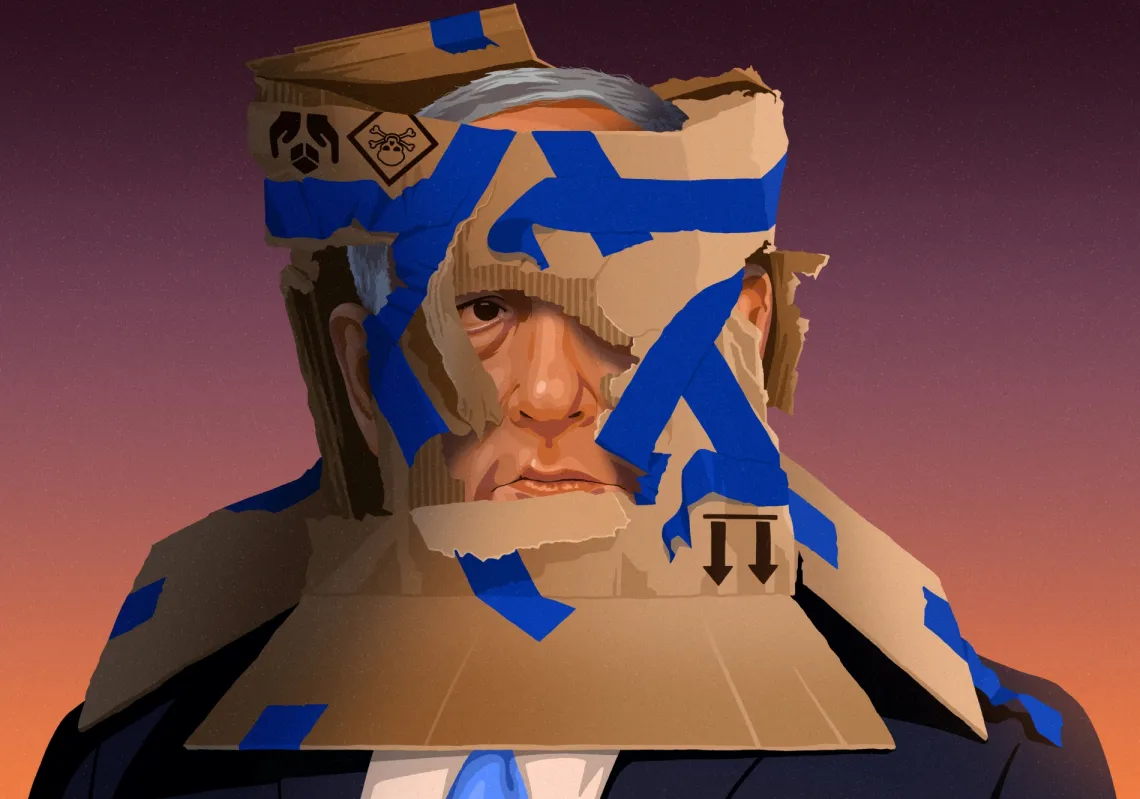
His meeting with Trump on 11 February, moved up a full week from its original date and just after talks began between Iran and the US, isn't a routine consultation between allies—it's an intervention
From Gaza to Ukraine, a coterie close to the president are wheeling and dealing their way through diplomacy's traditional terrain, scoring some wins but creating great confusion
Military strategists have long warned that war should be waged only if those waging it know what they want to achieve. Herein lies a problem: Washington's war aims in Iran are incoherent.
Tehran isn't likely to easily fold if/when Trump attacks. This means that the longer a military confrontation drags out, the more untenable Washington's position becomes.
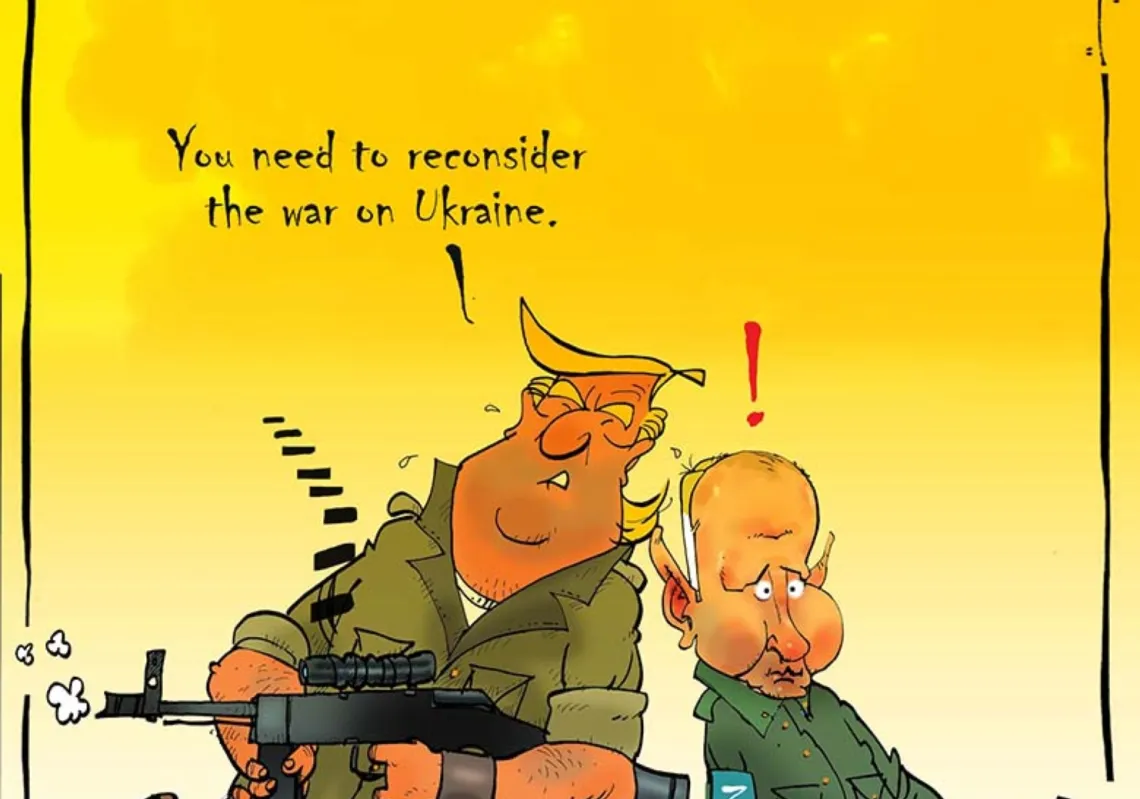
The conflict has forced Russia to scale back its global footprint and NATO to boost its defence spending. Meanwhile, China and Middle powers have emerged as key beneficiaries.
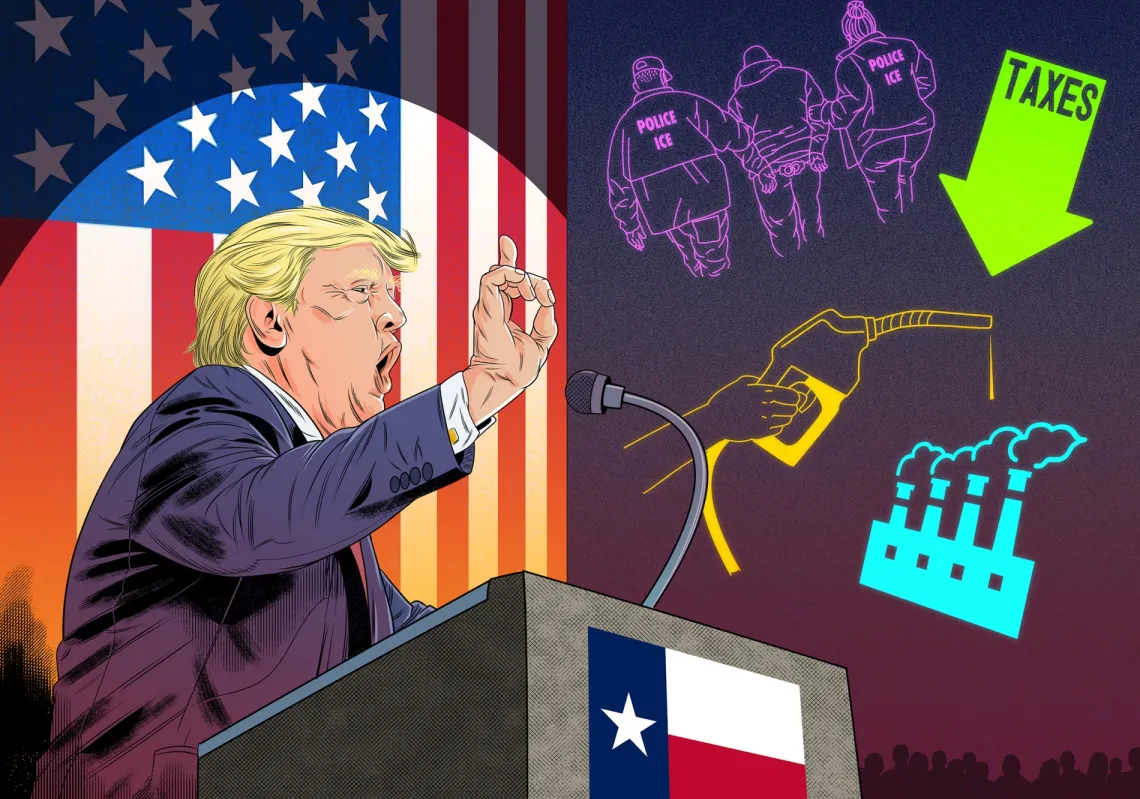
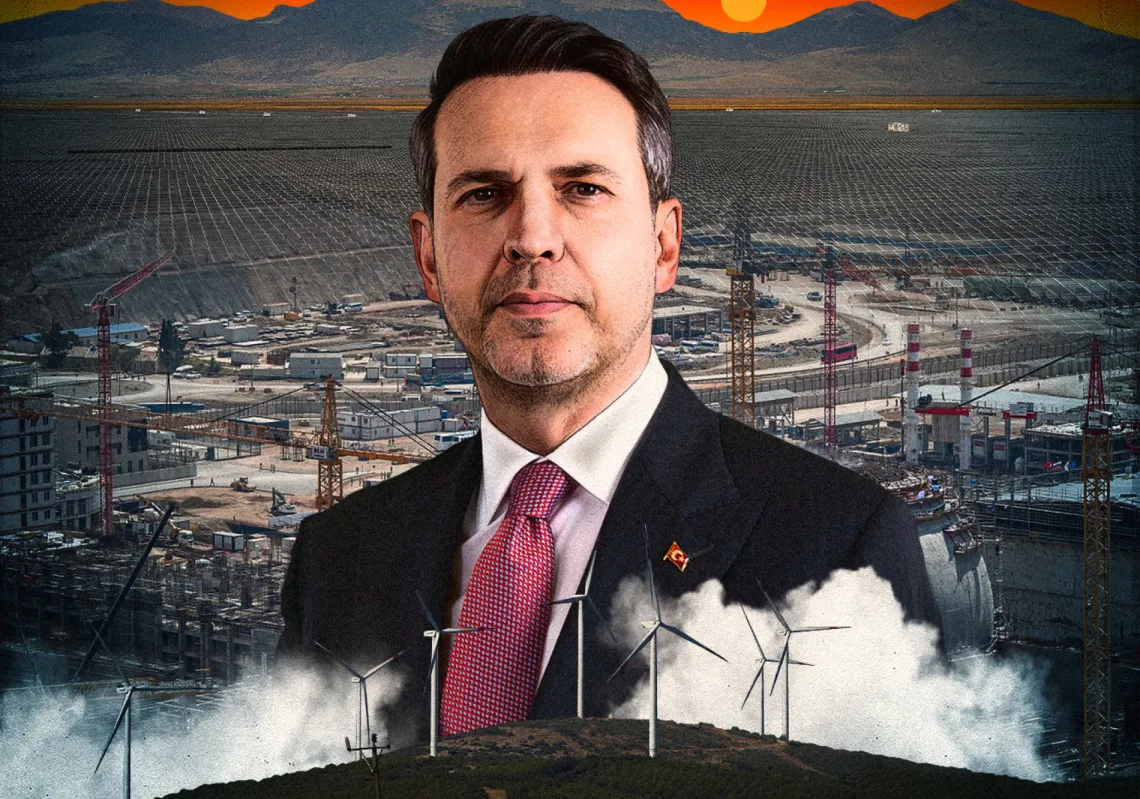
Natural resources like solar, wind, and water are set to provide 36% of global electricity production this year. Even for sceptics like Donald Trump, the trends are unmistakable.
Some point to his possible links to Mossad through his associate Ghislaine Maxwell, whose father was a known Israeli spy, and assert that he blackmailed powerful figures to exert influence
Al Majalla - London
Sign up for the Weekly Newsletter
Get the best of Al Majalla, straight to your inbox.