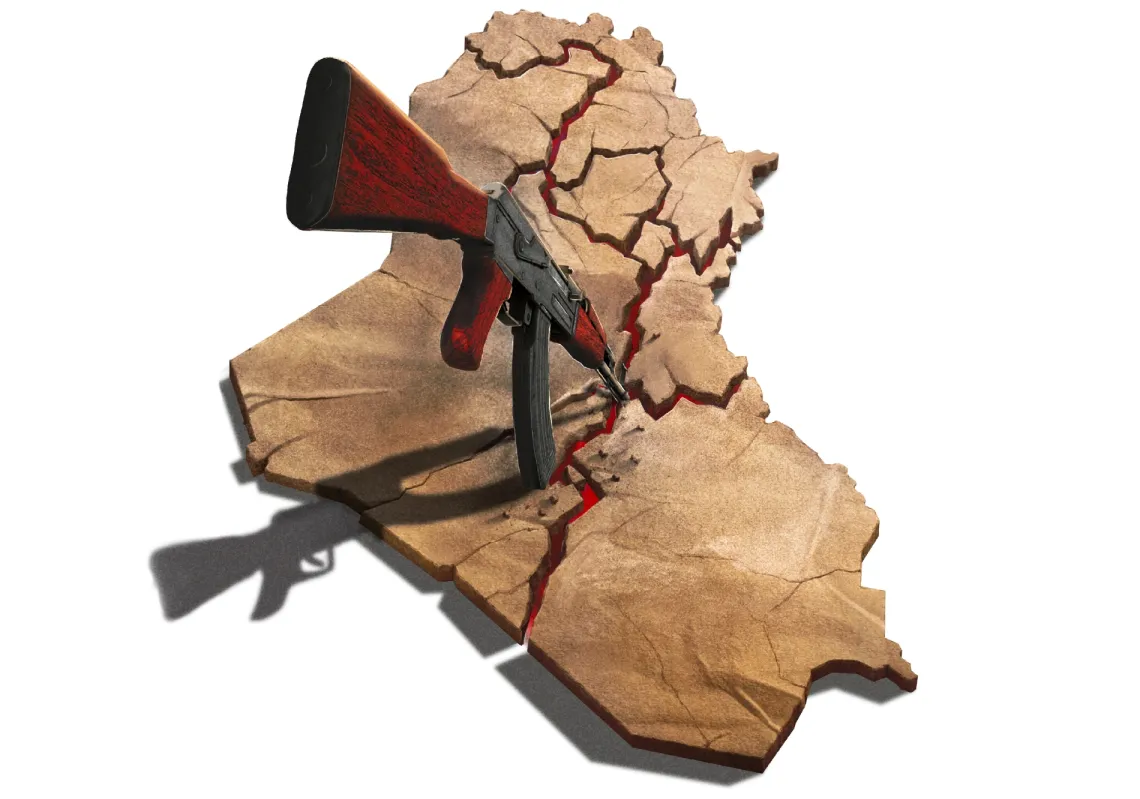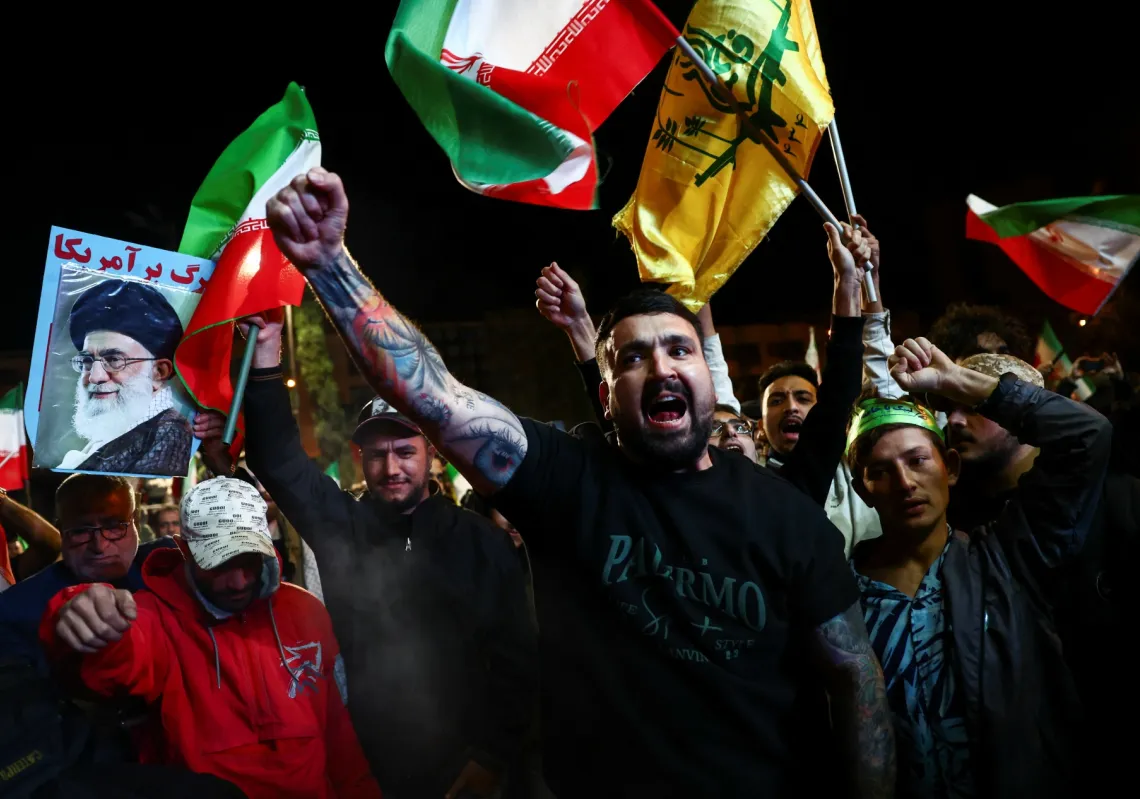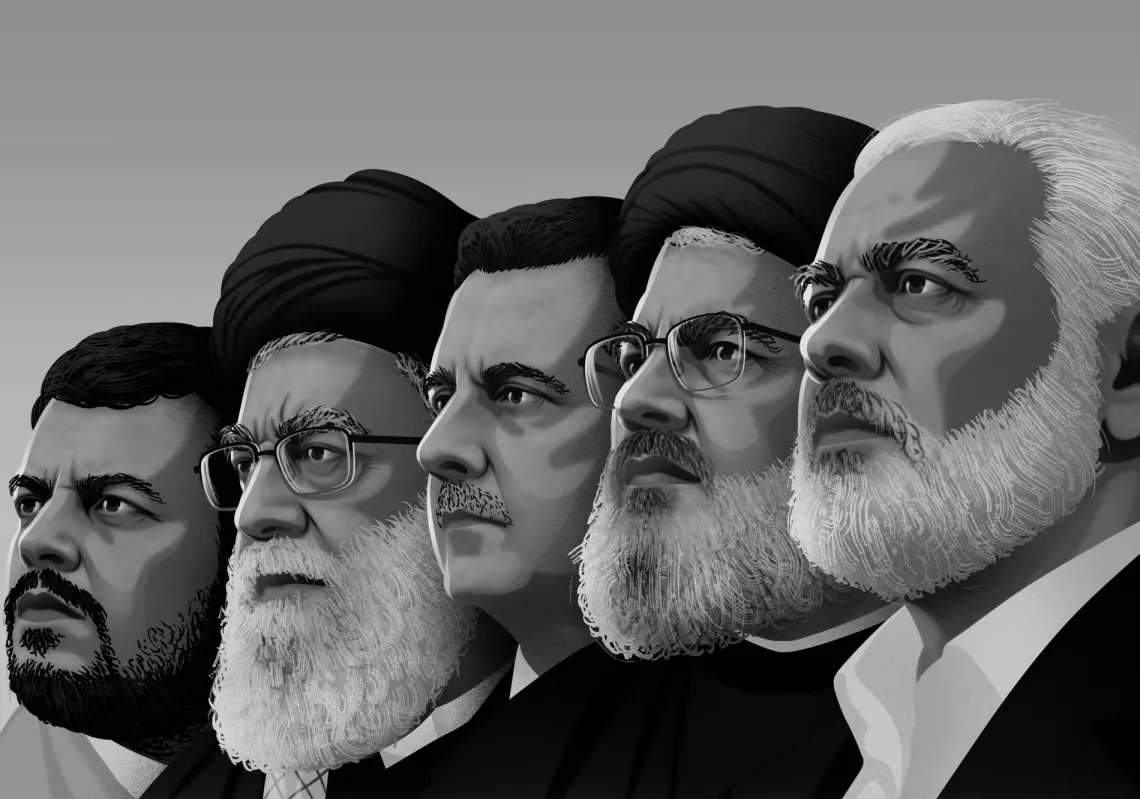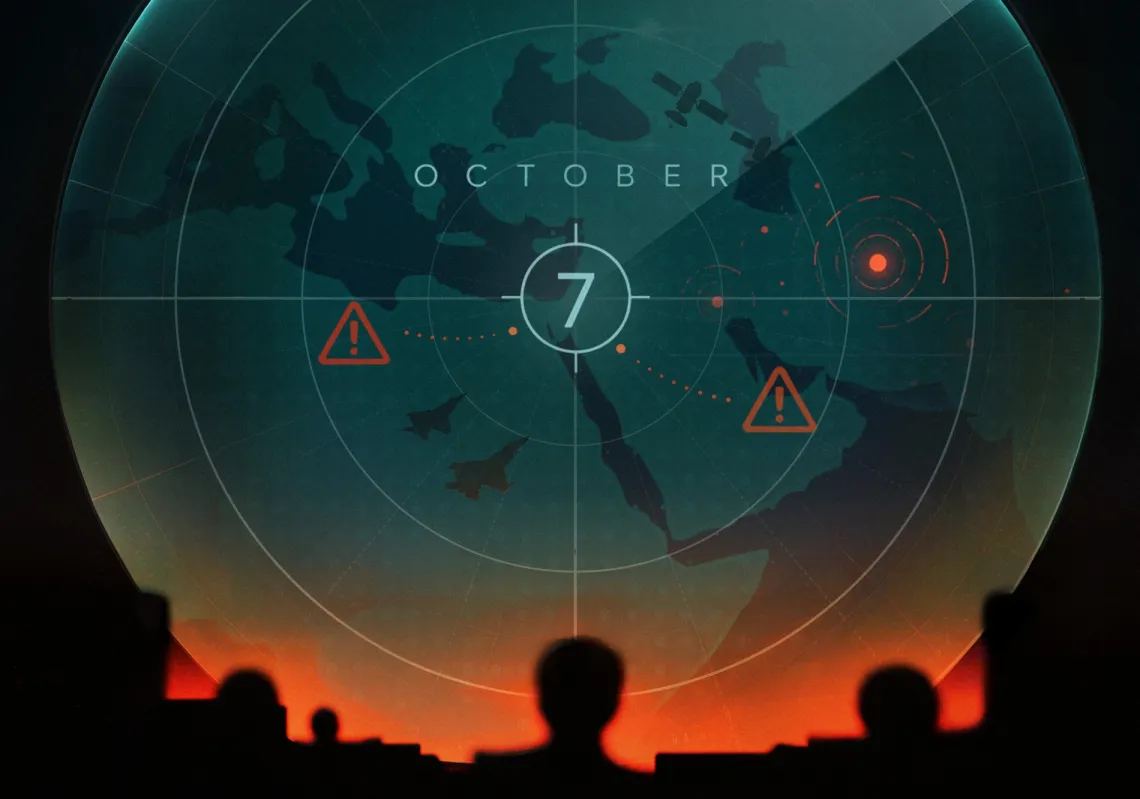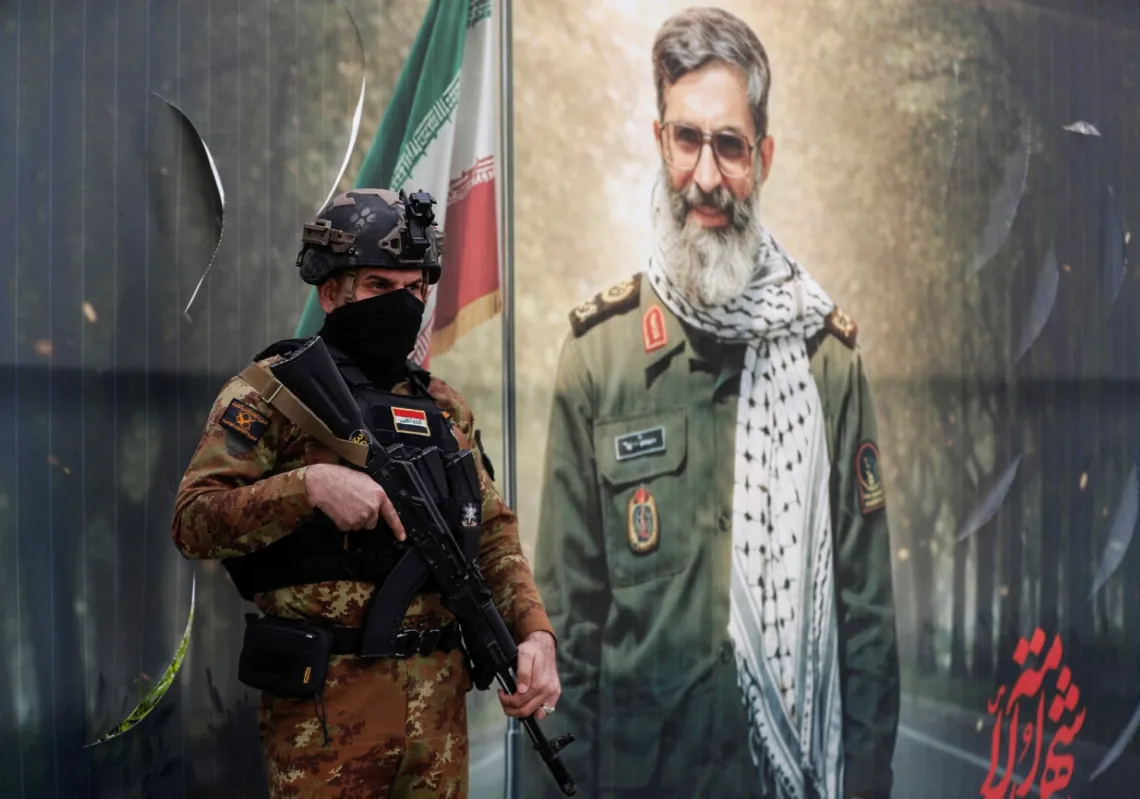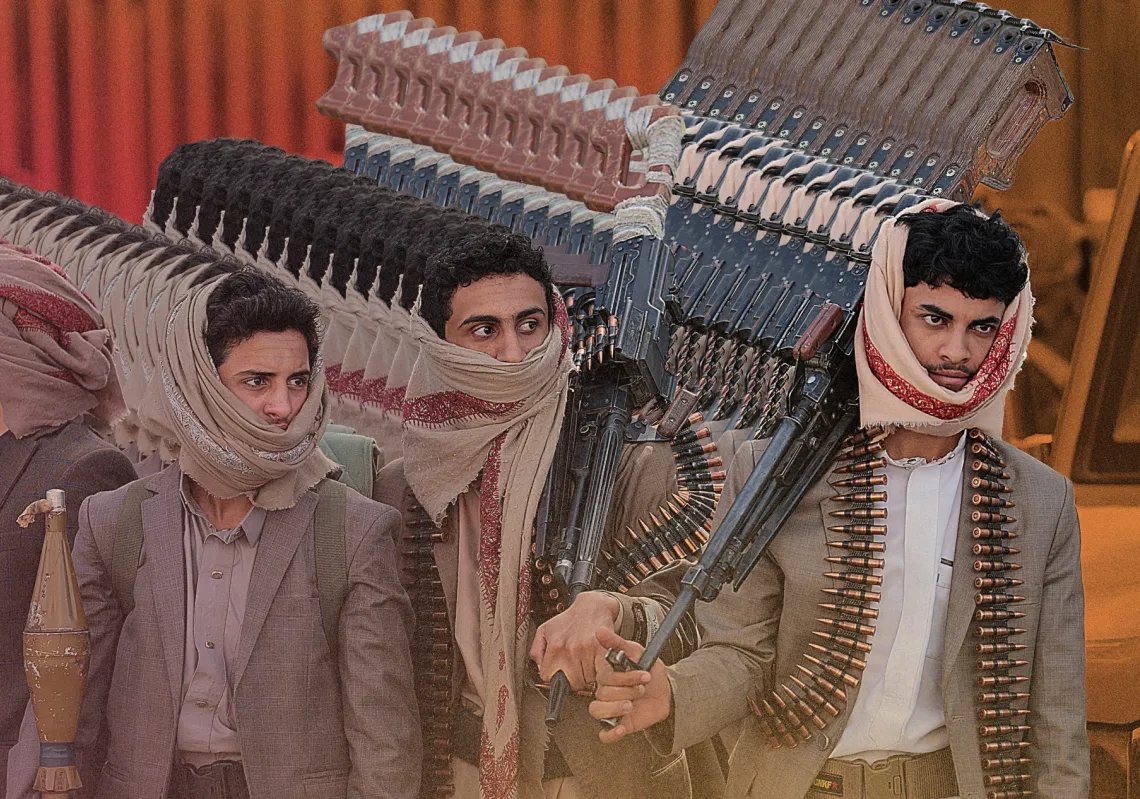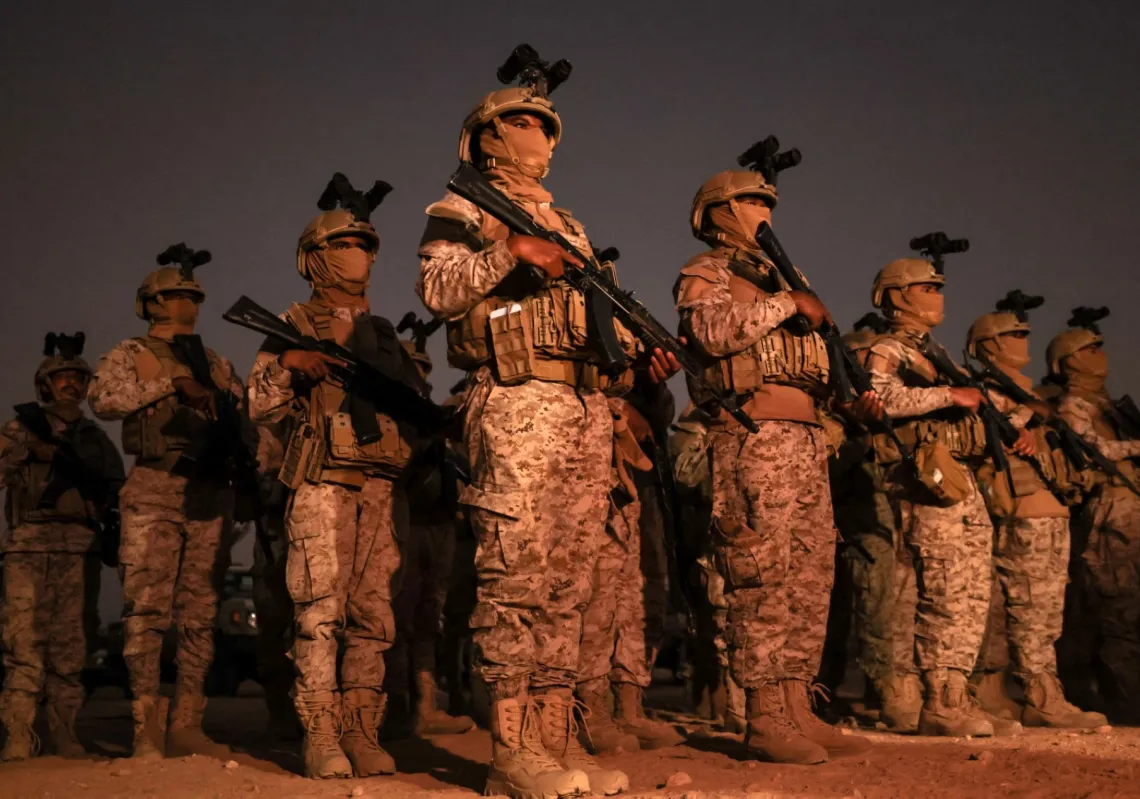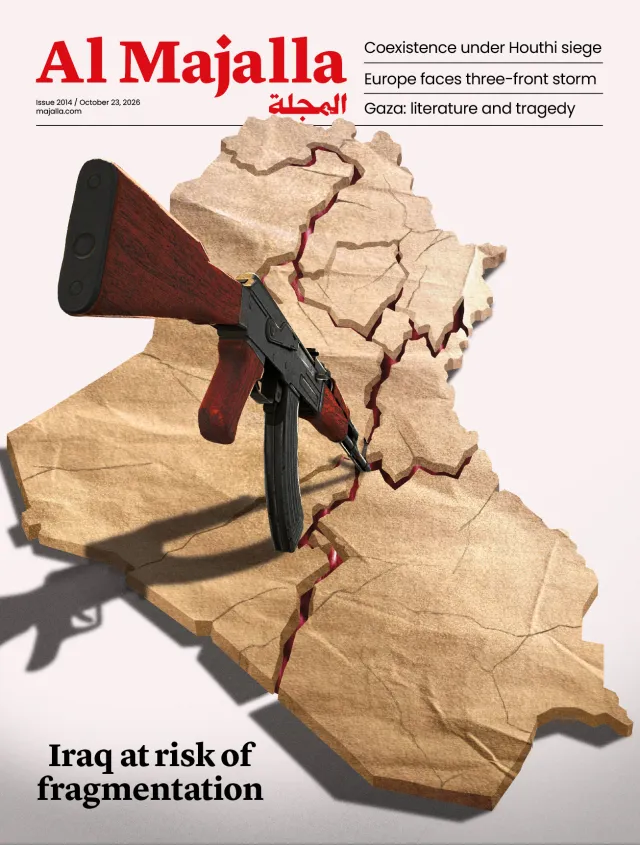
Since the October 7 2023, Hamas attack on Israel, the balance of power in the Middle East has changed profoundly. Iran’s regional ‘Axis of Resistance’, once seen as a coherent network of influence stretching from Tehran to Baghdad, Damascus and Beirut, has been dealt a series of devastating blows.
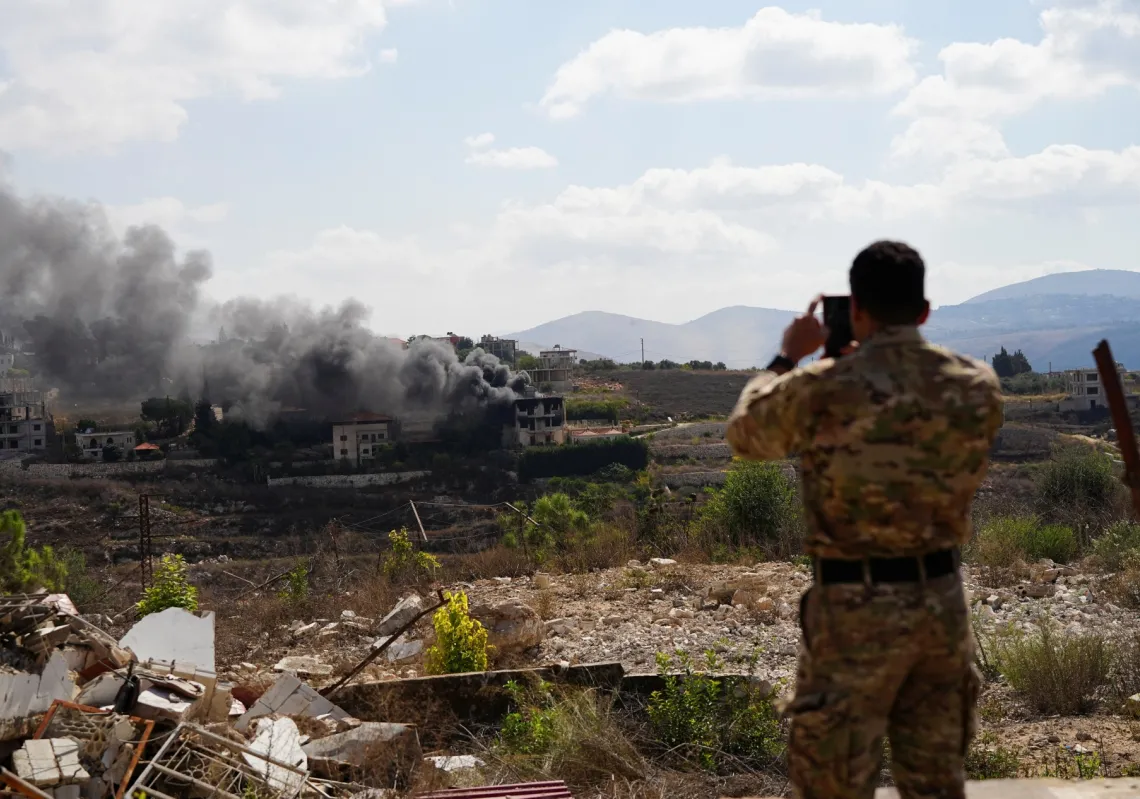
Lebanon’s Hezbollah—a key player in the axis—has been particularly affected. The walls appear to be closing in on the group from all directions. On one side, the regional axis as a whole has been weakened; on the other, Israel has decapitated its leadership and significantly degraded its weapons arsenal. Furthermore, it has experienced setbacks at home with the formation of a new government that has stressed the need to restore state authority, disarm Hezbollah, and curb Iranian influence in the country.
As these pressure nodes intensify, the walls appear to be closing in on the Lebanese group that has ruled supreme for the greater part of the 21st century, prompting the question: is it The end of Hezbollah? This is the topic of this week’s cover story.
Al Majalla unpacks the scenarios facing the group from all angles: international, regional and domestic. While Hezbollah is unlikely to disappear entirely, a more plausible outcome is that it changes its function and orientation. The developments of the coming weeks will be telling, especially if Israel is able to make significant gains on the battleground.