As the leaders of India and China convene in Tianjin for the SCO summit, their meeting shines a light on a push by global economies to cement new trade architectures away from the West
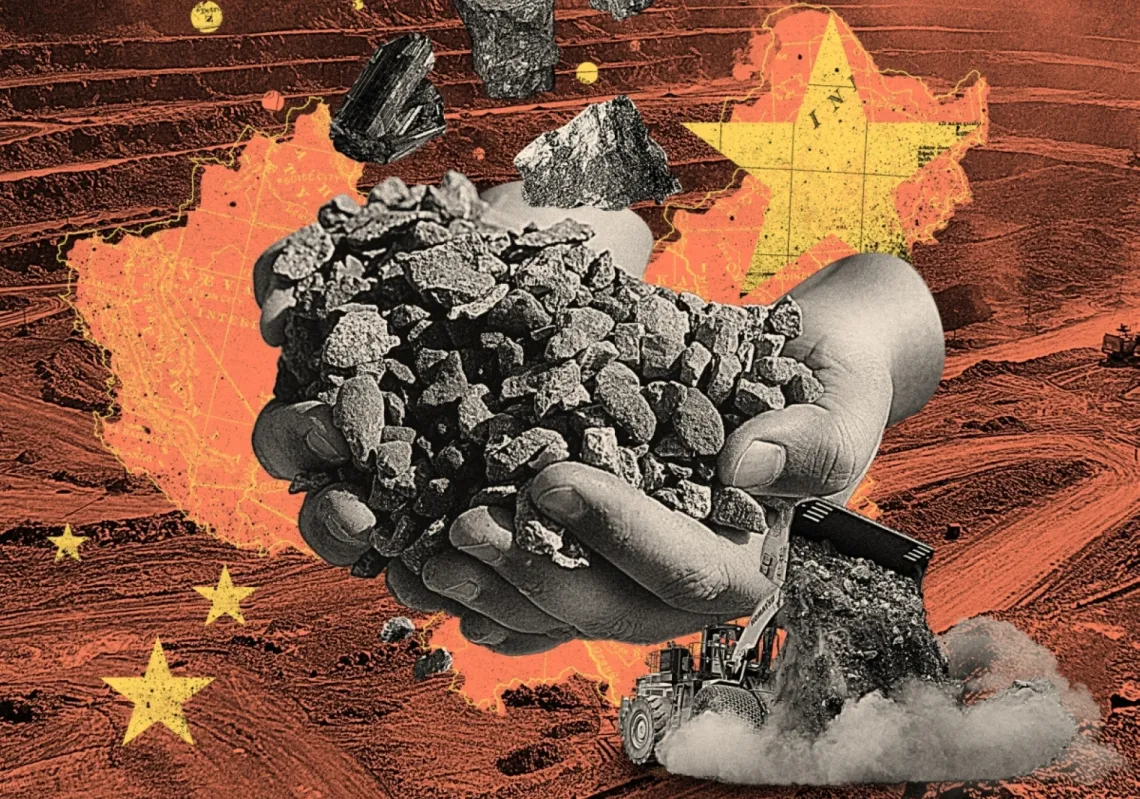
China's iron grip on the rare earths needed in today's most strategic industries is something that US President Donald Trump appears to be focused on, but the fight also involves Europe
America’s economy heavily depends on imported minerals vital for technology, energy, and defence. In 2024, the US was 100% import-reliant for 12 of the 50 “critical” minerals identified by the US…
Countries under the most pressure include key BRICS members, but even some allies like Canada have been hit hard. Those in the 10% club seem to have gotten the best deal. Who are they?
The bonds between Japan and the Middle East are based on trust and respect, since both seek peace and stability in the region. In these newly dangerous times, that bond is even more important.
These days, Cairo looks more to Beijing and Moscow than to Washington, a policy change with its roots in the toppling of Hosni Mubarak more than a decade ago.
If only US officials had hit upon the ingenious idea of meeting their Chinese counterparts in person before Liberation Day, much global economic turmoil could have been avoided
China has been quietly working to rewrite the rules of global trade and finds itself in a strong position in the current trade war launched by Washington. A look around the world shows why.
In response to US President Donald Trump's so-called "Liberation Day" tariffs in early April, which have since imposed levies on China of up to 245%, Beijing imposed export controls on seven key…
As support for Israel weakens across the US political spectrum, once-taboo questions about military aid, lobbying influence, and US backing are moving into the mainstream
Algeria is one of Africa's largest producers of hydrocarbons, and its proximity to customers in Europe makes it of growing interest as importers fret over a prolonged supply crisis from countries
Through extravagant processions led by palace women, the Mamluk state projected a message of power and prestige at home and abroad, turning the Hajj obligation into a soft-power tool