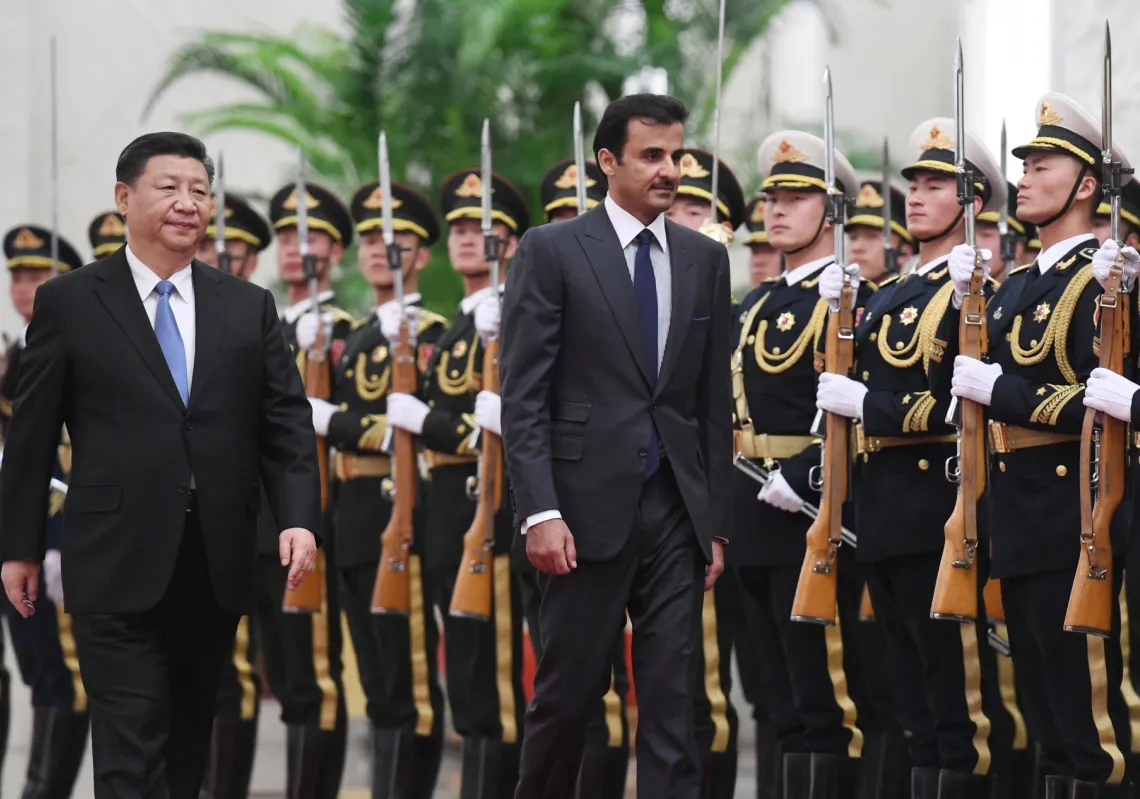

When China’s President Xi Jinping inaugurated Peru’s Chancay megaport in November 2024, he was doing far more than opening a Chinese offshore project; he was executing a vision that has reshaped global power three times before and is poised to do so again.
The $1.3bn deep-water facility, capable of handling the world’s largest container ships, is an audacious Chinese attempt to rewrite the economic geography of the Pacific, challenging 200 years of American hegemony in the Western hemisphere through infrastructure, the geopolitical consequences of which will only be seen in future decades. Modern history shows that whoever controls the world’s strategic maritime passages shapes not just trade routes but the very architecture of global power.
The Suez Canal, opened in 1869, eliminated the need for European vessels to circumnavigate the southern tip of Africa, cutting the London-Bombay journey by 6,000 miles. Britain’s control over the canal became a linchpin of its imperial power, cementing London’s position at the centre of global finance and trade. When Egyptian President Gamal Abdel Nasser nationalised the canal in 1956, it marked the end of British and French imperial dominance, replacing it with US-USSR Cold War bipolarity.
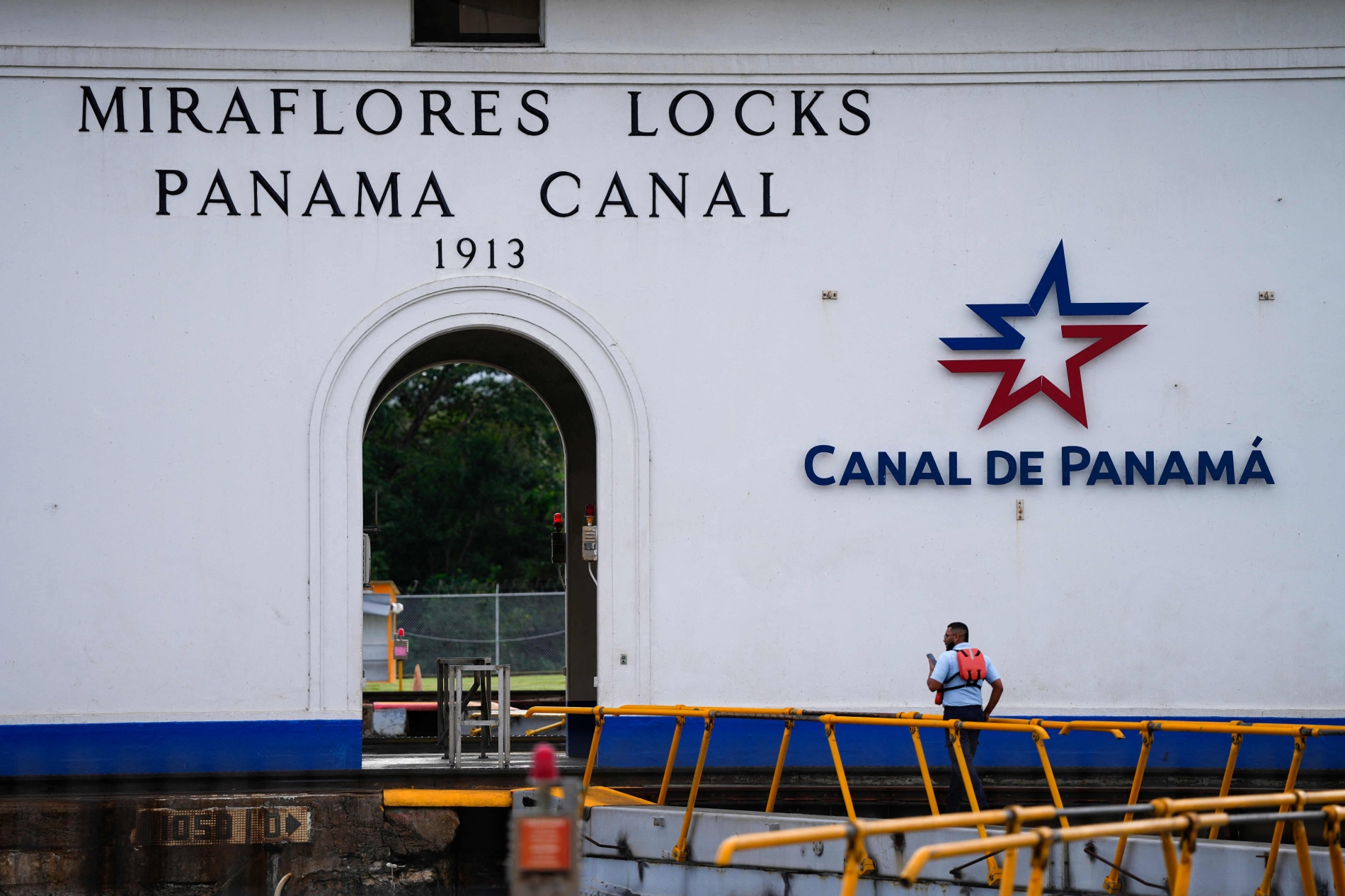
The Panama Canal, completed in 1914, similarly rewrote global trade patterns. By compressing an 8,000-mile voyage around Cape Horn into a 48-mile passage, it fundamentally altered the economics of trans-oceanic trade. Every cargo vessel moving between these two oceans had to pass through the (then) US-controlled territory, giving Washington both revenue and leverage over global trade flows. Yet the canal’s strategic importance extended beyond commerce—it enabled the US Navy to project power across two oceans simultaneously, which proved decisive in both World Wars.
The Strait of Malacca further illustrates how natural chokepoints define contemporary geopolitics. Approximately 25% of global oil shipments and 60% of Chinese energy imports pass through this narrow waterway off the coast of Malaysia. China’s ‘Malacca Dilemma’ (i.e. the prospect that the US may force the strait’s closure in the event of conflict) has driven huge investment in alternative routes, such as land pipelines through Myanmar and Pakistan, Arctic shipping routes, and the overland corridors across Central Asia that form part of Beijing’s Belt and Road Initiative (BRI).
Restructuring trade
Against this historical backdrop, the Chancay port’s transformative potential becomes clear. China is creating a new maritime opening that will restructure trans-Pacific trade flows and pivot the economic centre of gravity in the Pacific away from North America and toward East Asia. This is a significant geopolitical development in the Americas, the full implications of which will only materialise over decades as infrastructure reshapes investment patterns, supply chains, and continental economic dynamics.
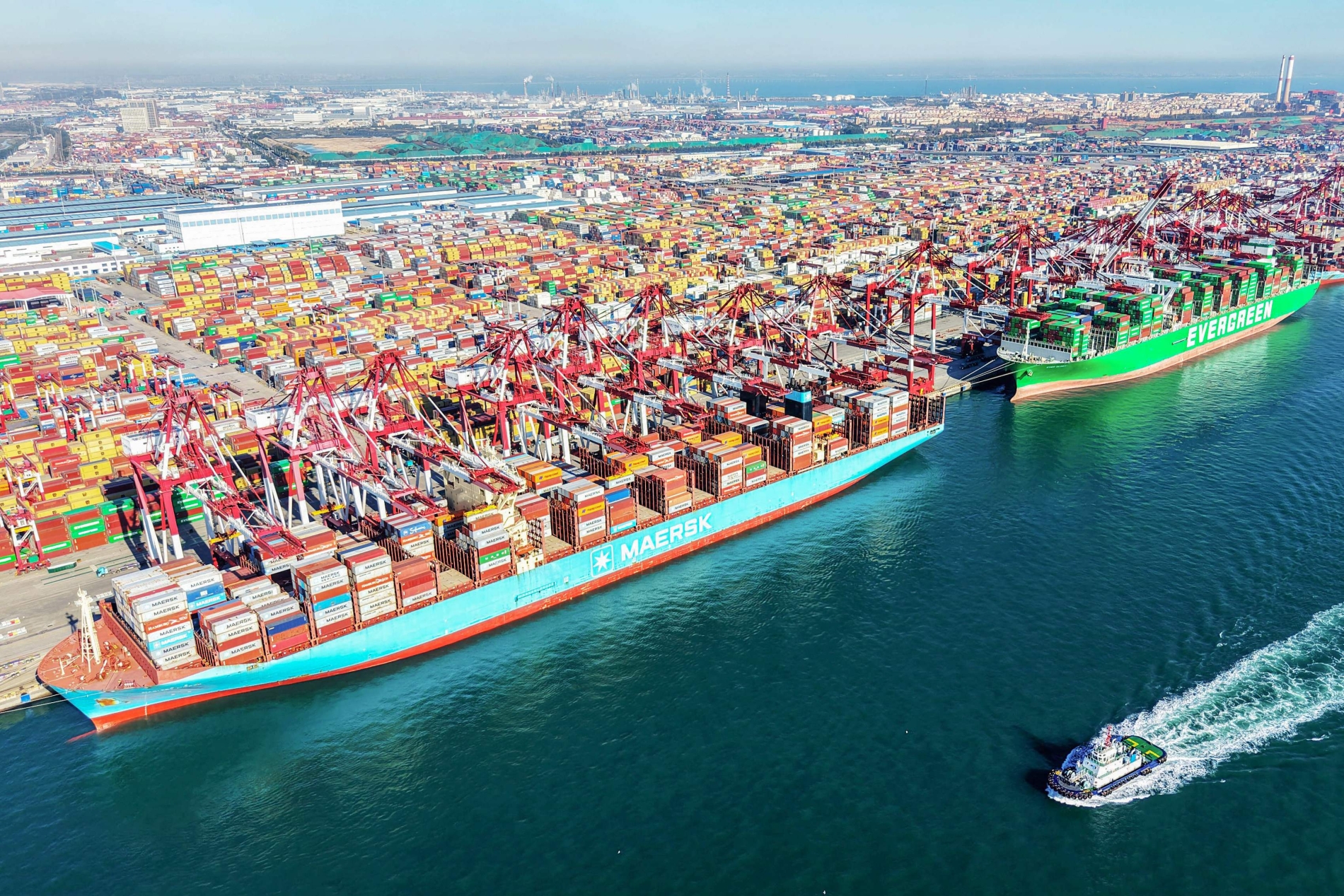
Chancay can accommodate vessels carrying up to 18,000 containers (called Twenty Foot (20ft) Equivalent Units, or TEUs). Such mega-ships increasingly dominate transoceanic trade but are too big to transit the Panama Canal, which is limited by its locks system to vessels carrying 14,000 TEUs.
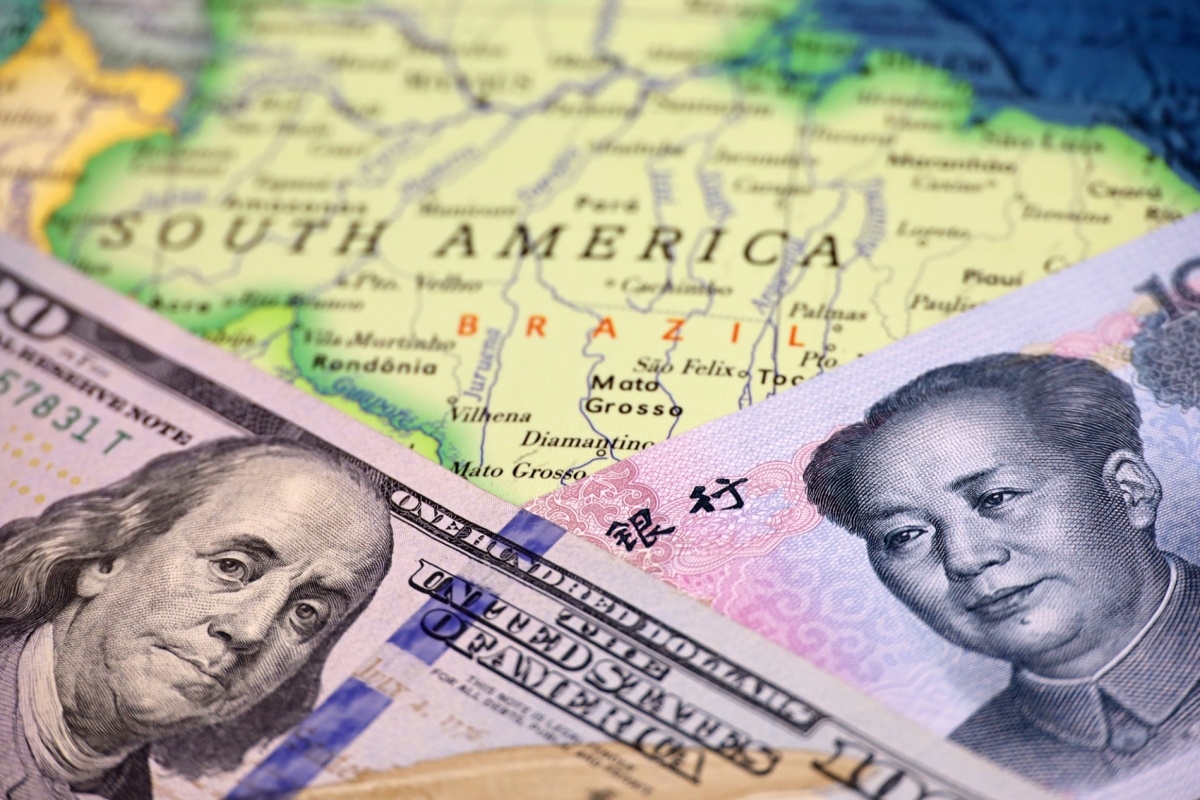
Beyond its capacity advantage, the port’s more important role is as the anchor in a 2,600-mile bi-oceanic corridor that Chinese state-owned companies are financing. This corridor cuts across South America using railways and highways. From Chancay, it heads over the Andes to Brazil’s agricultural heartland via Bolivia, creating a new trade routes that bypasses the traditional Panama passage.
There are economic calculations in this. Take Brazilian soybeans, destined for Chinese markets. They currently travel to Atlantic ports like Santos, then either pass through Panama or sail around South America, taking up to 40 days. Via Chancay and the bi-oceanic corridor, the same cargo would reach Shanghai in 23 days, while reducing transportation costs by around 20%.
The significance of a new corridor extends beyond shipping efficiency. Chancay creates a Chinese-operated infrastructure immune to US embargo. In any future crisis between the US and China, the Panama Canal could become vulnerable to US pressure, up to and including a naval blockade. Chancay offers Beijing an alternative route over which it has leverage.
Given that infrastructure determines development patterns over decades, Chancay will gradually reorient the South American economy. For 500 years, South American cities, industries, and transport networks faced the Atlantic, reflecting colonial histories and commercial ties to Europe and North America. Now, Chinese investment is turning the continent back toward the Pacific. Peru, Bolivia, and western Brazil are becoming gateways to Asian markets, not hinterlands of Atlantic commerce.
It is expected that industries will locate near the Pacific to minimise distance to Asian markets and agricultural production will shift towards crops with demand from China. These changes create path dependencies that last for generations, just as the Panama Canal shaped American hemispheric dominance for more than a century.
Late to the problem
The United States is belatedly recognising the issue. When Washington was treaty-bound to hand over canal operations to Panama on 31 December 1999, there was little attention paid to the canal’s two new port operators. CK Hutchison Holdings secured long-term concessions for the ports of Balboa and Cristóbal, but the company is controlled by Hong Kong billionaire Li Ka-shing, who has deep ties to Beijing. While Panama maintained canal sovereignty, Chinese corporate control of terminal facilities gave Beijing influence over cargo flows, pricing, and logistics prioritisation.
Chinese firms further operate, or hold significant stakes in, more than a dozen major Latin American ports. COSCO Shipping Ports controls terminals in Peru, Brazil, Argentina, and Uruguay, while China Merchants Port Holdings operates facilities in Colombia and Panama. This gives China influence and control over the economic artery through which trade flows. With characteristic bluntness, US President Donald Trump grasped this vulnerability in recent years, repeatedly pledging to “take back” the canal, arguing that Chinese port control threatens US strategic interests.