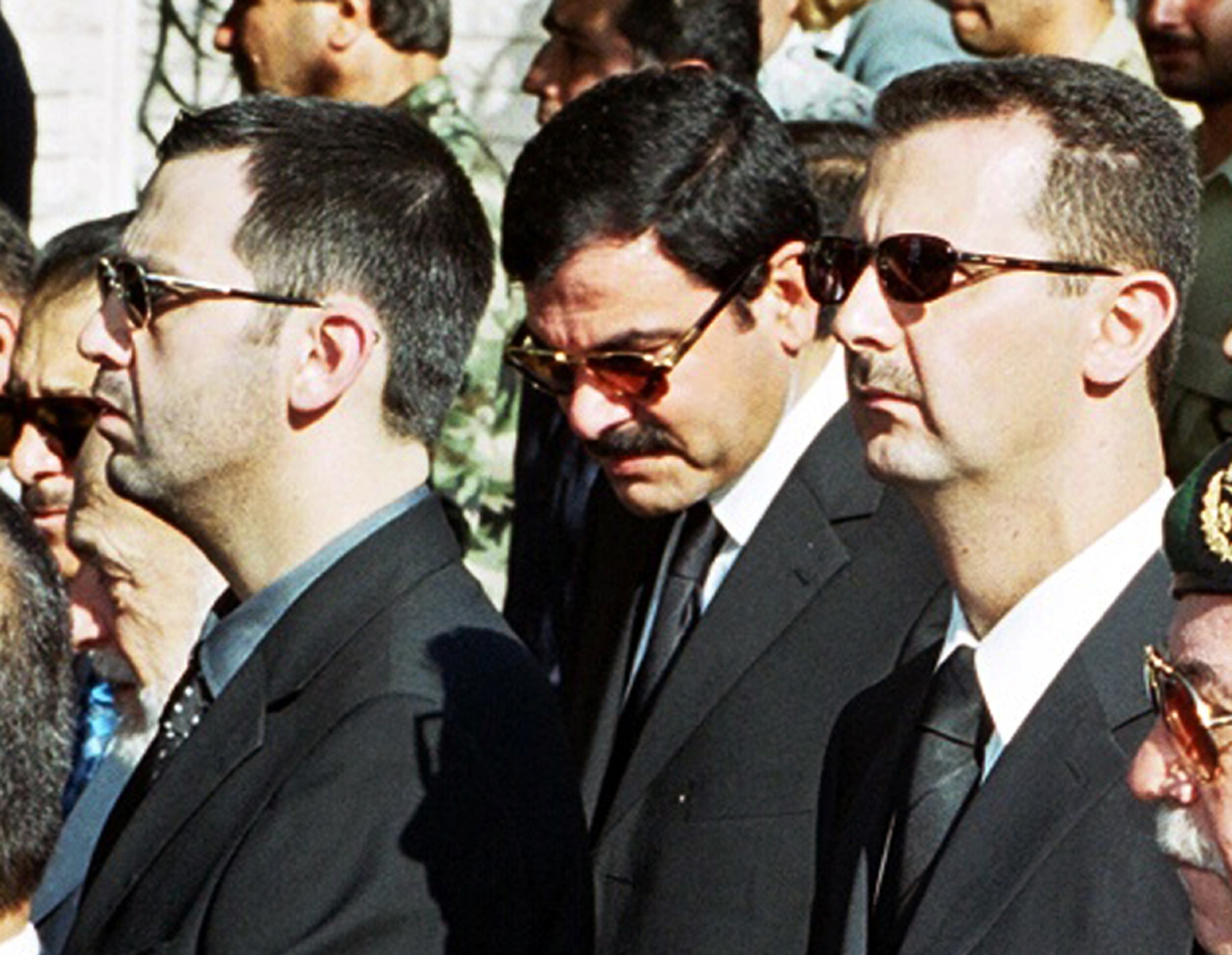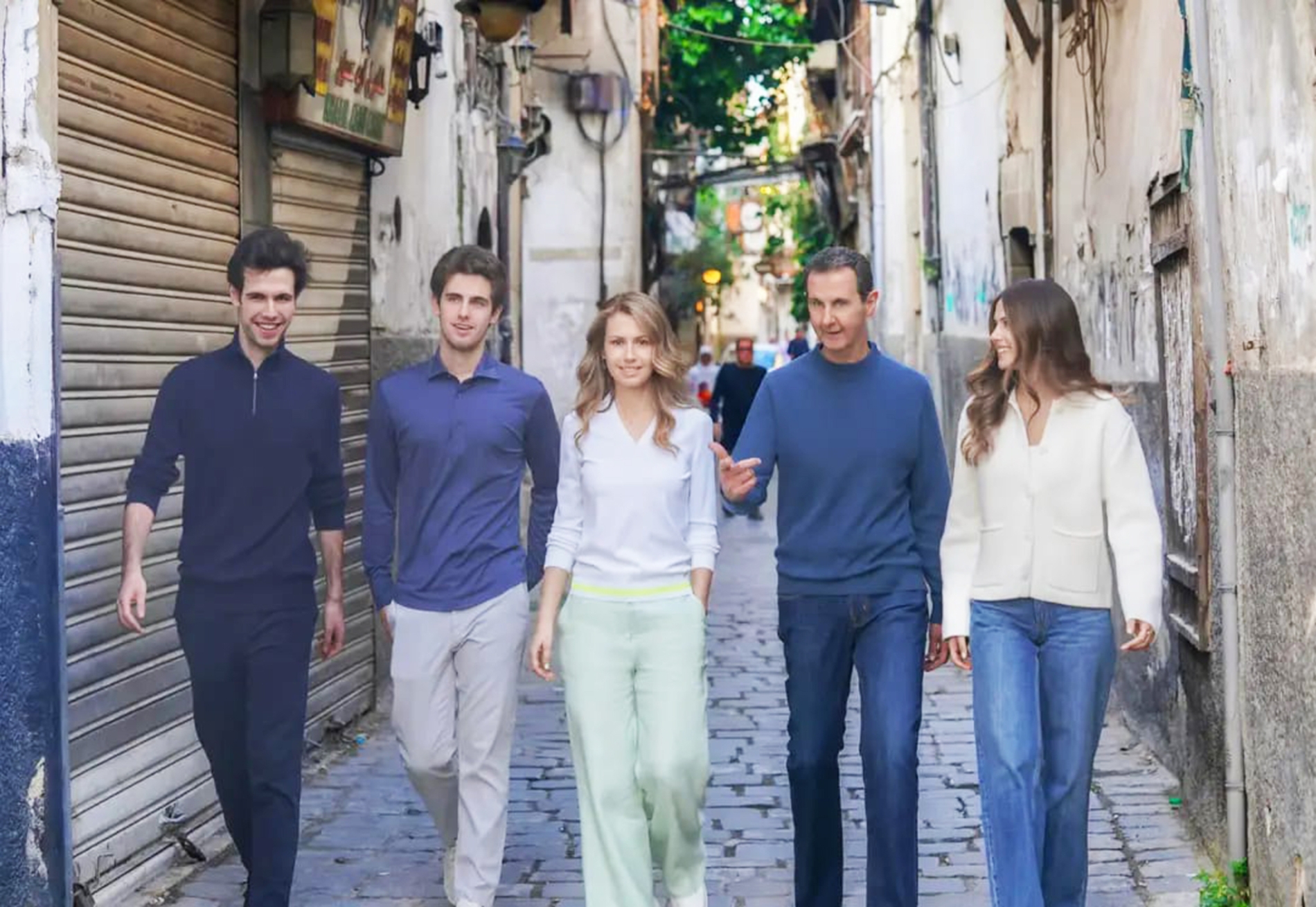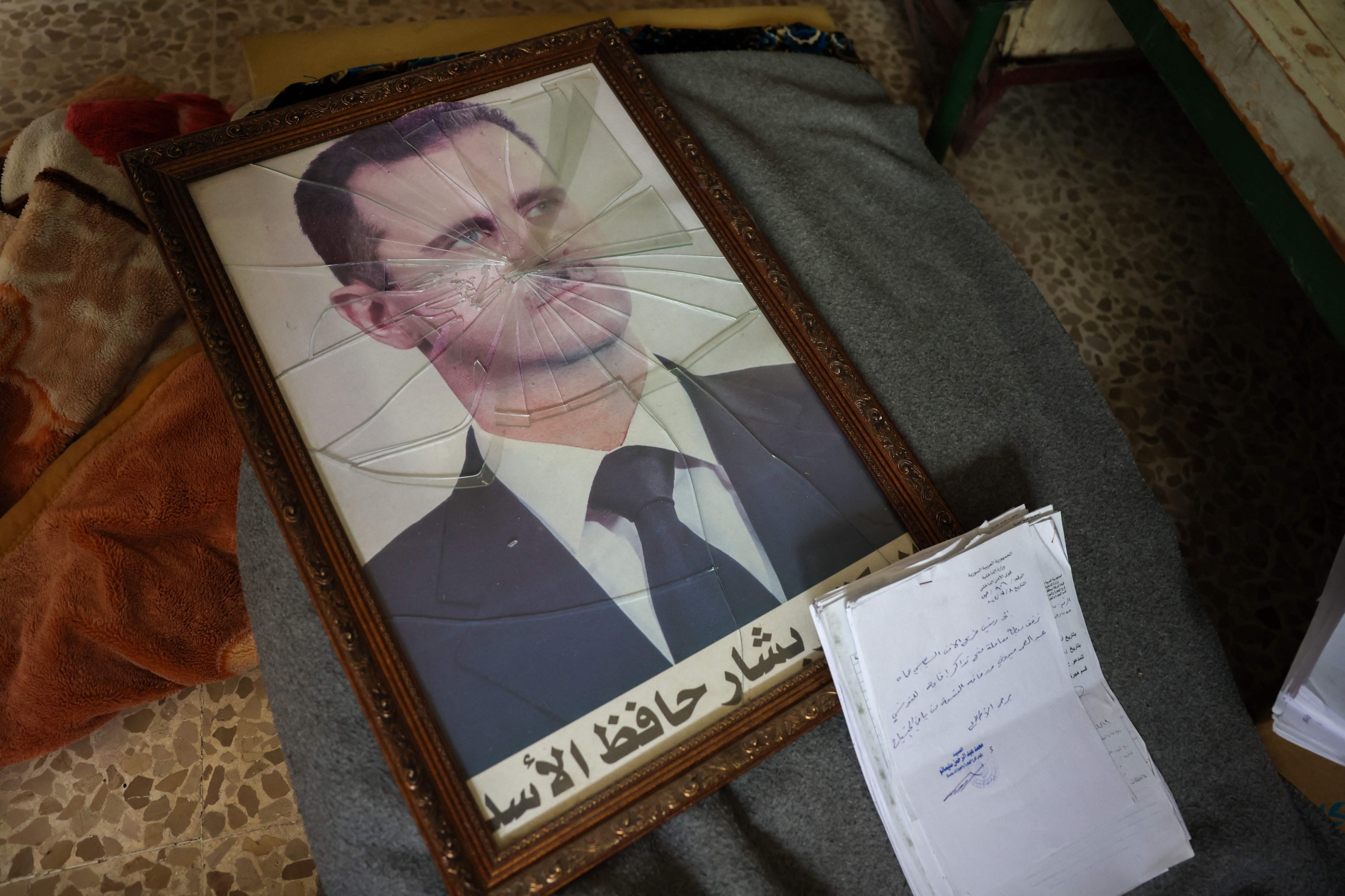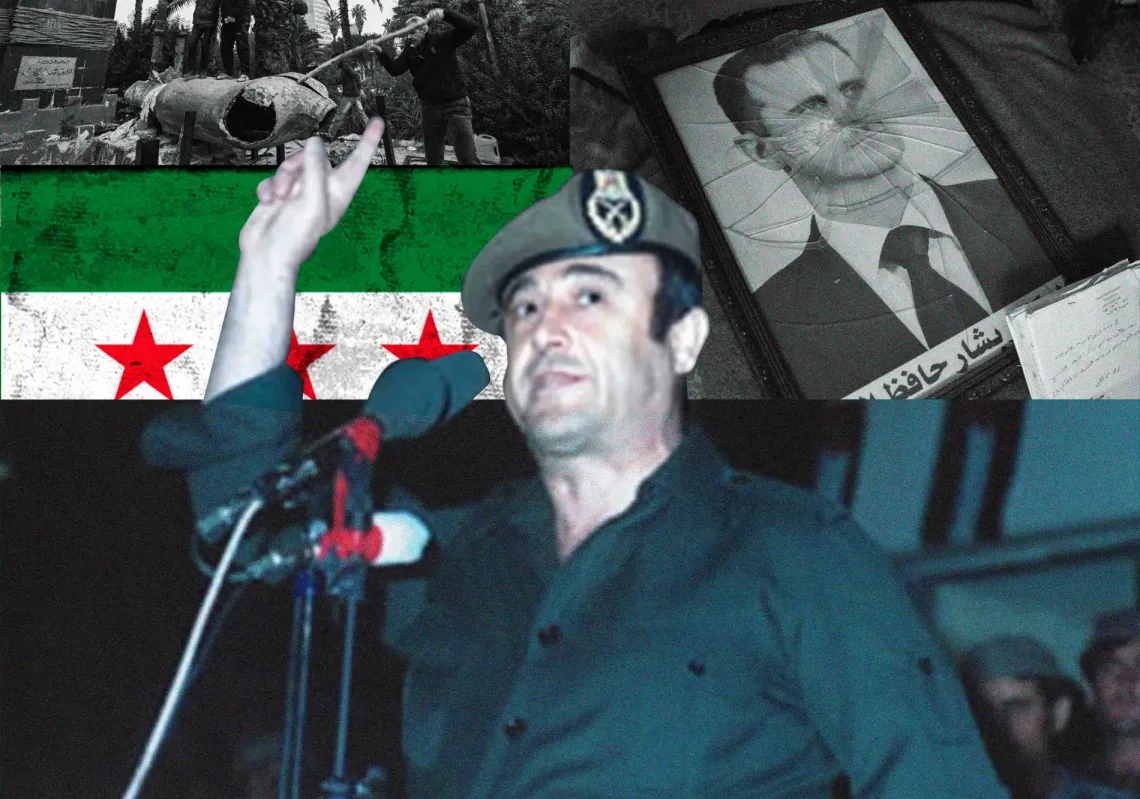

The Assad family’s rule over Syria for more than half a century ended in December 2024, when President Bashar al-Assad fled to Russia on a one-way ticket, his army having dissolved at the challenge of fighters from Idlib and elsewhere. Much has been made of the Assads’ eventual defeat, but much less has been made of the family’s beginnings and how it came to power. How did Bashar’s father, Hafez al-Assad, turn a republic into a family enterprise, binding the destiny of millions to a single household?
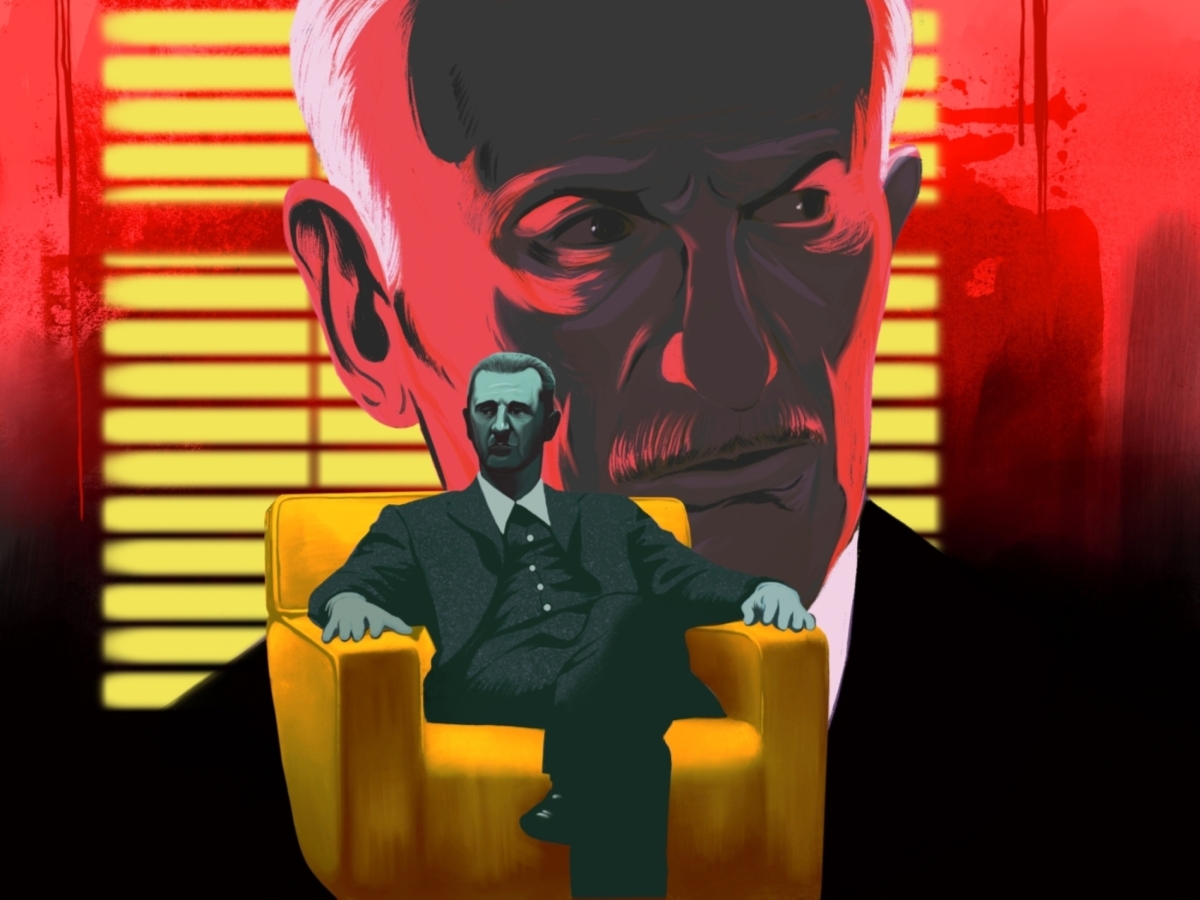
If life imitates art, the dynastic nature of the Assads’ rule can be helpfully analysed through the camera lens of filmmaker Francis Ford Coppola, whose 1972 gangster film The Godfather, starring Marlon Brando and Al Pacino, followed the Corleone family, one of the five main mafia families operating in America. The fictional Corleones presided over an extensive criminal organisation, while the Assad family ruled an actual state, so the comparison can only go so far. Yet, in many ways it helps explain how power is structured and exercised. Both help explain how an heir is chosen, how a marriage becomes a political matter, and how an empire crumbles.
My friend Ammar Abdulhamid was among the first to recognise the connection between the Assads and the Corleones nearly 20 years ago. Someone else gave me The Godfather films to watch in Damascus in the summer of 2008, while I was under house arrest. I am indebted to them both. With each passing year, as I observed events unfolding in Syria, I have felt ever more strongly that I was watching a real-life version of The Godfather, with its founding father figure, the brother who coveted the throne, the chosen heir who died, and the quiet son who never wanted power, but who became more tenacious and ruthless in defence of it than anyone could have imagined.
This is not where the comparisons end; far from it. There is another brother who monopolises military force, another who remains outside the structure of power, a son-in-law who enters the heart of the family without ever fully belonging, the mother who preserves the household’s cohesion, the wife who projects an image of modernity, the relative entrusted with gathering the family fortune, and the loyal associates charged with carrying out orders issued from the family home. Finally, at the end of the story, there are the graves, prison cells, and exile.
Vito and Hafez
Francis Ford Coppola opens his iconic film with a scene that has become one of the most celebrated in cinematic history. On the day of his daughter’s wedding, Don Vito Corleone sits in his office as visitors enter one after another. By tradition, the Don cannot refuse a reasonable request on his daughter’s wedding day. Some seek protection, others justice or assistance.
He holds no official title, yet everyone knows that the real decisions are made in this room. Wealth does not explain his authority. He has made himself indispensable to those around him, the centre of gravity around which the entire network revolves. The judge, businessman, politician and police chief are all drawn into his web of loyalties and interests. Don Corleone’s home is not simply a private dwelling but the seat of power. This is where disputes are settled, alliances forged, and wars declared.
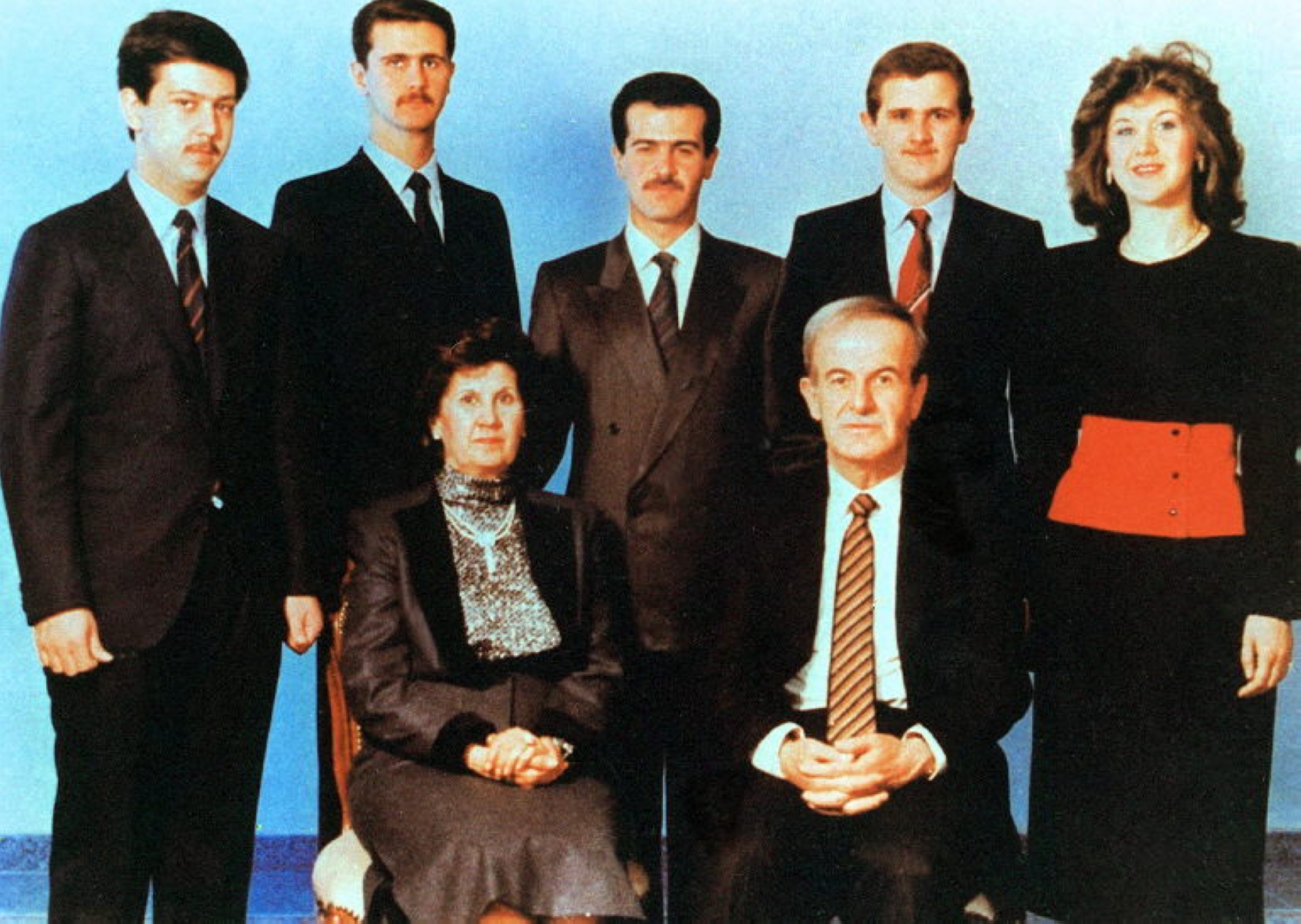
As the film and its 1974 sequel show, Vito Corleone came from a Sicilian village to build an empire in New York. Hafez al-Assad came from Qardaha in Latakia and rose through the military to build a family empire in Damascus. Their outward forms differed, yet the underlying logic bore a striking resemblance. During the 1960s, Assad established himself as a military centre of gravity, even to men who outranked him. Alongside his comrades, he orchestrated coups. With his brother Rifaat using strong-arm tactics, he began laying the foundations of dynastic rule before seizing power in 1970.
His ambition extended beyond the presidency. He had watched presidents come and go, overthrown or assassinated, so he sought to ensure that power would never escape his grasp or pass beyond his bloodline. This meant building a system in which the survival of the state, or more precisely the regime, became inseparable from his own. He established multiple security agencies and had them watch over each other. He prevented the emergence of any independent centre of authority and bound senior officers and officials into a dense network of personal interests and loyalties.
No one was allowed to be more powerful than the president. Big decisions were not always made in cabinet or through formal institutions, but were often settled within the Assad family circle. Official meetings frequently served as rubber-stamp exercises. The parallel with the Corleone residence on Long Island is unmistakable. The home became the true institution of government; others simply executed the family’s will.
Dynasty and comrades
Vito Corleone did not rule through his family alone, and neither did Hafez al-Assad. Don Vito surrounded himself with men who became pillars of the empire: Tom Hagen, his advisor and lawyer; Peter Clemenza, the commander and enforcer; Salvatore Tessio, the negotiator and power broker; and others who managed finances and operations. These men wielded considerable authority and influence, yet the empire was never theirs; they remained servants of the Corleone family. Their standing relied on the Godfather’s favour and their allotted place under the family roof.
Likewise, Hafez al-Assad gathered around him powerful figures drawn from the Baath Party, the military, and the security services. Their influence rested on his favour, conveyed through ‘directives’. Each was granted control over a part of the state. Rifaat, the president’s brother, occupied an exceptional position: he commanded the Defence Companies and, in the 1970s, became the regime’s principal military figure. To many, he appeared to be the natural successor to Hafez.
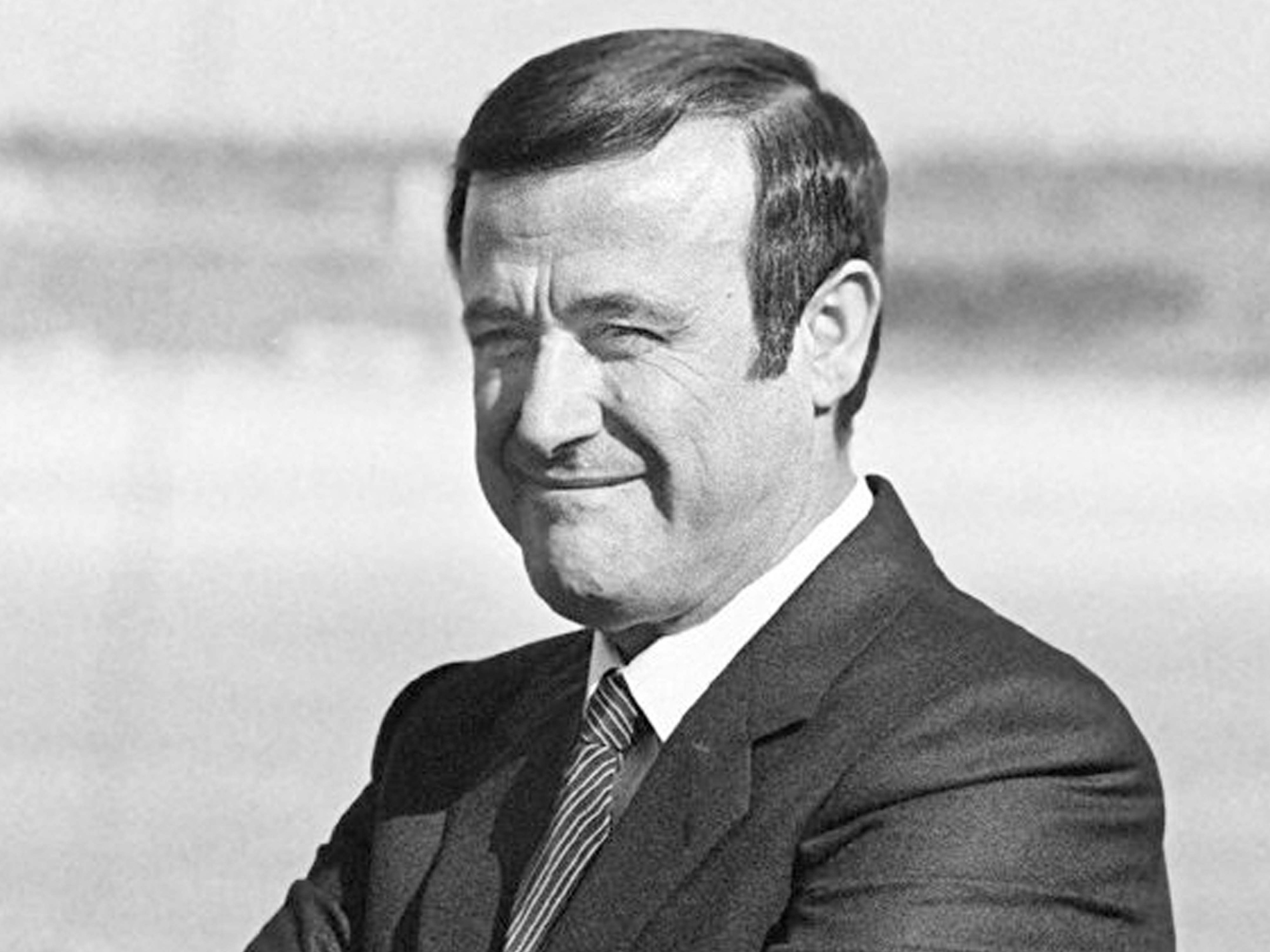
In 1983, when Hafez fell gravely ill, it came to a head. Rifaat felt entitled to inherit his brother’s office, but Syria’s political, military, and security leaders continued to regard the regime’s legitimacy as inseparable from Hafez al-Assad himself. After recovering, Hafez appeared with his son, Bassel, on the streets of Damascus in 1984. It delivered two messages at once: Hafez was recovered, and Rifaat was not the heir. It reminded the country’s elite that however powerful they may become, the choice of presidential successor did not belong to them.
Hafez exiled Rifaat, gave him enough money to live comfortably abroad, and let him keep the honorary title of vice-president until the presidency passed to Bashar, who ordered that his uncle be arrested if he returned. Rifaat was only allowed back to Syria in 2021.
Choosing the heir
Within the Assad family, the choice of heir was governed by considerations beyond competence. Some say Hafez regarded his daughter, Bushra, as the most intelligent of his children, even calling her “Syria’s Gandhi,” but within a highly military and patriarchal order that conceived of authority as an exclusively male preserve, her presidency would not have been a viable option. In The Godfather, Don Vito’s daughter is shown to understand the family more intimately than anyone else, with a sharp instinct for its internal balances. Yet, only his sons are ever considered successors.
In The Godfather, the heir was Sonny, Vito’s eldest son. Everyone understood this, and regarded him as the future family head. Likewise, from 1984, Bassel al-Assad emerged as the natural successor. His military image was projected across the land, and official media portrayed him as the country’s future. Like Sonny, Bassel was a forceful personality and imposing presence. Both were self-confident and exceptionally close to their fathers. Yet both faced a similar fate.
In The Godfather, Sonny Corleone is assassinated by a rival mafia family after hearing that his sister, Connie, has been beaten by her husband. Consumed by rage, he drives into an ambush. In Damascus, there was no ambush. In the early hours of 21 January 1994, Bassel al-Assad was driving at high speed through fog towards Damascus airport when he lost control of the car, which crashed. Suddenly, the succession project that Hafez al-Assad had spent ten years building lay in ruins.
Sonny’s death cleared the way for his brother, Michael, while Bassel’s death cleared the way for Bashar al-Assad. After Sonny’s funeral, the Don began protecting Michael and rearranging the succession. Neither Vito nor Hafez let their personal tragedies halt the family project, and both kept their devastation out of sight. Hafez summoned Bashar back to Syria from London, where he had been studying, and began preparing the son who had never expected to rule.
Reluctant successors
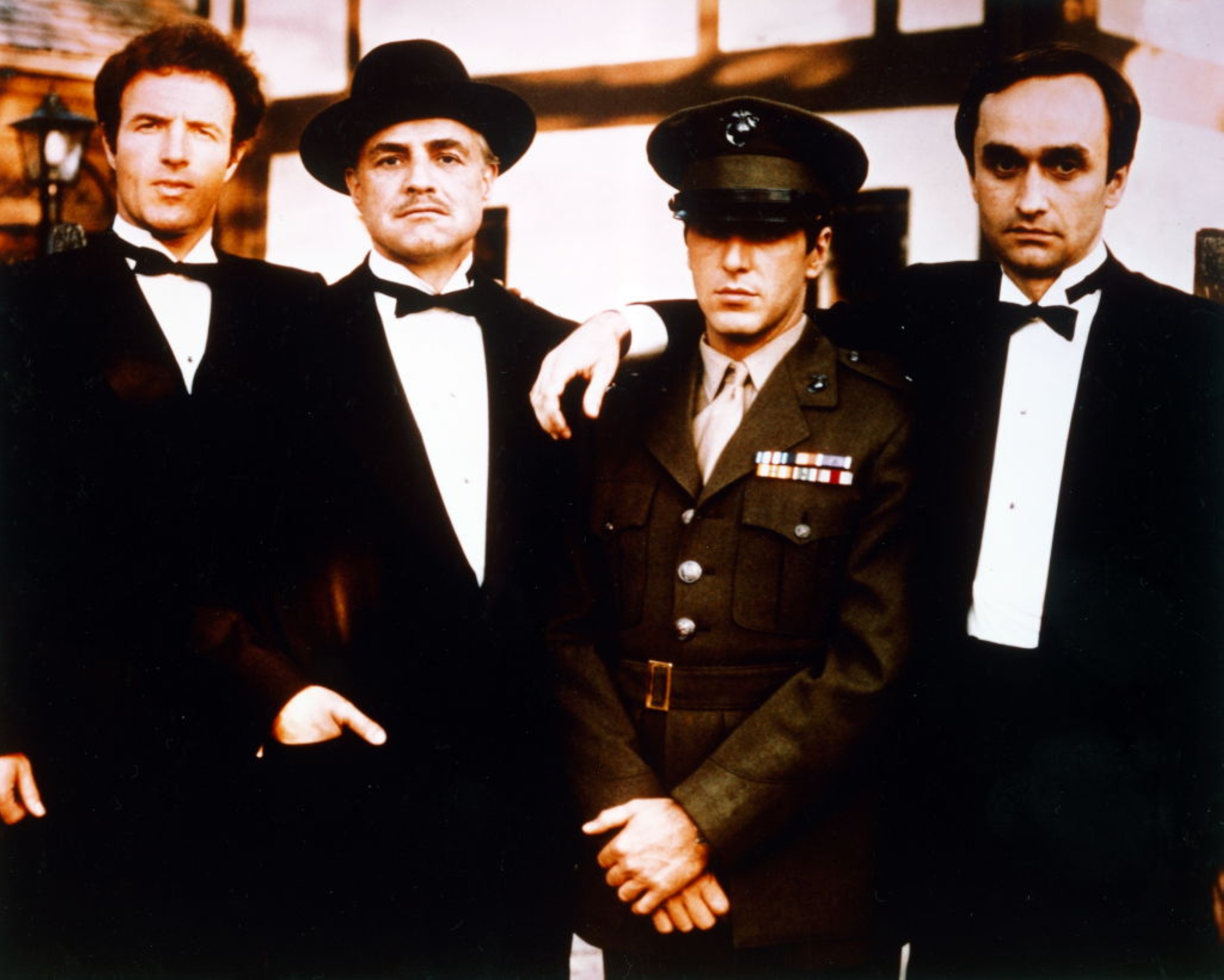
When Michael Corleone first appears in The Godfather, he seems to belong to another world. Dressed in military uniform, he sits beside his girlfriend, Kay Adams, and gestures towards the men gathered around his father. It slowly dawns on Kay that Michael comes from a mafia family. “That’s my family, Kay; it’s not me,” he says in one of the film’s most memorable lines, given that Michael later becomes the Don.
As the film begins, Michael sincerely wants to shape his own future, rather than inherit his father’s empire. One can imagine Bashar, an ophthalmologist, saying much the same thing to the beautiful Asma at a reception at the Syrian embassy in London. He is no military commander (like Bassel) nor is he involved in any state institution; he is just a quiet doctor, not being groomed to inherit a hereditary republic.
For both Michael and Bashar, fate proved stronger than personal inclination. Michael did not choose power; power chose him. Likewise, Bashar did not pursue the presidency; it came to him after the chosen heir had died. Both men entered power as second choices, yet history would make each the defining face of his family.
At first, many assumed that Michael would be different from his father, perhaps even more merciful. He was quiet and spoke sparingly. He lacked Sonny’s impulsiveness and gusto. But the quietest son can sometimes be the most ruthless. Michael did not kill in anger, but with cold calculation. He could smile before ordering a man’s death, or shake his hand before sending him to it. With every decision, he persuaded himself that he was acting only to protect the family and honour his father, until the instinct to preserve them became the force that destroyed them.
Bashar also spoke softly, smiled readily, and delivered measured speeches. Tall and slim, he had a reserved English manner, acquired during his years in London. When he assumed power in 2000, few expected him to reproduce his father’s regime. A young man educated in the West, he was seen as “the new generation”. Indeed, his first months in office witnessed the period later known as the Damascus Spring. Political forums opened, intellectuals began debating reform, and many expected change.
No more spring
The interlude was brief; the forums were soon closed, activists and intellectuals were arrested, and the security services returned to their old ways. Had the old guard defeated the young president? Or had Bashar concluded that survival mattered more than reform? History offers no single answer, but the outcome was clear. Similarly, Michael, who had promised Kay a different life, became ever more deeply entangled in his father’s empire. Bashar, who had championed reform, became increasingly wedded to the system his father had built.
As the years progressed, his calm demeanour did nothing to restrain the immense violence carried out in the name of the state. His armies undertook sweeping campaigns of repression, killing, detention, and torture. His outward calmness did not curb the violence; it only concealed it. From the windows of his palace on Mount Qasioun, he watched his aircraft bomb Syrians as if he were watching a film.
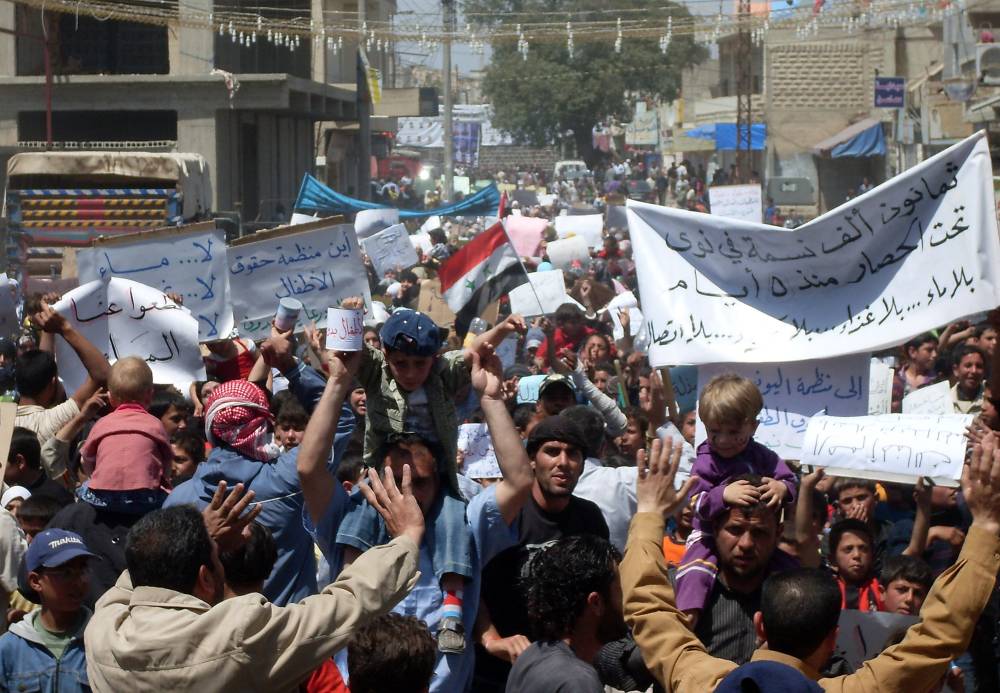
When protests erupted in Daraa in 2011 and spread to other cities, the regime reached a historic crossroads: reform or confront. It chose the latter. In The Godfather, Michael’s violence does not come from an appetite for bloodshed, but rather from his conviction that anything is permissible to protect the family. For Bashar, anything was permissible to protect the state, even as the boundary between state and regime dissolved.
In one of the most famous lines in The Godfather, Michael declares: “It’s not personal; it’s strictly business.” Part of Coppola’s success is to steadily expose the fiction at the heart of that claim. Every decision the Corleones make asks: does it protect the family? Alliance, betrayal, murder, pardon, even love and marriage can be permitted if they help preserve the dynasty. In Syria, the question was: what serves the state? Under the Assads, it became: what serves the family?
Family decision-making
In Syria, state decisions were often made in the Assad family home, including the arrangements for transferring power from Hafez to Bashar. Only then were the state’s institutions tasked with implementation, beginning with formal announcements through parliament. The presidential palace functioned as an extension of the family home, just as the Corleone residence was the empire's nexus. In both cases, decisions emerged less from offices than from drawing rooms and dining tables.
Once the home becomes the seat of power, private family disputes acquire national consequences. The marriage of a son, the death of an heir, or a quarrel between brothers have repercussions across a whole country.