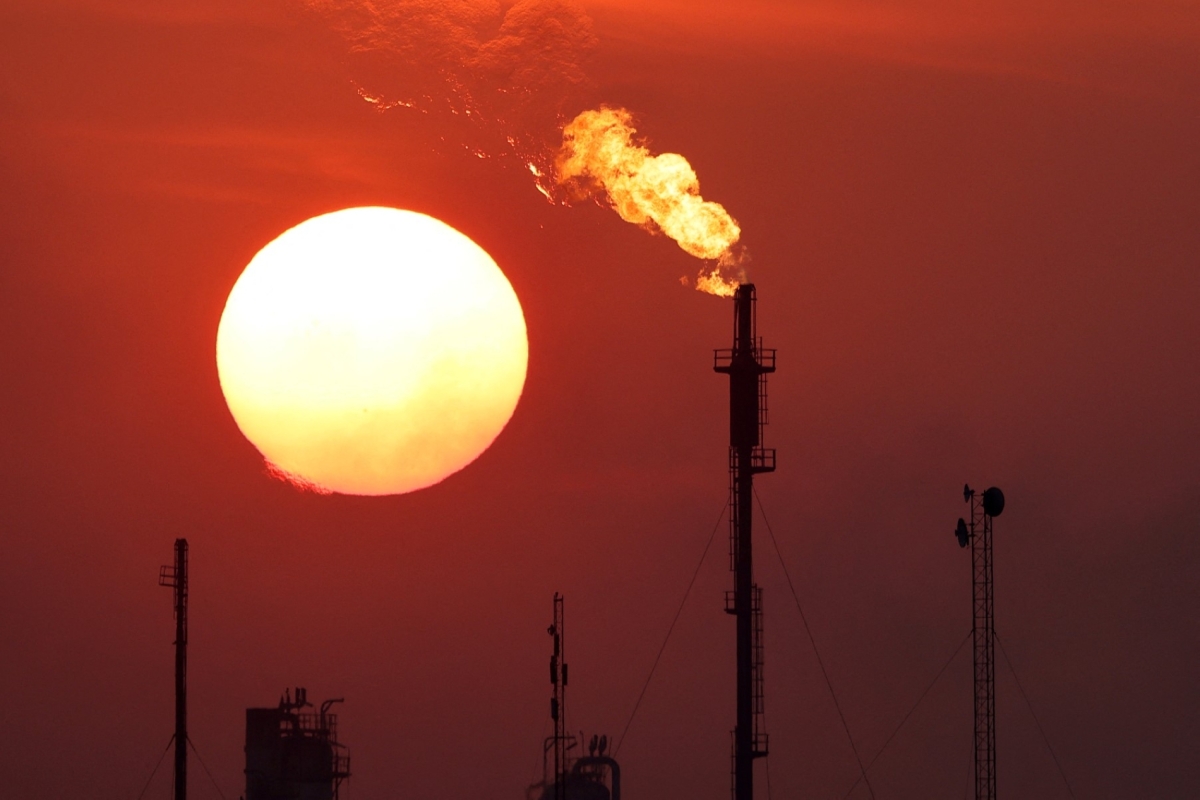
A country can be awash with oil and still find itself having to import petrol. The apparent contradiction encapsulates a lesson that wars, sanctions and disruptions to maritime navigation have forced the world to relearn: oil does not become real power merely by emerging from the well, but when it is converted into usable fuel and delivered to the consumer. Cars, aircraft, lorries and factories do not run on crude oil; they run on petrol, diesel, jet fuel and the other products made by refineries. If that link breaks, or its connection to ports and markets is severed, crude may continue to flow even as filling stations run dry.
This is why refineries have returned to the forefront of the global debate over energy security. After years in which the spread of electric vehicles, the shift toward cleaner energy, and tighter environmental restrictions made new refineries seem a hazardous financial gamble, countries and major companies have begun pouring billions of dollars into building new plants and expanding or upgrading existing ones.
Yet this is neither a uniform worldwide boom nor a straightforward return to the old oil age. It is closer to a redrawing of the refining map: plants are closing in Europe and some other advanced economies, while vast facilities are being built or expanded in Asia, the Middle East and Africa, near sources of crude, growing centres of demand, or less vulnerable export routes.
The International Energy Agency estimates that around 4.2 million barrels per day of new refining capacity will come on stream worldwide by 2030, against closures totalling about 1.6 million barrels per day—a net increase of roughly 2.6 million barrels per day. At the same time, the agency says global investment in refineries in 2025 was at its lowest level in a decade.
There is no real contradiction between the two figures. Investment is not spreading evenly around the world, but concentrating in a number of emerging markets. Capital is also flowing into larger, more complex and more flexible refineries, generally combining oil refining with petrochemical production, storage and exports, while smaller or older plants lose their ability to compete.
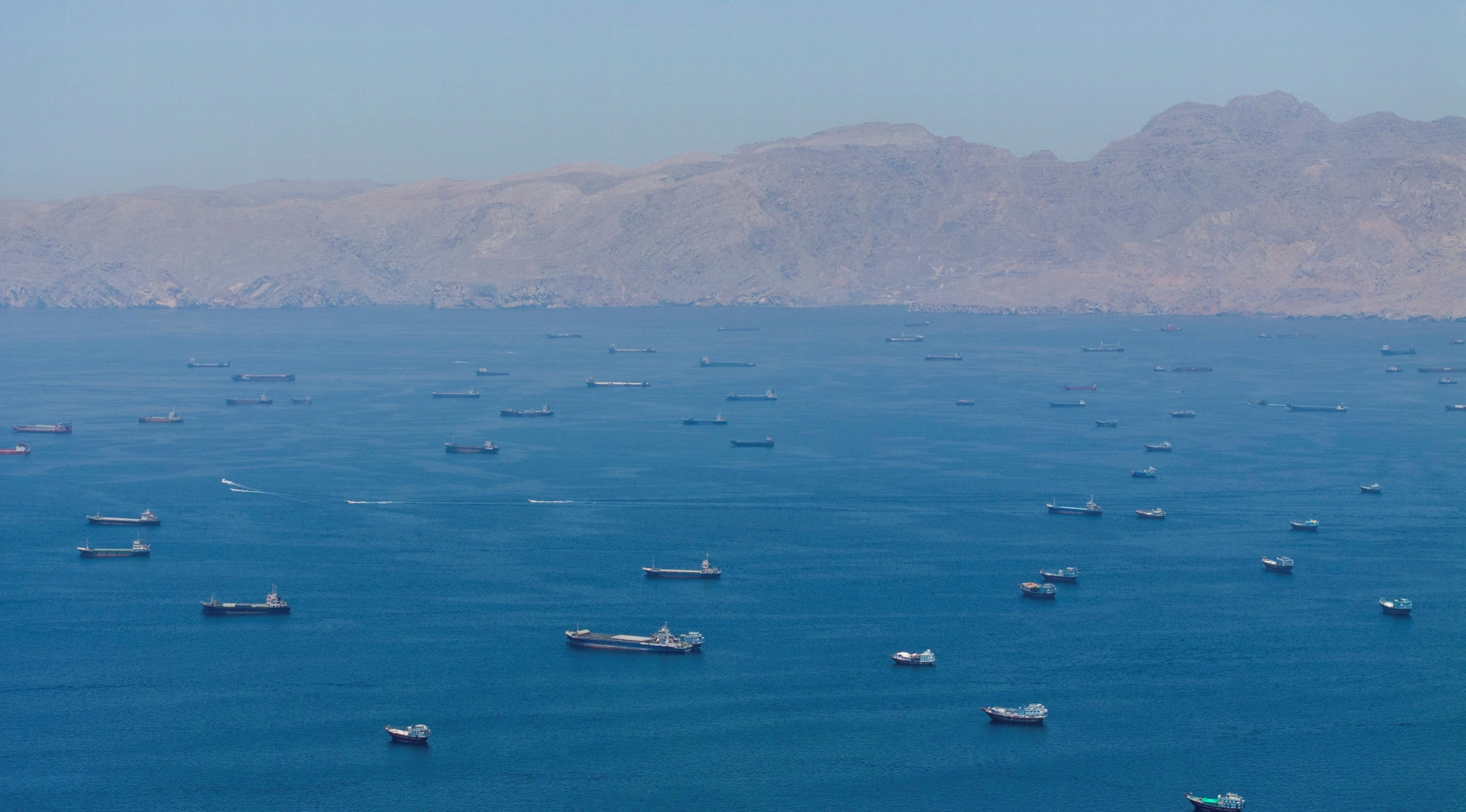
An aerial view showing ships anchored in the Strait of Hormuz, as seen from Musandam, Oman, on 25 May 2026.
Tiny chokepoint, huge demand
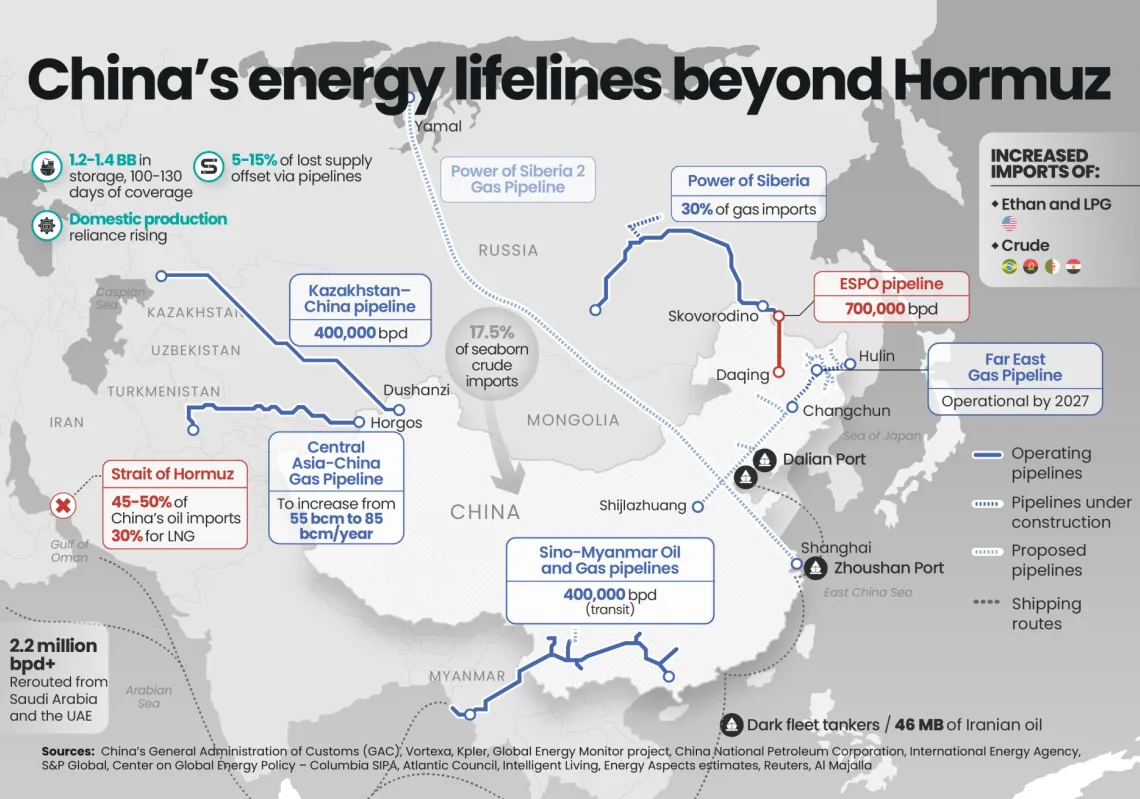
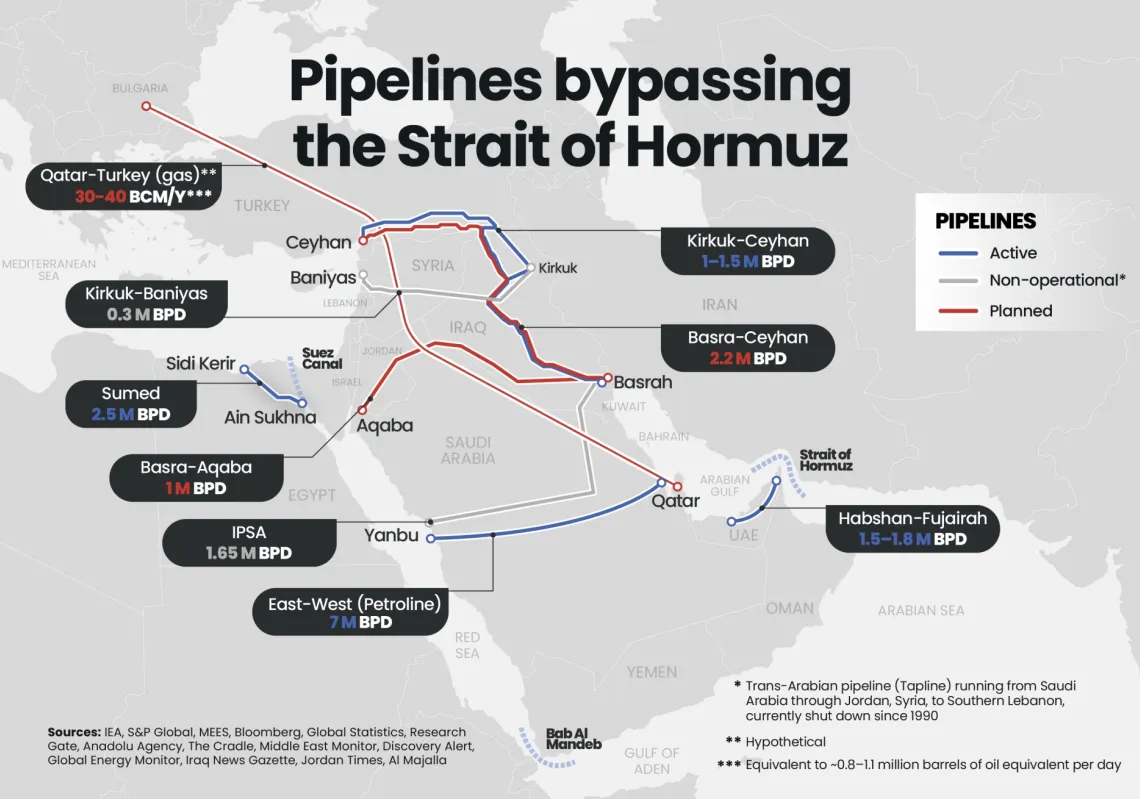
A large share of the global oil trade passes through a small number of maritime chokepoints. In 2024, about 20 million barrels per day of crude oil, condensates and petroleum products moved through the Strait of Hormuz, equivalent to roughly one-fifth of worldwide petroleum-liquids consumption. The strait’s sensitivity lies not only in the volume of crude passing through it. Gulf exports of diesel, jet fuel, liquefied petroleum gases and other refinery products also use this route. Disruption could therefore cause shortages of products ready for consumption even if crude production continued elsewhere in the world.
The Red Sea crisis provides another example. Flows of crude and petroleum products through the Bab al-Mandab fell by more than half during the first eight months of 2024, while volumes taking the longer route around the Cape of Good Hope rose from about six million to 9.2 million barrels per day. Those barrels did not disappear from the market, but they arrived more slowly and at a higher cost. Journeys lengthened, shipping, insurance and fuel costs increased, and deliveries to buyers were delayed.
This is the difference between oil existing in the market in theory and being available in practice, in the place, at the time and in the form required by the consumer. The world may have abundant crude while a city or country suffers a shortage of diesel or petrol because a refinery, port or shipping route has been disrupted. Building a domestic refinery does not automatically solve the problem. If the plant still depends on imported crude passing through the same strait, the country has merely replaced imports of finished fuel with imports of crude, without completely eliminating the chokepoint.
A refinery becomes more strategically valuable when it can process different grades of crude, draw supplies from more than one source and connect to large storage facilities, ports and alternative routes. The issue is not simply how many refineries a country has, but how flexible they are and whether they can keep operating when one route is disrupted.
The issue is not simply how many refineries a country has, but how flexible they are and whether they can keep operating when one route is disrupted.
Maximising benefits
A refinery performs a different, though complementary, function for an oil-producing country. An importing state builds one to secure fuel supplies; an exporting state also uses one to secure buyers for its crude and direct access to consumer markets. Over the past two decades, Saudi Aramco has built an extensive refining network both inside and outside Saudi Arabia. In 2025, its gross refining capacity stood at about 7.8 million barrels per day, while its net capacity, after accounting for ownership stakes in joint ventures, was approximately 4.2 million barrels per day.
Its assets are spread across Saudi Arabia, China, South Korea, Japan, Malaysia, the United States and Europe. This network enables the company to sell petroleum products and petrochemicals, provides stable outlets for its crude, and establishes a permanent presence in the world's largest consumer markets. In China, Aramco bought a 10% stake in Rongsheng Petrochemical for about $3.4bn, accompanied by a long-term agreement to supply 480,000 barrels of crude per day to the 800,000-bpd Zhejiang complex. By linking ownership, crude supply and access to the Chinese market, the investment makes Aramco part of the value chain inside the consuming country rather than a supplier that stops at the port gate.
The company is also participating in an integrated project in Fujian that includes a 320,000-bpd refinery and an ethylene complex with annual capacity of 1.5 million tonnes, scheduled for completion by the end of 2030. These investments embody what might be called "demand security". Just as consuming countries seek secure supplies, producing countries seek reliable, long-term buyers for their oil. Owning a stake in a refinery within a large market creates a stronger relationship than a spot sale that could shift to a rival supplier the next day.
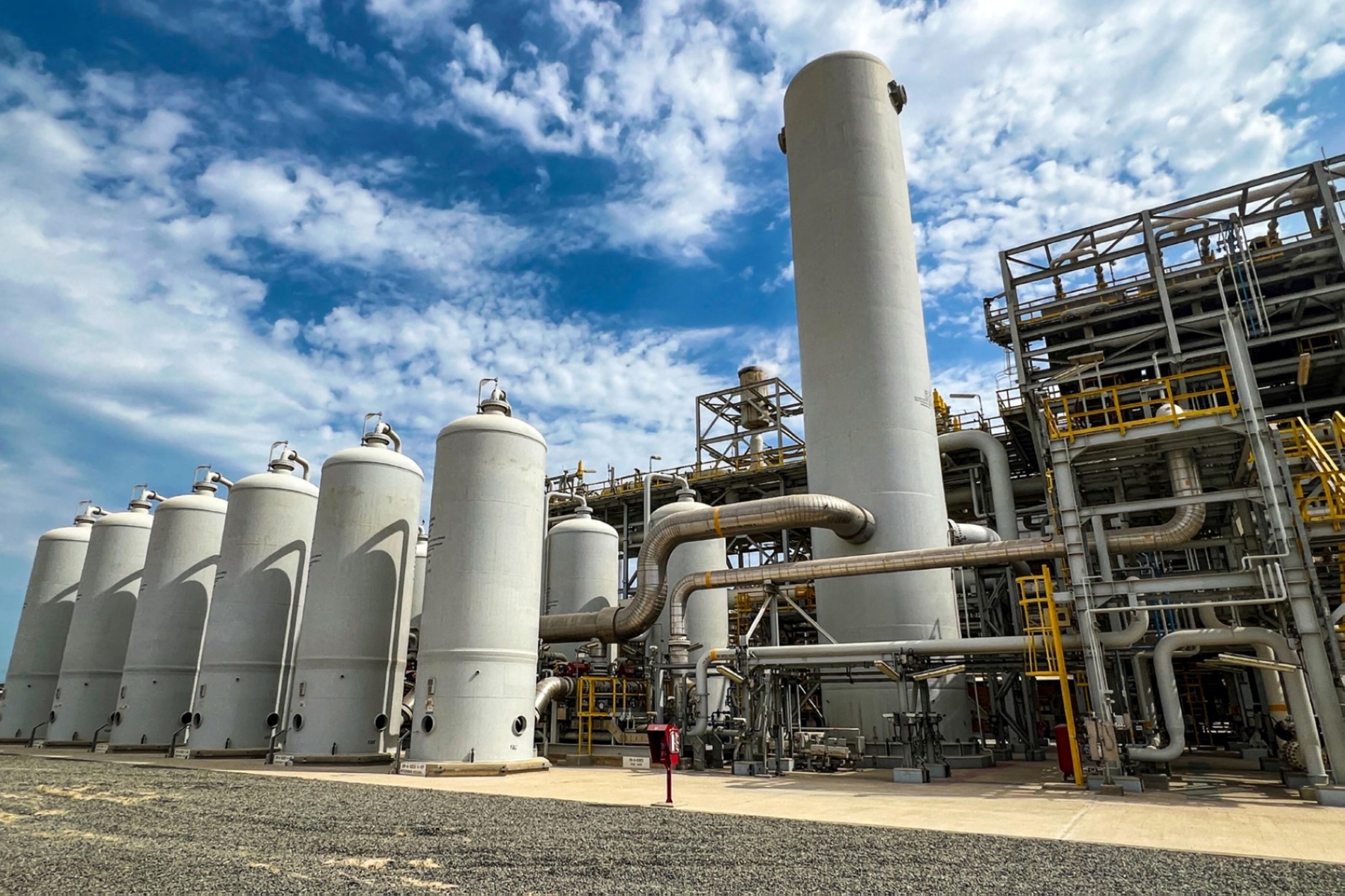
The Al-Zour Oil Refinery, near Wafra, about 95 kilometres south of Kuwait City
Kuwait follows a similar logic through Kuwait Petroleum International. In Vietnam, the company owns 35.1% of the 200,000-bpd Nghi Son refinery, which was designed to provide a dependable outlet for Kuwaiti crude in one of Asia's growing markets. In Oman, it owns half of the 230,000-bpd Duqm refinery in partnership with Oman's OQ. The refinery's reference crude slate was designed around 65% Kuwait Export Crude and 35% Omani crude, although it can process other grades of oil.
Duqm's location on the Arabian Sea gives it particular value, enabling its products to reach the Indian Ocean and Asian markets without passing through the Strait of Hormuz. That does not make it entirely immune to the strait's risks. Transporting Kuwaiti crude to the refinery still requires secure shipping arrangements unless pipelines, stocks or routes that do not depend on Hormuz are available. The strategic location reduces the risk; it does not erase it.
In the same vein, a US-Saudi consortium led by MERA Oil is studying an integrated complex that could cost as much as $5bn. The plan includes a refinery with a capacity of around 200,000 barrels per day, alongside storage tanks, an export terminal and logistics facilities. The consortium is assessing three Gulf locations, with the intended site to be outside the Strait of Hormuz. It expects to select the preferred country and location before the end of 2026.
The project remains a proposal at the study stage. The host country has not been chosen, no final investment decision has been taken, and both the cost and capacity are estimates. Components involving sustainable aviation fuel and carbon capture are options under consideration, not confirmed facilities. Even so, the requirement for a location outside Hormuz shows how deeply geopolitics has entered investment decisions. A refinery site is no longer determined solely by land prices and proximity to crude and markets, but also by whether the facility can continue operating and exporting if a strait is closed or shipping comes under threat.
Iraq is discussing investment in refineries outside its territory, particularly in Asia, which absorbs the largest share of its oil exports. The idea is to move beyond selling crude in commercial transactions and enter long-term refining and distribution partnerships. Such projects could provide a stable outlet for Iraqi production, make the country a partner in the final market rather than merely a seller of crude, and give it a share of the value added after refining. They could also help it enter new markets.
The idea nevertheless remains under consideration. No specific overseas Iraqi project has yet reached an announced final investment decision with a host country, capacity, financing and timetable in place. It would therefore be inaccurate to say that Iraq has begun building refineries abroad; it is studying and discussing the option. At home, Iraq has added around 380,000 barrels per day of refining capacity since the beginning of 2023, including the 140,000-bpd Karbala refinery. The additional capacity has helped reduce the need to import some petroleum products, but it has not eliminated the deficit.
Iraq's problem is not simply the volume of refining capacity, but also the composition of refinery output. Some plants produce surplus quantities of heavy fuel oil, while petrol and diesel production remains insufficient to meet domestic demand. This distinction matters: not all refining capacity is equal. A country may have large refineries and still import fuel if its plants are old or relatively simple and cannot turn crude into the required products in the necessary quantities and specifications.
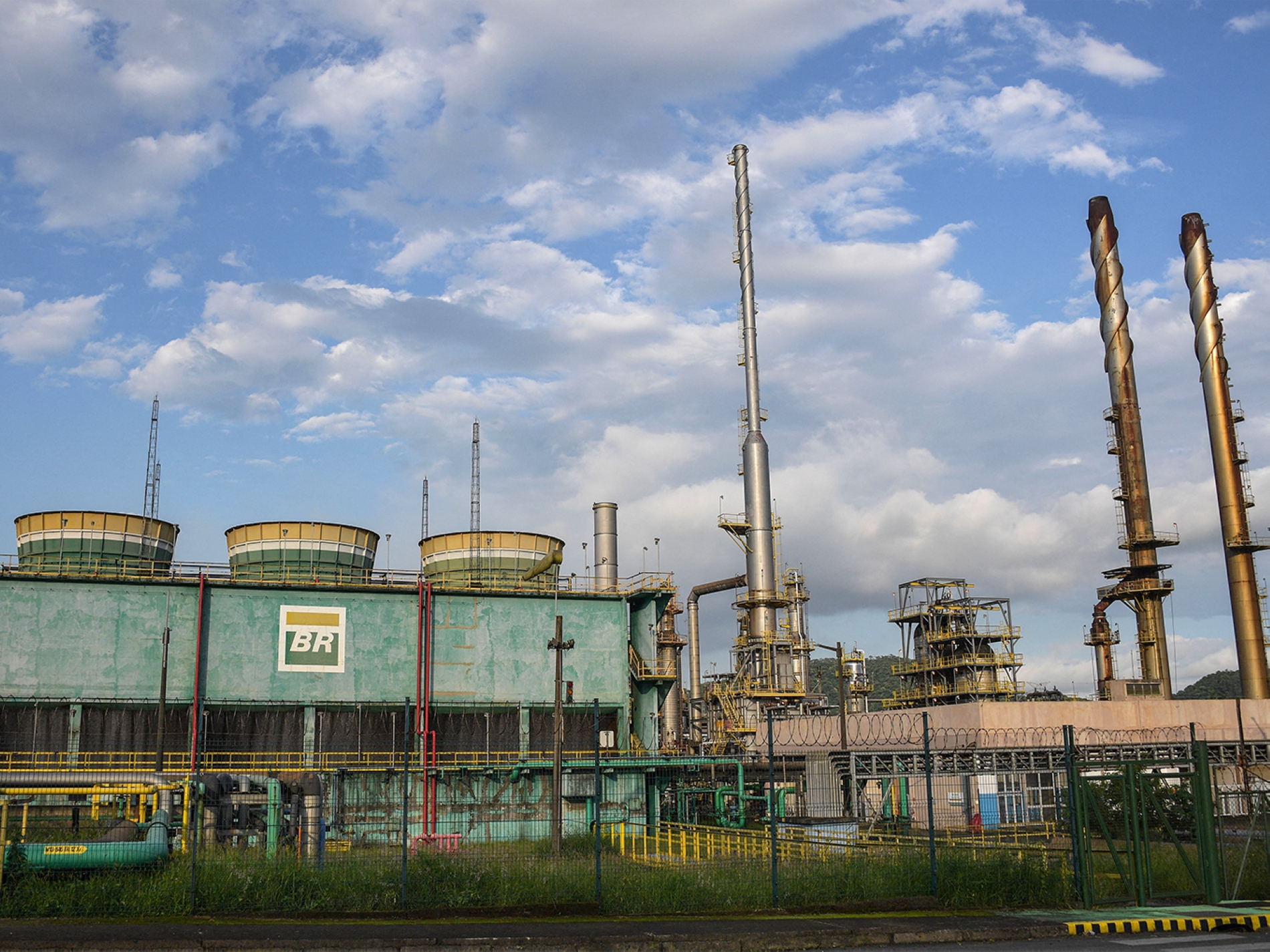
The Bernardes refinery of the Brazilian state-owned oil company Petrobras, in Cubatão, São Paulo, Brazil, on 4 November 2021.
Renewed interest
Only a few years ago, many investors saw oil refineries as candidates to become stranded assets. Electric vehicles are spreading, fuel efficiency is improving, governments are adopting emissions-reduction targets, and financial institutions are imposing tougher conditions on funding fossil-fuel projects.
Those risks remain real. A modern refinery requires billions of dollars and years of planning, construction and operation before its costs can be recovered. The industry also faces volatile profit margins, high expenditure to comply with environmental standards and the possibility of declining demand for some fuels.
Demand, however, is not moving at the same pace in every region or sector. Petrol consumption may fall in Europe while demand for jet fuel, diesel and petrochemicals continues to grow in Asia, Africa and the Middle East. Urbanisation, population growth, rising living standards and expanding aviation and shipping activity also support consumption in emerging economies.
When war breaks out, a strait closes, or shipping is disrupted, a refinery is then measured not only by its profits, but by the economic losses it can prevent
This is why the new refineries bear little resemblance to older, conventional plants. Most major projects integrate refining with petrochemicals, allowing them to adjust their product mix as markets change. If demand for road fuel slows, a greater share of each barrel can be directed toward feedstocks used in plastics, textiles, fertilisers and chemical industries.
Commercial considerations alone, however, do not explain the renewed interest in refineries. Successive crises are making governments more willing to bear higher costs to maintain capacity at home or close to their markets. In normal times, a domestic refinery may appear less profitable than importing fuel from a giant plant abroad.
The calculation changes when war breaks out, a strait closes, or shipping is disrupted. A refinery is then measured not only by its profits, but by the economic and social losses it can prevent. In this sense, refineries are beginning to resemble ports, pipelines and electricity networks: they may not deliver the highest financial return every year, but they become indispensable infrastructure in a crisis.
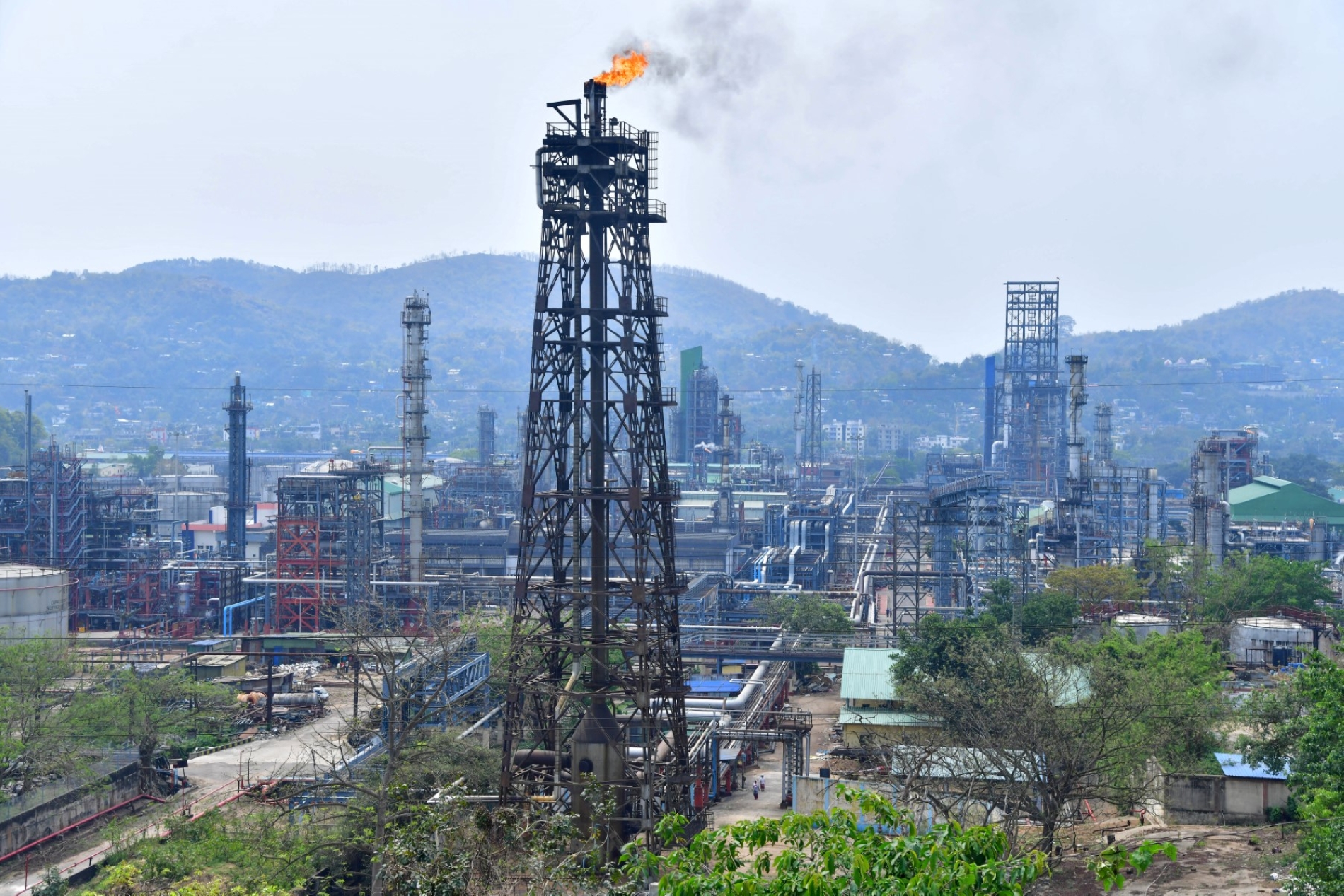
A general view of the Guwahati Refinery, operated by Indian Oil Corporation, is pictured in Guwahati on 30 March 2023.
Global refinery hub
India is one of the world's principal centres of refining growth. Its capacity has reached about 258.1 million tonnes a year, and the government aims to raise it to 309.5 million tonnes by 2030. New Delhi wants to meet growing domestic demand, reduce imports of refined products and turn India into a regional fuel-export hub. Its sophisticated refineries also give it greater freedom to buy different grades of crude, including oil offered at discounts because of sanctions or changing market conditions, and turn them into products for domestic consumption or export.
Among the most prominent new projects is the Pachpadra refinery in Rajasthan. It has an annual capacity of nine million tonnes and is linked to a 2.4-million-tonne petrochemical complex. Its revised cost reached about 794.5bn rupees, or roughly $8.6bn, and it was formally inaugurated in July 2026, becoming India's first new integrated refining and petrochemical complex in about a decade. The project also exposes the limits of claims about energy independence. Its base design envisages processing 1.5 million tonnes of Rajasthan crude and 7.5 million tonnes of imported crude, and the plant can operate entirely on imported oil.
The refinery does not, therefore, make India independent of foreign oil. It does, however, reduce the country's dependence on fuel refined abroad, retain added value, jobs and technology at home, and give the government greater flexibility in choosing suppliers and deciding which products to manufacture. This illustrates the difference between independence from crude and security of fuel supply. India may not be able to dispense with imported oil, but it can reduce its reliance on foreign refiners' decisions and the availability of products on the international market.
Indonesia spent about $7.4bn on expanding the Balikpapan refinery, raising its capacity from 260,000 to 360,000 barrels per day. The expansion was inaugurated in January 2026 as part of an effort to reduce the fuel-import bill, improve the specifications of locally produced fuels and increase petrochemical production capacity.
The government expects the refinery to help reduce petrol imports from about 24 million kilolitres to 19 million and make it possible to stop importing jet fuel during 2027. These figures need to be seen in their proper context: they are government forecasts, not final annual results already achieved. Whether they are reached will depend on the refinery's ability to operate reliably, the availability of crude and the level of domestic demand.
Crude oil has not lost its strategic value, but it is no longer the sole measure of power.
At first sight, Australia may seem far removed from concerns about energy security: it is an advanced economy and a producer of natural resources. Yet the number of operating refineries has fallen to just two, and the country now relies on imports for more than 80% of its fuel requirements.
In July 2026, the federal government, the Western Australian government and Perdaman announced a joint A$4mn preliminary study into what would be the country's first new refinery in more than 60 years. The federal government also allocated A$10mn for broader studies relating to fuel-supply security.
Australia has not, however, decided to build the refinery. The project remains at the study stage; its capacity, cost and construction date have not been determined, and no final investment decision has been made. The proposal also faces an obvious paradox: Australia imports more than 80% of the crude used in its two existing refineries. A new plant could therefore reduce imports of petrol and diesel, but it would not end dependence on foreign supplies unless accompanied by more diverse sources of crude, adequate stocks and alternative supply routes.
The Australian government supports the two existing refineries through a programme that pays them when refining margins fall or turn negative. It has also imposed minimum stockholding obligations, subject to temporary adjustments during 2026. This support is not based on the belief that operating the two plants will always produce the best commercial return. Australia is, in effect, paying to maintain essential domestic capacity as protection against crises. It is much like an insurance premium: it may look expensive in normal times, but its value becomes apparent when imports are disrupted.
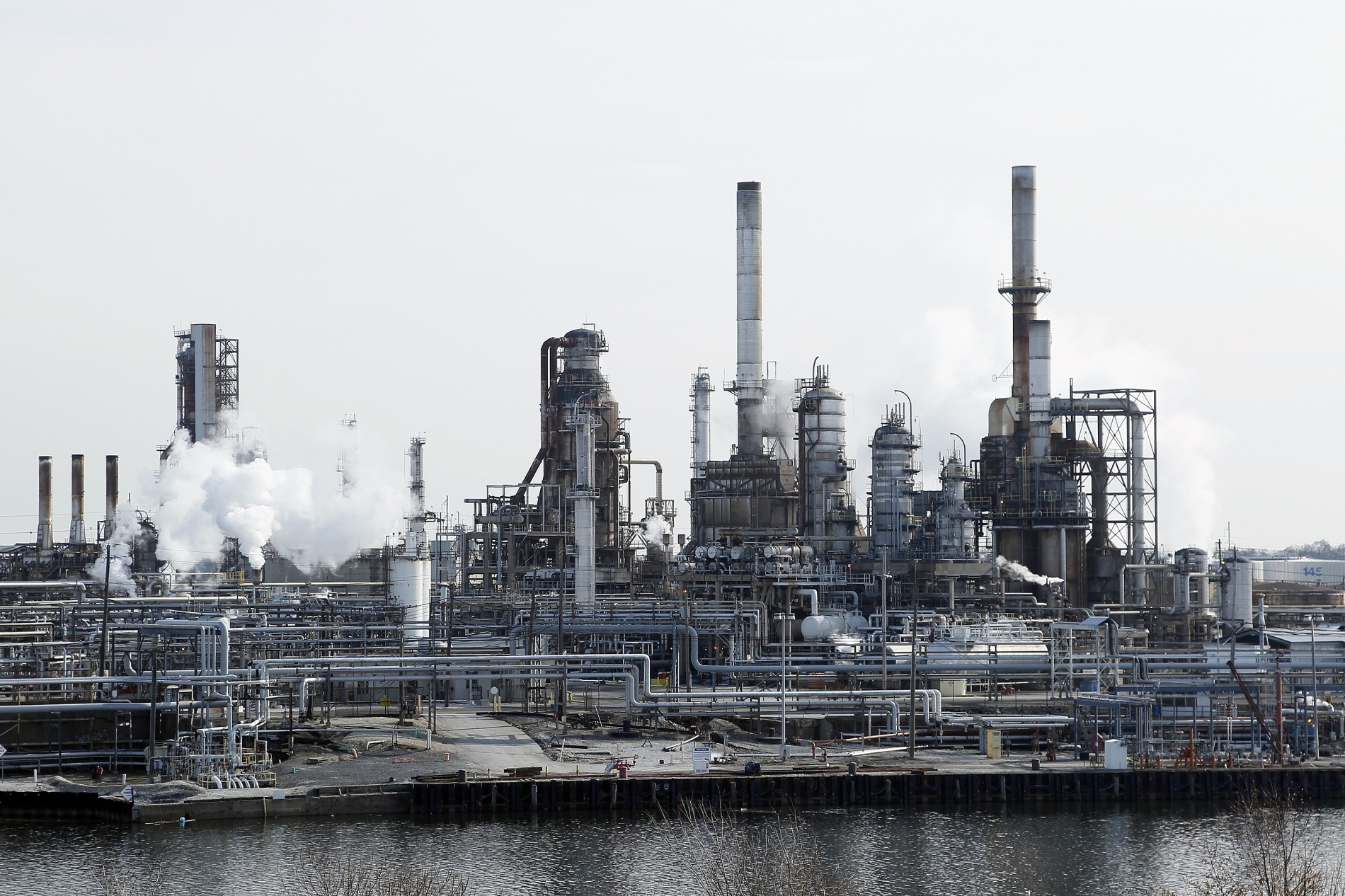
The Philadelphia Energy Solutions petroleum refinery on 4 December 2014.
Practical value
A consumer cannot put crude oil into a car or aircraft. A country may therefore possess vast oil reserves yet remain vulnerable to fuel shortages if its refining capacity is limited or its refineries are disrupted.
Russia offers one of the clearest examples. In August 2025, Ukrainian attacks on ten Russian refineries disrupted at least 17% of the country's refining capacity, or about 1.1 million barrels per day. The crude was still there, but much of it could no longer reach processing units. Moscow was forced to export more unprocessed oil, and shipments through its western ports rose by 15% in May 2026 from the previous month.
Higher crude exports did not solve the fuel shortage in the Russian market. As the attacks continued and petrol production fell, Russia began importing seaborne petrol cargoes from India in July 2026, followed by about 30,000 tonnes from Morocco. It also increased overland supplies from Belarus and Kazakhstan and restricted exports of some fuels to preserve domestic supply. The point is stark: Russia, one of the world's largest oil producers and exporters, was forced to buy petrol abroad because it could no longer refine enough of its own crude.
A refinery does not have to be destroyed to stop operating. It can be disabled by a loss of electricity or water, an interruption to crude flows, the closure of a port or the inability of tankers to enter and leave. It may also have to cut output if its storage tanks fill after exports stop. It therefore no longer makes sense to view a refinery as a standalone industrial facility. Its strategic value depends on an entire network of storage tanks, pipelines, ports, tankers, shipping routes and distribution outlets.
The 49.13% stake held by Russia's Rosneft in India's Nayara Energy provides another example of overseas refineries being used as strategic instruments. Nayara operates the Vadinar refinery, which has an annual capacity of around 20 million tonnes, together with a deep-water port and a network of more than 6,000 filling stations. The holding gives Russia a presence in one of the world's fastest-growing energy markets, while providing the Indian company with a direct link to a major crude supplier. The relationship became even more important as Indian refineries obtained discounted Russian crude after Western sanctions were imposed.
Owning an overseas refinery does not eliminate political risks; it changes their form. The company may face sanctions and financial or insurance restrictions, or have difficulty obtaining technology and spare parts. The host country's calculations, or its relationship with the producing country, may also change. A refinery thus becomes an instrument of mutual leverage: it gives the producer access to the market, but also gives the host country bargaining power in its dealings with that producer.
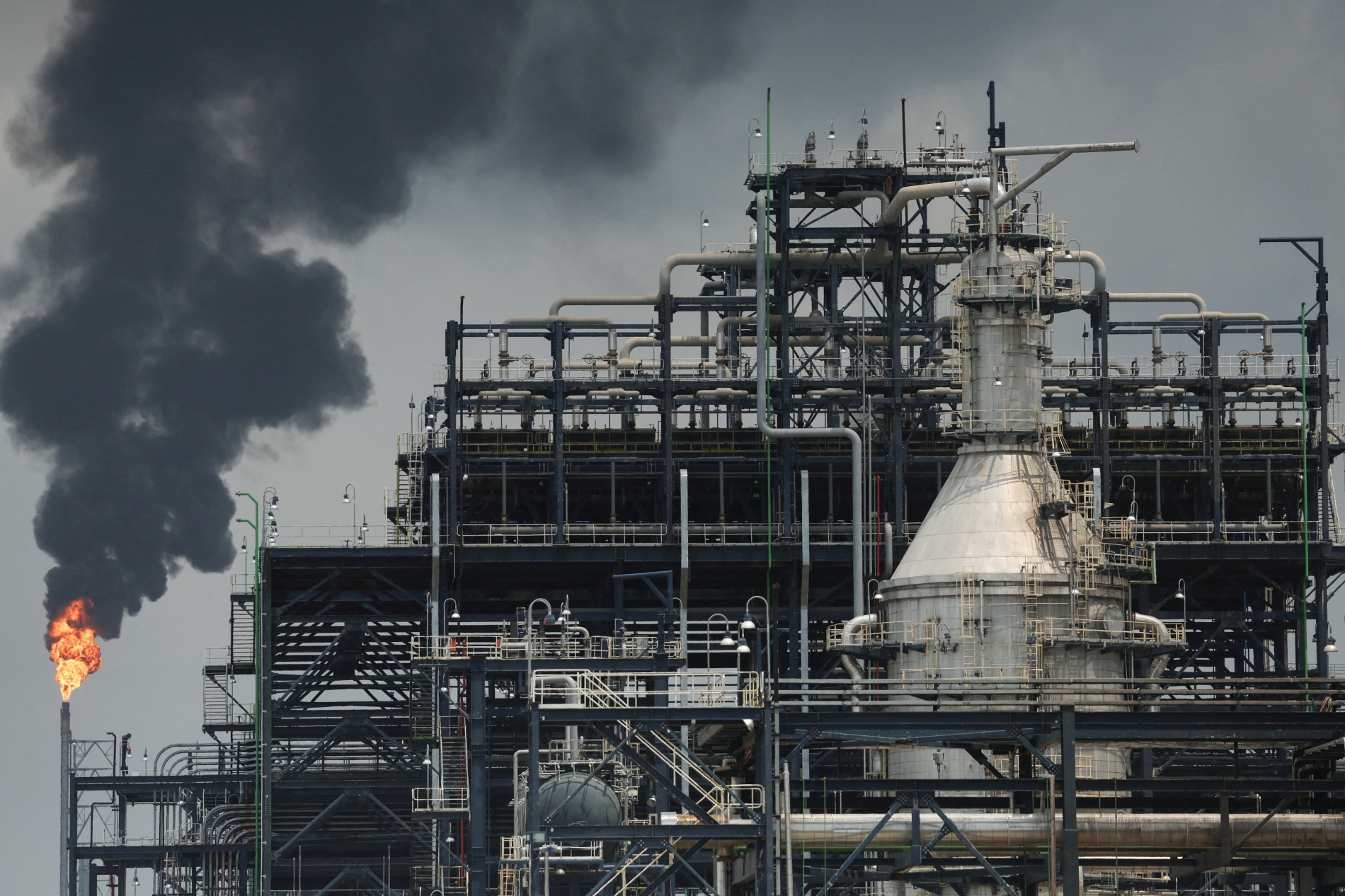
A flame rises from a gas flare at the Dangote Industries oil refinery and fertiliser plant site in the Ibeju Lekki district of Lagos, Nigeria on 2 March 2026.
The Nigerian paradox
Nigeria encapsulates one of the starkest paradoxes of the oil economy. It is Africa's largest oil-producing country, yet for many years it imported most of the fuel it consumed because its refineries were weak.
The country exported crude, then paid to have it transported and refined abroad before importing it again as petrol, diesel, and jet fuel. This drained foreign currency, inflated the subsidy bill and tied the domestic market to fluctuations at overseas refineries and along shipping routes. The Dangote refinery was intended to break this cycle. It cost around $20bn and has a nameplate capacity of 650,000 barrels per day, making it one of the largest single-site refineries in the world.
The plant began producing diesel and jet fuel in January 2024, followed by petrol in September of the same year. It did not start at full capacity, but ramped up gradually. In June 2026, it exceeded 700,000 barrels per day during a limited performance test, while the company has announced plans to raise capacity eventually to 1.4 million barrels per day.
Three figures must be distinguished: the existing nameplate capacity of 650,000 barrels per day, the temporary level recorded during the performance test, and the planned future expansion, which has not yet been completed. Even so, the refinery has begun to alter the pattern of fuel trade in West Africa. It is helping Nigeria reduce imports, supplying products for export to neighbouring countries and more distant markets, and competing with fuels traditionally exported to the continent by European refineries.
This does not mean that Nigeria has solved all its problems. The refinery needs stable crude supplies, while its potential dominance of the domestic market has prompted concern that dependence on importers could simply be replaced by dependence on a single local supplier. It has nevertheless demonstrated that an oil-producing state does not necessarily capture the full value of its crude unless it can refine it.
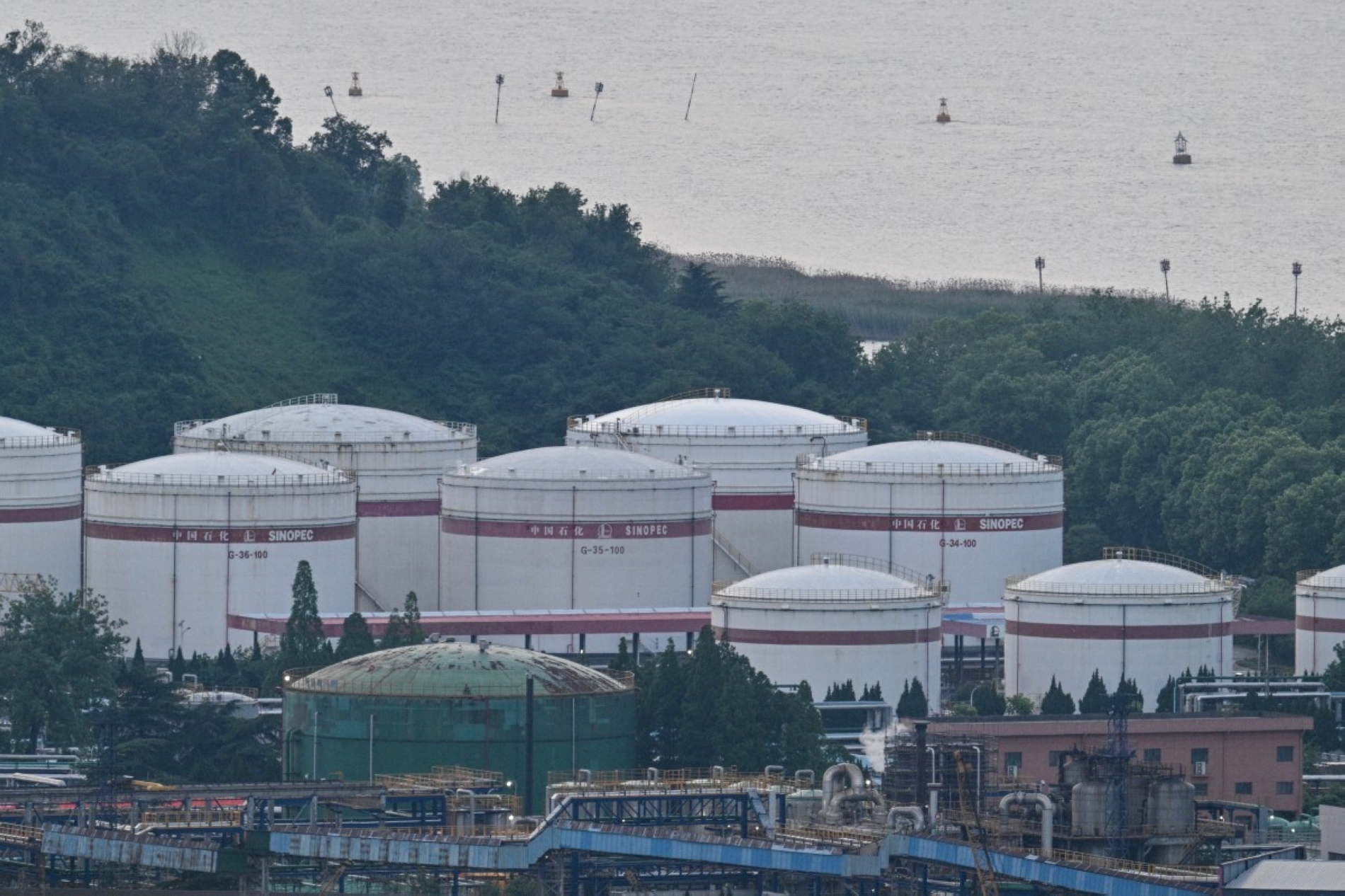
Sinopec storage tanks are seen at the crude oil refinery Sinopec Jinling Petrochemical Plant in Nanjing, in China's eastern Jiangsu province on 8 May 2026.
Growing importance
The growing importance of refineries does not mean that oilfields have lost their value. Refineries need reliable crude supplies, and a country with large, low-cost reserves retains an advantage that is difficult to replace. Competition, however, no longer stops at the edge of the oilfield. It now extends across the entire chain: production, pipelines, refineries, storage tanks, ports, tankers, distribution networks and filling stations.
A country without large reserves can build considerable influence if it owns major refineries, ports and storage capacity, and can buy a range of crude grades and convert them into products the world needs. Conversely, a producing country may lose some of its power if it merely sells crude while others control its refining, marketing and distribution.
Competition is not, therefore, simply moving from oilfields to refineries. More precisely, it is shifting from control over a single resource to control over the value chain. The strongest actor is not only the one that can extract the greatest number of barrels, but also the one that can move those barrels from the well to the consumer through the fewest possible chokepoints.
There is, as yet, no formal global policy for strategic refineries comparable to strategic petroleum reserves. A petroleum reserve is a stockpile that can be drawn down in an emergency, whereas a refinery is an operating facility that continuously needs crude, energy, water, workers, maintenance, spare parts and ports. The International Energy Agency requires its members to hold stocks equivalent to at least 90 days of net oil imports, but does not require them to maintain a specified level of refining capacity.
Nevertheless, a collection of policies is beginning to perform a role similar to the idea of strategic refineries. Some governments support domestic plants to prevent their closure; others maintain spare capacity, build storage near refineries or require plants to be capable of processing multiple crude grades. Countries and companies are also spreading their refining ownership across different markets, establishing facilities near consumers or outside straits vulnerable to disruption, and connecting refineries to ports, pipelines and alternative shipping routes.
"Strategic refining networks" may therefore be a more accurate term than "strategic refinery reserves". A country generally does not need an idle refinery waiting for war, but a commercially operating network that can quickly change suppliers, products, and shipping routes when a crisis strikes.
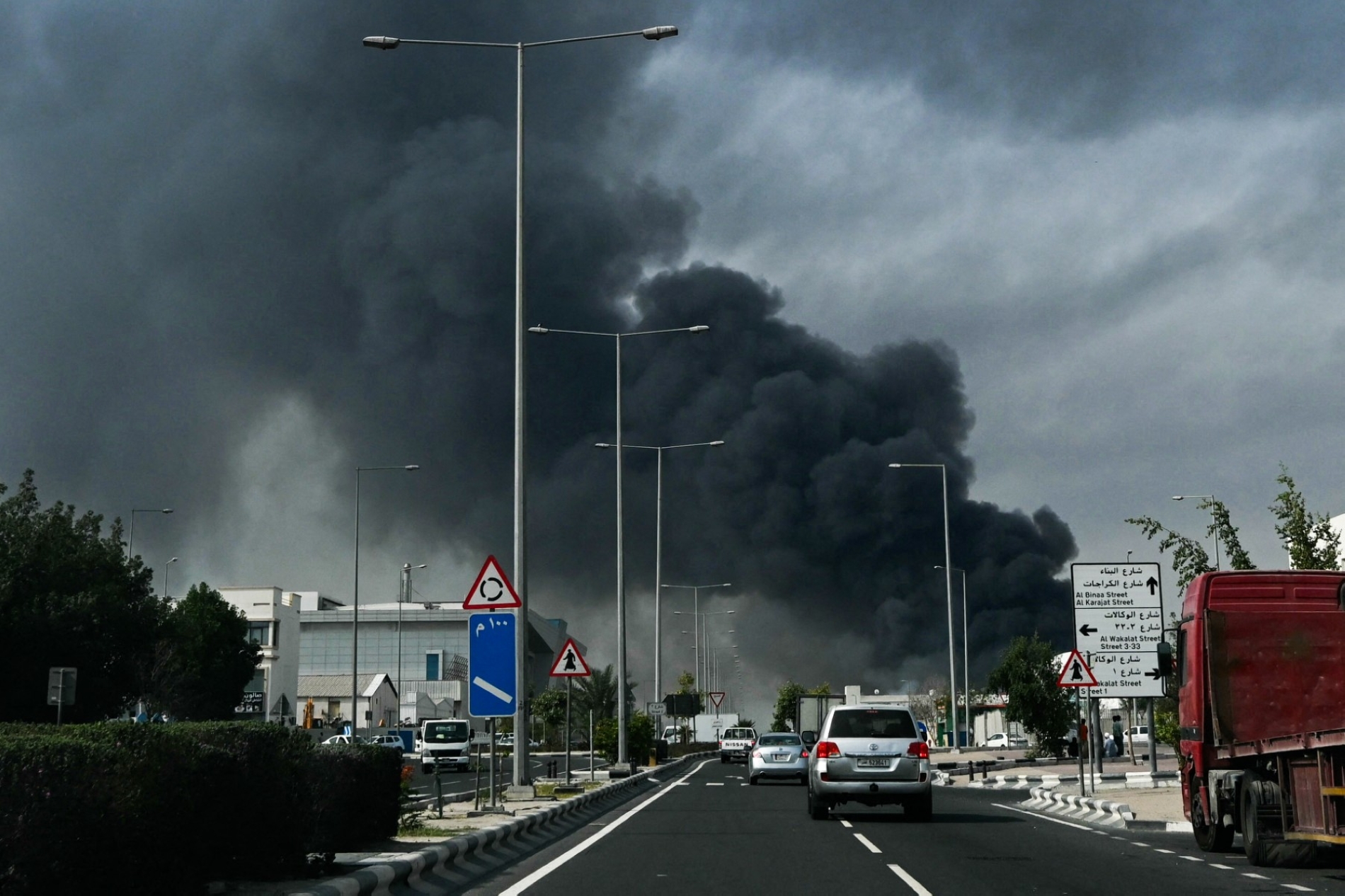
Motorists drive past a plume of smoke rising from a reported Iranian strike in the industrial district of Doha on 1 March 2026.
Pros and cons
Even so, it should not be assumed that building any new refinery necessarily strengthens energy security, or that every announced project is commercially viable. A refinery can become a financial burden if demand for its products declines, carbon costs rise, or the plant is small, old and unable to produce fuels that meet modern specifications. The state may have to support it for years to keep it operating.
Building a small number of giant complexes can also create new vulnerabilities. When an entire market depends on one vast refinery, disruption at that facility may be more dangerous than losing several smaller plants spread across different locations. Nor can a refinery protect a country if it lacks adequate stocks of crude and products, is connected to only one port, can process only a limited range of oil, or relies on technology and spare parts for maintenance that sanctions may cut off.
Overseas refineries give producing countries access to markets, but they also expose them to changes of government, taxes, sanctions and political relations with the host country. They distribute risk rather than eliminate it. Genuine refining security therefore rests not on concrete and steel alone, but on flexibility and diversity: multiple suppliers, different crude grades, alternative ports and routes, adequate stocks, and the ability to change the product mix as market needs evolve.
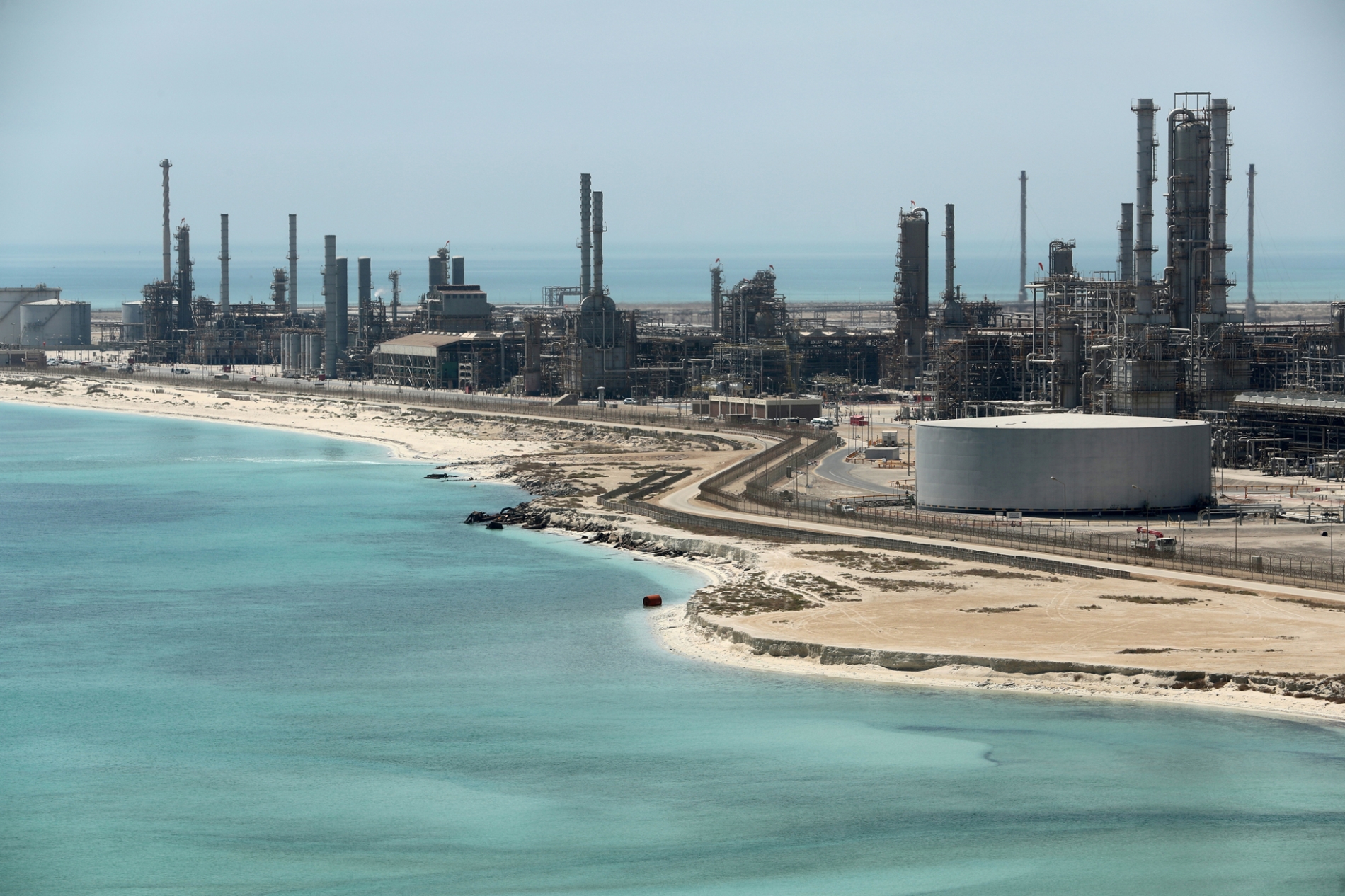
A general view of the Ras Tanura oil refinery and oil export terminal belonging to Saudi Aramco on 21 May 2018.
Bigger than crude
From the Gulf and Iraq to India and Russia, and from Australia to Nigeria, refineries have returned to the heart of energy security. They are no longer simply factories that separate crude oil into components. They have also become a means of connecting producers with consumers, locking in markets, securing alternative outlets, reducing fuel imports and protecting economies from disruptions to shipping and prices.
This does not mean that the world has abandoned the green transition or embarked on an unlimited round of refinery construction. Global investment remains cautious, old plants in advanced economies continue to close, and new projects face slowing demand and tighter environmental-protection policies.
What is taking place is closer to a process of selection. Older, less efficient refineries, especially those in high-cost locations, are gradually withdrawing. At the same time, large, flexible plants integrated with petrochemicals are expanding, particularly when they are close to crude supplies, growing markets or safer export outlets.
Crude oil has not lost its strategic value, but it is no longer the sole measure of power. Real power lies in being able to produce that barrel, convert it into the product the market requires, store it, and then deliver it to the consumer by more than one route, even in the most turbulent geopolitical conditions. In a world of growing wars, sanctions and threats to ports and straits, the strongest actor may not be the one that owns the largest oilfield, but the one that controls the most resilient chain from wellhead to consumer.