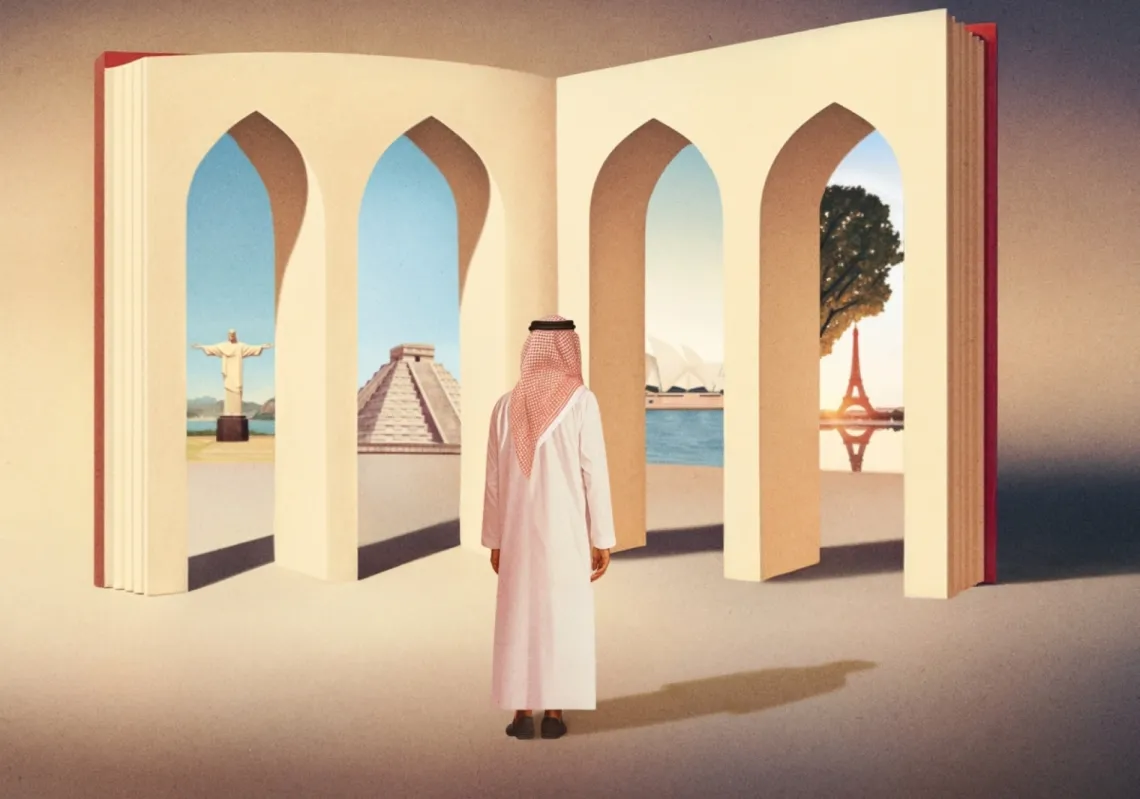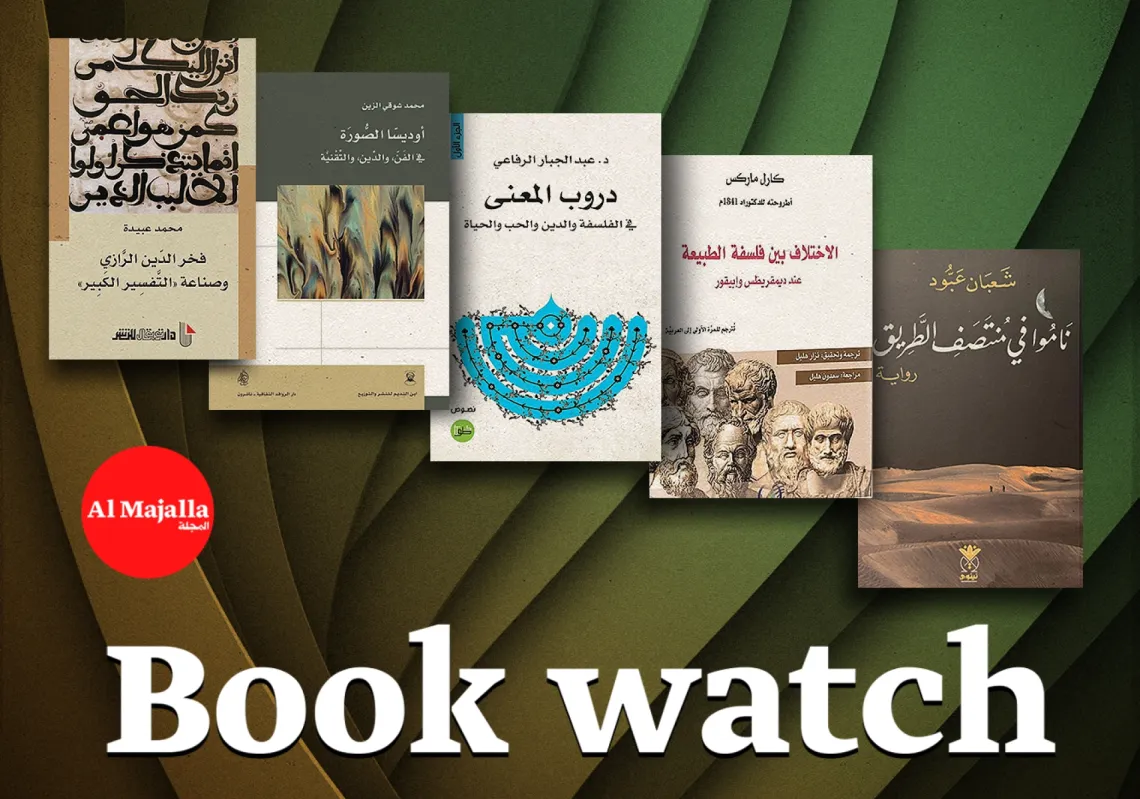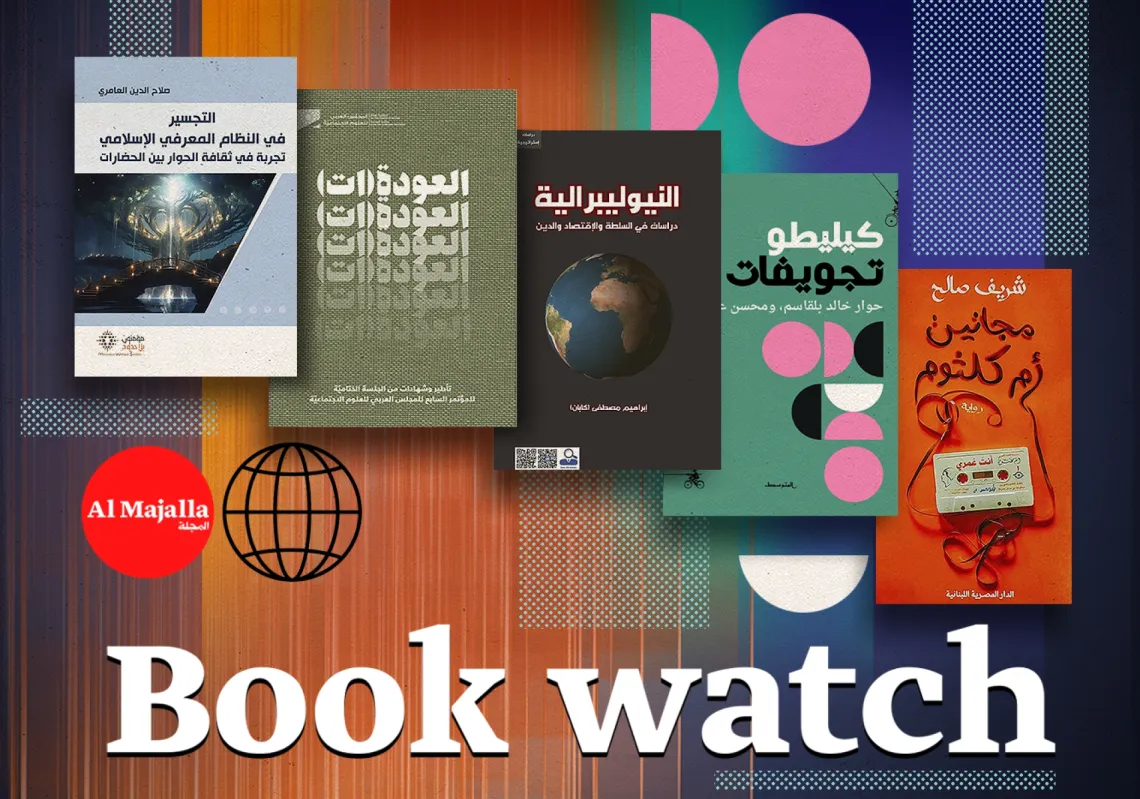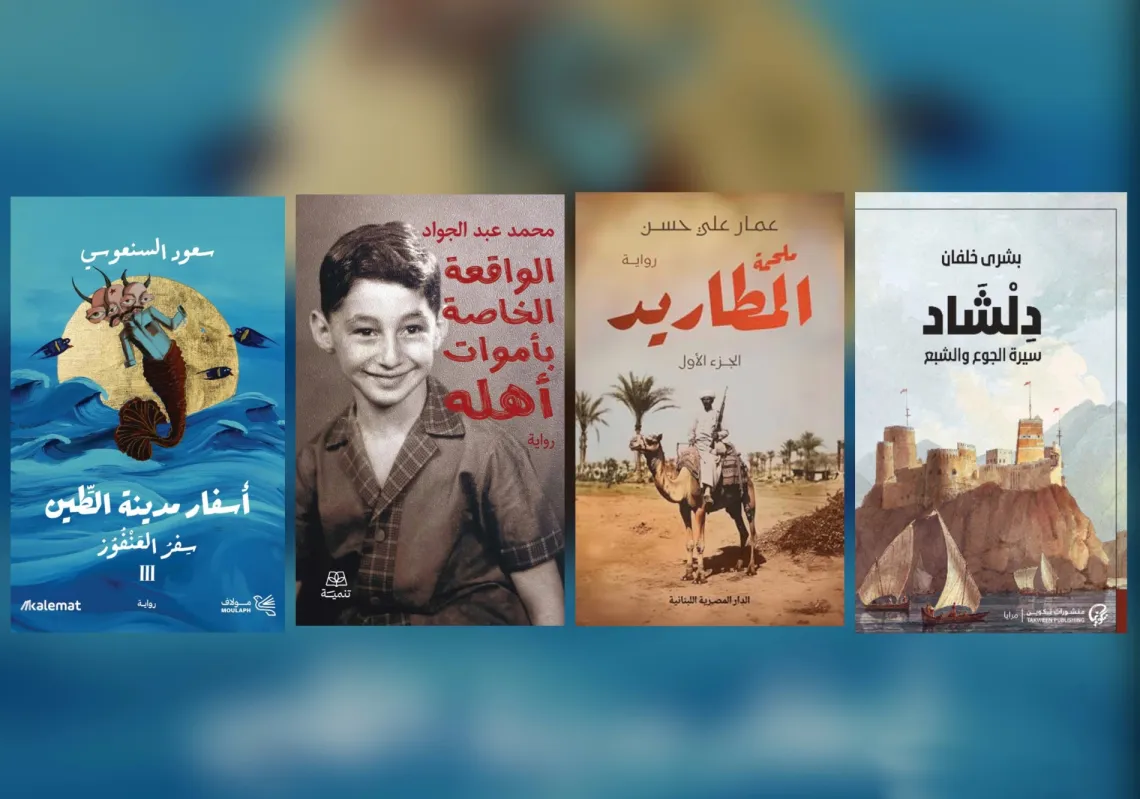
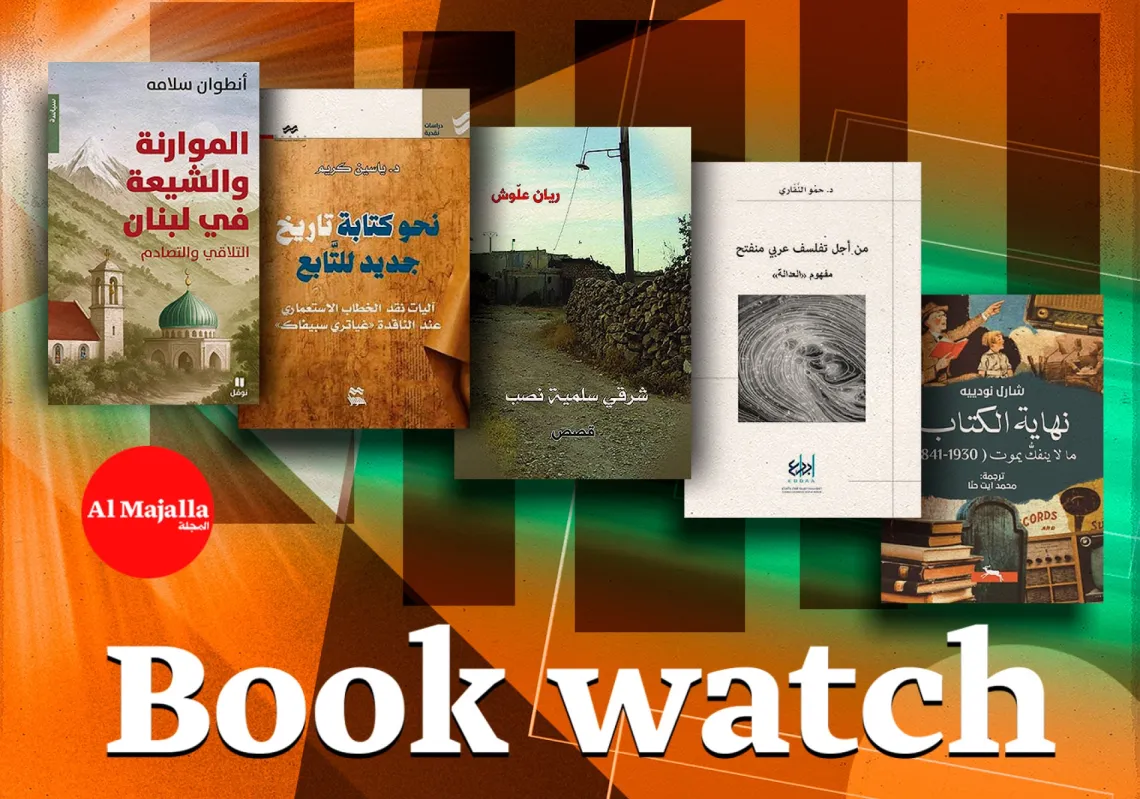
Sprawling, multi-generational epics are making a comeback in Arabic literature. Al Majalla reviews some captivating new novels that skillfully transform time, place and identity.
A professor of Arabic literature in the US, Huda J. Fakhreddine has a good view of the cultural landscape. Speaking to Al Majalla, she ponders the continued worth of translating Arabic into English.
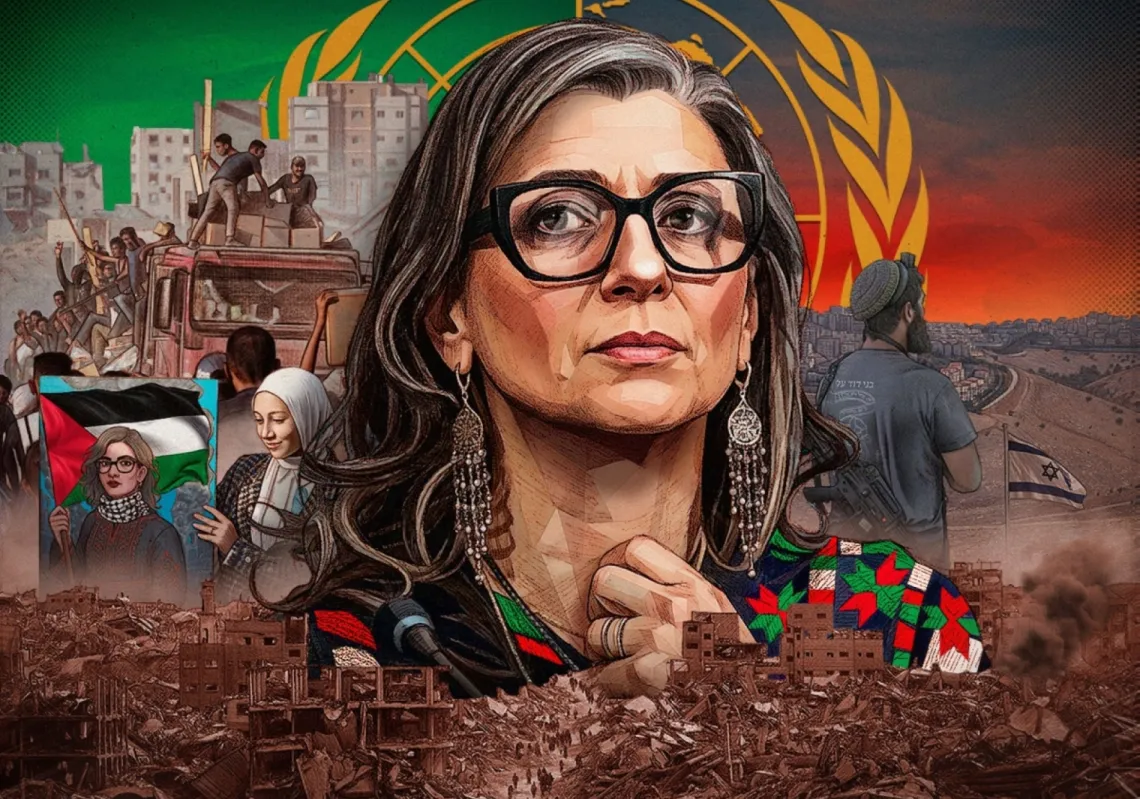
Palestinian novelists continue to tell their stories, demanding the attention of a world that has often looked away. Meanwhile, Israeli writers grapple with existential questions and self-doubt.
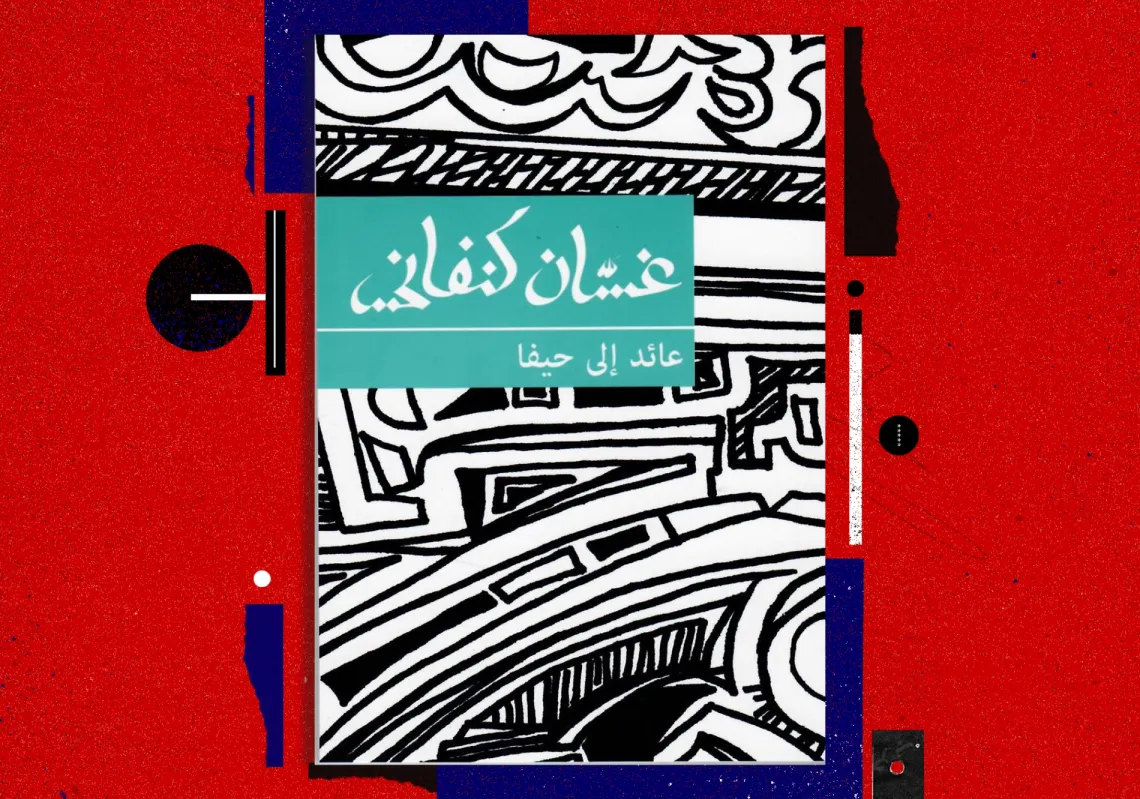
In a never-before-published interview, the late Lebanese novelist explains how the characters in his epic trilogy reflect his distaste for city life and lost faith in humanity
Disruption in the Hormuz can have major implications for global trade, but it also creates opportunities for smaller nations like Iran to become global political players
The Iraq war was viewed as disastrous in retrospect, while the Iran war was unpopular from the get-go. Al Majalla highlights the similarities and differences between the two.
Pipelines have a chequered history in the Middle East, but the closure of the Strait of Hormuz has led US Tom Barrack to conclude that a new route through Syria could solve some problems.