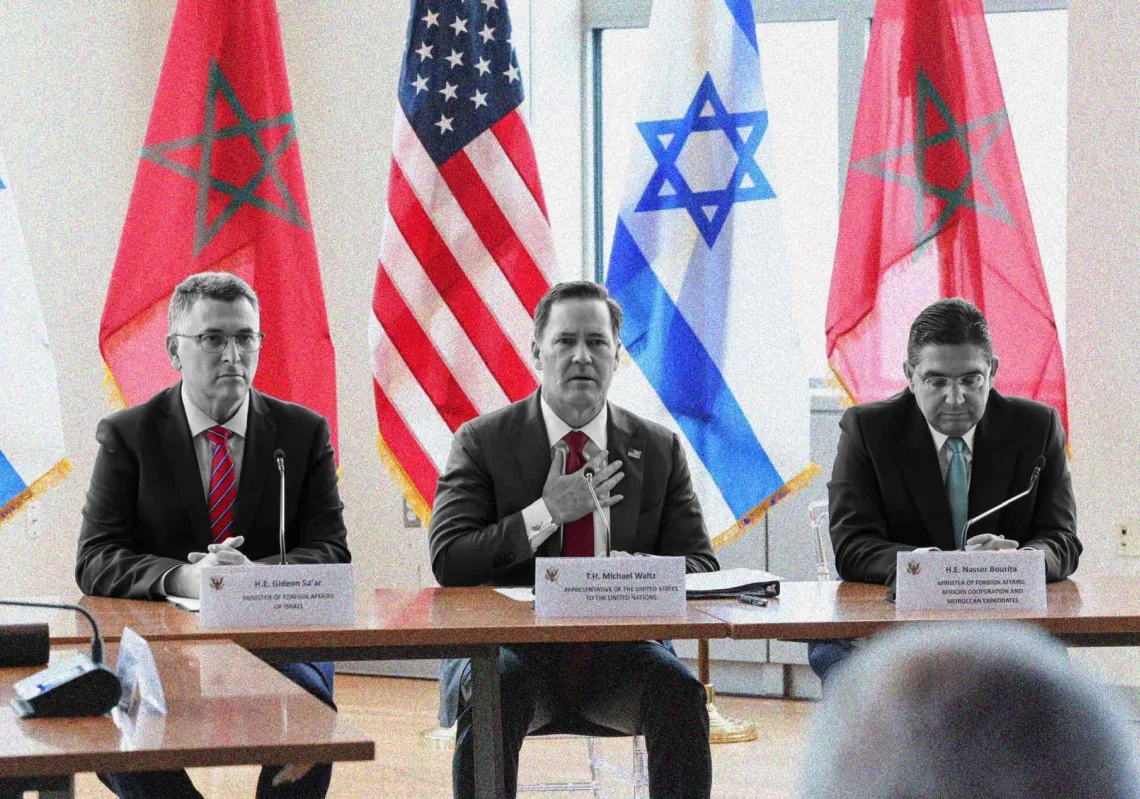
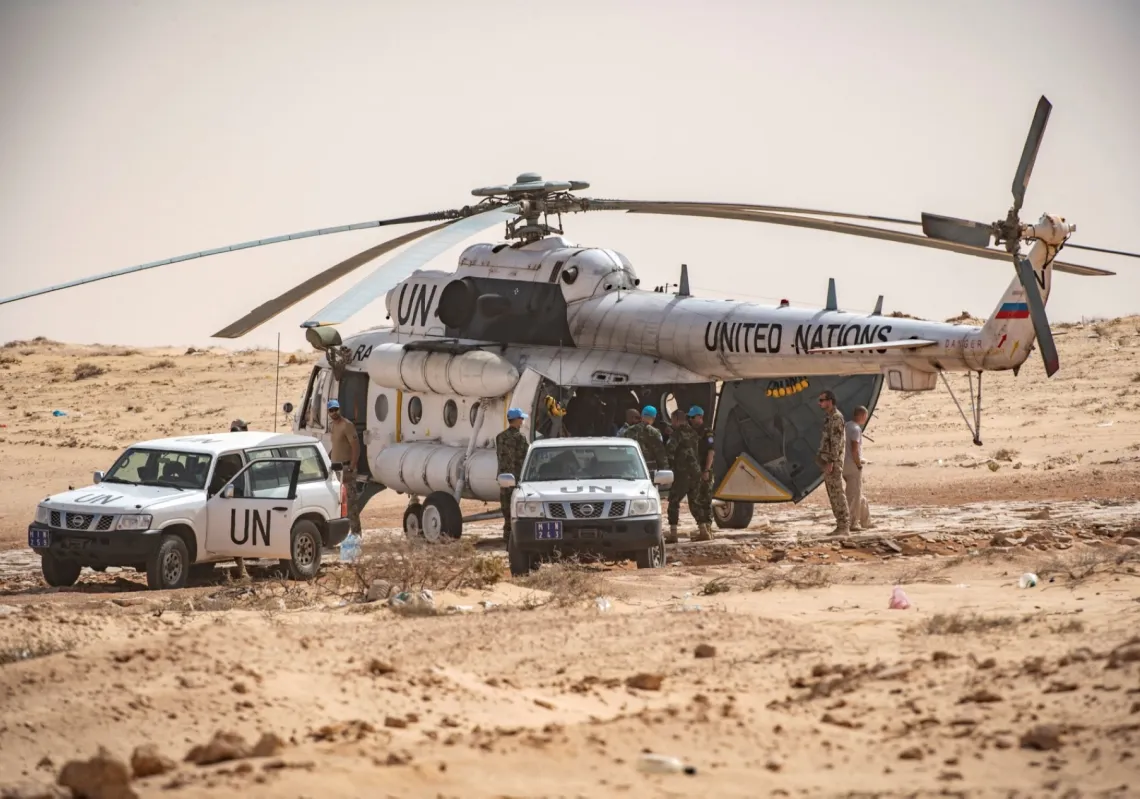
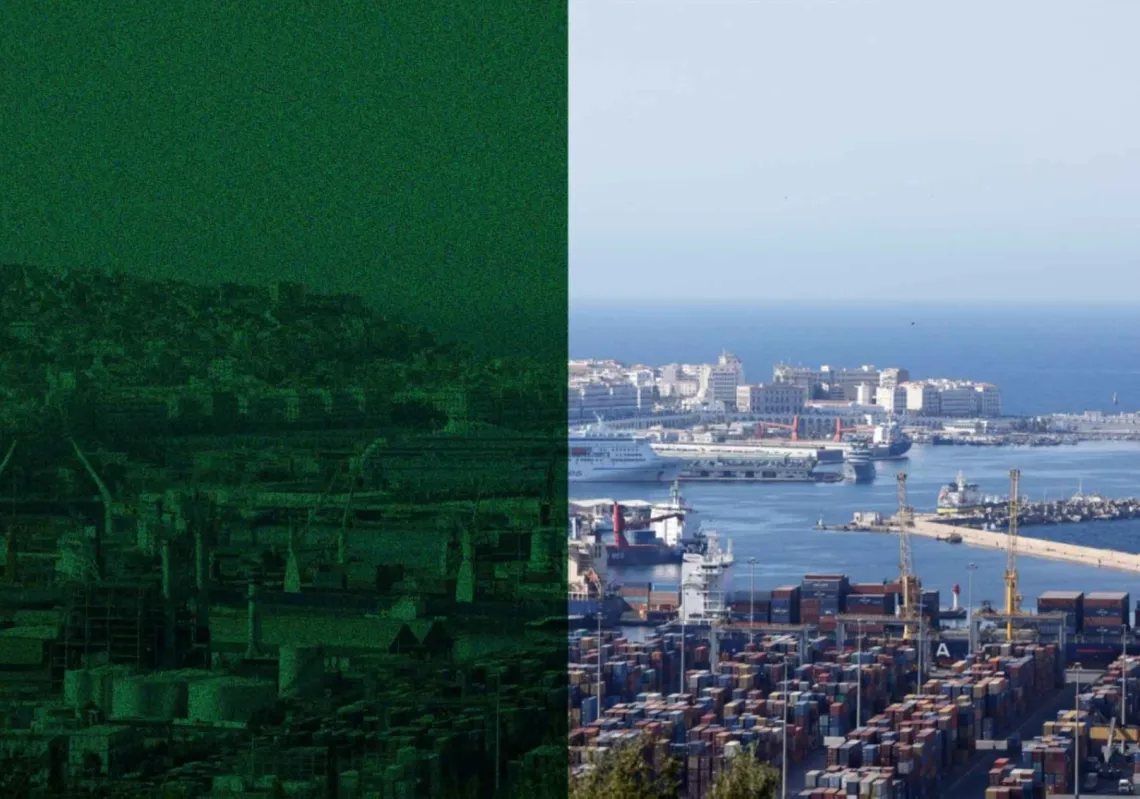
US envoy Steve Witkoff thinks a thaw in relations between the two North African neighbours may be possible in 60 days. But doubts remain about its ability to serve as an honest broker.
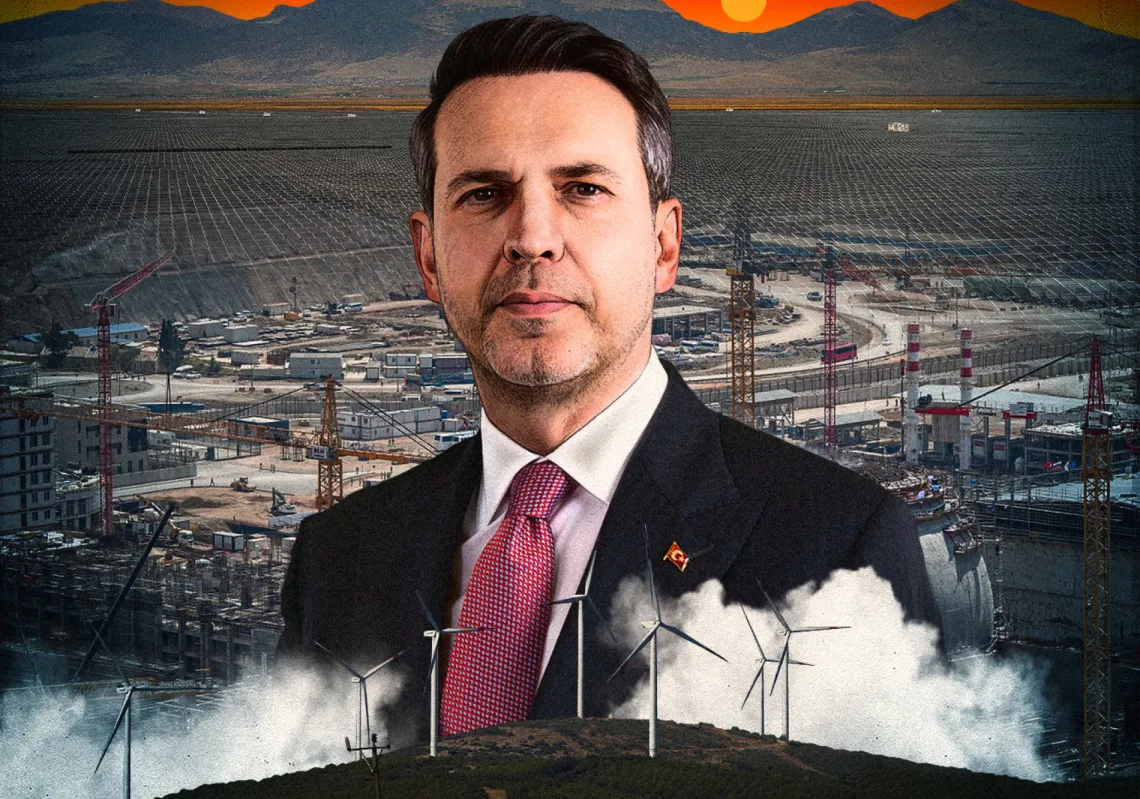
There are some very good reasons why the North African country should pursue civil nuclear power generation, but as experts warn, there are also some very good reasons to pause
The country has passed a new minerals law seen by its backers as a catalyst for investment. But critics say it surrenders sovereignty. Which way will the pendulum swing?
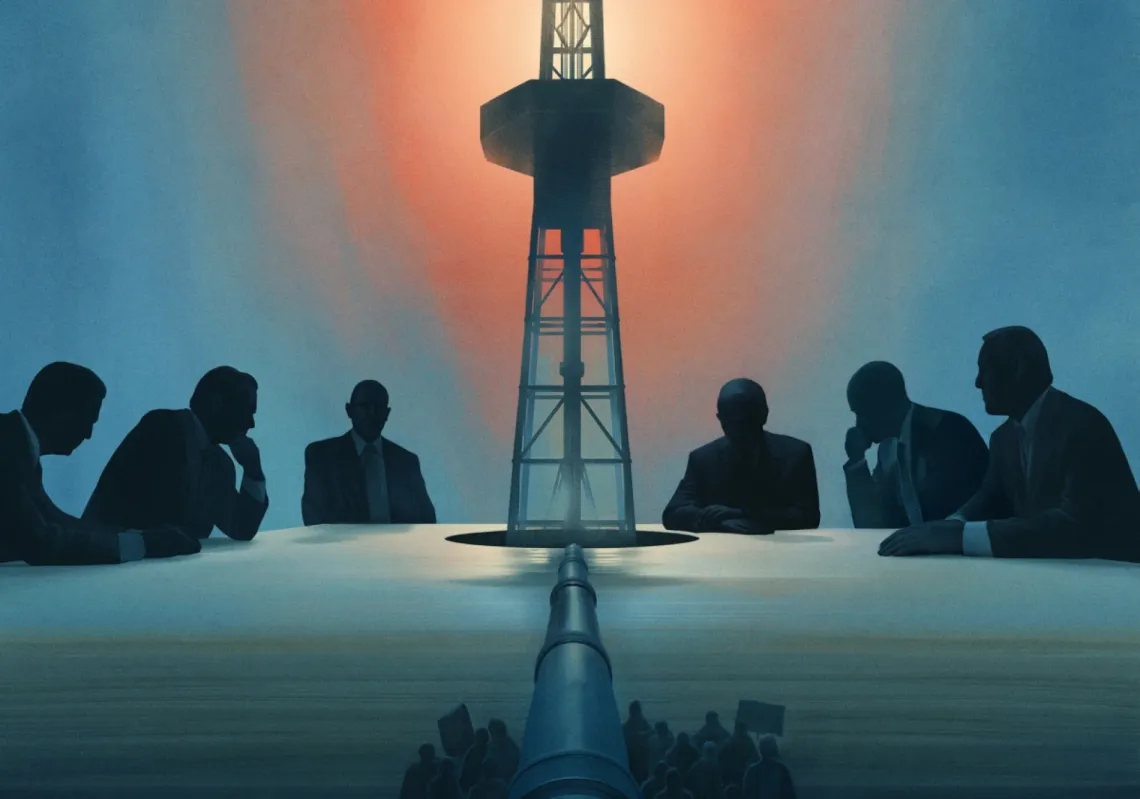
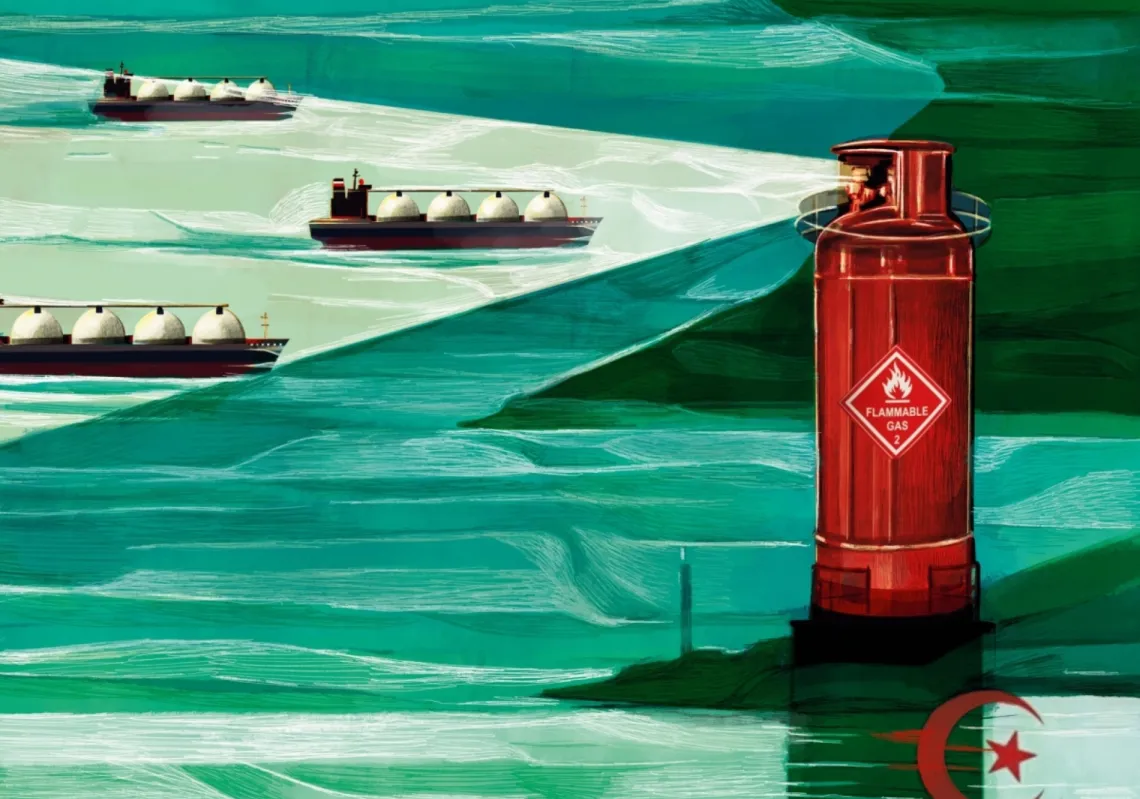
In the race to supply natural gas to Europe, Morocco, Algeria, Russia, Nigeria, Türkiye, Qatar, and Niger are all involved. With an existing pipeline network to Europe, does Algeria have an advantage?
Big agricultural projects have been launched in Algeria's arid south, home to huge quantities of groundwater held in rock. Exploiting that to feed the region would be an economic boon.
One of the world's poorest nations currently has one of the fastest growing economies in Africa. Looking at the map and surveys of its mineral deposits shows why that might continue.
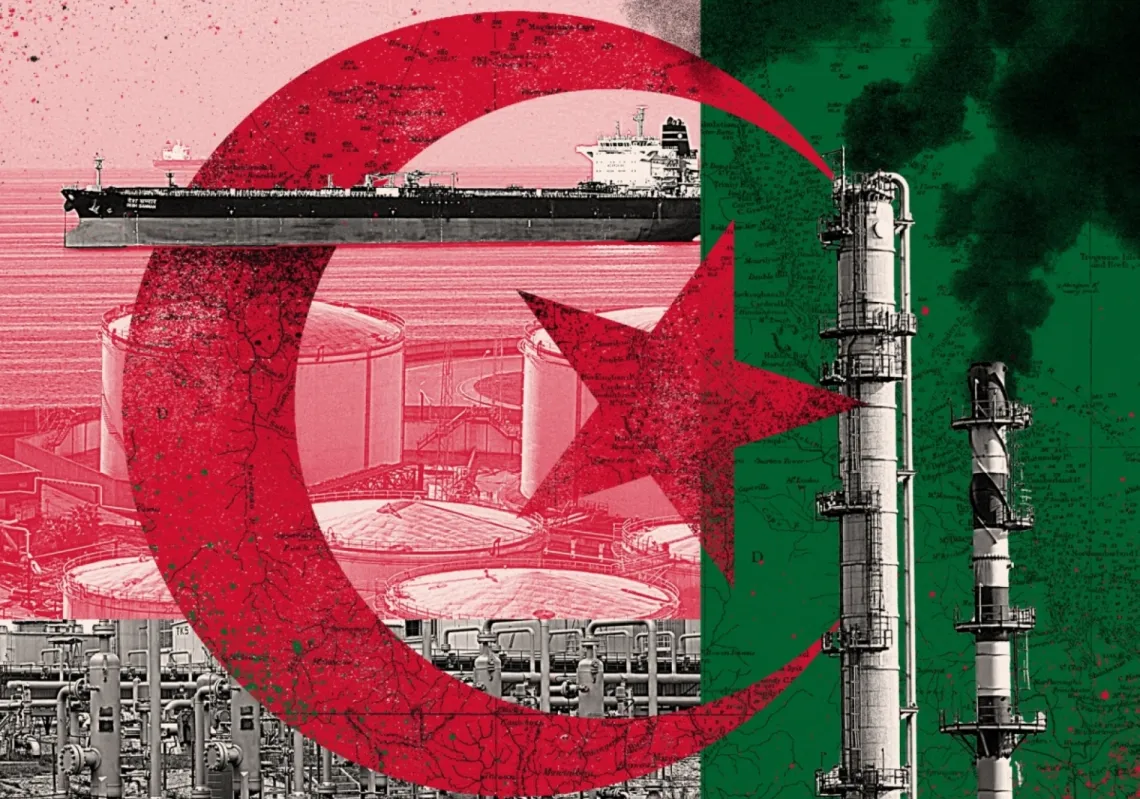
Relations have plummeted between Paris and Algiers. The latter sought a fairer deal, but the former seemed to want only oil, gas, and a grain market. As French firms leave, Algeria is moving on.
A contentious cultural and political issue can often be oversimplified with crude arguments, but the question of languages and identities is much more nuanced.
When states are attacked, authority gravitates towards institutions capable of mobilising resources, enforcing discipline, and coordinating a military response
Cairo and Tehran have been at loggerheads since 1979, but the Iranian threat has always acted as a check on Israeli ambitions. If Iran is completely defeated, Israel will reign supreme.
Even if it stays on the sidelines of the US-Iran war, the country is fragile. Unlike larger economies that can absorb shocks in global markets, it has little room to cushion the impact.