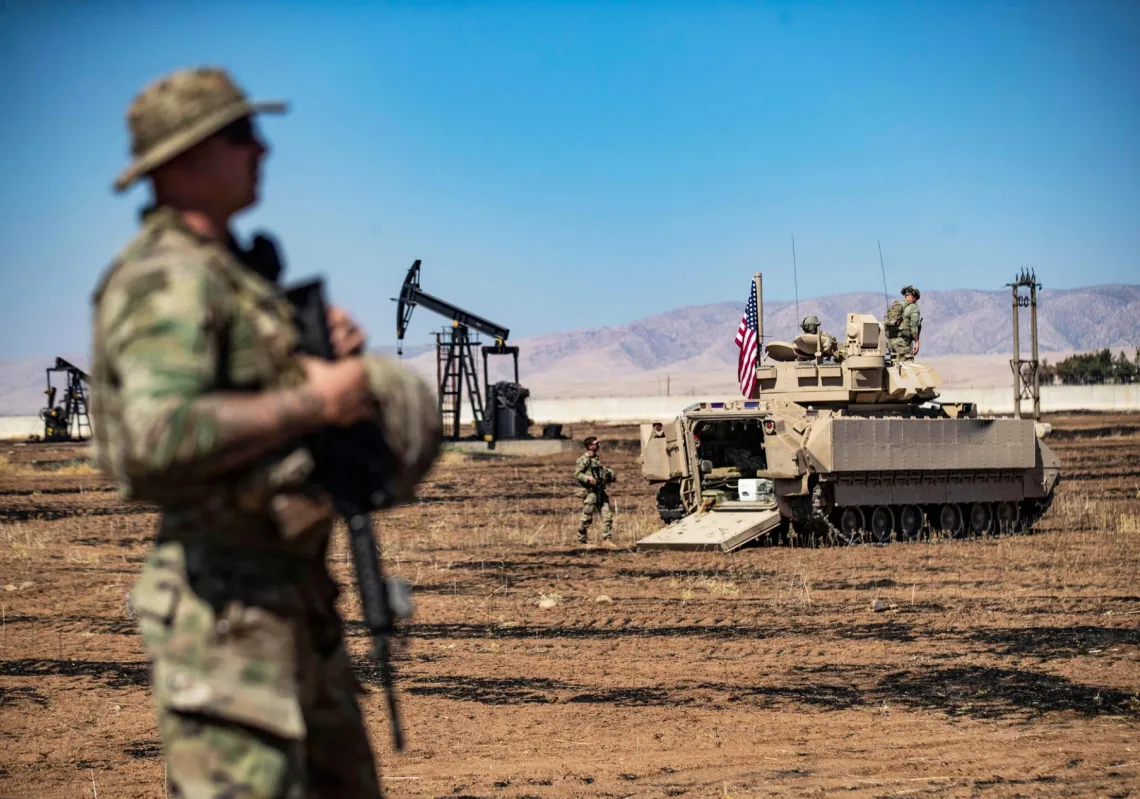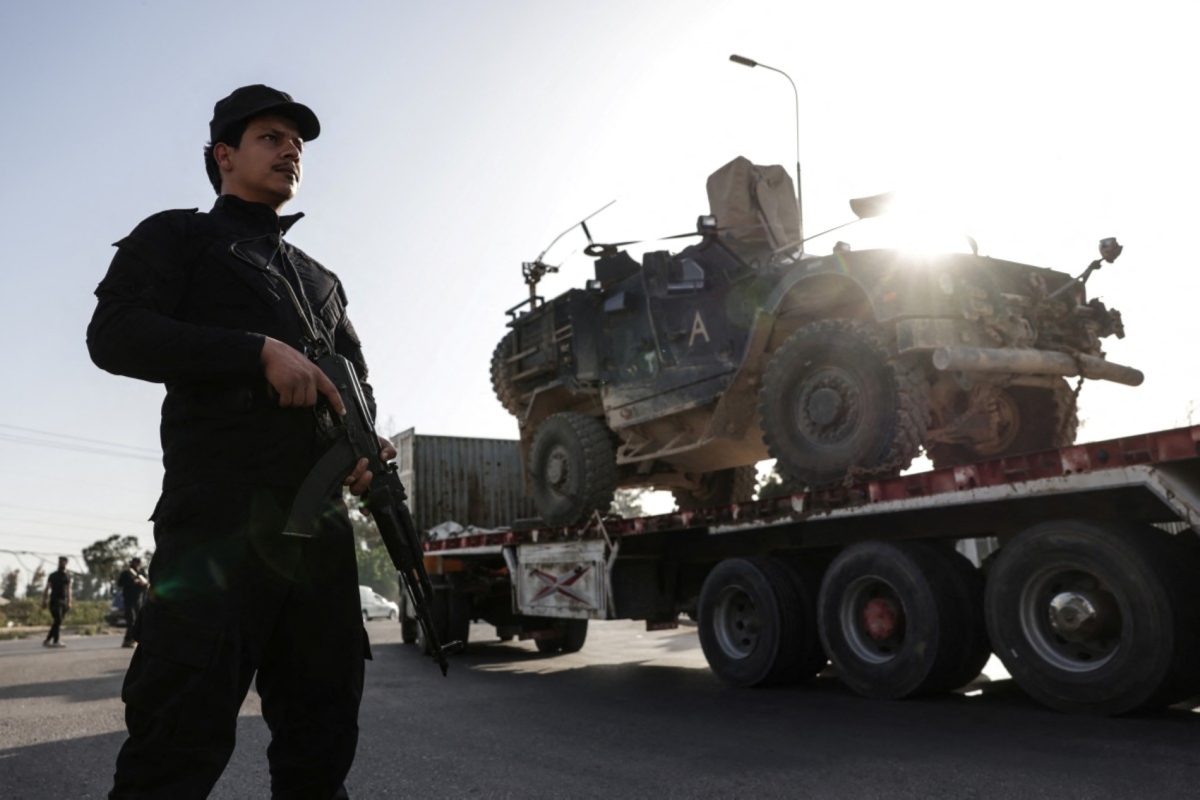

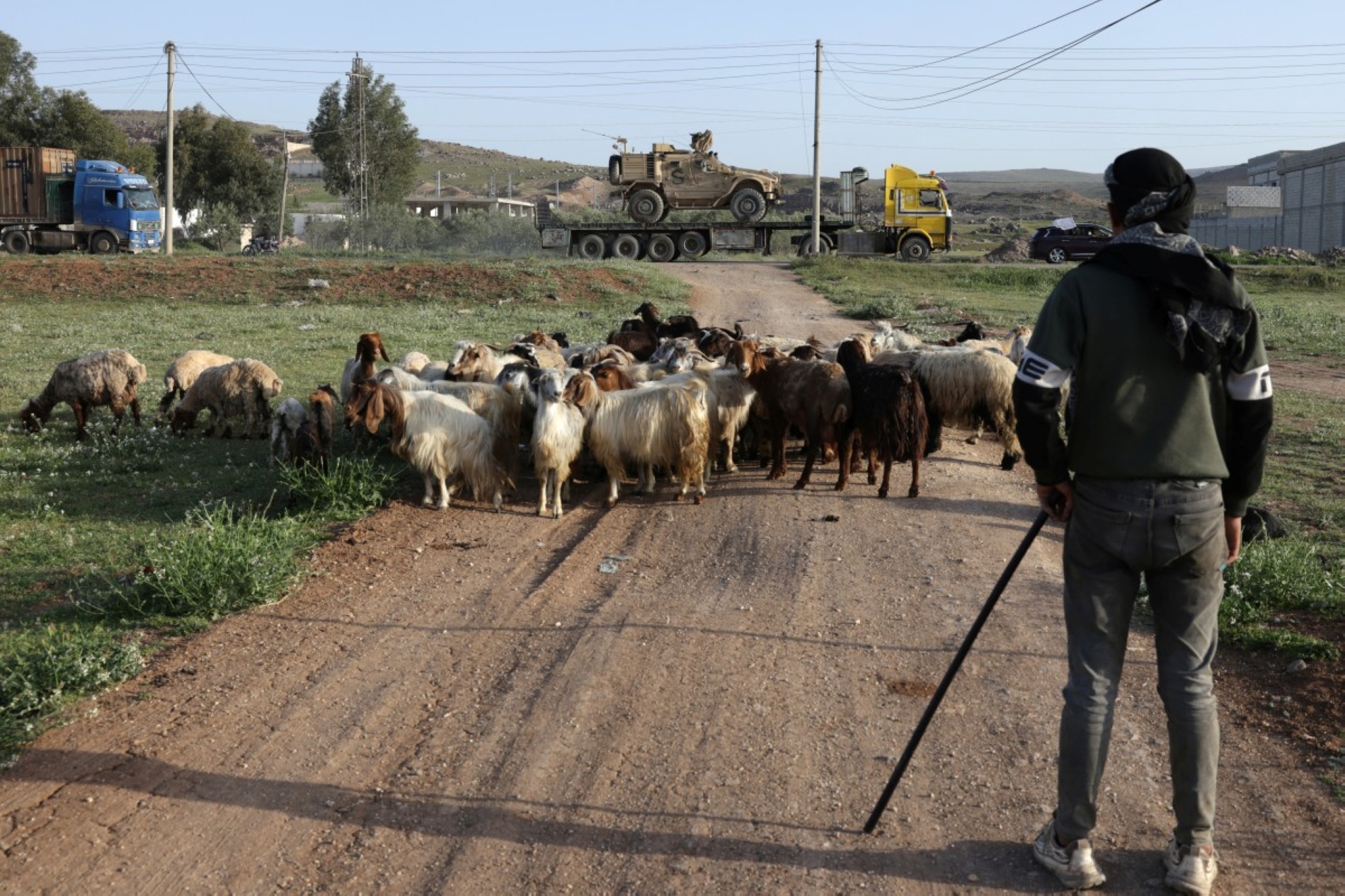
On 15 and 16 April, the US evacuated its last remaining base in Syria, bringing to a close more than a decade of American military presence in the country. The withdrawal from the Qasrak base in Hasakah province amounts to a declaration by Washington and Damascus that relations between the two countries have entered a new phase.
According to Al Majalla’s sources, the two sides have entered a period of review aimed at strengthening cooperation and strategic alignment. Both view a possible alliance as a cornerstone for consolidating gains and ensuring their long-term durability.
Washington withdrew its last remaining soldiers and military vehicles from Qasrak on 16 April, leaving behind air interception systems for use by the Syrian government. The destination of the US soldiers was not Iraq but Jordan, indicating that Washington no longer considers its troops and equipment to be safe in Iraq.
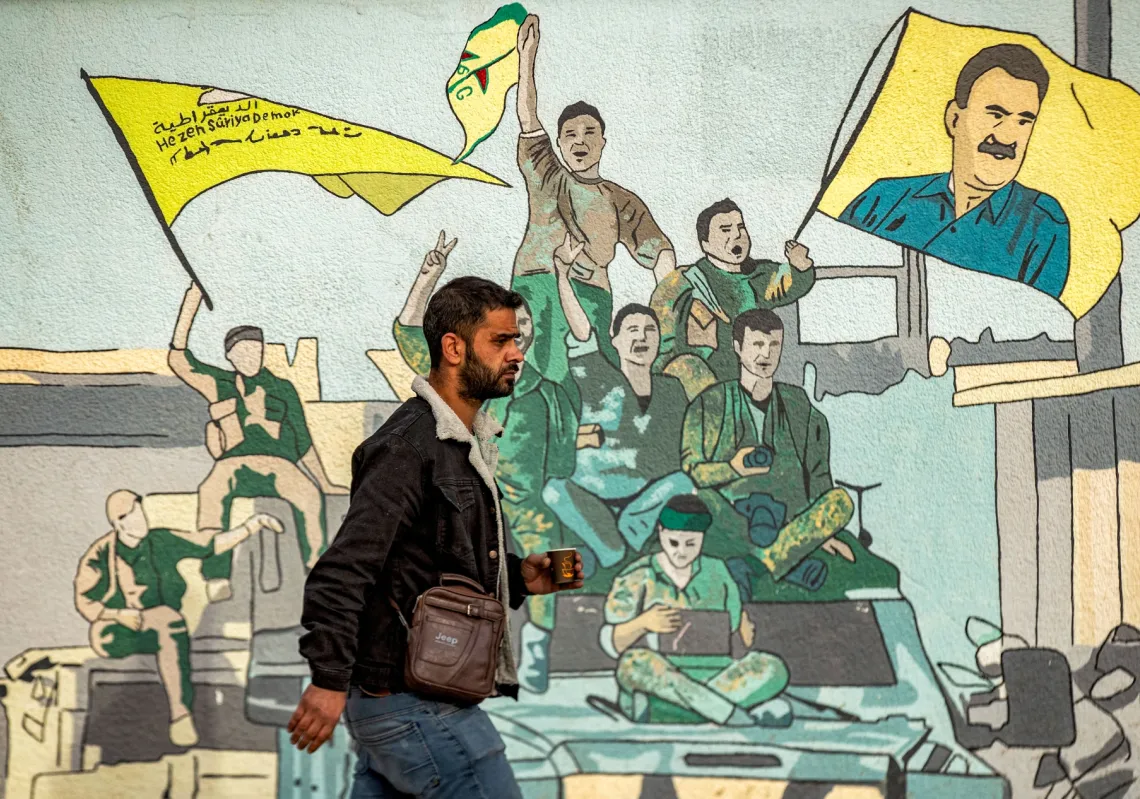
Control of the base was transferred to the 60th Division of the Syrian army, carrying an indirect message to the Syrian Democratic Forces (SDF) that its role as Washington’s primary ally has now officially expired. The US withdrawal coincided with talks between the SDF commander Mazloum Abdi and Syrian officials in Damascus. Those talks focused on the request that the Syrian government assume control of official border crossings in north-eastern Syria and that efforts to integrate the SDF into the Syrian army be completed as swiftly as possible.
Abdi’s visit to Damascus culminated in a meeting with Syrian President Ahmed al-Sharaa. According to information obtained by Al Majalla, Damascus is seeking to strengthen figures aligned with Abdi within the SDF, viewing them as among its more moderate currents. Al Majalla has also learned that Damascus has been studying the closure of the Semalka crossing, which was established as a temporary logistical crossing amid the chaos of the civil war. However, regional and international actors have asked Damascus to proceed cautiously and keep the crossing open until the situation east of the Euphrates stabilises, and the agreement between the government and the SDF is completed.
Why now?
The US is reordering its security and political priorities in Syria as part of a broader strategic shift across the Middle East. The outlines of this recalibration began to emerge when Syria formally joined the US-led global coalition to defeat the Islamic State (IS) at the end of last year, as Washington was also preparing for a possible war with Iran.
Information obtained by Al Majalla indicates that support for withdrawing from Syria gathered momentum in Washington as US officials reviewed the purpose of the military presence there, assessed the complexities of Syria’s security landscape, and considered whether that presence still served broader efforts to promote stability. These considerations were also shaped by concern that American troops in Syria could be targeted by Iran-backed militias as tensions with Tehran escalated after 28 February.
Syria’s formal entry into the global coalition to defeat the Islamic State (IS) in November last year marked a pivotal turning point. One of the primary reasons for Washington’s presence in Syria had been to fight IS. With Syria now part of the coalition, Washington viewed that presence as no longer essential. Arming and training the Syrian army could proceed in coordination with the Syrian government without the need for US bases.
Syria’s stance against Iran, its shift towards the Arab Gulf, and its openness to the West have also carried considerable weight, reinforcing the case for withdrawal. In this context, Washington came to view its role in Syria as one that could be pursued through support of the Syrian government, without the need for separate military bases.
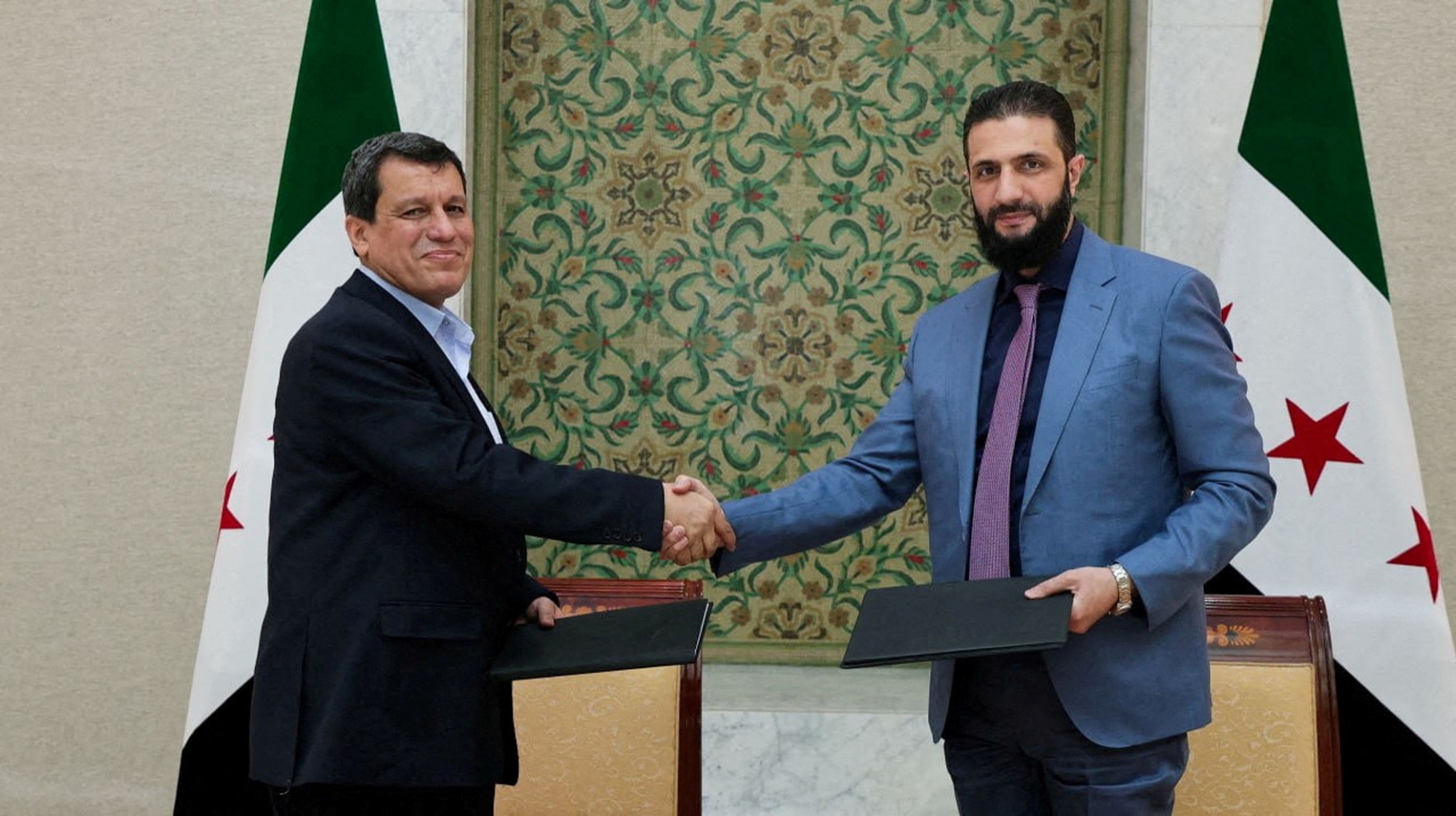
Following the signing of the 10 March agreement between Damascus and the SDF last year, both the Syrian government and the SDF have taken practical steps towards its implementation—namely, the full integration of Kurdish forces into the central state. That agreement, along with the measures that followed, brought to an end one of Washington's missions in Syria: training, arming, and managing the balance of forces in the country.
The interests of Damascus, Washington, and Ankara have now converged in Syria, which means the country no longer requires dedicated American bases. It can be achieved through agreements and training programmes.