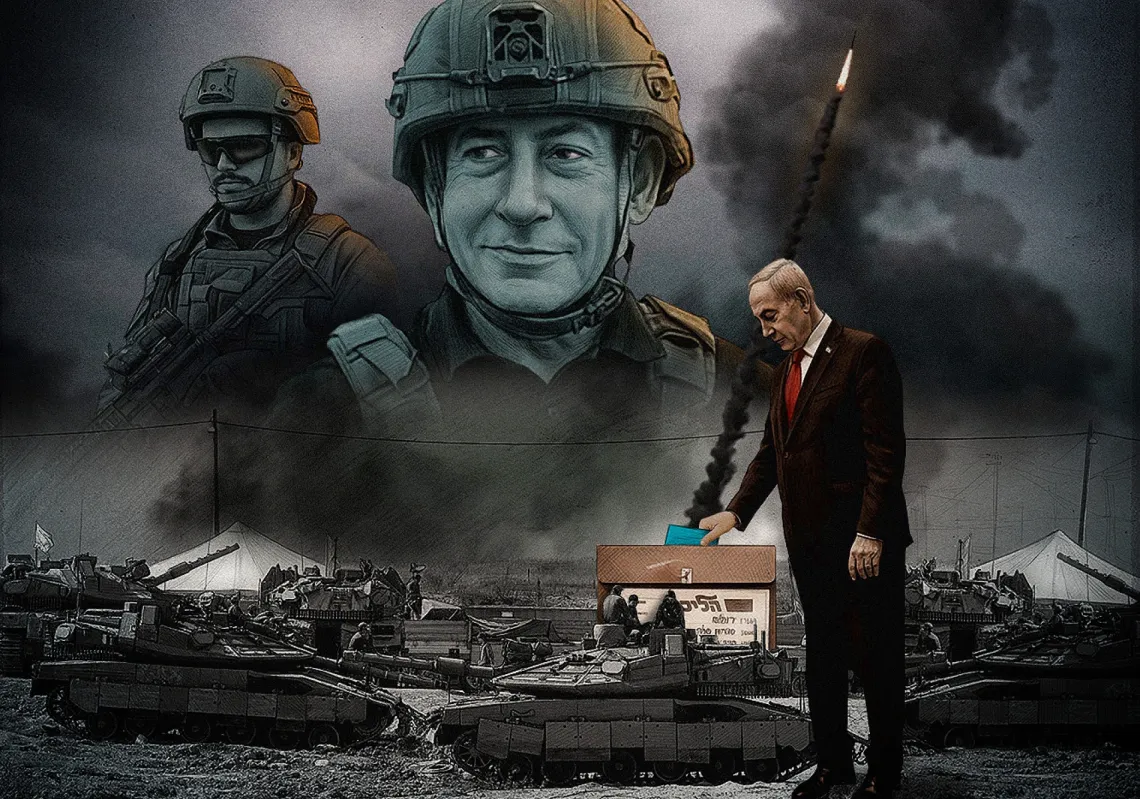
The Israeli election could open the door to different Israeli policies towards its near abroad conflicts and tensions, from Gaza and Lebanon to Syria, Türkiye and Iran
Israel's war on Gaza has cost it support among Christian conservatives—traditionally strong supporters of Israel—alarming pro-Israel forces who are scrambling to counter the phenomenon
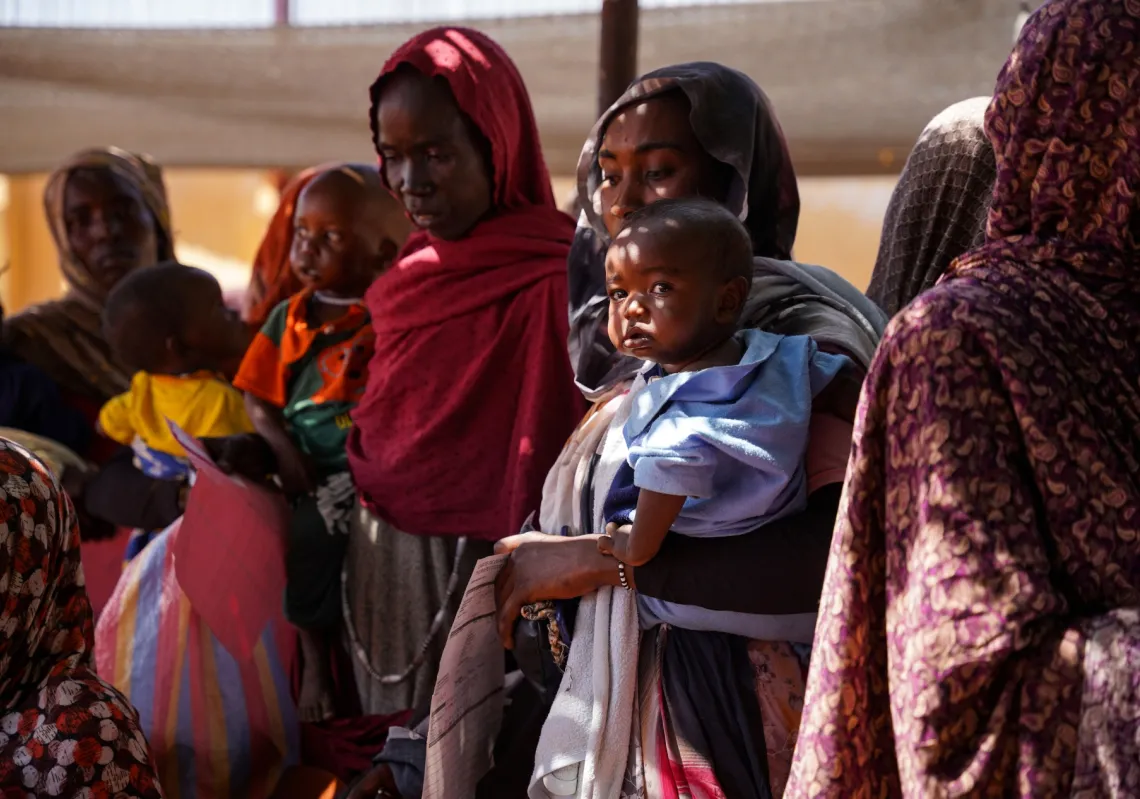
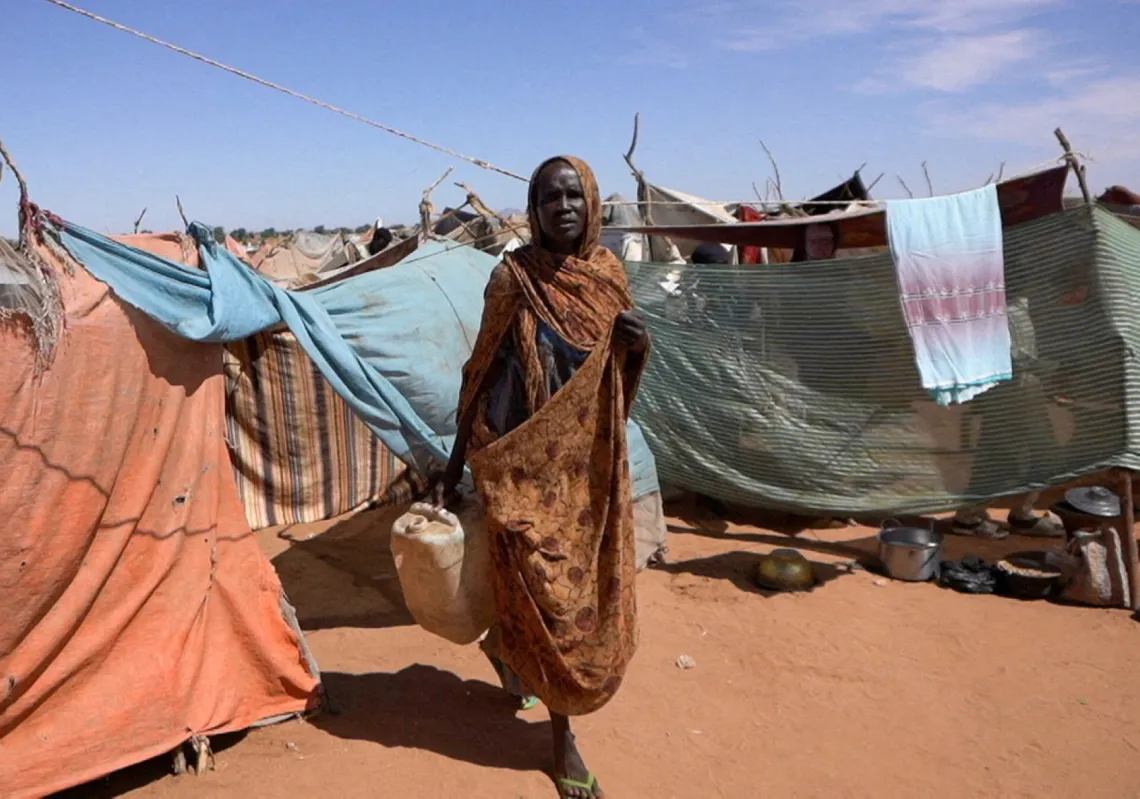
Washington seems to have changed its tone after the RSF committed atrocities in October, putting increasing pressure on the foreign backers of a paramilitary that now controls Darfur. What next?
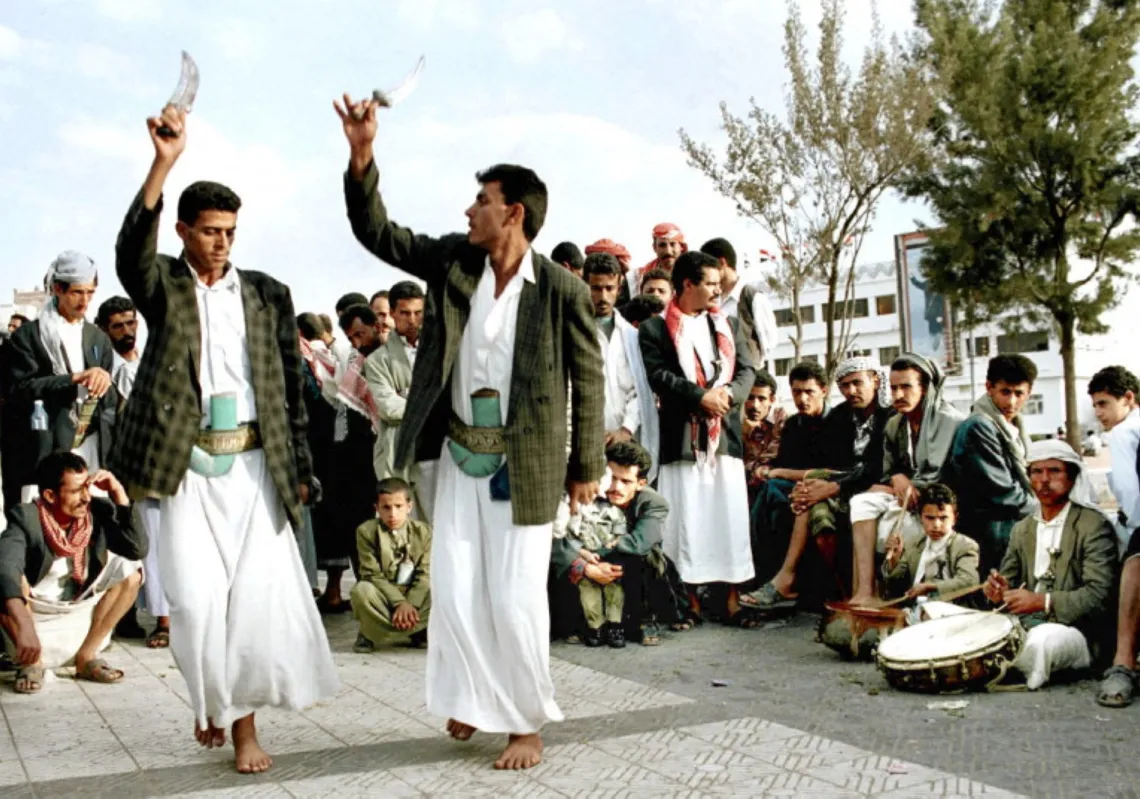
For decades, two separate states - North and South Yemen - existed side-by-side, until the Cold War ended. Suddenly, the two came together. For a brief moment, united Yemen prospered.
When there were allegations of ethnic cleansing in Darfur in 2003, celebrities and others were up in arms. Today, with 60,000 reportedly killed in three weeks, protests are few. Why the change?
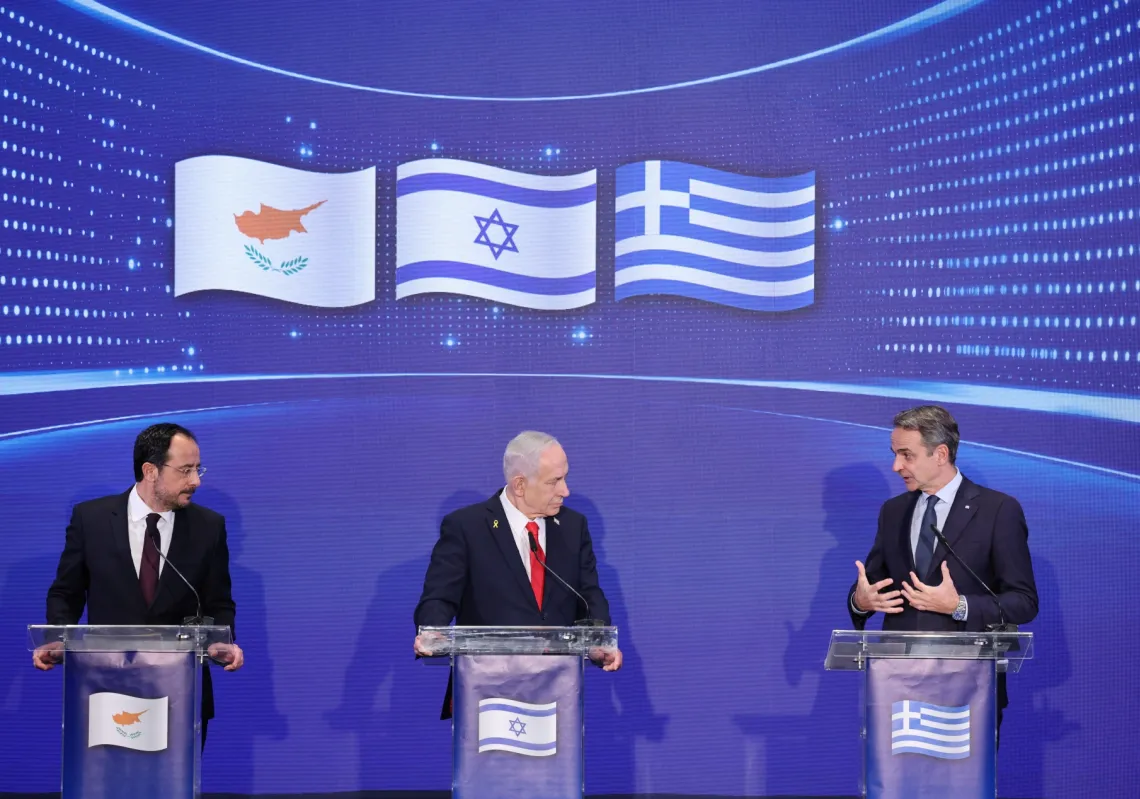
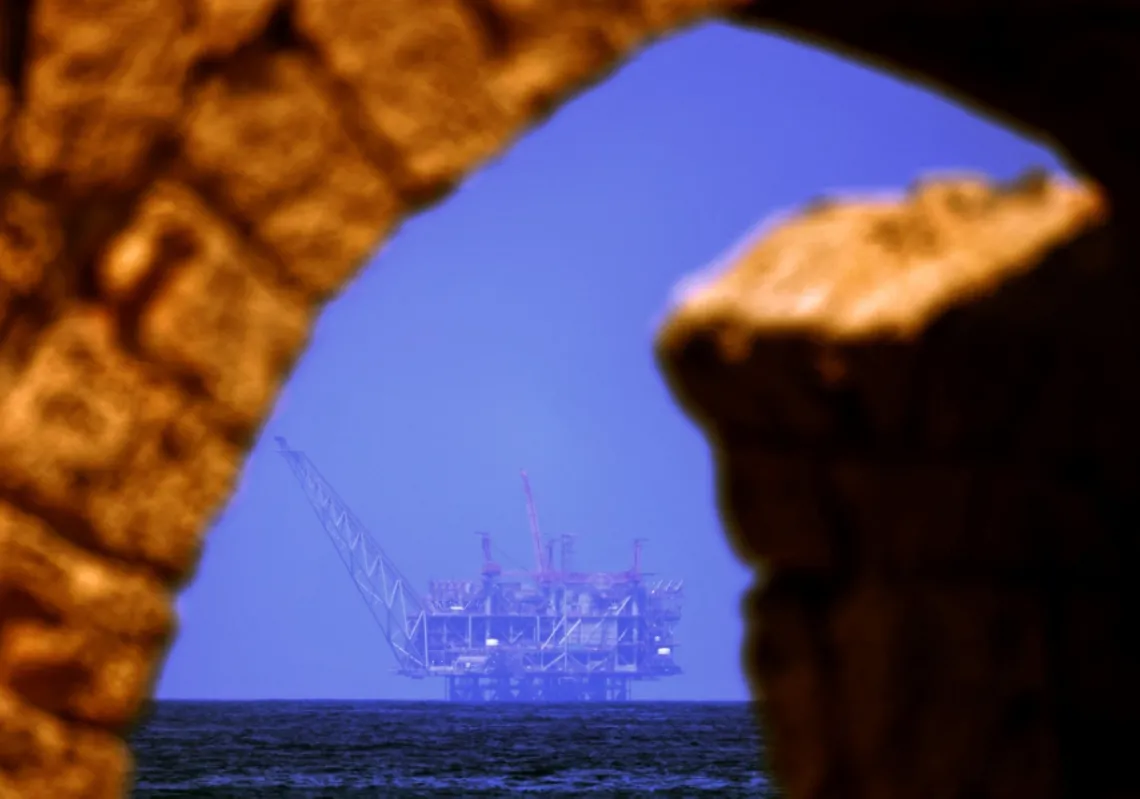
The two countries at last have a maritime border, letting energy firms search for new gas fields in the Eastern Mediterranean, but the agreement has geopolitical repercussions too.
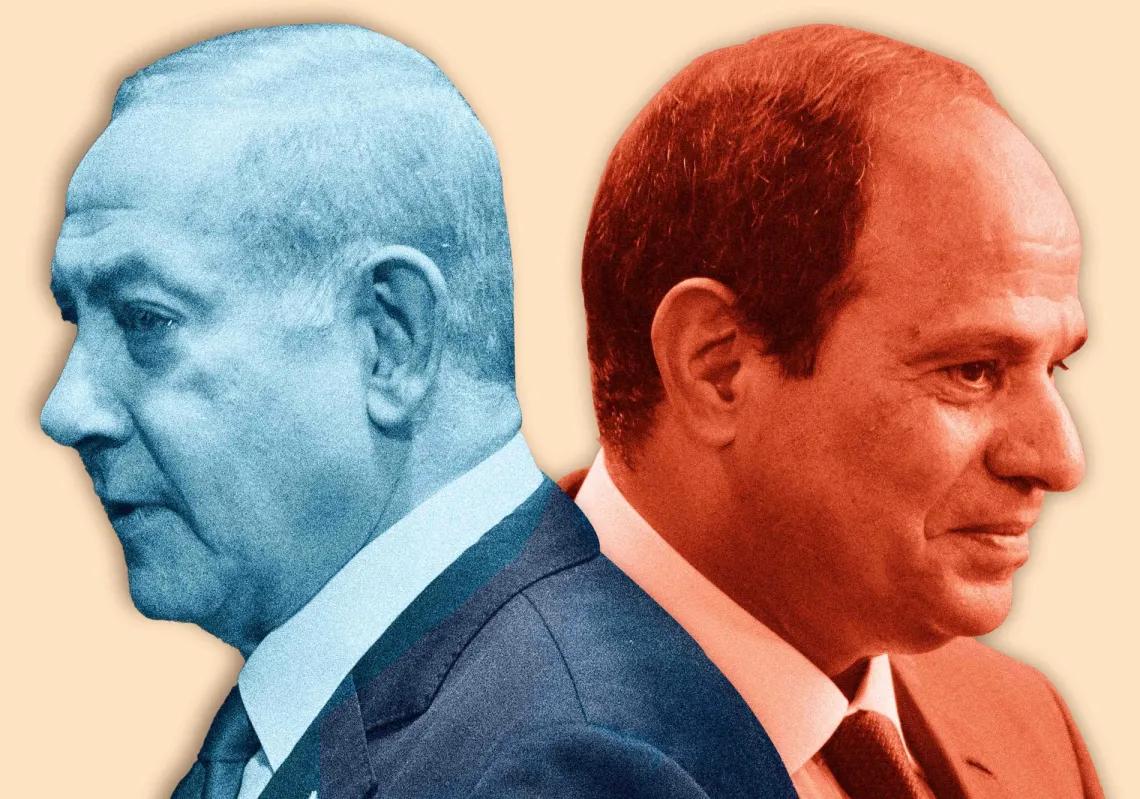
A $35bn gas supply deal between these two neighbours is being held up by political disagreements, some of which relate to their 1979 peace treaty. What next for the Israel-Egypt relationship?
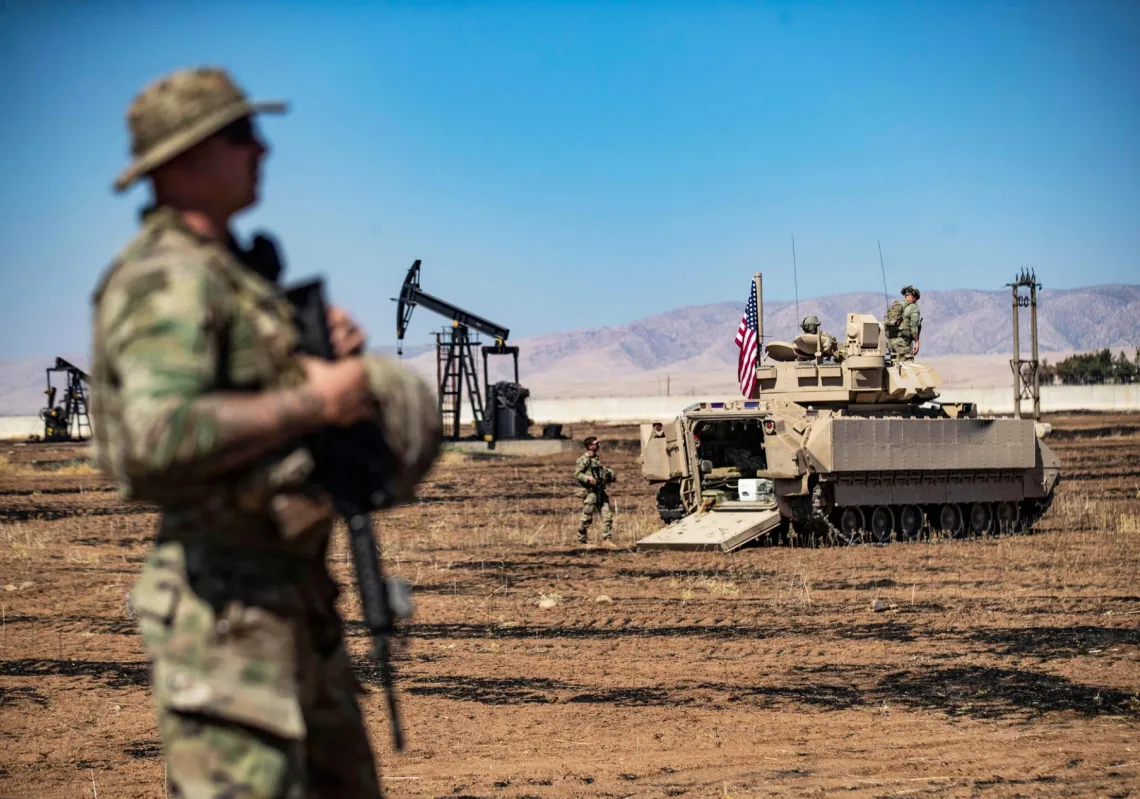
An Islamic State operative infiltrated Syria's security set-up and waited until he was with American soldiers. The assault requires an urgent reassessment of personnel and recruitment in Damascus.
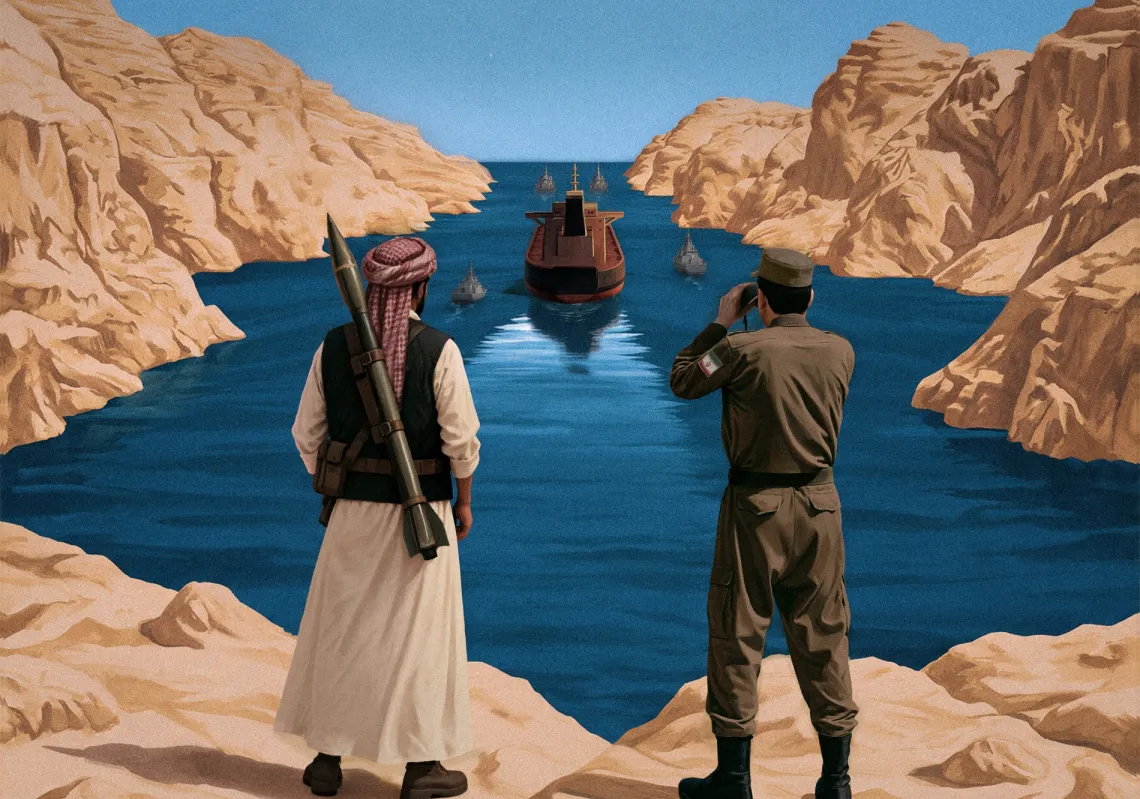
Just as Iran used Hezbollah to expand its influence in the Levant, it is now using the Houthis to give it leverage in Bab al-Mandab and the Red Sea amid its war with the US
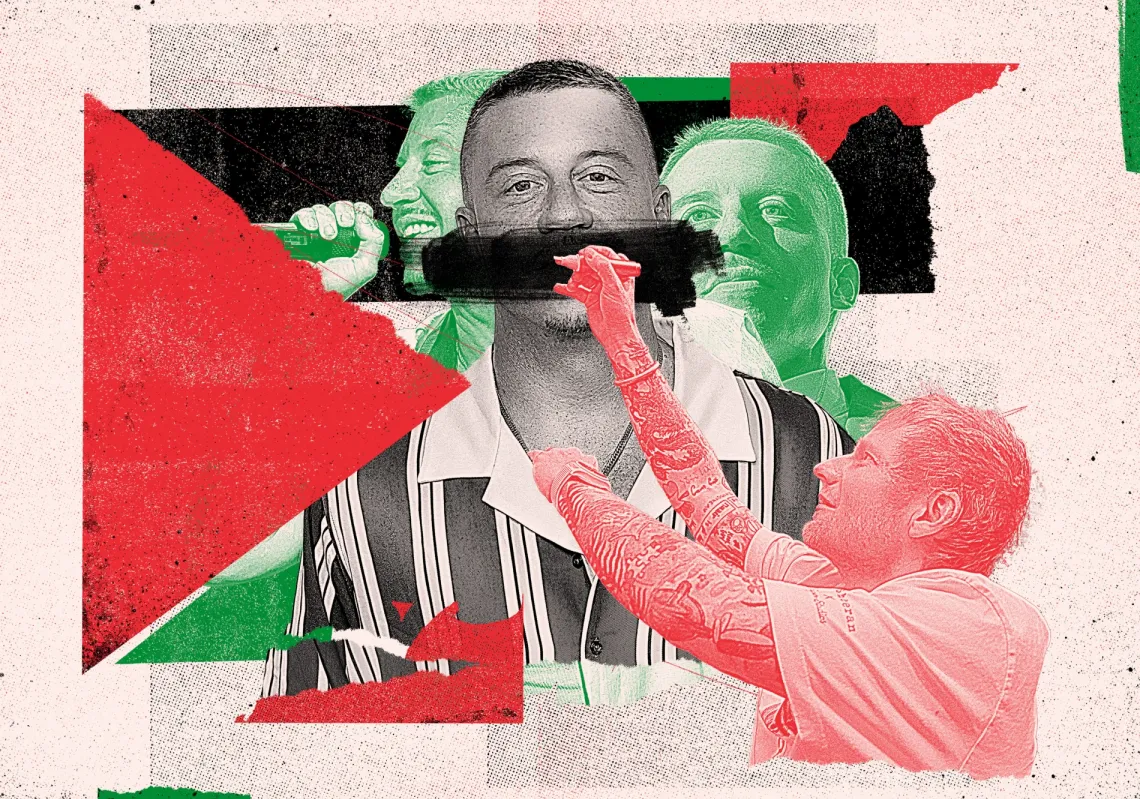
The American rapper's removal from Ed Sheeran's tour over his 'Free Palestine' speech and the British singer's meek rebuttal sparked an uproar on social media
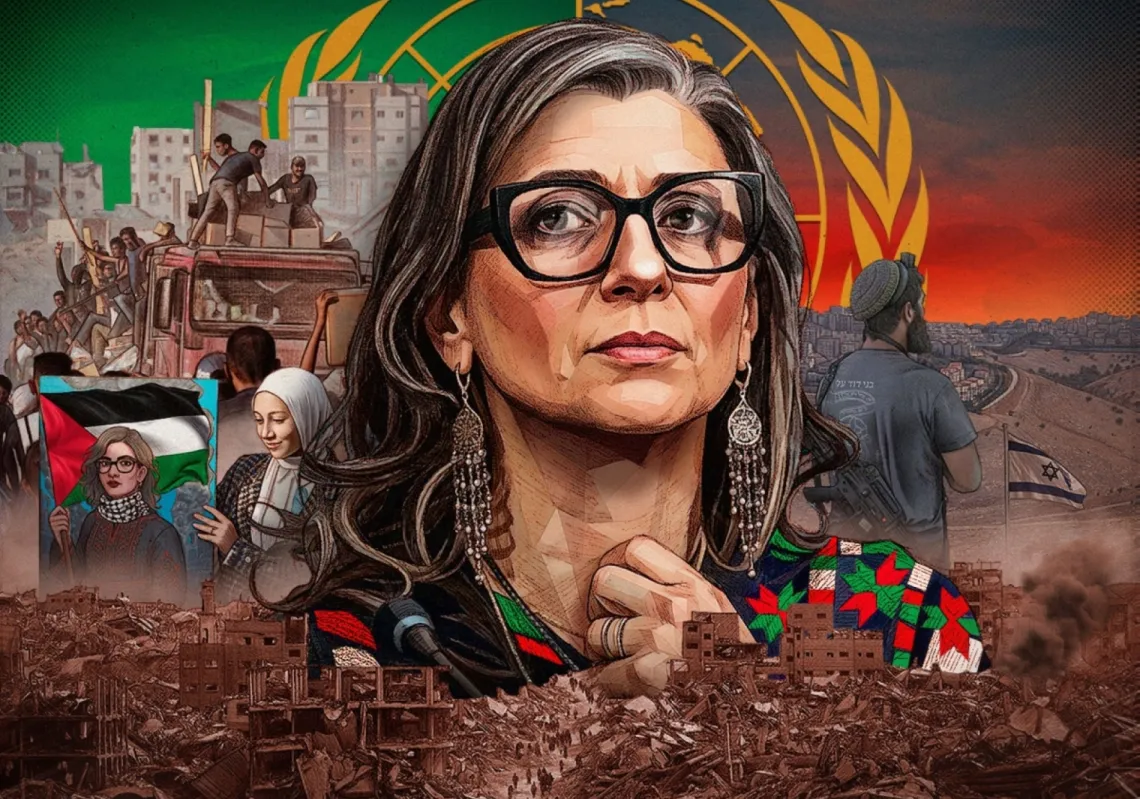
In an interview with Al Majalla, the UN Special Rapporteur says the backlash against her for speaking out against Israel's genocide in Gaza reveals much about the current international order