Egypt-Israel ties being tested by concerns over Gaza and Sinai

A $35bn gas supply deal between these two neighbours is being held up by political disagreements, some of which relate to their 1979 peace treaty. What next for the Israel-Egypt relationship?

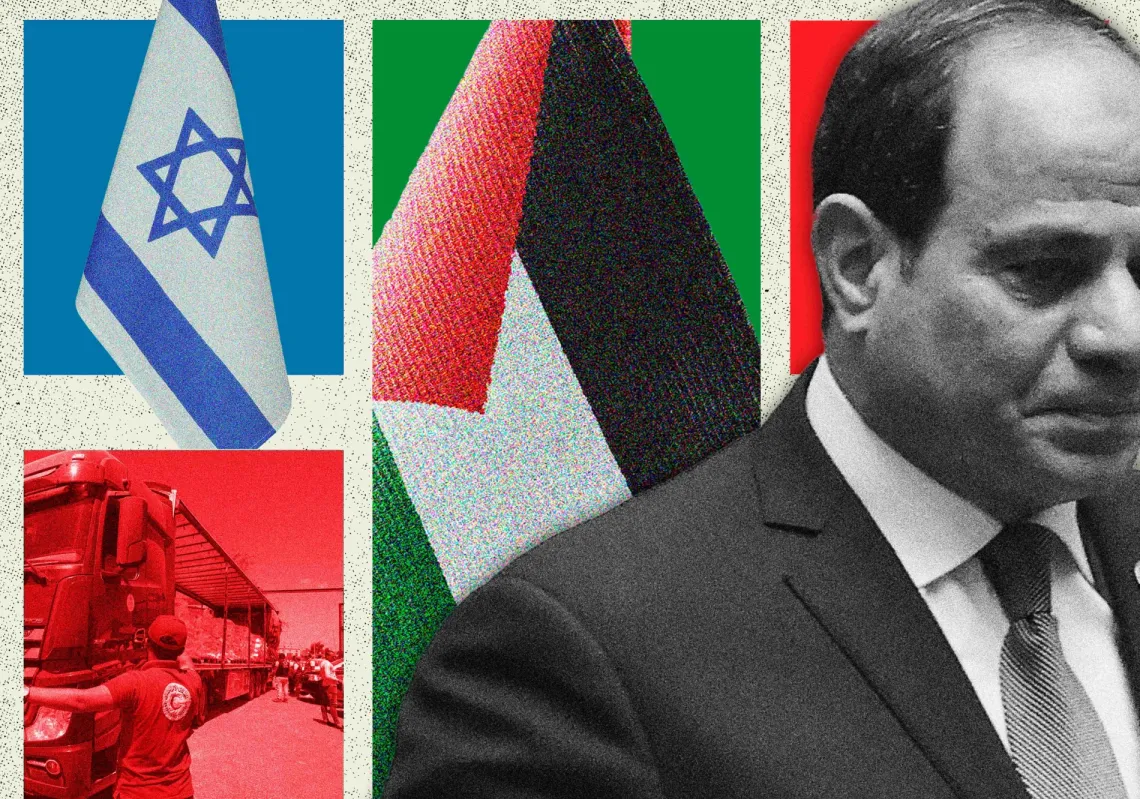
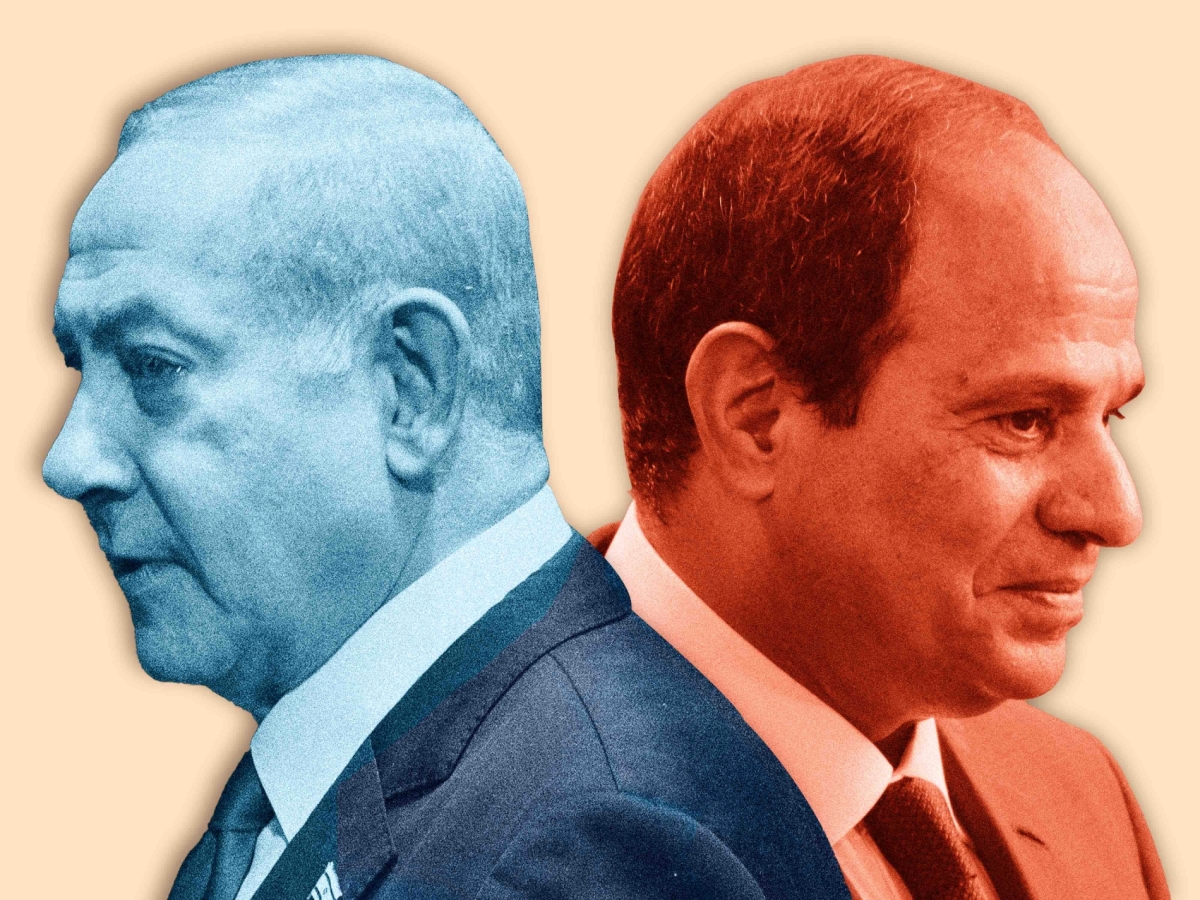
Israel's Benjamin Netanyahu and Egypt's Abdel Fattah al-Sisi have not seen eye-to-eye since October 2023.
AFP/Al Majalla
Israel's Benjamin Netanyahu and Egypt's Abdel Fattah al-Sisi have not seen eye-to-eye since October 2023.

Egypt-Israel ties being tested by concerns over Gaza and Sinai

With growing demand for energy at home, Egypt is diversifying its global partners to secure additional natural gas supplies, to maintain power generation and industrial productivity. In recent years, one of its key gas partners has been Israel, but negotiations over a supply deal recently hit the rocks, with political disputes impacting commercial talks.

Israeli Prime Minister Benjamin Netanyahu has sought to leverage approval of a $35bn gas export deal that could meet much of Egypt’s energy needs until 2040, putting pressure on Cairo to align with Israeli positions on issues such as Gaza, notably the Rafah Crossing and Egyptian troops in the Sinai.

These tactics are unlikely to fundamentally alter the path of bilateral relations, but they do prompt a reassessment of ties between Egypt and Israel—two neighbours and former adversaries bound by a 1979 peace treaty—as their relations evolve in the wake of Israel’s two-year war in the Gaza Strip.

Not seeing eye-to-eye

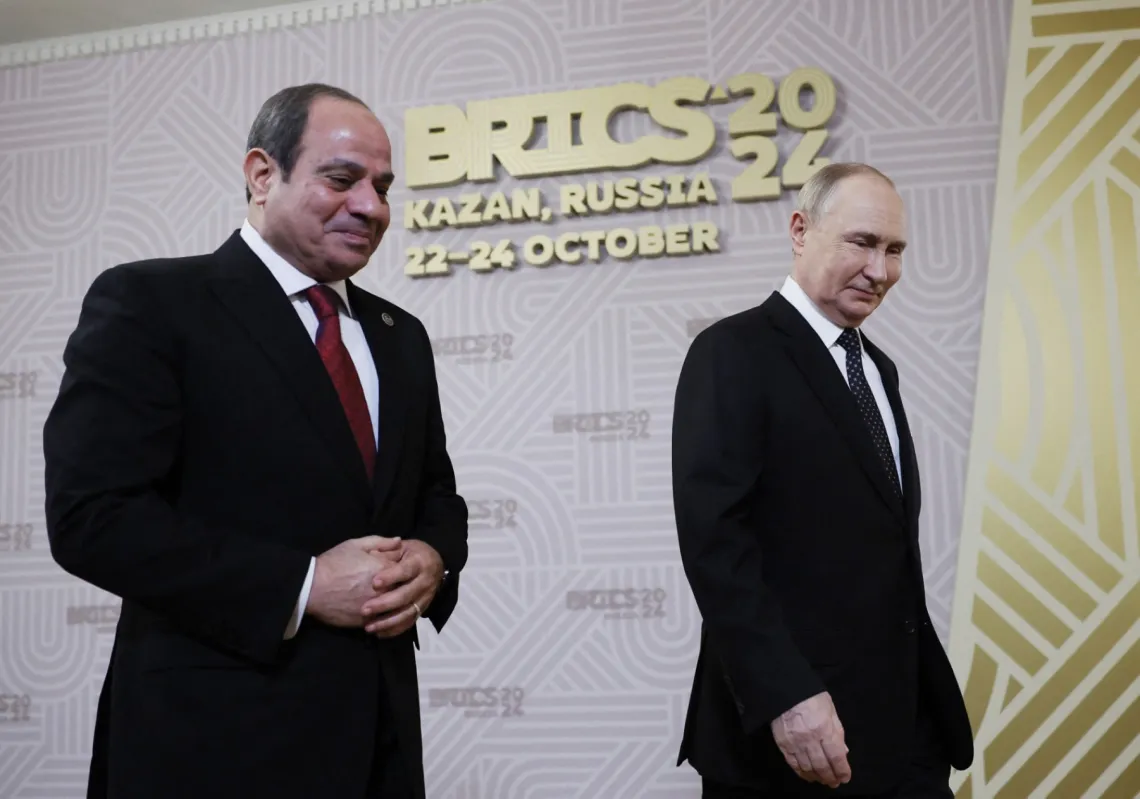
In recent weeks, there has been speculation in Egyptian and Israeli media about a possible summit between Netanyahu and Egyptian President Abdel Fattah al-Sisi, with US President Donald Trump understood to want a meeting to ease longstanding tensions between its two allies.
Reuters
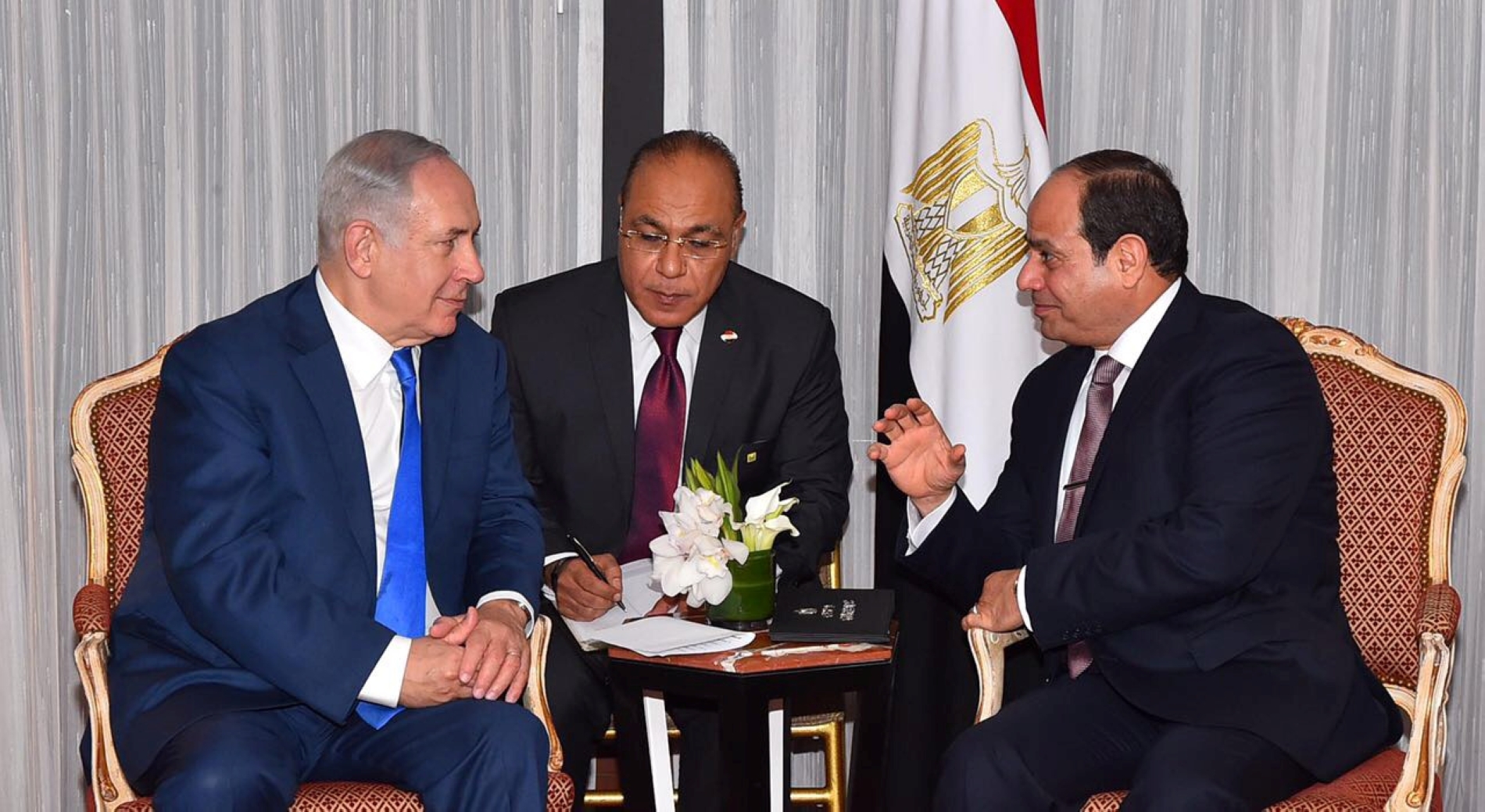
Egyptian President Abdel Fattah al-Sisi (R) meets Israeli Prime Minister Benjamin Netanyahu (L) ahead of the UN General Assembly in New York on 17 September 2017.

Sisi and Netanyahu have met previously, both publicly and secretly, including at a multilateral gathering in Jordan in February 2016 with then-US Secretary of State John Kerry and King Abdullah II, then in Cairo in April 2016 and May 2018. They also met on the sidelines of the UN General Assembly in New York in September 2017, their first acknowledged meeting, and again in 2018.

Those meetings largely focused on bilateral security coordination, regional peace initiatives, and Gaza, but direct leader-to-leader communication halted abruptly after Israel began bombing Gaza in October 2023, following Hamas’s attack on southern Israel that month. Sisi reportedly declined multiple phone calls from Netanyahu in the months that followed, even as Egypt sought to mediate a ceasefire that finally took effect in October 2025.
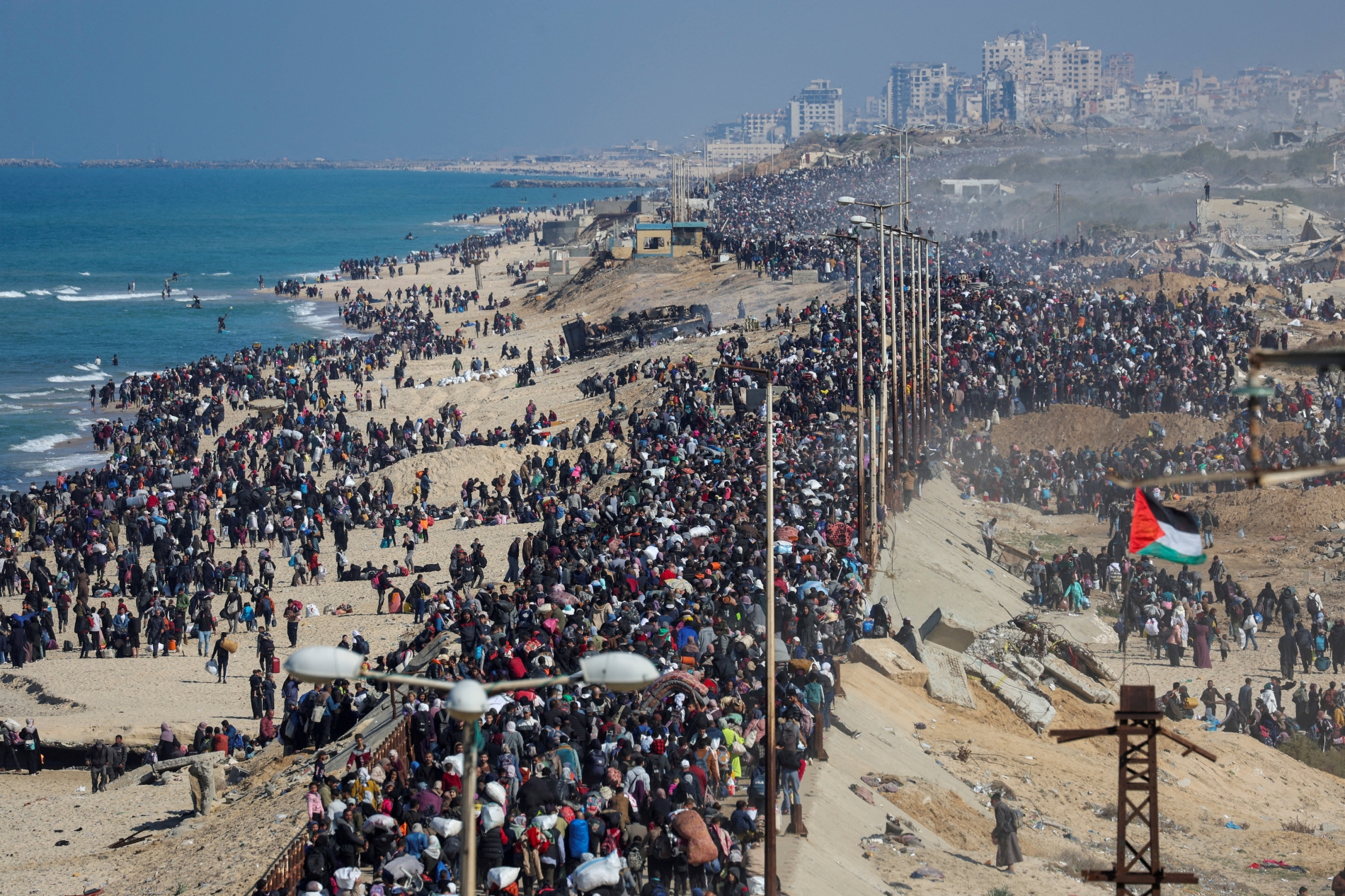
Ramadan Abed/Reuters
Palestinians, who were displaced to the south at Israel's order during the war, make their way back to their homes in northern Gaza, amid a ceasefire between Israel and Hamas, in the central Gaza Strip on 27 January 2025.

Israel’s post-war approach to Gaza, particularly its policies relating to the two million Palestinians who live there, is the most pivotal factor influencing the long-term course of Egypt-Israel relations. No other issue risks the kind of tension that could lead to direct confrontation between the two countries.

Setting out boundaries

From October 2023, Egypt has been clear that population displacement into the Sinai is a red line, citing national security risks. It would turn a vast Egyptian territory (as big as Israel, the Palestinian territories, and Lebanon combined) into a protracted conflict zone, involving Israeli intervention and Palestinian groups resisting occupation.

This would undermine Egyptian sovereignty over Sinai, negating generations of effort and sacrifice to retain control of this strategically critical peninsula, which borders Gaza and Israel, and commands access to the Red Sea, Gulf of Aqaba, and Suez Canal, not to mention the Mediterranean.
From October 2023, Egypt has been clear that population displacement into the Sinai is a red line, citing national security risks

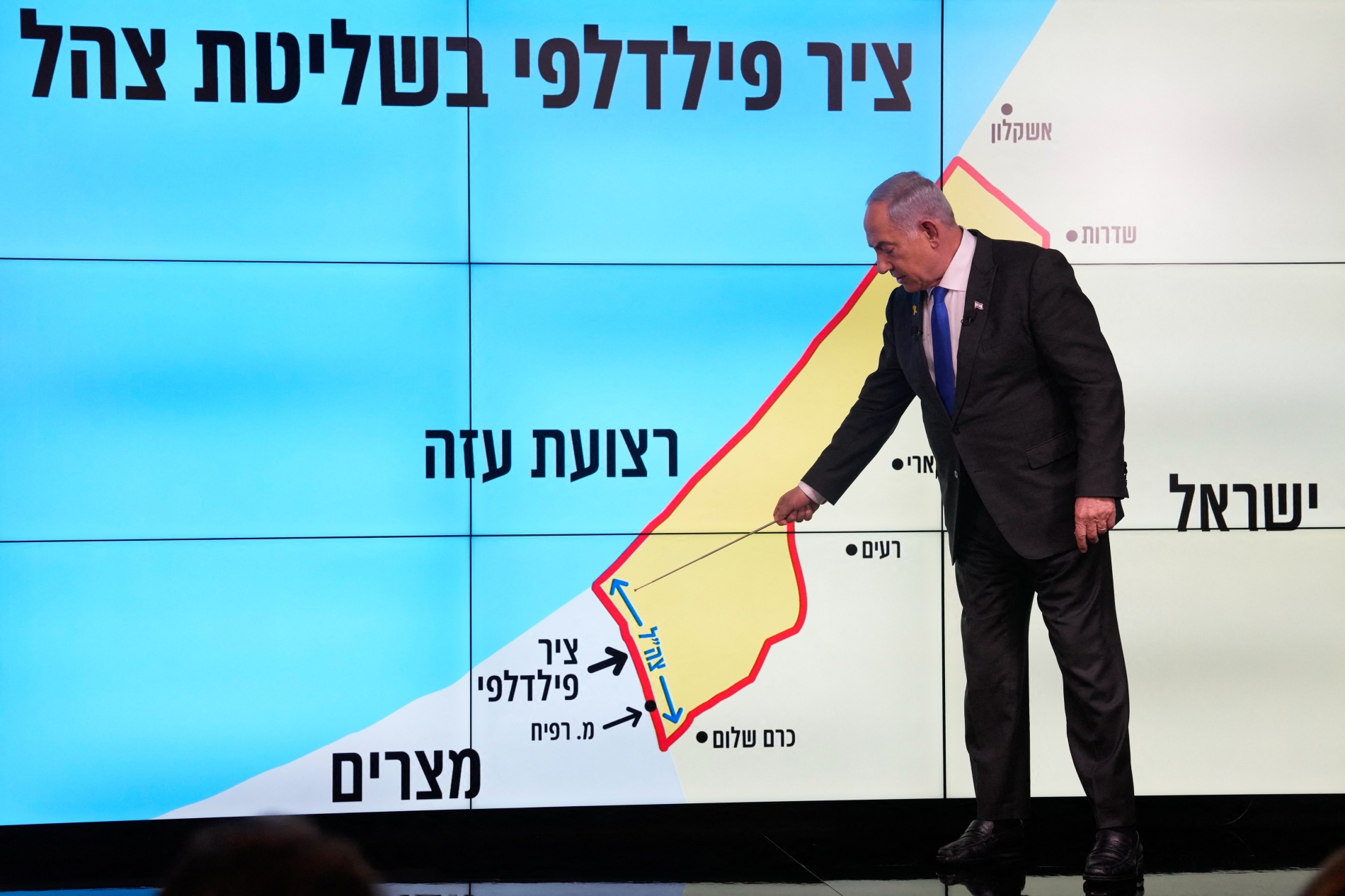
Israel has signalled its intention to reopen the Rafah crossing between Gaza and Egypt to facilitate the outbound movement for residents, effectively offering a unidirectional path out of the enclave. Egypt has insisted on bidirectional access in-line with the ceasefire terms. Although framed by some in Israel as a humanitarian measure to allow Gazans to seek opportunities elsewhere, it can also be seen in light of Israel's persistent efforts to diminish the Strip's Palestinian demographic.

AFP
Israeli Prime Minister Benjamin Netanyahu stands before a map of the Gaza Strip, telling viewers that Israel must retain control over the "Philadelphi corridor," a strategic area along Gaza's border with Egypt, on September 2, 2024.

Egypt continues to oppose such measures, given their far-reaching consequences. In Cairo's assessment, any substantial depopulation of Gaza would erode the Palestinian national cause, especially with Israeli authorities tightening control over the occupied West Bank. For Egypt, this nail in the Palestinian coffin would irreversibly alter the regional order, and accelerate Israel's expansionist endeavours.

Securing Sinai

Under the Security Annex of the 1979 Egypt-Israel peace treaty, Egypt faces strict limitations on deploying troops and heavy weaponry across much of Sinai, particularly in its northern sectors, curtailing Cairo's flexibility to address current threats. For some Egyptian strategists, the flexibility to act in the Sinai is now worth more than the benefits of the peace treaty with Israel.

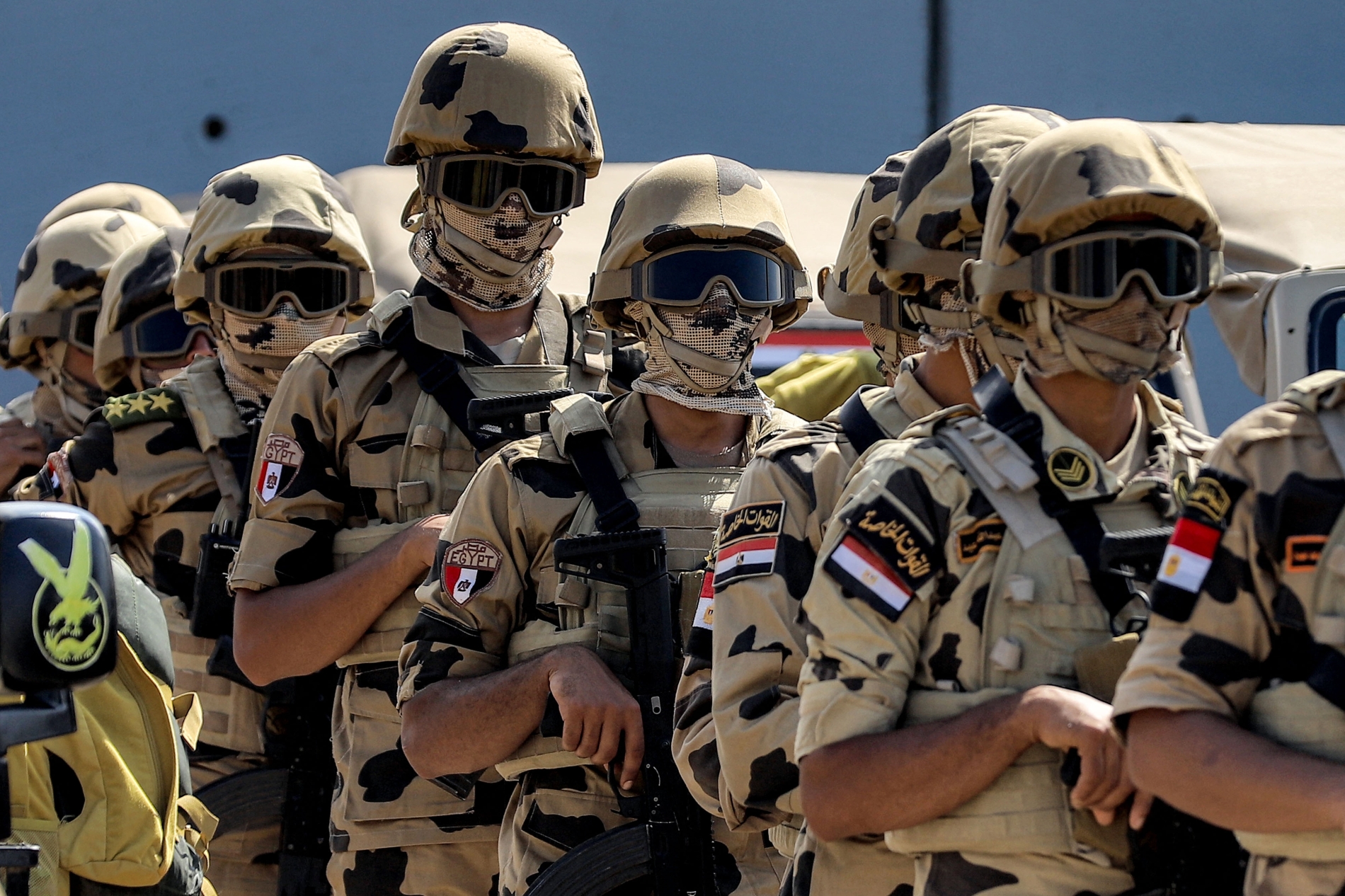
AFP
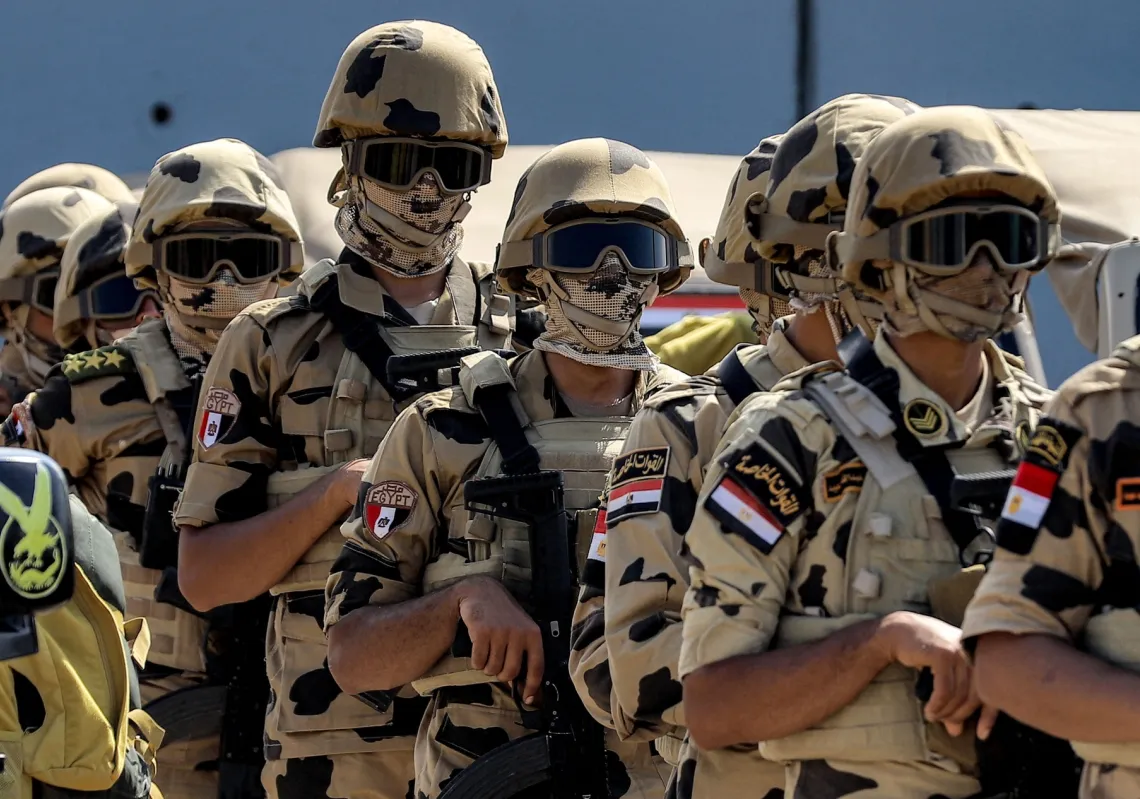
Members of the Egyptian Special Forces during their deployment at the border between Egypt and the Gaza Strip in Rafah on 20 October 2023.

These treaty's restrictions have constrained Egypt's capacity to fully secure the peninsula over the years. As a result, pockets of lawlessness have enabled terrorist and extremist groups to establish a presence, including one that eventually affiliated with Islamic State (IS). From 2014-21, Egypt spent considerable efforts and suffered several casualties in its efforts to dismantle IS, which sought to establish an Islamic caliphate in Sinai.

Fears over Palestinian displacement into Sinai led Cairo to bolster security in the peninsula, while seeking to stay within the troop deployment constraints specified in the 1979 peace treaty's Security Annex. Reports indicate that around 40,000 troops were deployed over a series of months. Cairo is unlikely to withdraw these troops in the foreseeable future and is expected to seek treaty amendments that would let it secure the peninsula more effectively.

While bolstering Egypt's defences, troops all  mitigate cross-border smuggling, an issue that is alarming Israel. It has triggered a range of countermeasures, culminating in a directive last month from Israel's defence minister designating the Egyptian border area as a closed military zone. Whether Israel fully withdraws its troops from Gaza in accordance with US President Donald Trump's ceasefire framework will help determine Egypt-Israel relations over the coming months and years.

Militarising the boundary

Cairo's foremost concern is of Israel's current military control of the Philadelphi Corridor, the border strip on the Gaza side. Egypt sees this presence as a direct infringement of the 1979 peace treaty's Security Annex, which imposes stringent limits on military deployments for both nations along the frontier. It also breaches the 2005 Philadelphi Accord, forged after Israel's unilateral withdrawal from Gaza, which assigned border oversight to the Palestinian Authority before Hamas's violent takeover of Gaza in 2007.

AFP
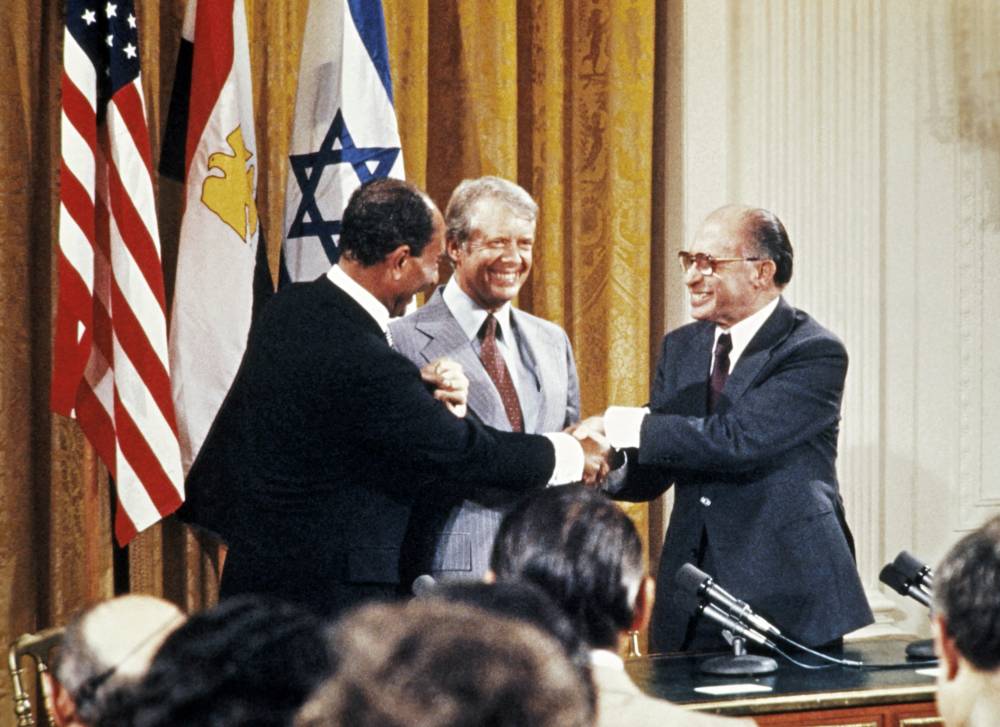
Egyptian President Anwar Sadat (L), Israeli Prime Minister Menachem Begin (R) and US President Jimmy Carter (C) shake hands in the White House on 17 September 1978.

Israel's occupation of the corridor militarises the boundary, intensifying operational strains on Egypt, and undermines Israel's legitimacy to object to heightened Egyptian troop deployments in Sinai. It also perpetuates the possibility that Israel could exploit the border for large-scale displacement of Gaza's population.

The 1979 Egypt-Israel peace treaty has long been a key stabiliser in the region. Today, this treaty is under strain from concerns about Gaza's future, current security in Sinai, and fears of forced Palestinian displacement. As Egypt and Israel balance their energy needs with firm security demands, the decisions they make in the coming days could either strengthen their relationship or trigger wider regional unrest. For Egypt, protecting its sovereignty and supporting the Palestinian cause are essential. Ignoring this could open the door for a new period of conflict.

font change