
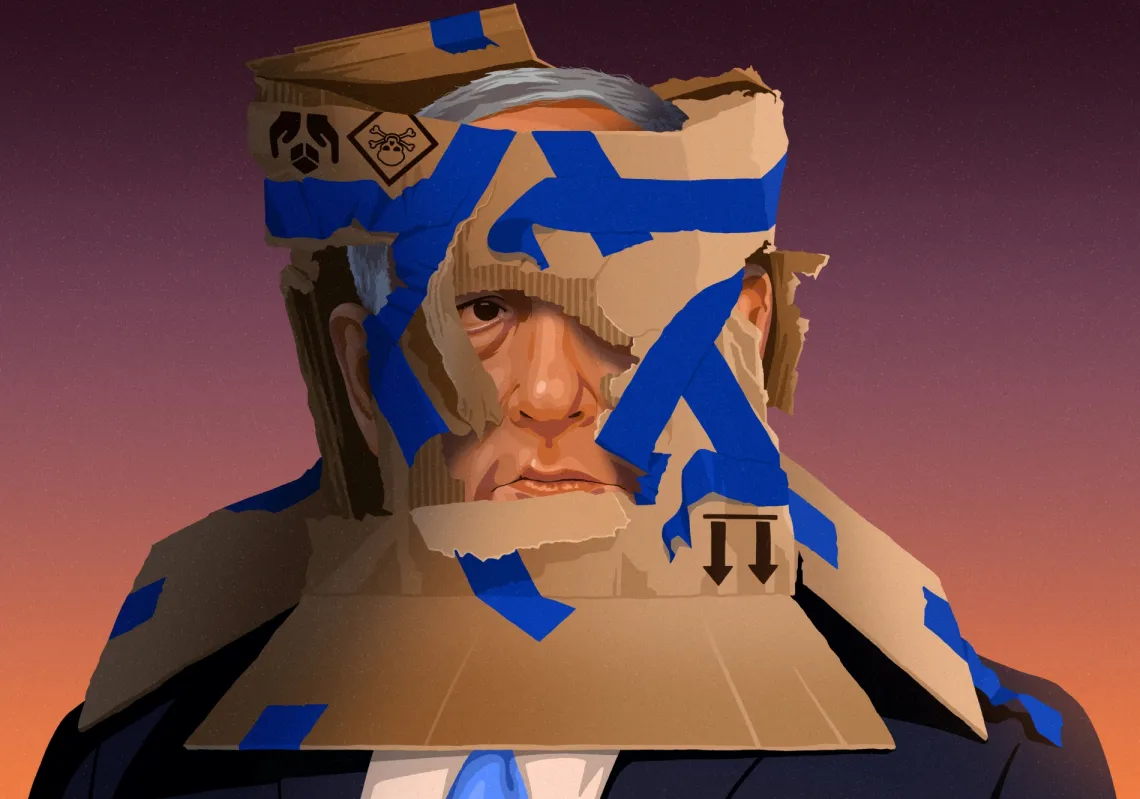
Israel's prime minister continues to pick fights in his northern neighbour for personal political reasons, despite Washington and the Arab world wanting Syria to succeed
Israel's aggression and territorial expansion have become a political, financial, and moral burden, as they have on its Western government allies, who find it increasingly difficult to defend
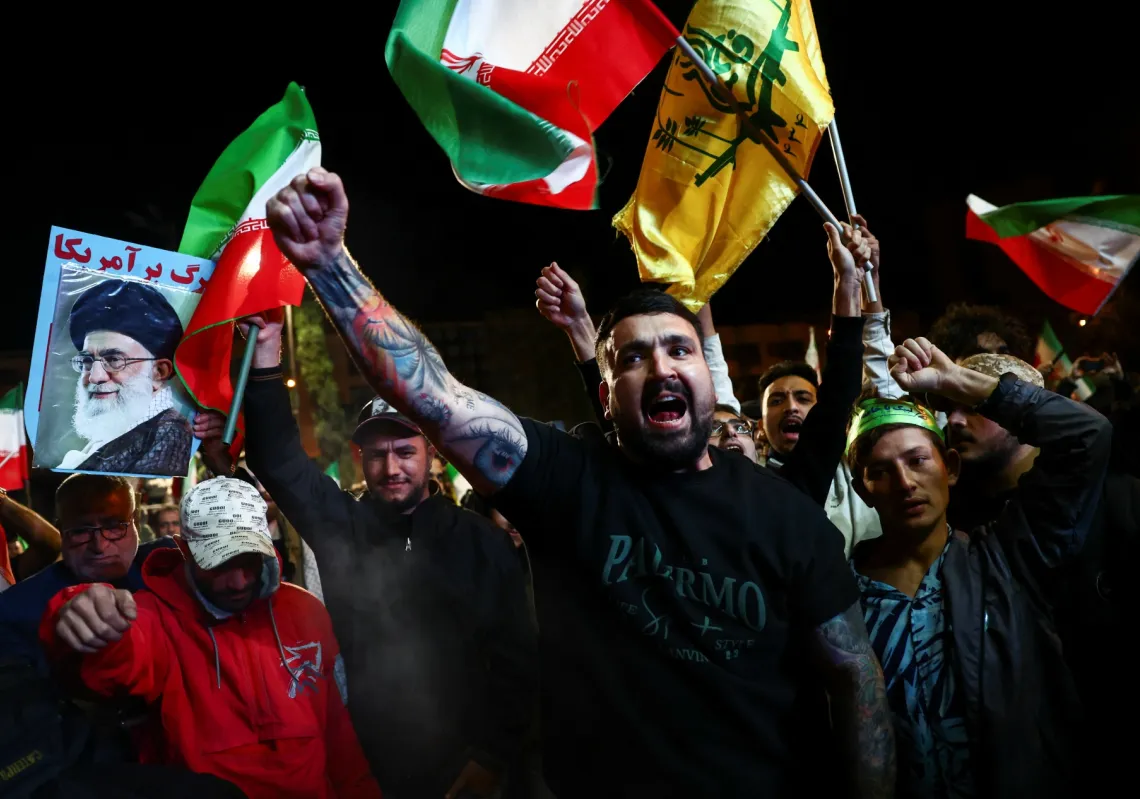
Fear, mistrust, and resentment, coupled with the intense foreign pressure on the Lebanese government to disarm Hezbollah, are setting the country up for implosion
At Riyadh's behest, Trump brought the conflict back into the global spotlight when he pledged he would work to end the fighting at the Saudi-US investment forum in Washington
Fourteen men stand accused of sectarian killings in the coastal region last March. The credibility of the trial will depend on how the proceedings hold up under public scrutiny.
Syria is rising from the ashes. It is rebuilding internally, seeking to overcome past enmity by being open and inclusive while also consolidating national unity as a key priority.
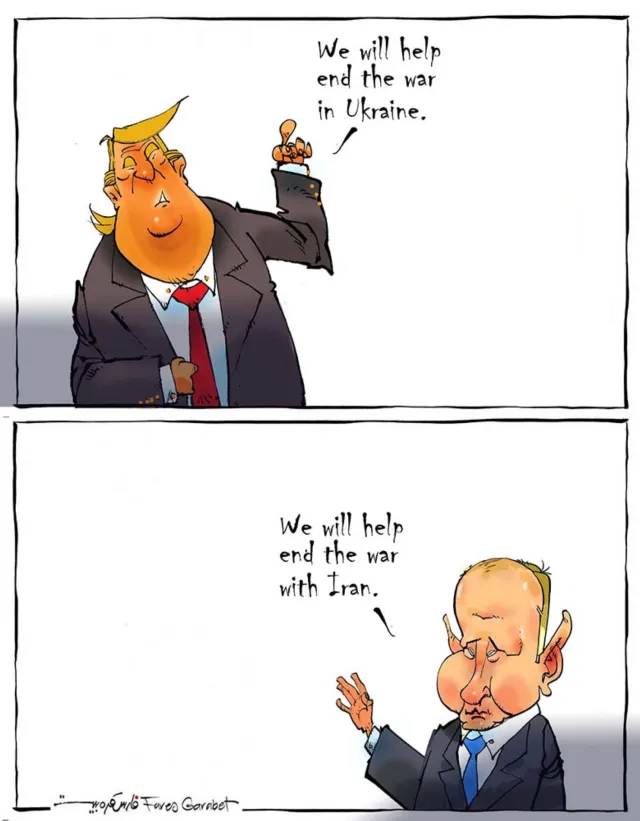
Kyiv looks to be under renewed pressure amid reports that Russia and the US have been secretly drafting a 28-point peace plan to put an end to the conflict
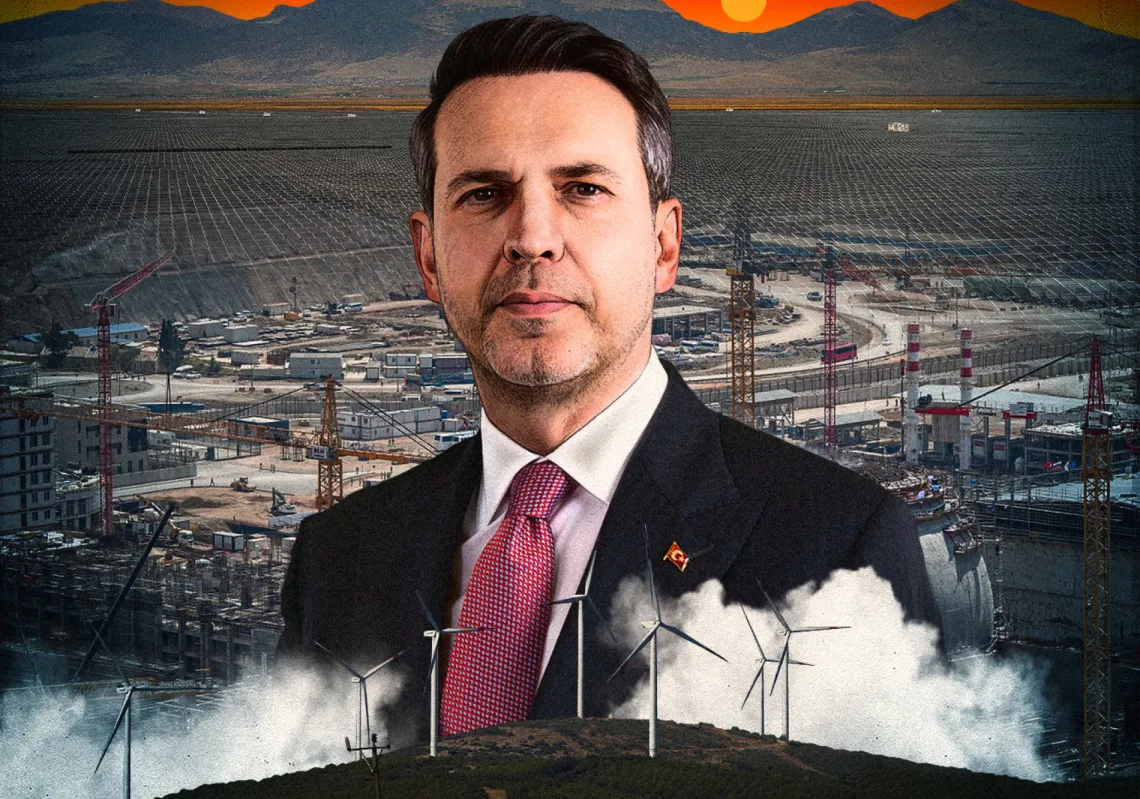
They may push states to prioritise viable projects over prestige ones, empower the private sector rather than crowd it out, and pursue fiscal discipline as a matter of necessity rather than rhetoric
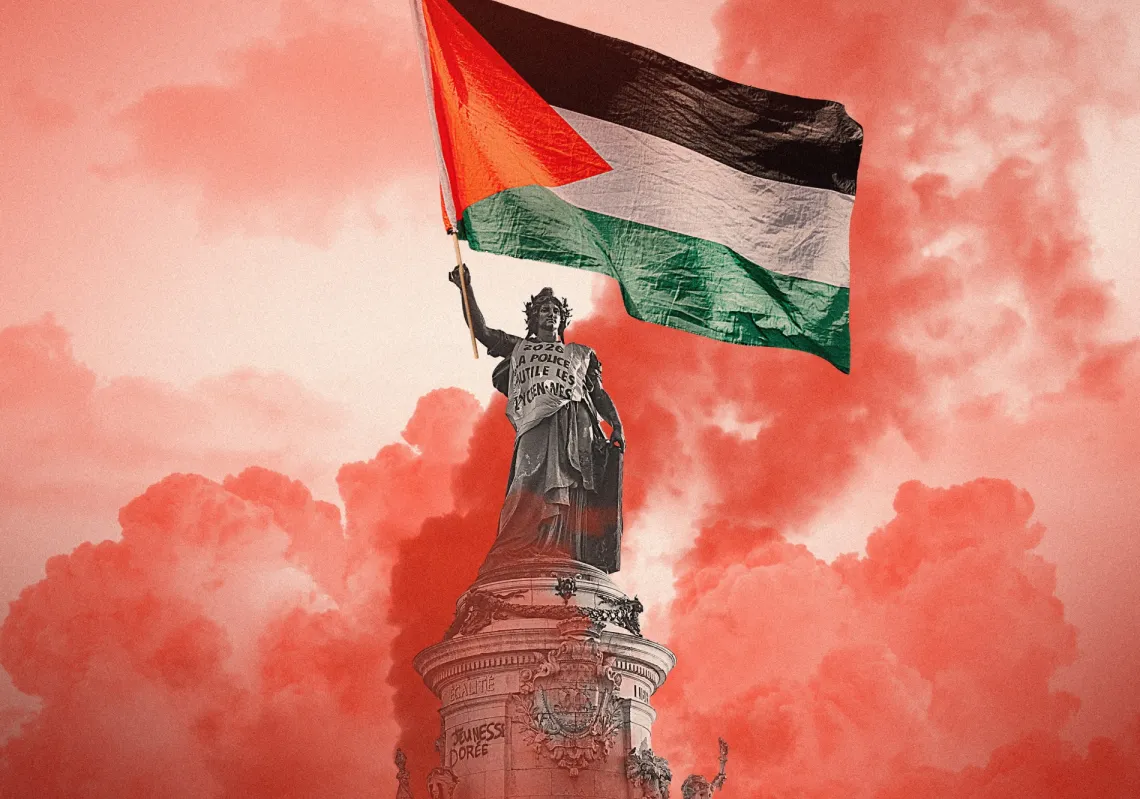
As support for Israel weakens across the US political spectrum, once-taboo questions about military aid, lobbying influence, and US backing are moving into the mainstream
Algeria is one of Africa's largest producers of hydrocarbons, and its proximity to customers in Europe makes it of growing interest as importers fret over a prolonged supply crisis from countries
Through extravagant processions led by palace women, the Mamluk state projected a message of power and prestige at home and abroad, turning the Hajj obligation into a soft-power tool