The current conflict is unlikely to go global for now, but the speed at which it has spread regionally is alarming. A look at history shows the geopolitical factors that led to world wars.
For over a century, states' disagreements in other areas have spilled over into the world's highest profile sports arena, with boycotts and counter-boycotts. Al Majalla reviews a chequered history.
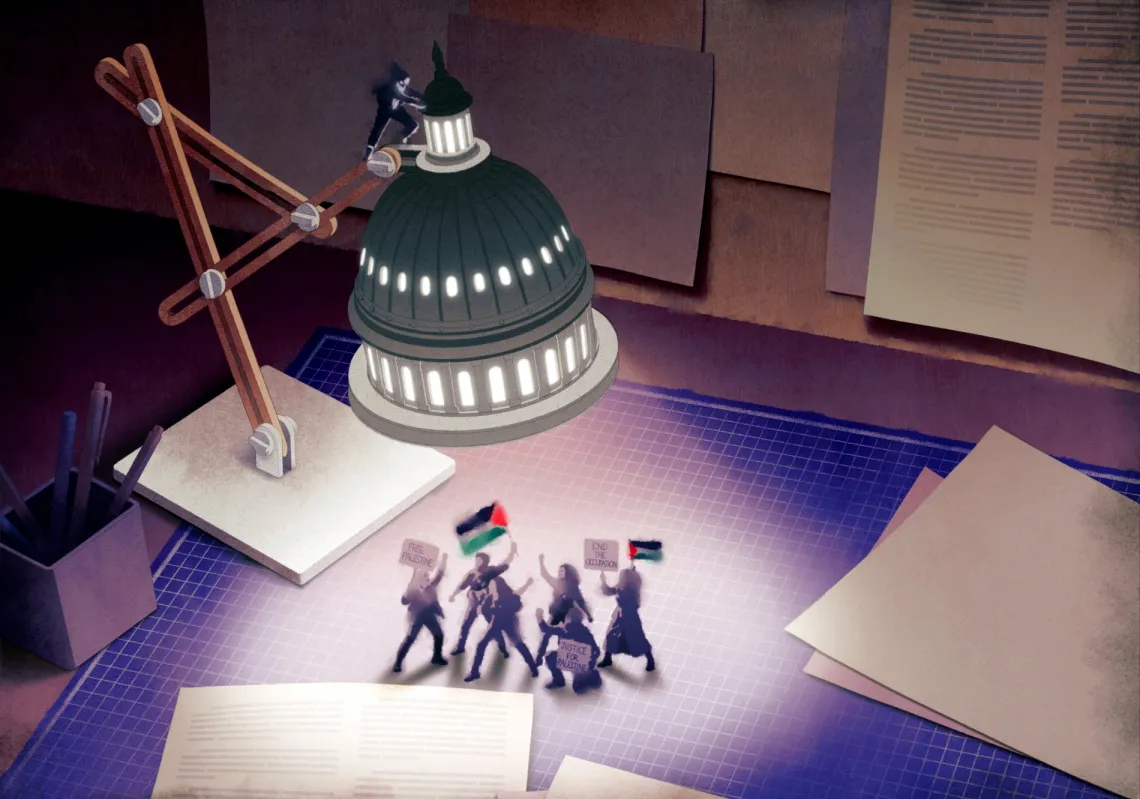
In the discussions between American, Arab, and Israeli envoys, a path towards a Palestinian future is beginning to emerge. Here, Al Majalla shares insights from that under-the-radar process.
Saturday's assassination attempt against former US president Donald Trump is not the first time that a US president has survived an attempt on his life.
On 9 July 1969, Abdullah passed away from cancer at the early age of 56. Al Majalla explores the illustrious academic career of one of Iraq's most celebrated physicists.
A pact signed by Iranian Premier Mohammad Mosaddegh and Syrian President Fawzi Selu quickly soured after the two leaders were toppled. Relations remained icy until Khomeini came to power in 1979.
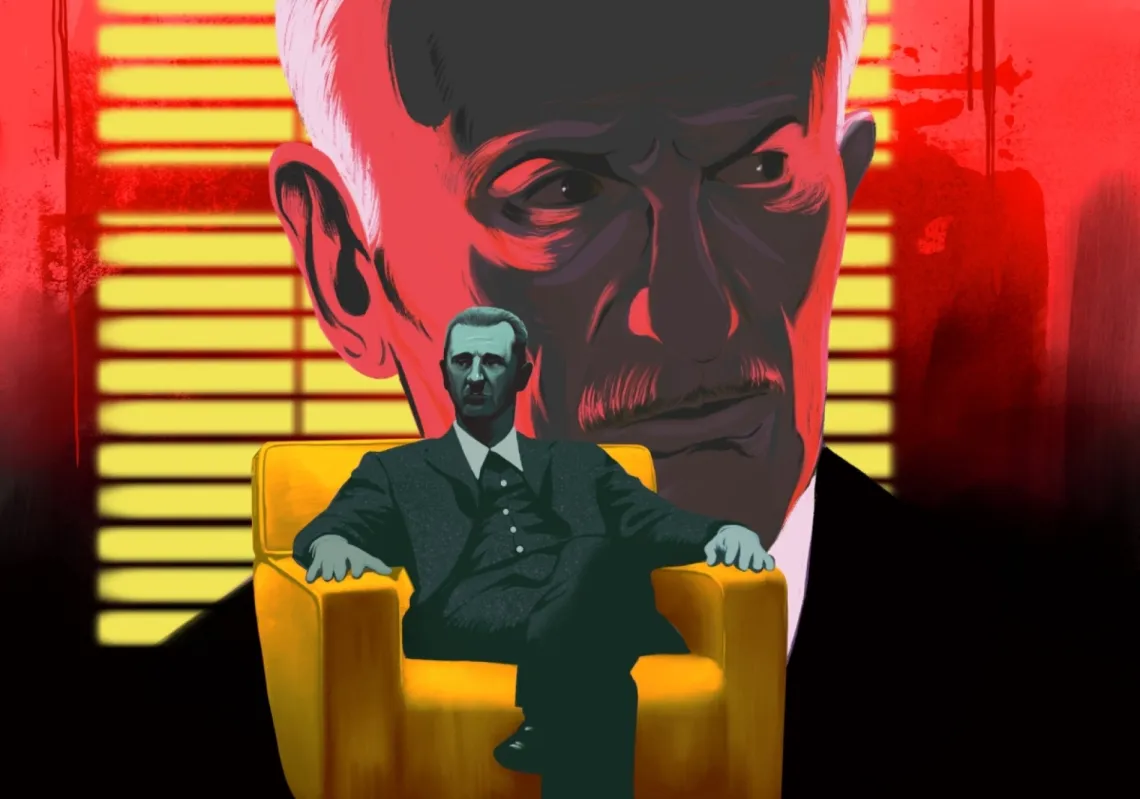
Just like the current situation today, foreign powers fought each other in Syria 83 years ago. This is the story of how the Allied Powers took on Nazi Germany far from the European battleground.
In the midst of the Watergate scandal back home, Nixon needed a distraction. After years of isolation, his trip to Damascus on 15 June 1974 paved the way for future visits by US presidents.
The revised Gaza agreement, presented by Hamas and seen by Al Majalla, stipulates "lifting the siege" and insists on Israel's withdrawal, a permanent ceasefire, UNRWA role and reconstruction
Despite Biden using the occasion marking 80 years since D-Day to praise Kyiv's "bravery" in fighting Moscow, the two wars have little in common—except maybe how Russian forces were underestimated.
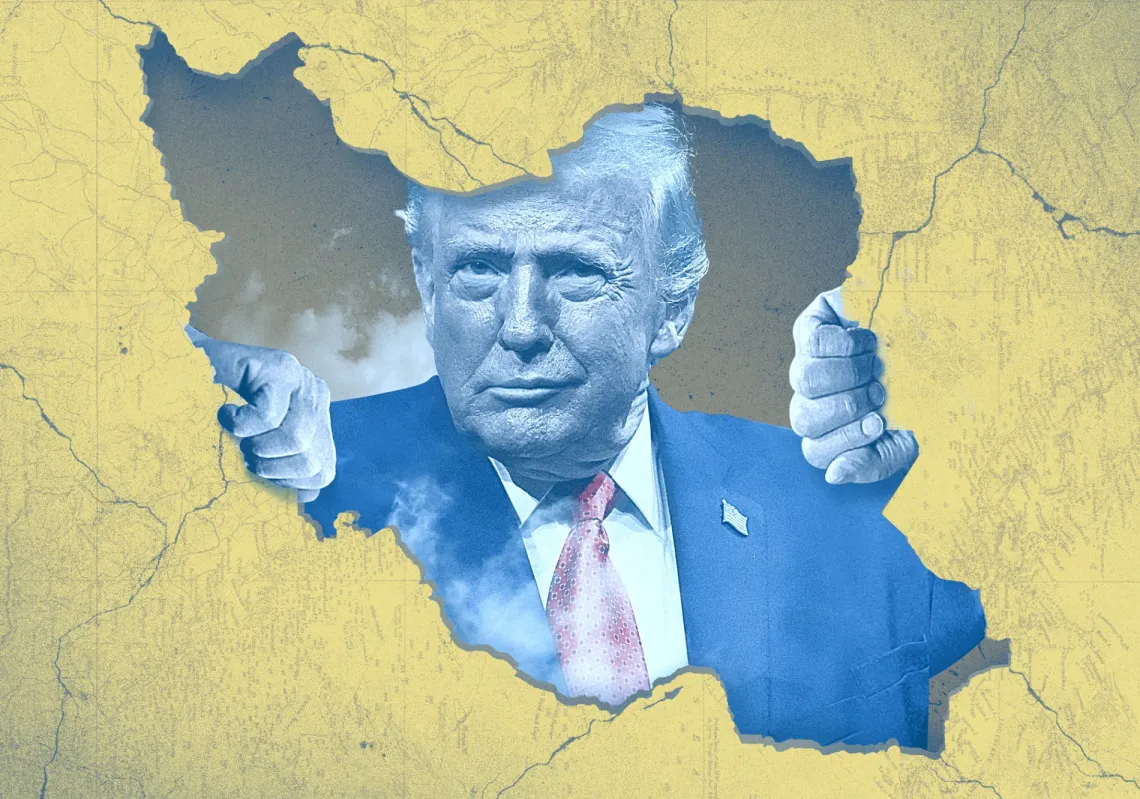
A US-Israeli attack on Iran has turned into a regional war, sending Brent crude prices over $100 a barrel, and throwing shipping, inflation, and monetary policy into turmoil
The current conflict is unlikely to go global for now, but the speed at which it has spread regionally is alarming. A look at history shows the geopolitical factors that led to world wars.
Riyadh and Cairo are trying to ease the acute oil shortfall through alternative pipelines, but these are just band-aid solutions, as the world's most vital energy corridor remains closed by Iran
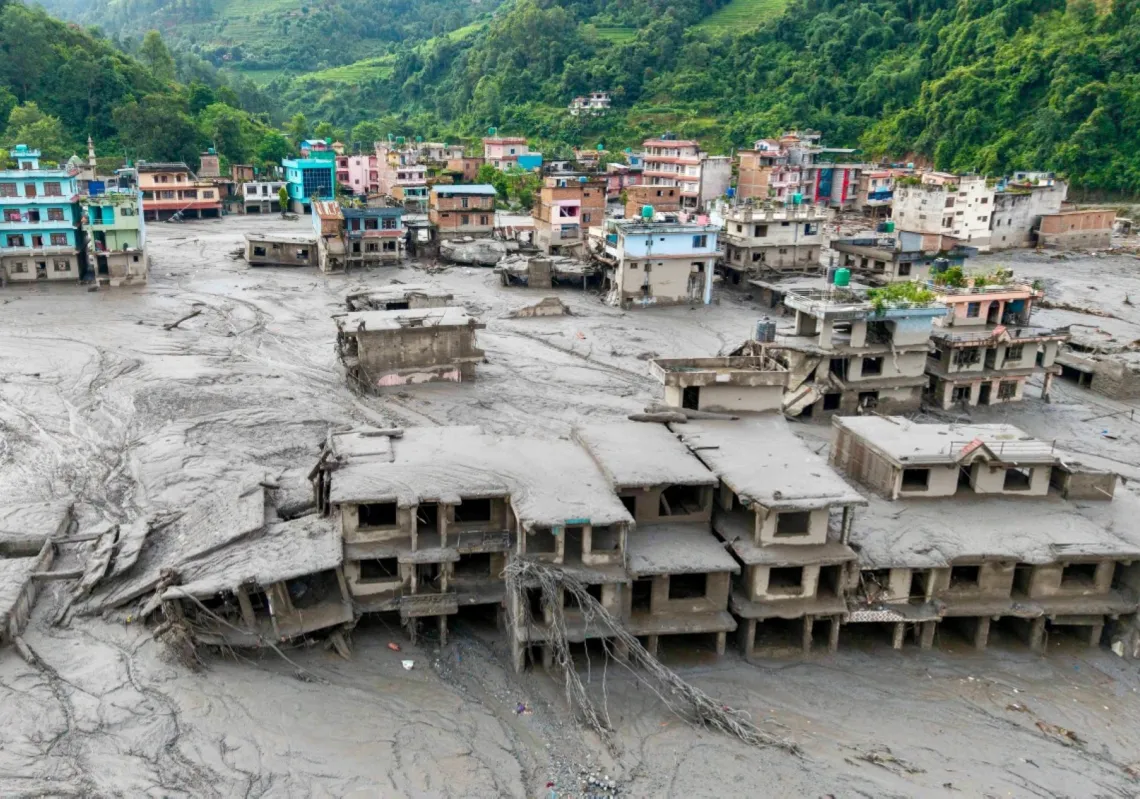
The rushed 2025 rollout raised questions about the government's seriousness. Since then, no meaningful record has been published, fuelling fears that it was just a show.