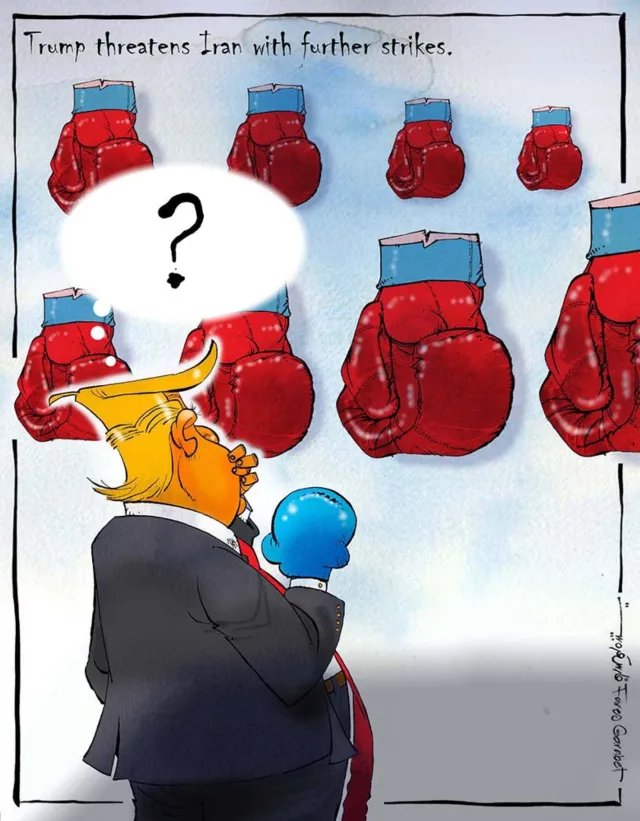
The current conflict is unlikely to go global for now, but the speed at which it has spread regionally is alarming. A look at history shows the geopolitical factors that led to world wars.
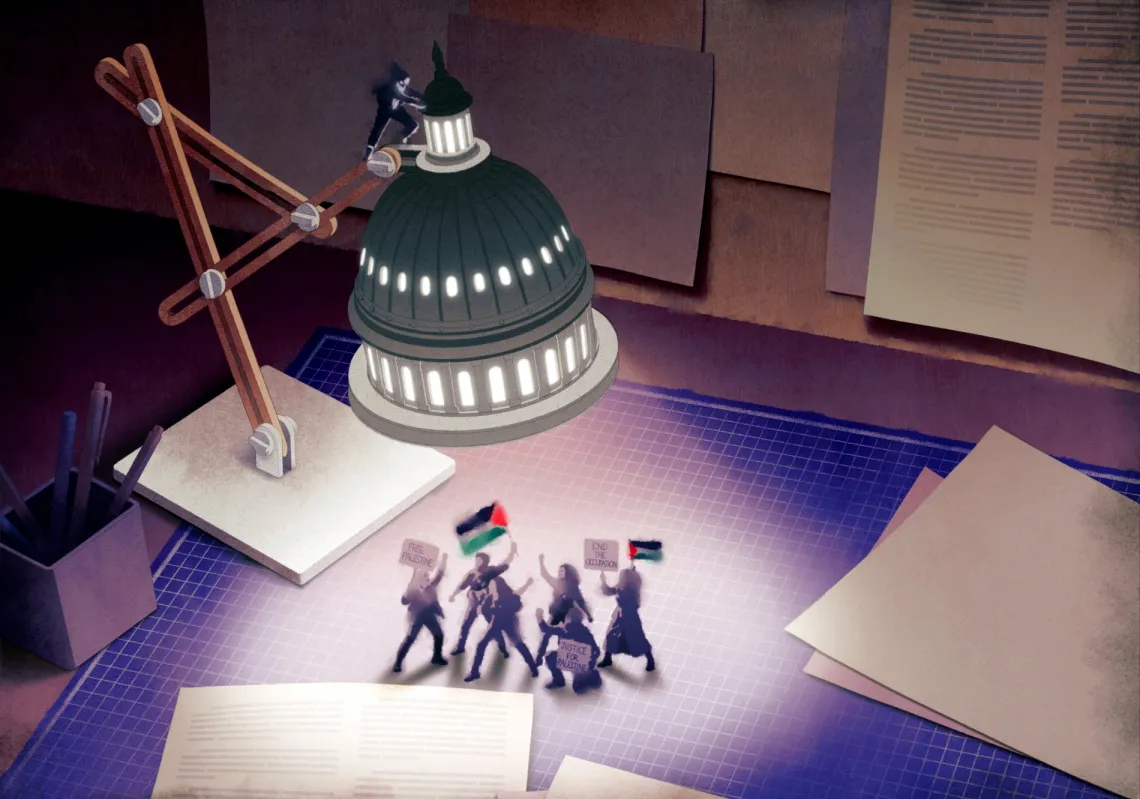
The Gaza Agreement draft, unveiled by President Joe Biden on 31 May and obtained in full by Al Majalla, incorporates Israeli amendments to the original draft accepted by Hamas
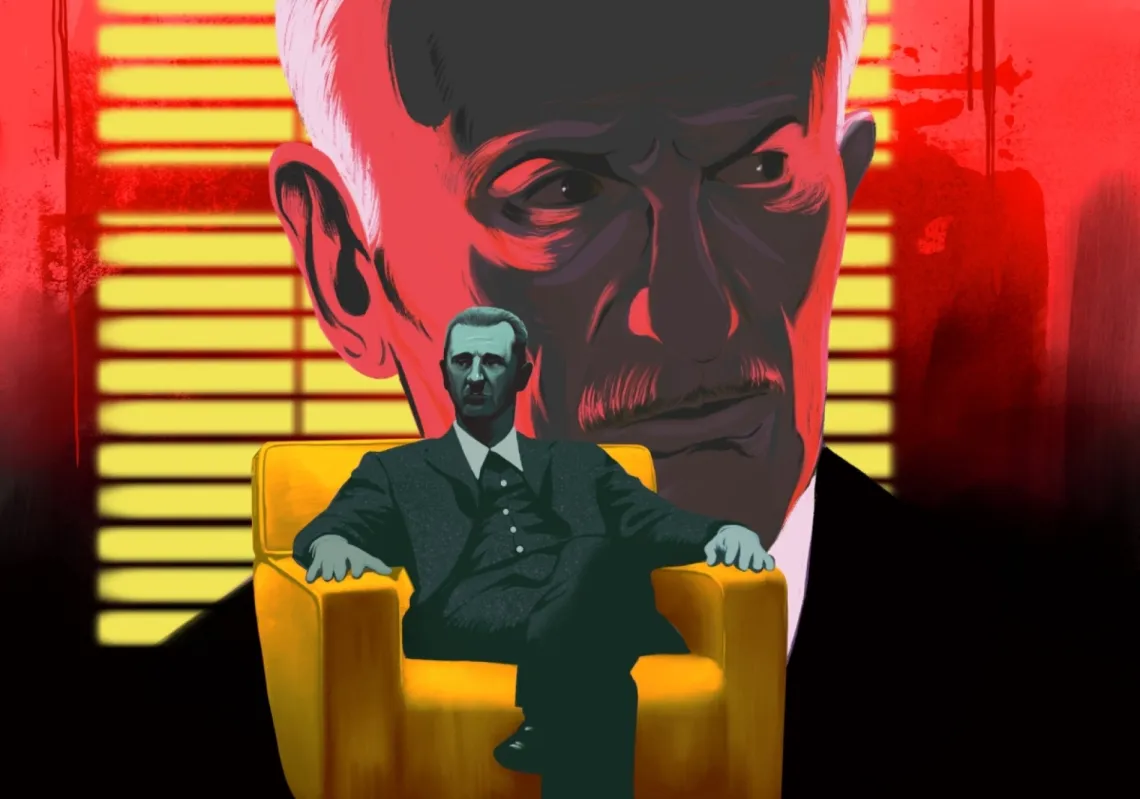
The PLO chairman now knows that he must leave Lebanon as his fighters are surrounded by the Israelis. The Syrian president is no friend, but agrees to take them in.
With an eye on the Lebanese presidency, the Phalange commander and sworn enemy of Syria sends secret messages of 'reassurance' to al-Assad. Meanwhile, Damascus refuses to host PLO fighters.
US envoy Phillip Habib proposes a plan to facilitate the PLO's exit from Beirut. Meanwhile, the Phalange party vows to end Lebanon's 'three occupations'.
It is June 1982, and Beirut is surrounded by the Israelis. In the city, there are Syrian soldiers and Palestinian fighters from Yasser Arafat's PLO. The Israelis want them both out. Cue the diplomacy.
Al Majalla begins its five-part series revealing never-before-shared details of Israel's 1982 siege of Beirut and exchanges between Hafez al-Assad and Yasser Arafat
When the PLO leader was forced out of Beirut in the 1980s, he did so with pride, purpose, and sorrow. After signals that Hamas leaders may be exiled from Gaza, could history be a guide?
Disruption in the Hormuz can have major implications for global trade, but it also creates opportunities for smaller nations like Iran to become global political players
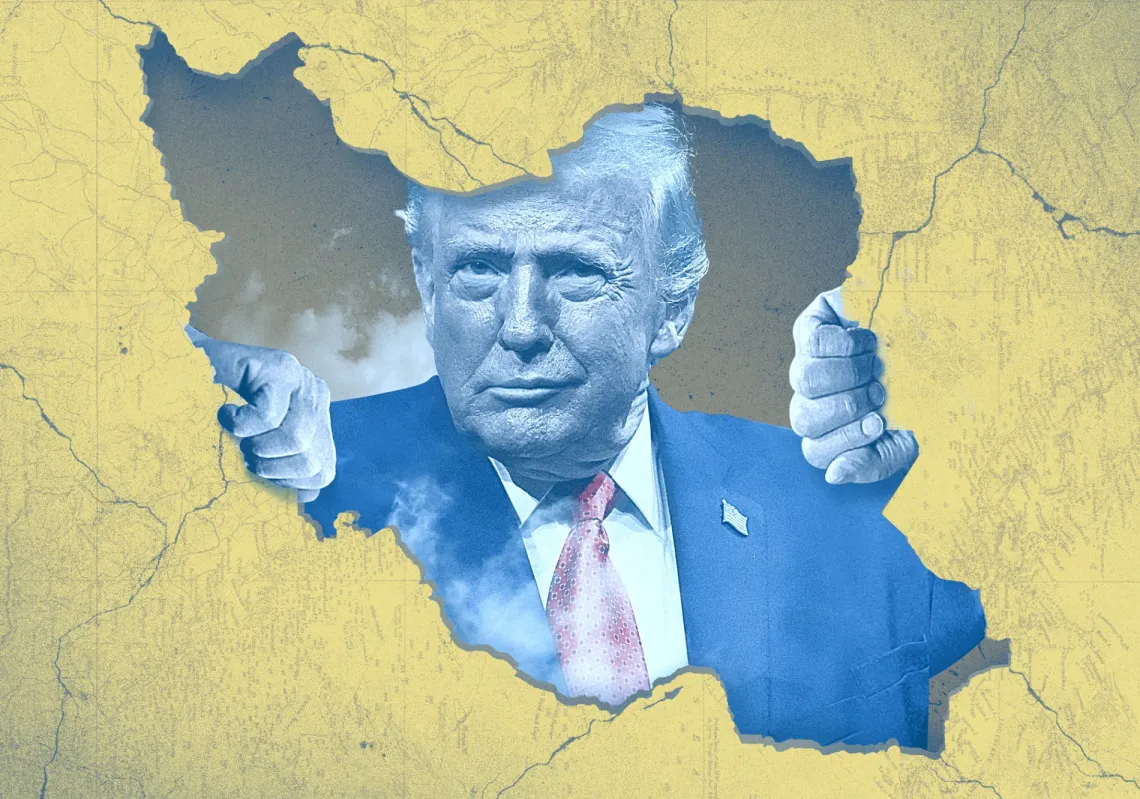
The Iraq war was viewed as disastrous in retrospect, while the Iran war was unpopular from the get-go. Al Majalla highlights the similarities and differences between the two.
Pipelines have a chequered history in the Middle East, but the closure of the Strait of Hormuz has led US Tom Barrack to conclude that a new route through Syria could solve some problems.