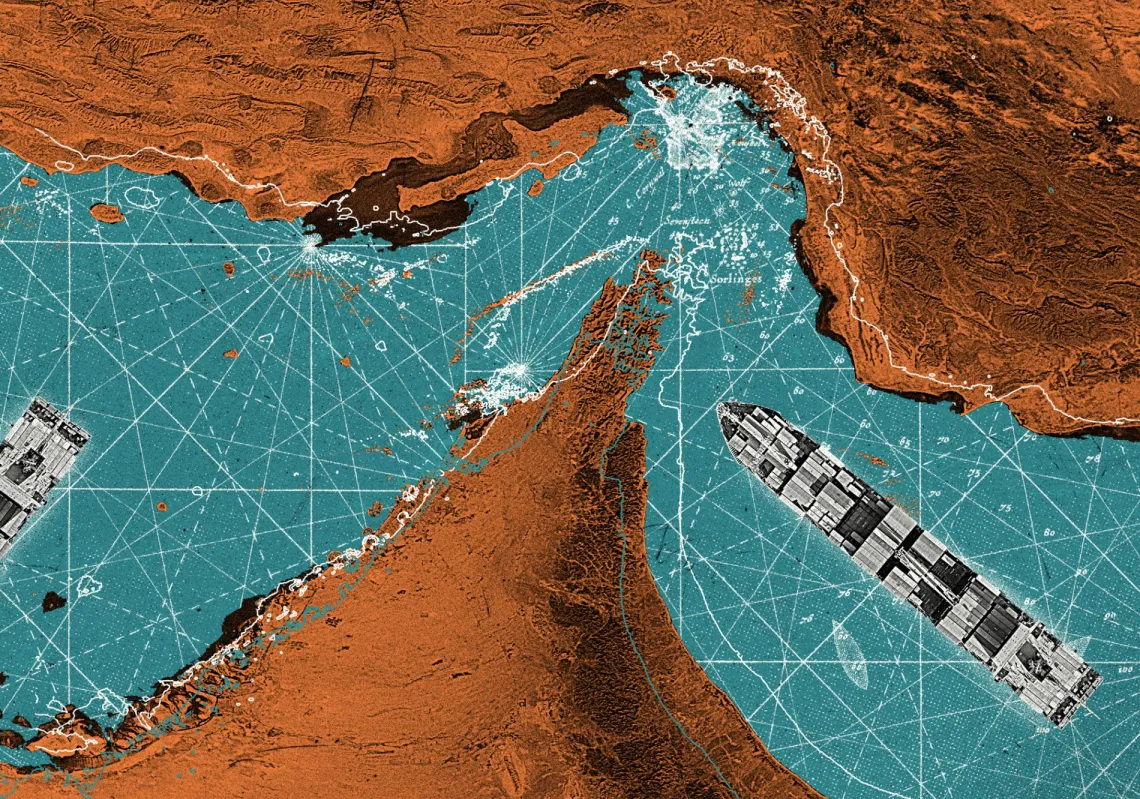
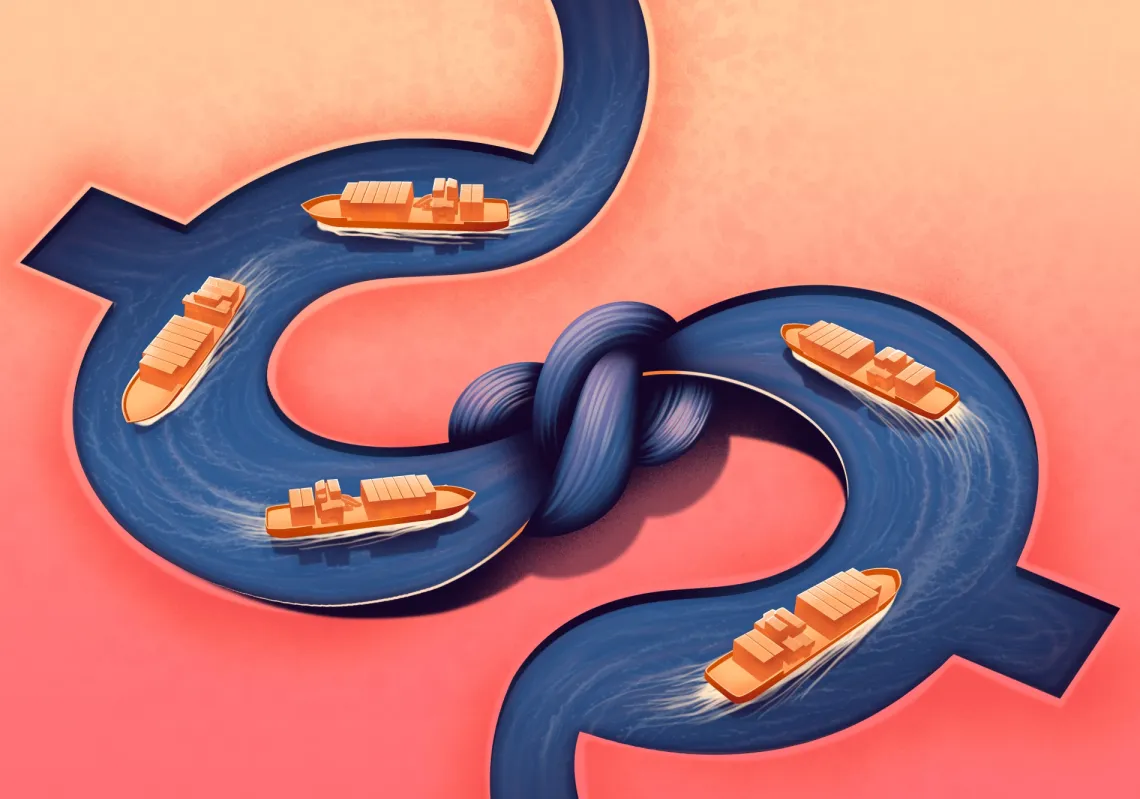
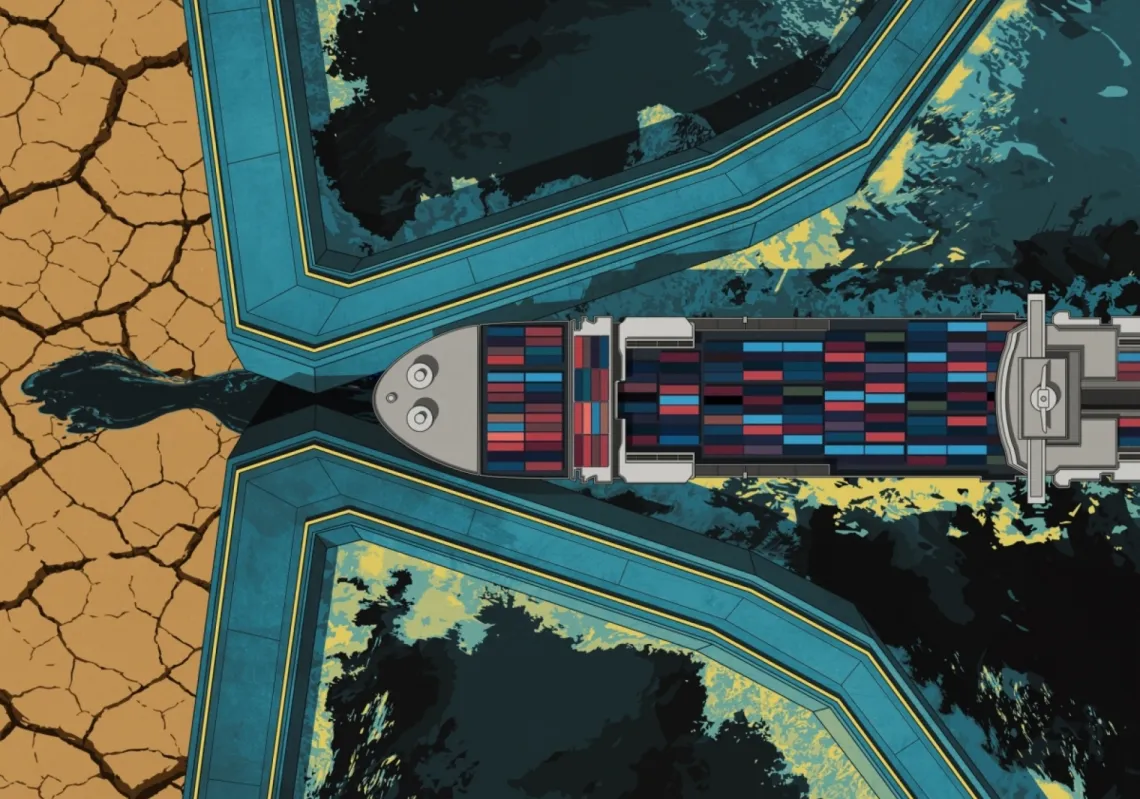
Any disruption in the Hormuz has cascading knock-on effects that extend far beyond energy markets, impacting international trade. Al Majalla explores all this and more.
The country is particularly exposed to energy market mayhem and has urgently trimmed its fuel demands, as three emergency Saudi oil shipments help keep the lights on at home.
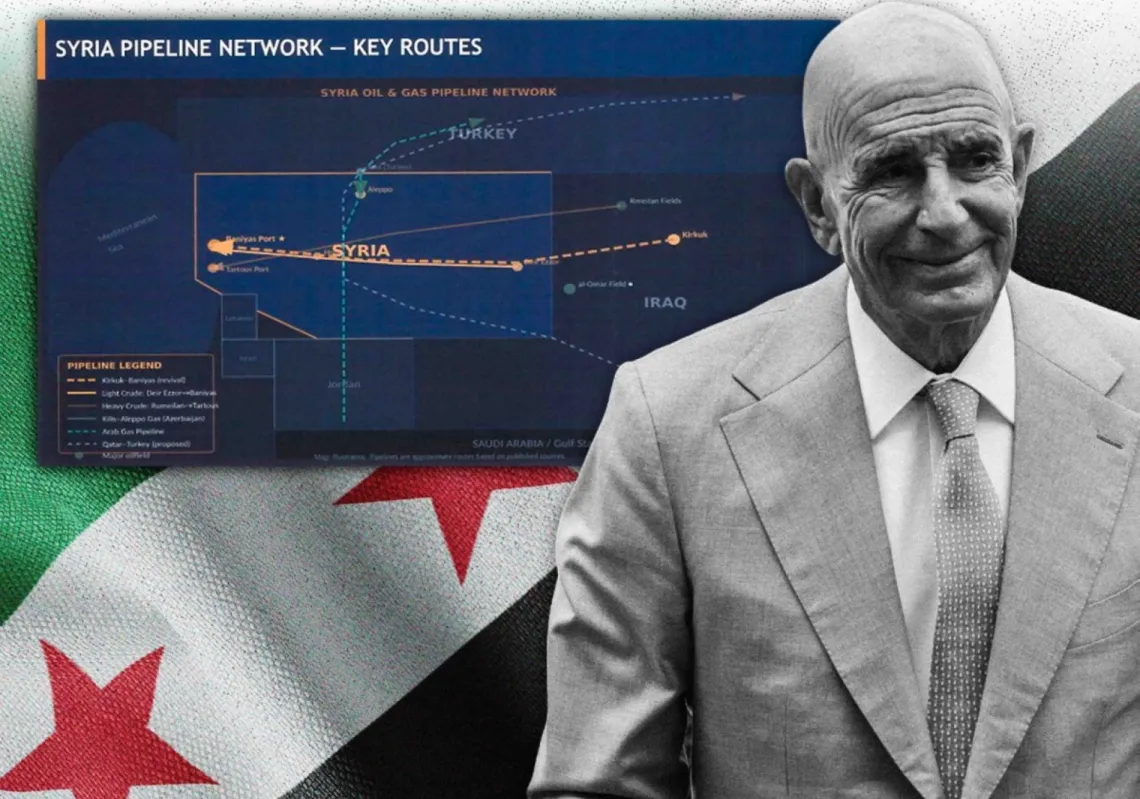
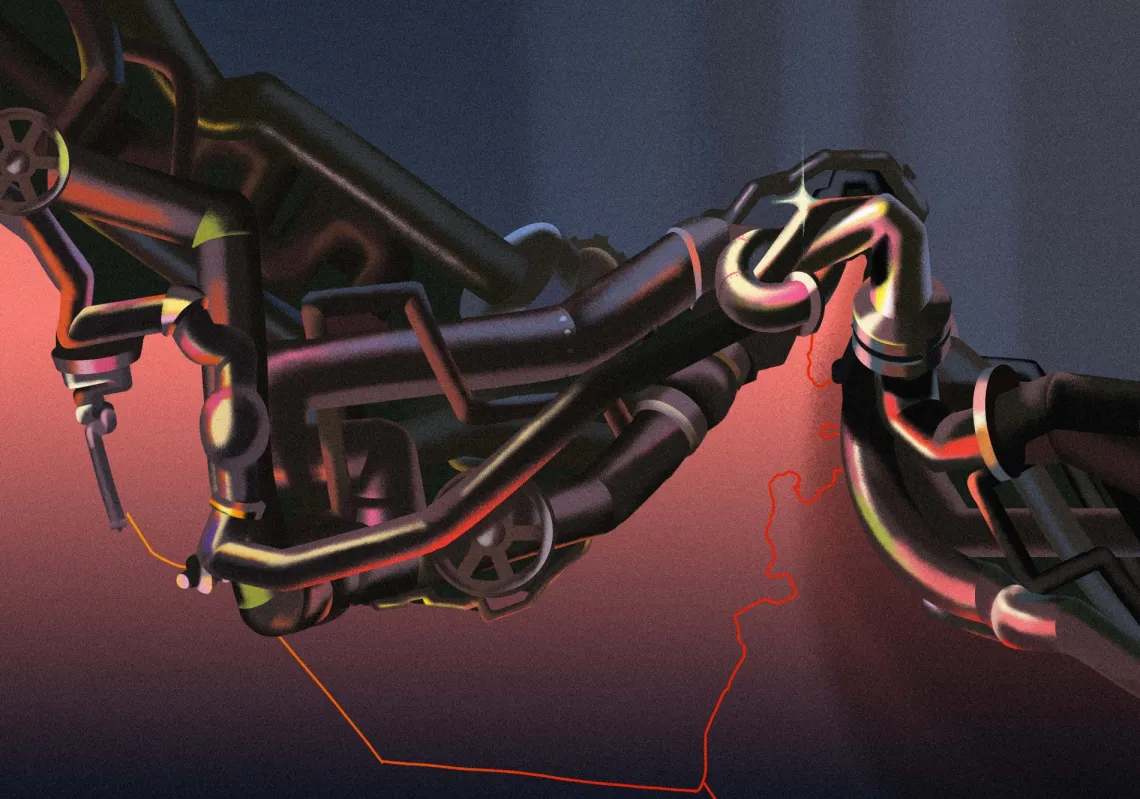
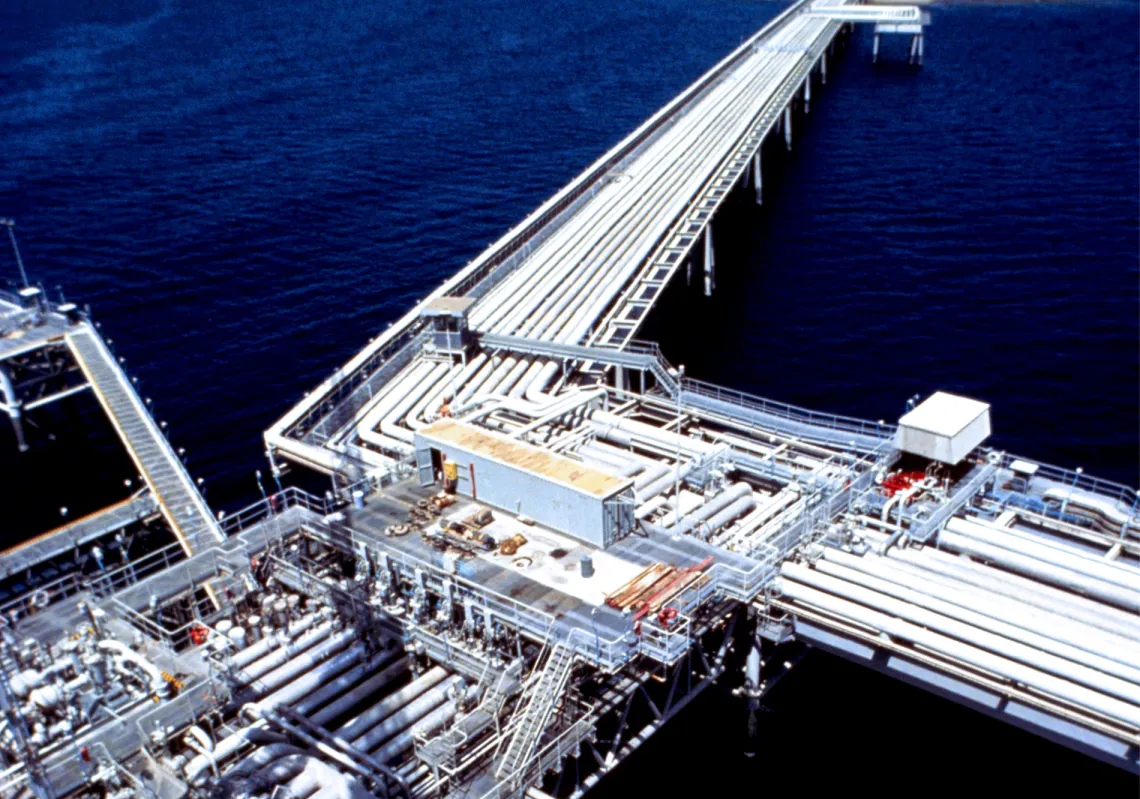
Riyadh and Cairo are trying to ease the acute oil shortfall through alternative pipelines, but these are just band-aid solutions, as the world's most vital energy corridor remains closed by Iran
A US-Israeli attack on Iran has turned into a regional war, sending Brent crude prices over $100 a barrel, and throwing shipping, inflation, and monetary policy into turmoil
The north African nation wonders if it might step in, as war in the Middle East halts shipments of liquefied natural gas and leaves importing nations looking for alternatives.
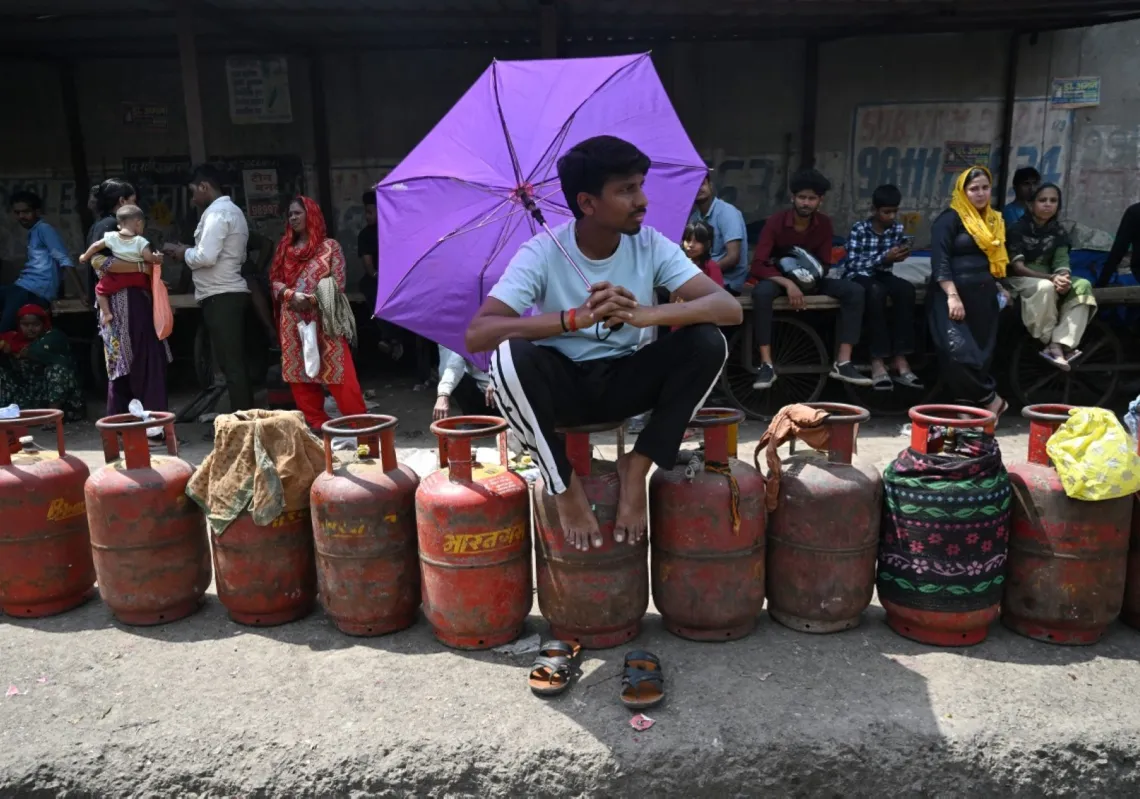
Even if it stays on the sidelines of the US-Iran war, the country is fragile. Unlike larger economies that can absorb shocks in global markets, it has little room to cushion the impact.
The American CIA director's visit looks to be a desperate attempt by the Trump administration to avert a doomsday scenario in which NATO is pulled into a larger war with Russia
Al Majalla looks at his military career, political positions, possible paths to victory, and what a change in leadership could mean for Israel and the region after three years of war
As social media transforms how people seek medical advice, figures such as Barbara O'Neill offer something conventional medicine rarely can: absolute certainty
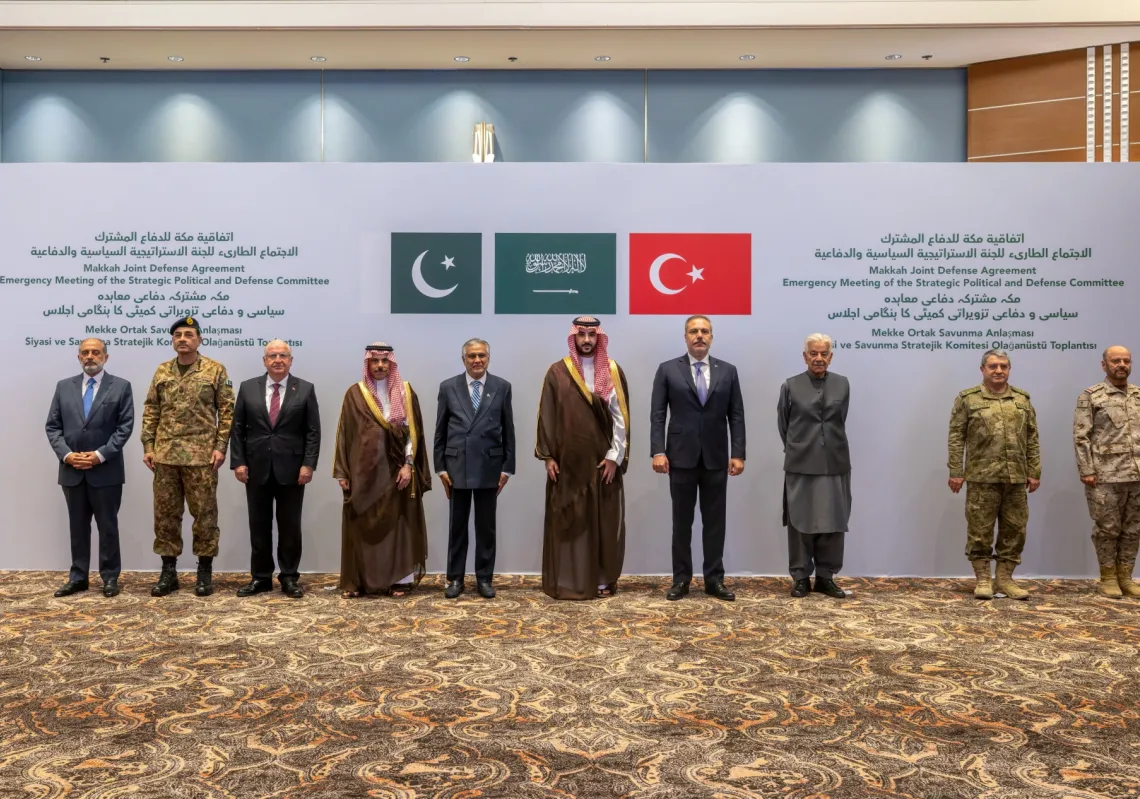
The Iran war exposed the risks of being too closely tied to US military posture, which is why some Gulf states are repositioning themselves not merely as consumers of security but as architects of it