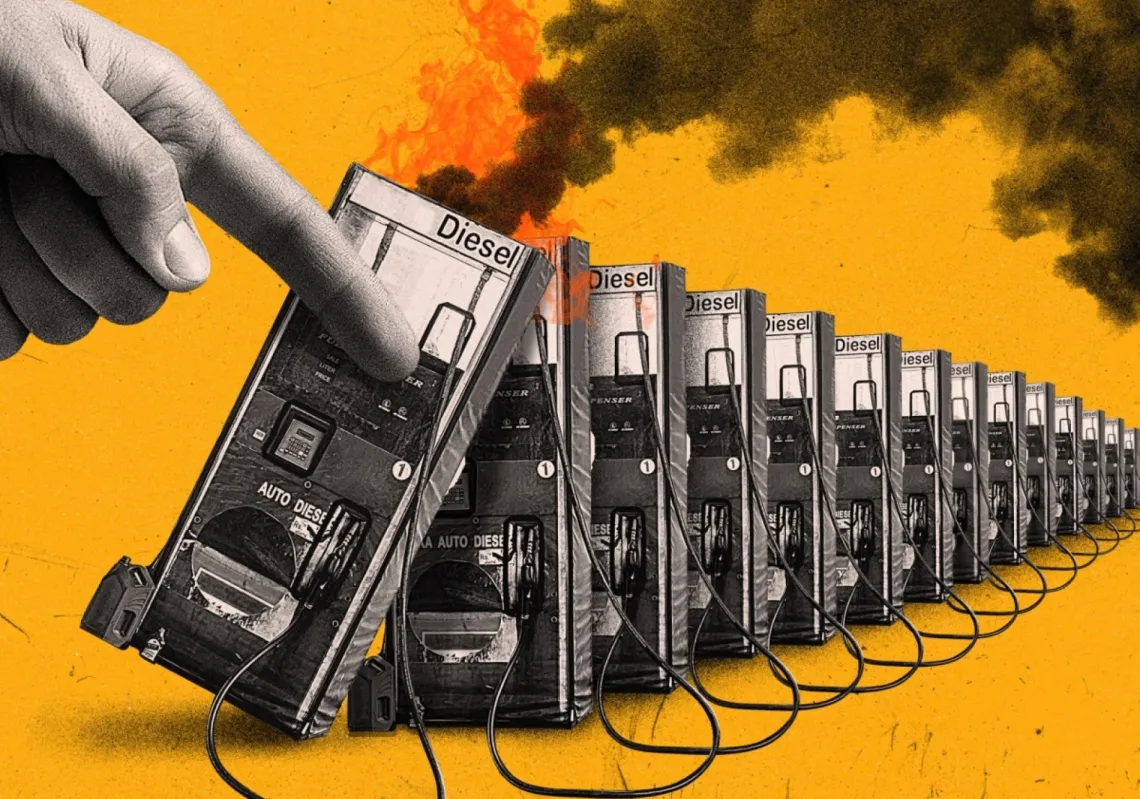
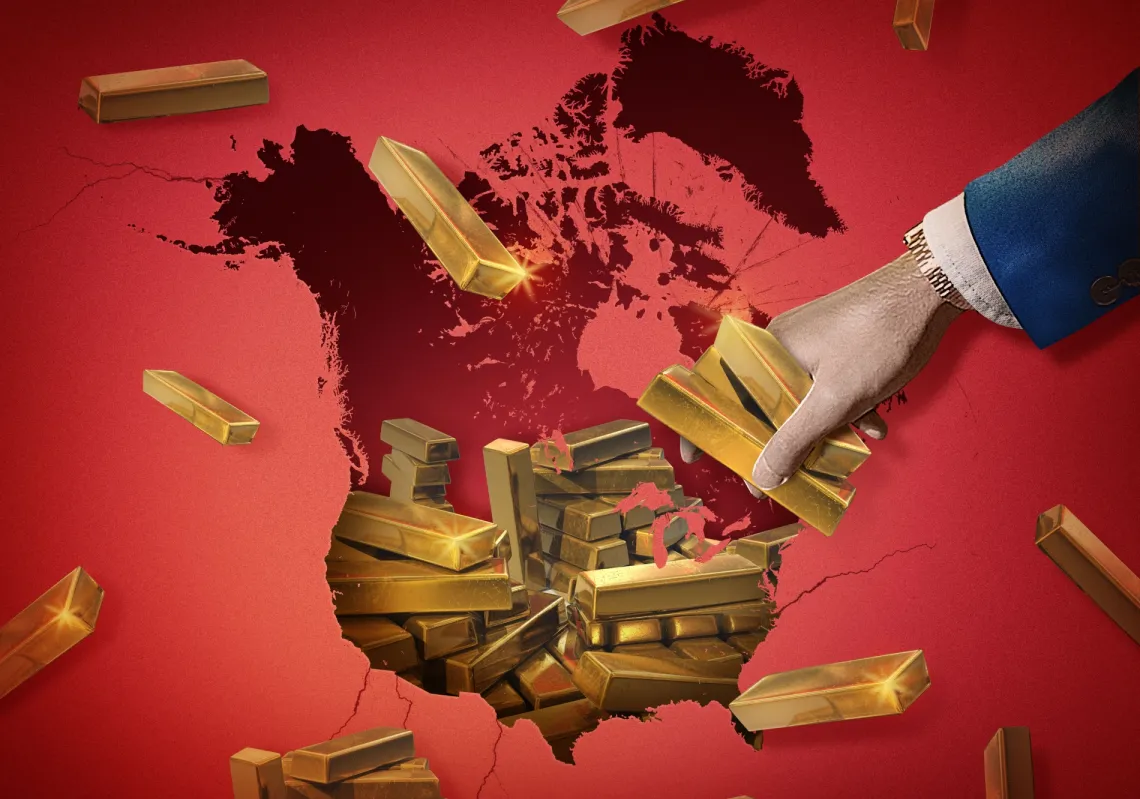
Faced with tariffs and geopolitical instability, Canada's prime minister has responded with state-backed investment, energy pragmatism, and a push for economic independence
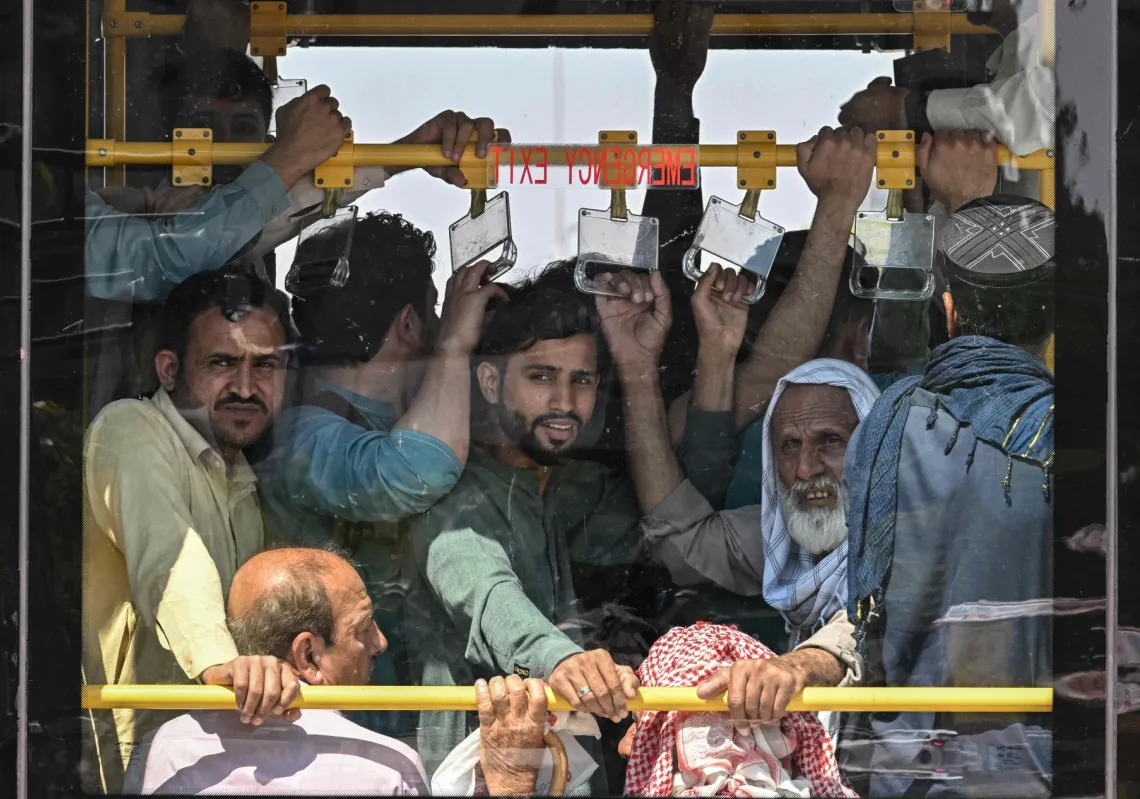
Thirteen years of war have decimated the sector. Only with sustained government support can the industry get back on its feet and contribute to the country's economic recovery.
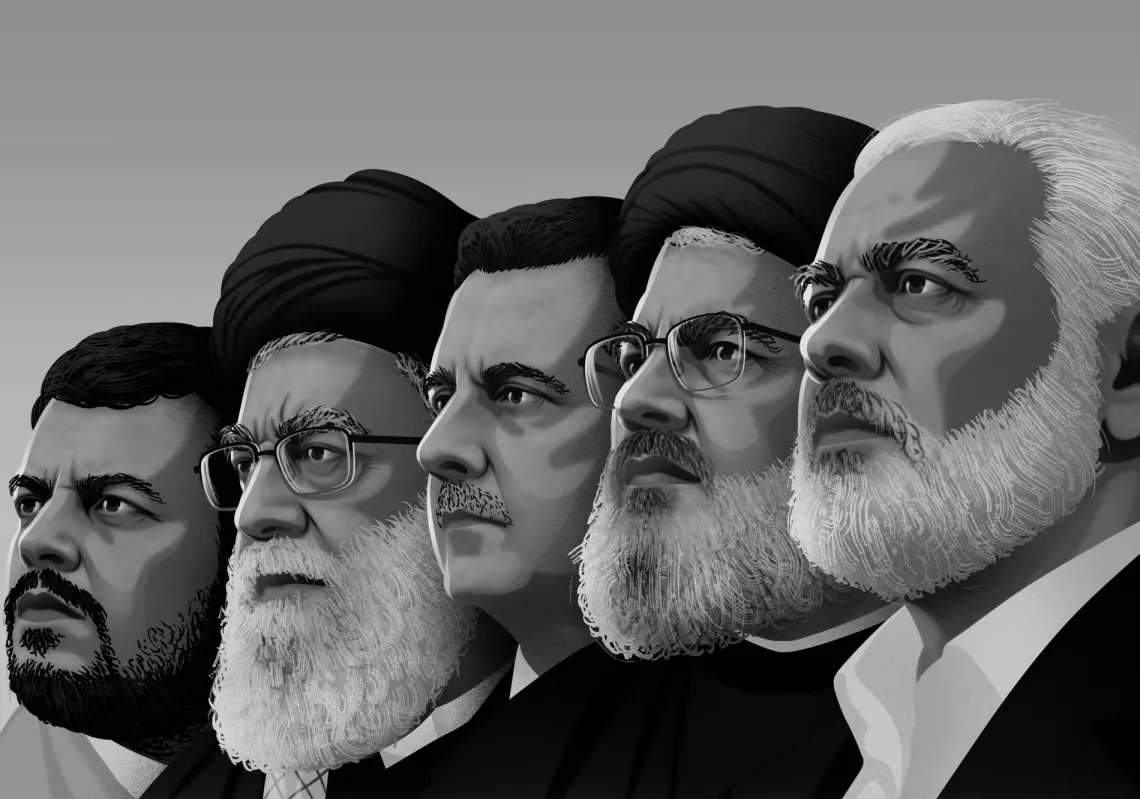
Media reports show pro-Hezbollah charities using online platforms to solicit donations via digital wallets to circumvent sanctions. In Lebanon's cash economy, that is a dangerous game to play.
Amid warnings about the understated depreciation of assets in the AI sector, there are lessons to be learnt from the last time the tech industry experienced overinflated values
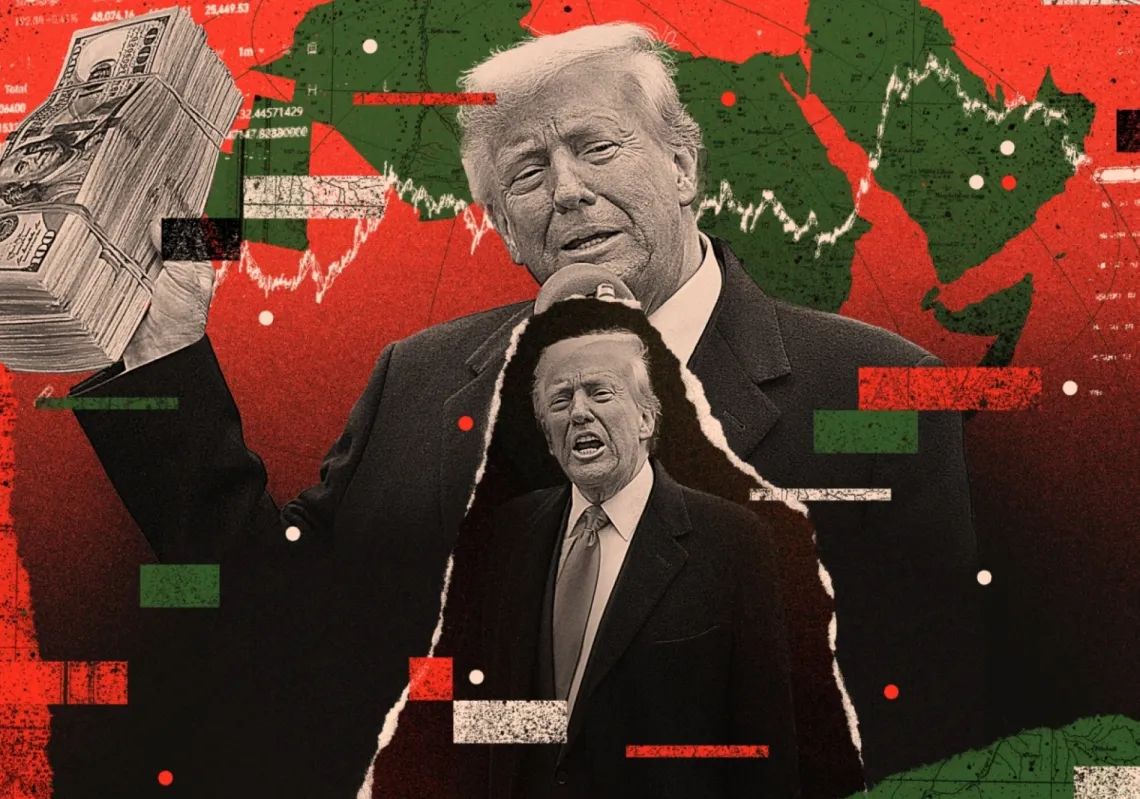
Amidst the dizzying numbers, grand scale, gilded frameworks, and scribbled signatures, there was a deeper and more permanent undercurrent in Washington—that of a cast-iron partnership
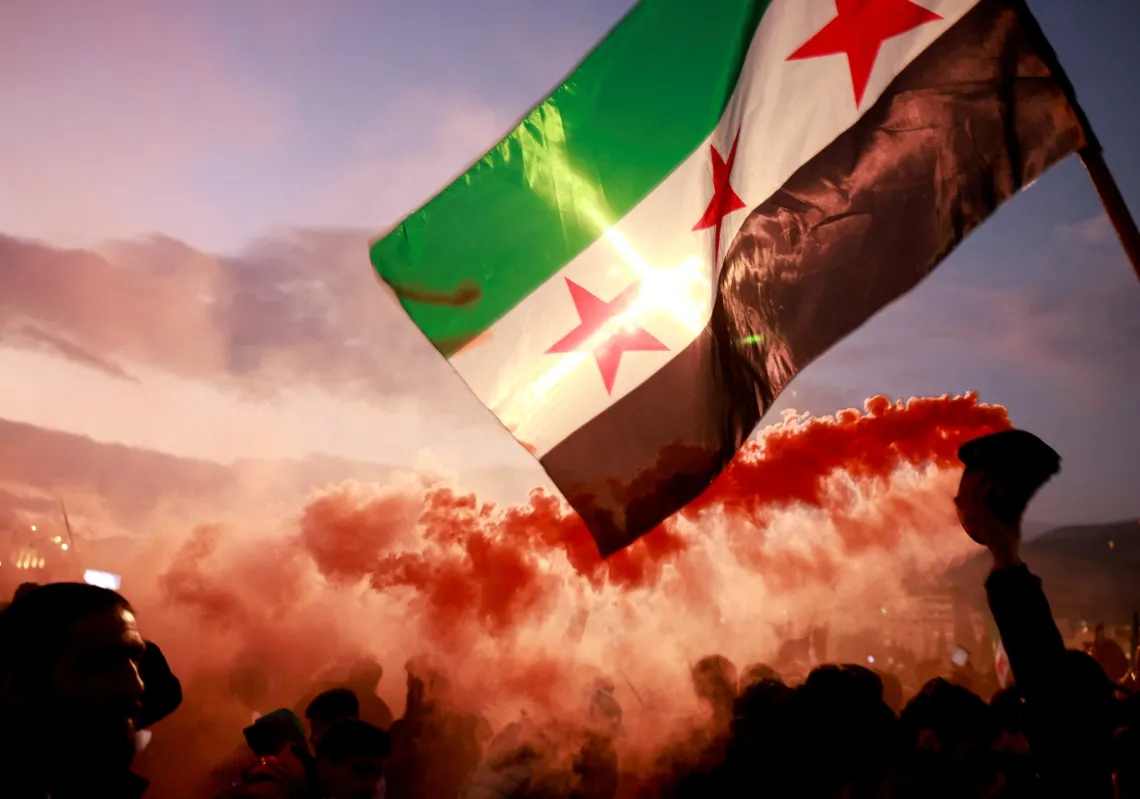
Ambition is key to recovery, but so is realism about the road ahead. Lingering sanctions, legal ambiguity, poor transparency, and weak institutions continue to deter serious investment.
The Saudi-US alliance is entering a new phase—one characterised by maturity, equilibrium, and a shared vision attuned to a world increasingly shaped by technology
In recent years, the International Energy Agency has sent contradictory signals that raise important questions about the agency's credibility and the integrity of its flagship World Energy Outlook
For the first time, the United Nations Climate Change Conference is being held in an Amazonian city. Can its position at the heart of the climate crisis lead to tangible action?
As support for Israel weakens across the US political spectrum, once-taboo questions about military aid, lobbying influence, and US backing are moving into the mainstream
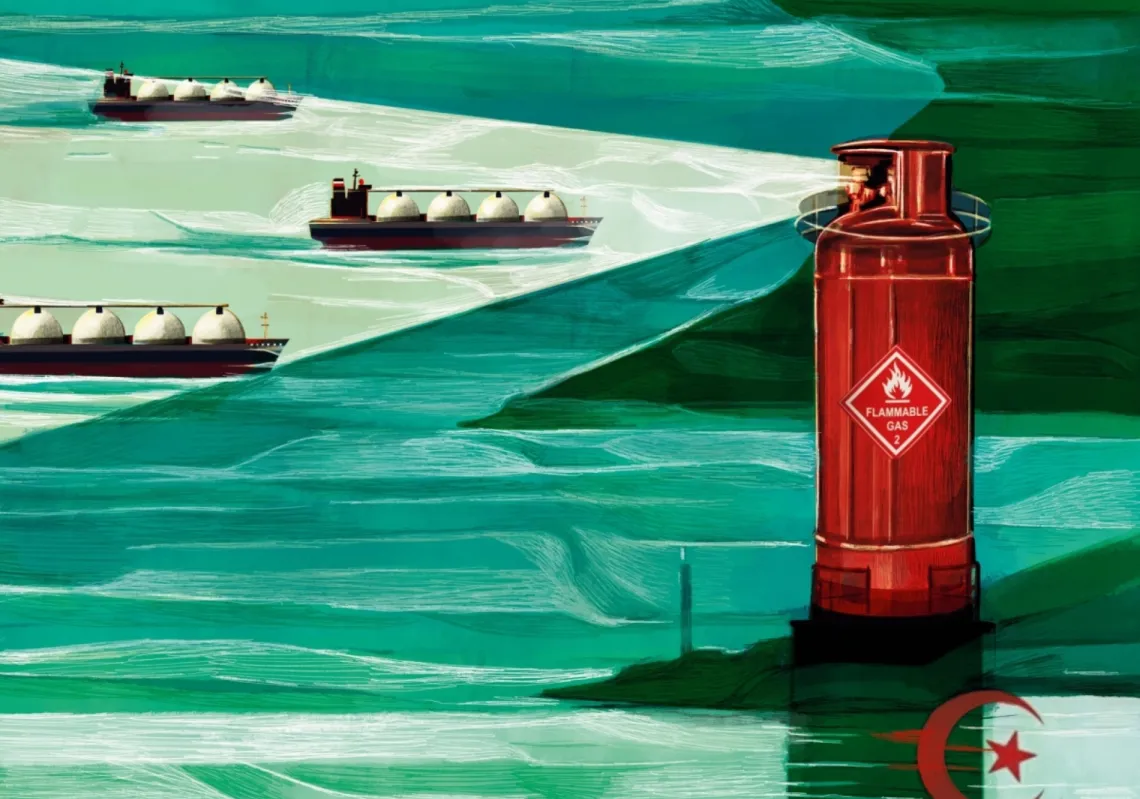
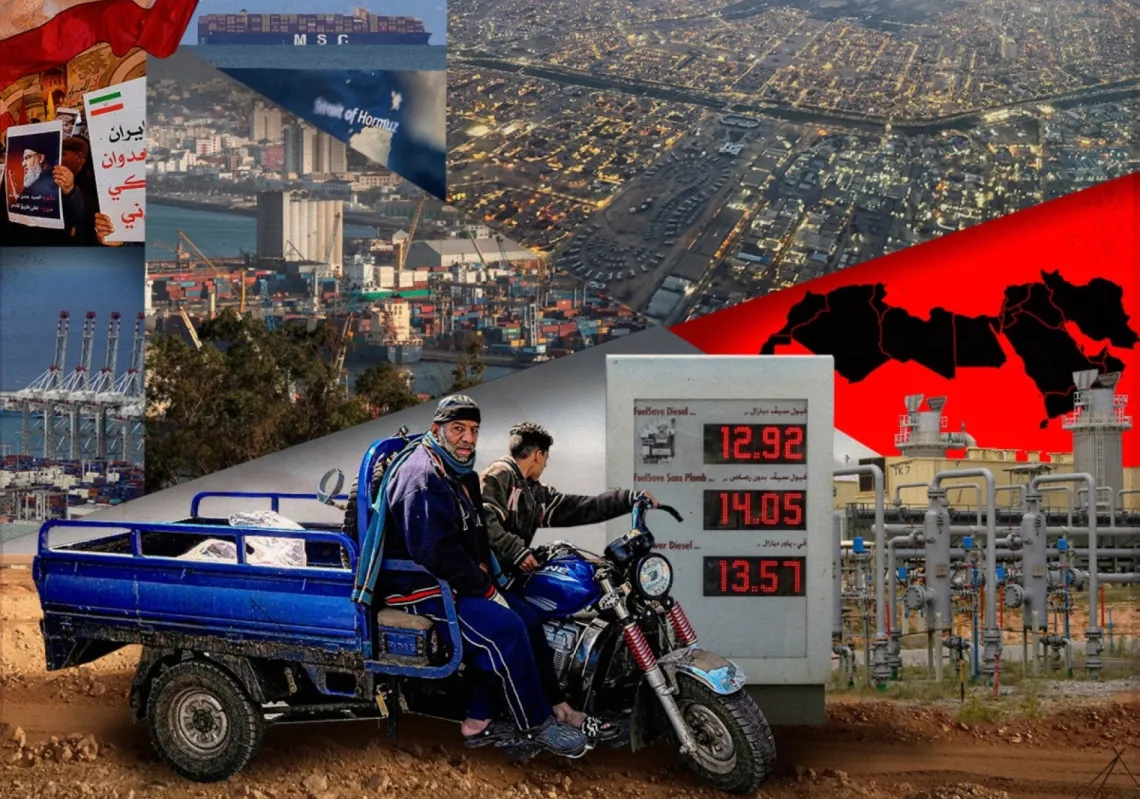
Algeria is one of Africa's largest producers of hydrocarbons, and its proximity to customers in Europe makes it of growing interest as importers fret over a prolonged supply crisis from countries
Through extravagant processions led by palace women, the Mamluk state projected a message of power and prestige at home and abroad, turning the Hajj obligation into a soft-power tool