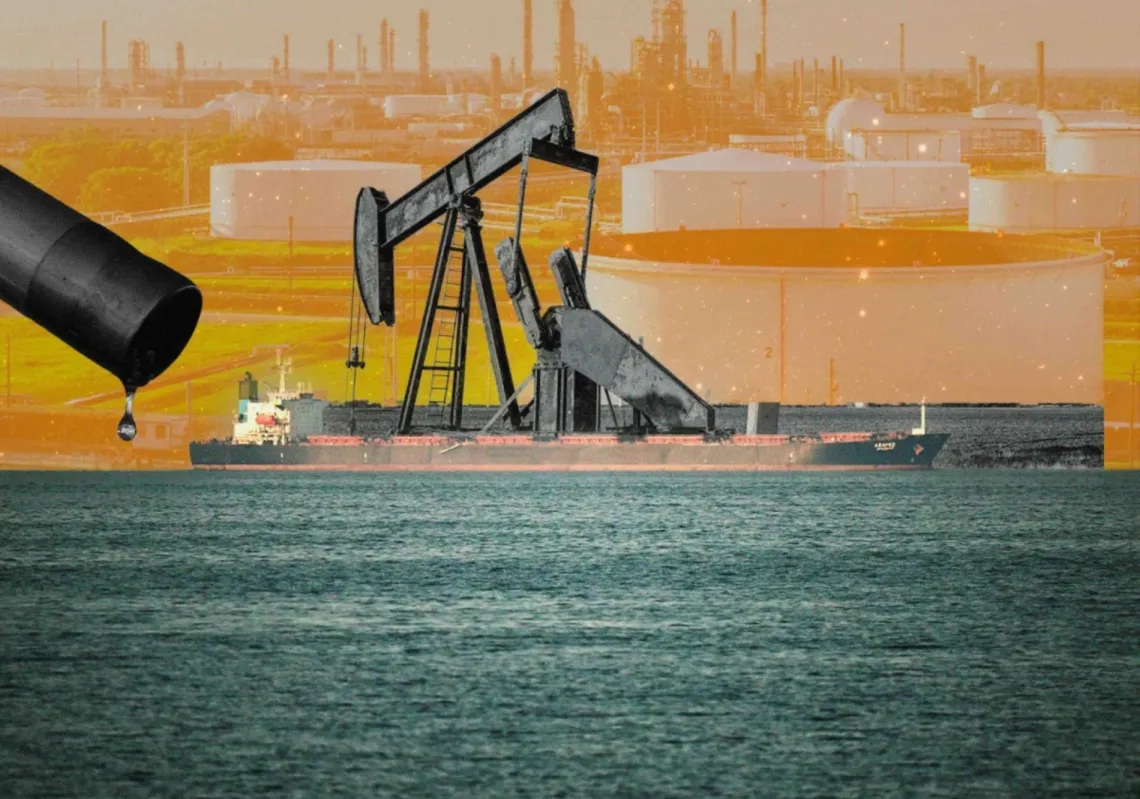
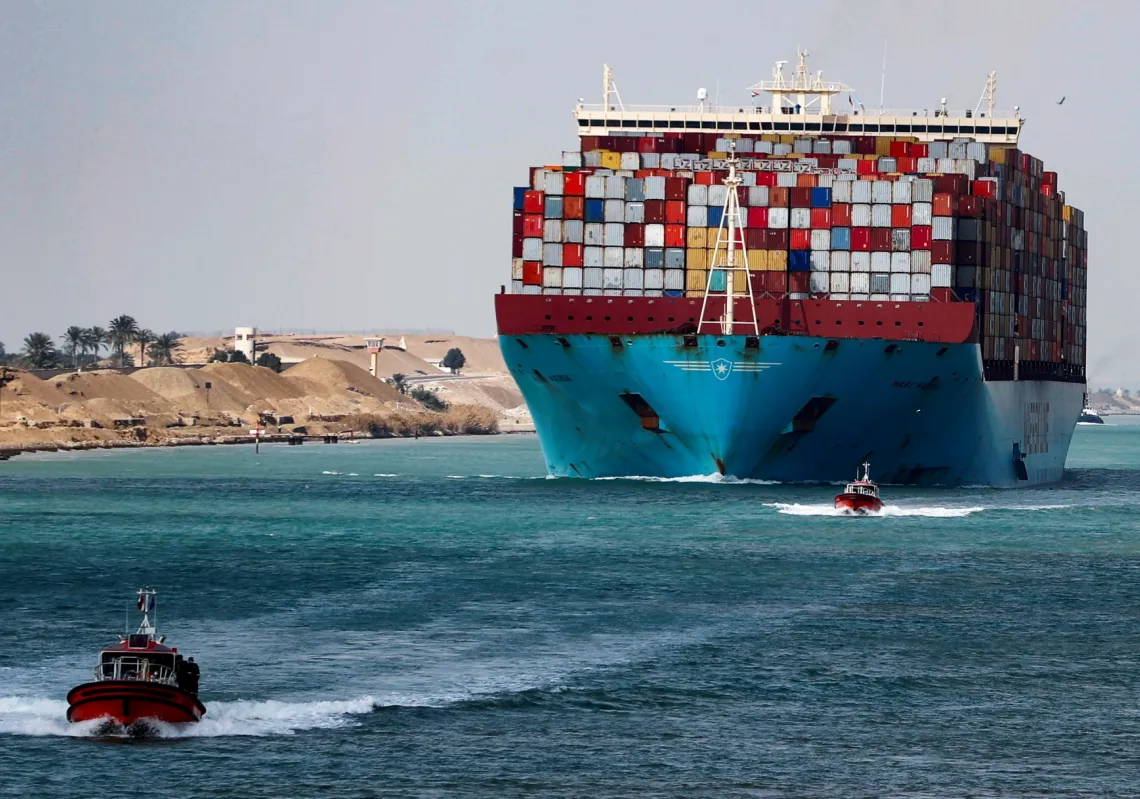
Riyadh and Cairo are trying to ease the acute oil shortfall through alternative pipelines, but these are just band-aid solutions, as the world's most vital energy corridor remains closed by Iran
A drop in the price of crude these days is nowhere near as painful as it used to be, because most of the Gulf Cooperation Council states have diversified away from hydrocarbons
Many of the big regional energy producers retain strong credit ratings as they boost their borrowing. How the money is spent will determine the wisdom of each approach.
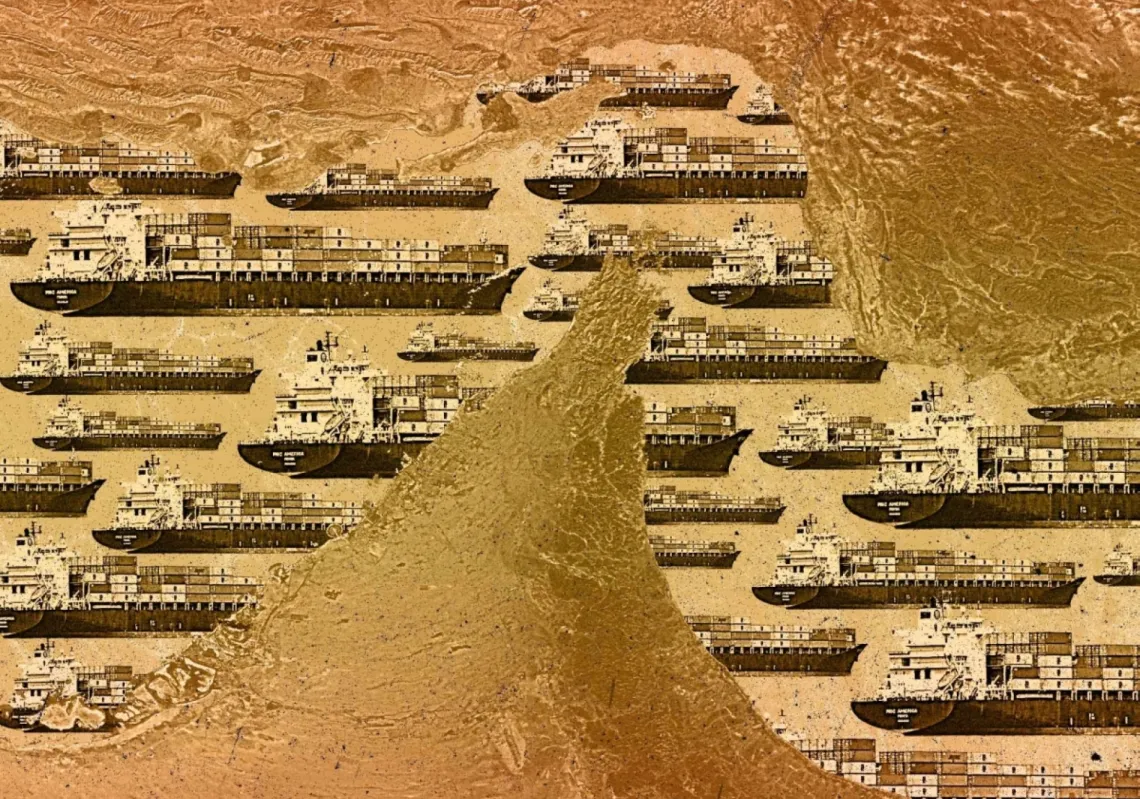
Analysts say Europe-Asia trade could become faster and cheaper if cargo ships use the North-East Arctic Passage as an alternative to the Red Sea, but there are problems to overcome.
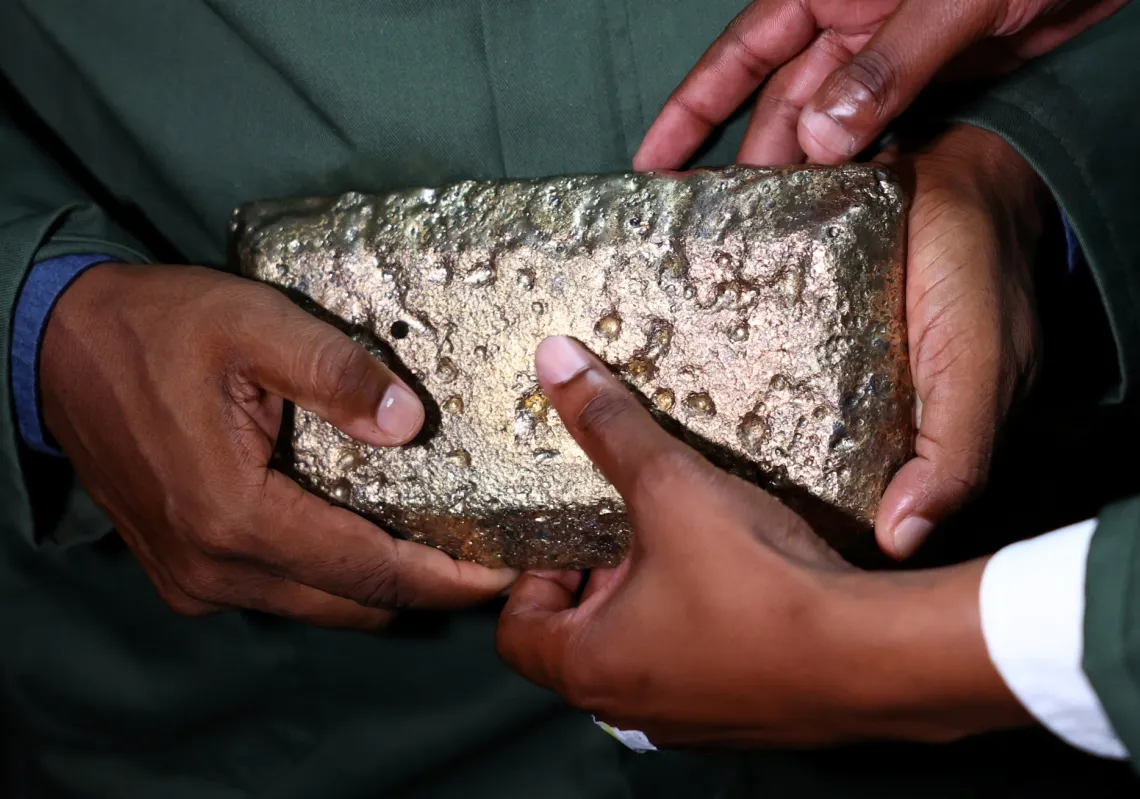
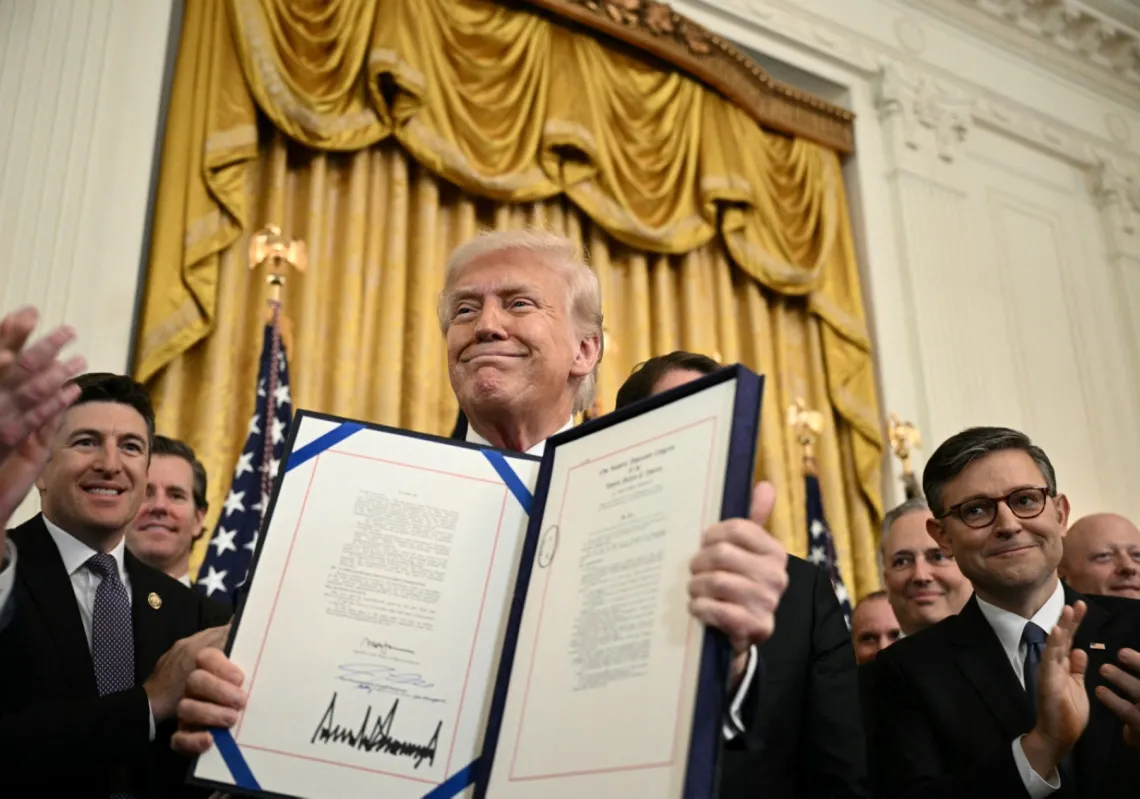
Rising bullion prices, volatile currency markets, and renewed debate over US monetary strategy reflect deepening doubts about Washington's stewardship of the global financial system
Unsustainable defence spending is causing problems beyond the industry itself. As the war in Ukraine rages on, growth has slowed sharply, and few good options remain, as recession and stagnation loom.
Half of all child refugees in Egypt are not in school despite being eligible. Experts think a new law may make things worse in a country with stretched budgets. Is the solution to let them work?
It has followed economic reforms closely, explaining policy shifts to the public, assessing outcomes, and contributing to informed discussion when needed
When states are attacked, authority gravitates towards institutions capable of mobilising resources, enforcing discipline, and coordinating a military response
There are few examples of successful US regime-change operations in history. And without permanent ground troop presence, these wins can easily be reversed.
Cairo and Tehran have been at loggerheads since 1979, but the Iranian threat has always acted as a check on Israeli ambitions. If Iran is completely defeated, Israel will reign supreme.