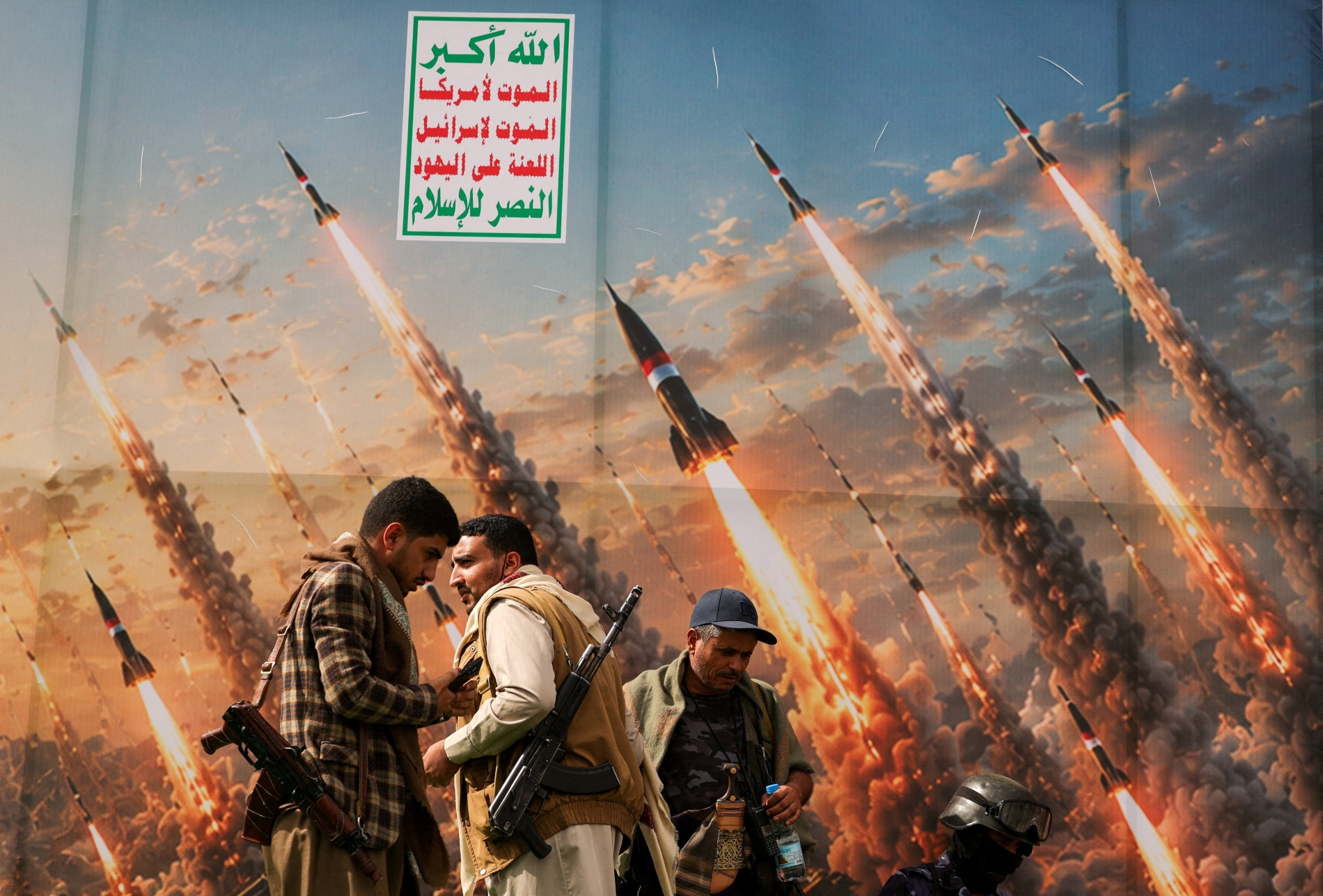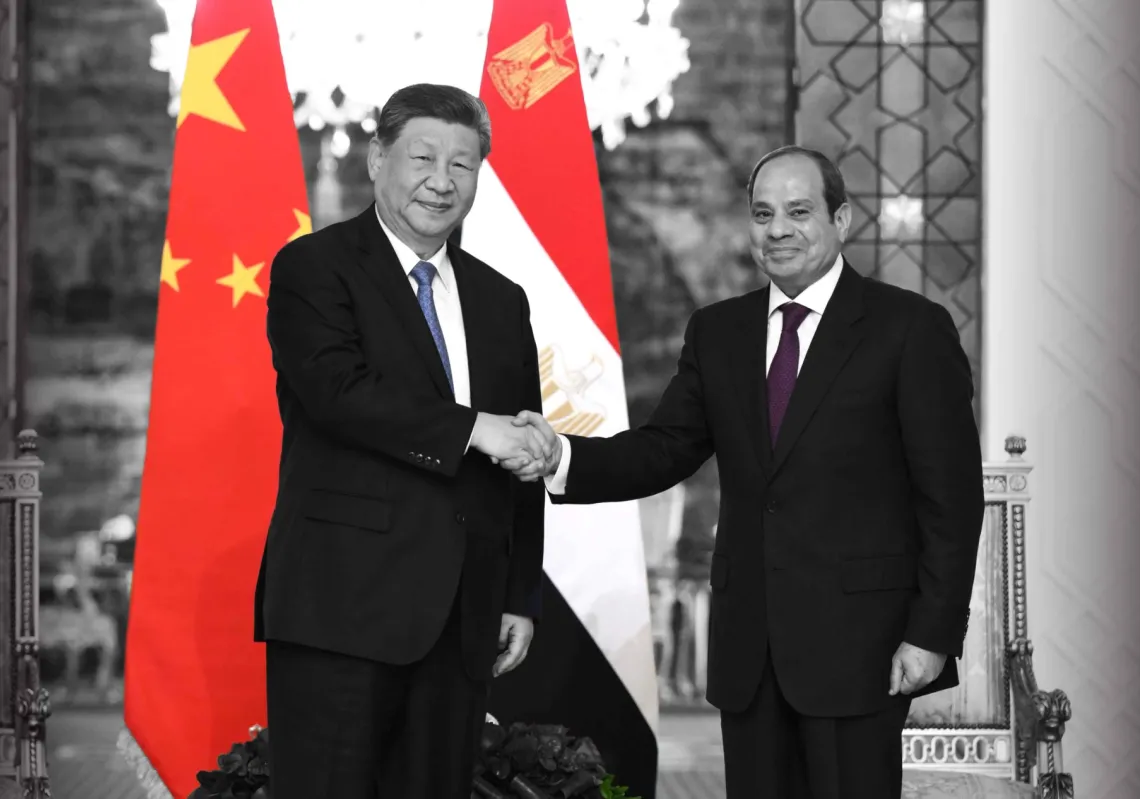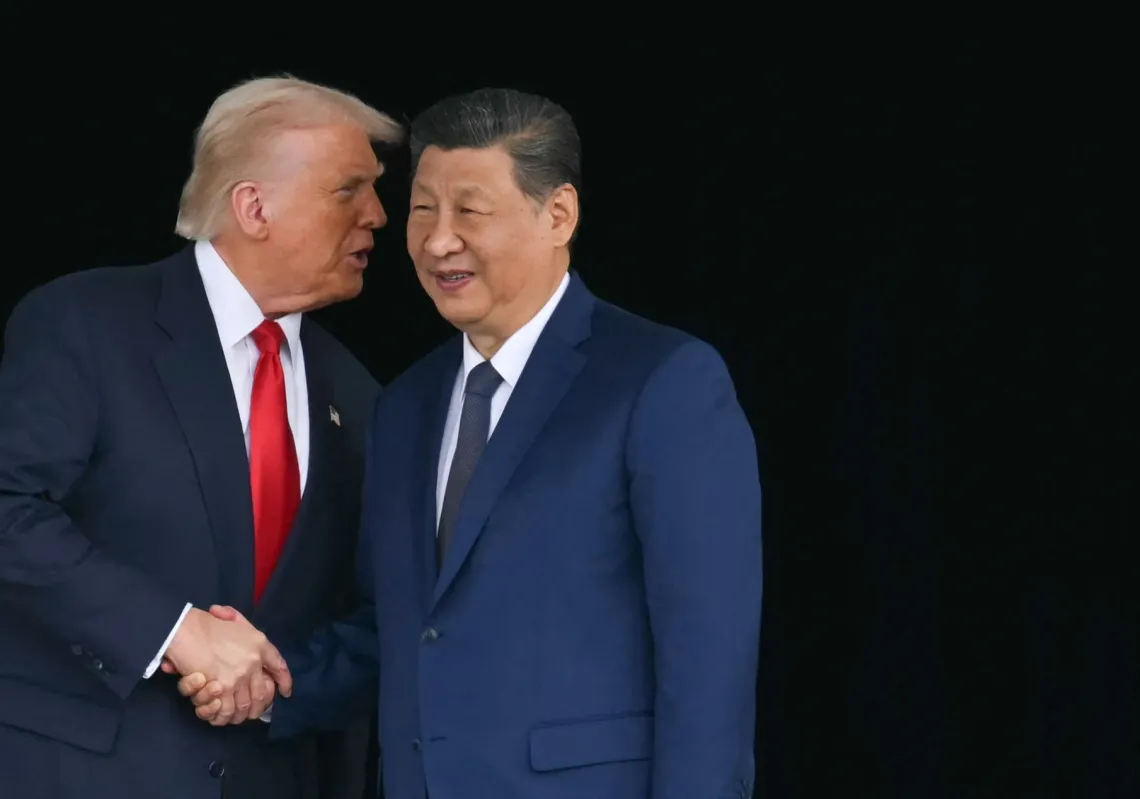

The ink had barely dried on an agreement between Chinese President Xi Jinping and US President Donald Trump over Iran when events in Yemen placed fresh pressure on Beijing. The agreement nudges China gently off the fence, prompting Xi to press Tehran more than he has done to date, so the timing was significant because it is Iran that sponsors the Houthi militia in Yemen.
Chinese diplomats have not wanted to take sides over the US-Israeli war with Iran, which led to the latter blocking the Strait of Hormuz and attacking Arab Gulf states. China buys oil from Iran, but it also has extensive trade relations with Saudi Arabia, the United Arab Emirates, and other Gulf states, not least in hydrocarbons.
Instability in Yemen and the Red Sea affects Beijing’s efforts to expand its political, security, and economic presence in the region. Just three years ago, China raised diplomatic eyebrows when it facilitated an unlikely reconciliation agreement between Iran and Saudi Arabia, under which it has certain obligations. Events in Yemen may now mean that Beijing cannot reconcile its ties to Tehran with its partnerships in the Gulf.
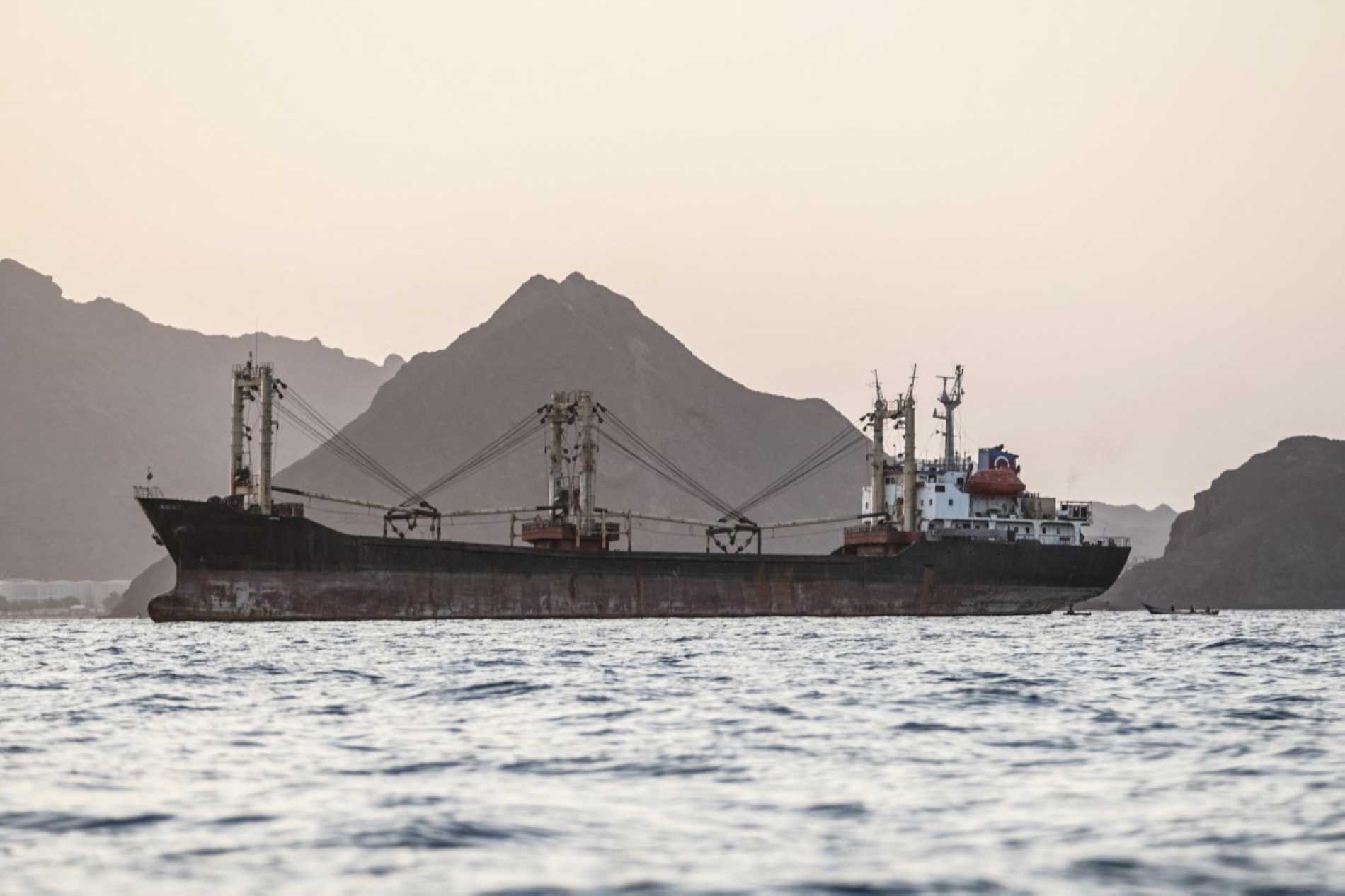
Last month, a lightning offensive left the Houthis in control of western Yemen, seizing ports and territory from the Saudi-backed government that has been based in Aden since the Houthis seized the capital, Sanaa, over a decade ago. Although the Beijing Agreement of March 2023 restored diplomatic relations between Saudi Arabia and Iran, it did not directly address Yemen, from where the Houthis have attacked Saudi infrastructure.
Statements by Houthi leaders and Iranian officials link the US-Iran war (and the resulting Strait of Hormuz closure) to the escalation in Yemen in recent weeks. This placed greater importance on the Bab al-Mandab Strait. Like the Strait of Hormuz, this is a strategic waterway for international trade, including Gulf oil exports. Houthi gains mean that the militia can now target Saudi ships sailing through this narrow passage, while Iran can target Saudi ships sailing through the Strait of Hormuz.
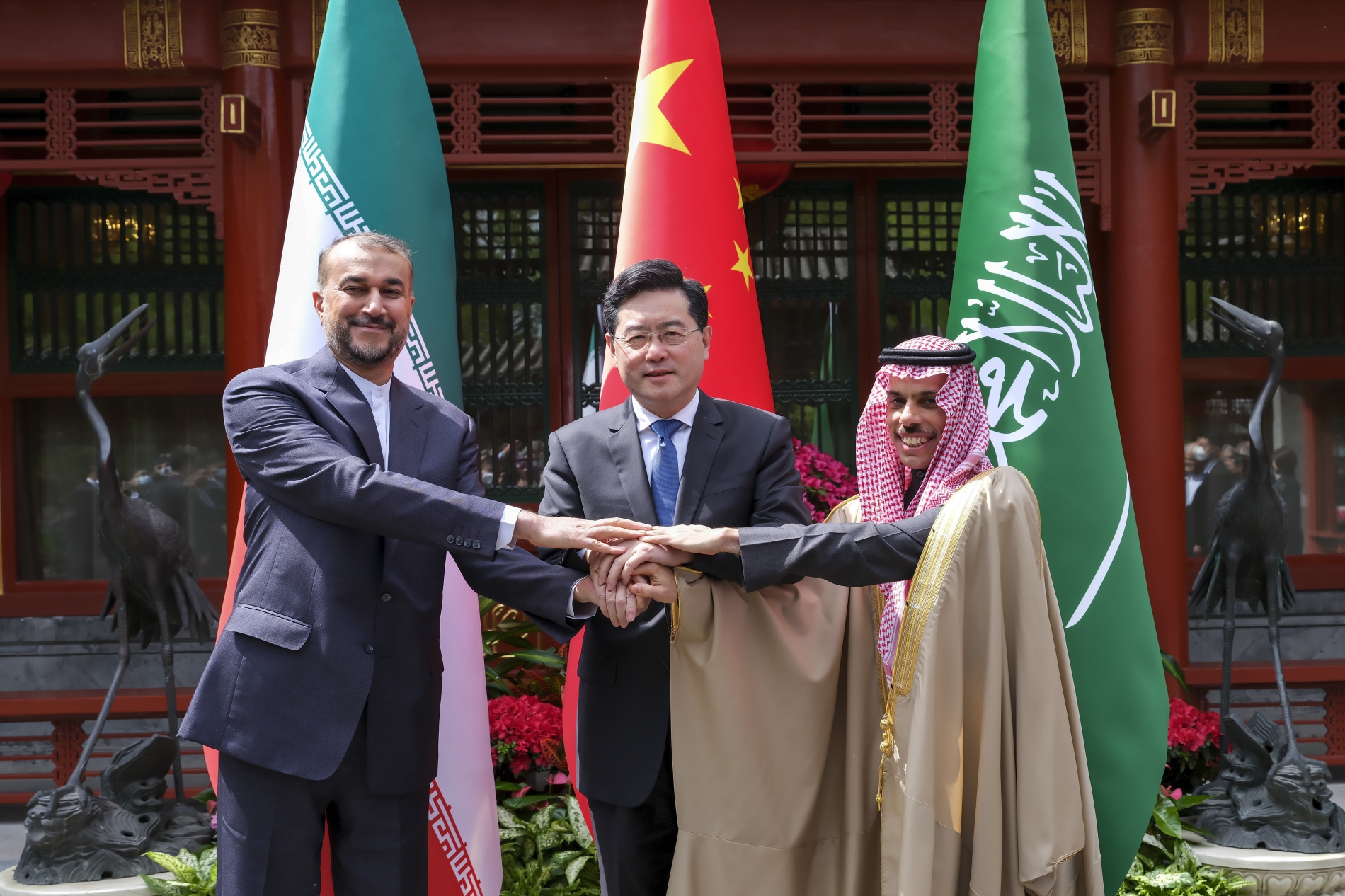
Yemen’s prominence in the trilateral follow-up meetings between China, Saudi Arabia, and Iran lends the issue particular significance. In the final statement issued after the committee’s second meeting in Riyadh on 9 November 2024, the trio reaffirmed their support for a comprehensive political settlement to the Yemeni conflict, based on internationally recognised principles and under United Nations auspices.
At the Xiangshan Security Forum in Beijing, Prince Turki al-Faisal, a former Saudi diplomat in Washington, urged China to help influence Iranian behaviour, arguing that attacks on Saudi Arabia constituted a breach of the Beijing Agreement. Chinese experts say the agreement still provides a valuable channel of communication between Riyadh and Tehran, particularly given the US-Israeli military operations against Iran.
Writing in China’s state-run Global Times, Su Ying, a history professor at Shihezi University, cited a call between Iranian Foreign Minister Abbas Araghchi and his Saudi counterpart, Prince Faisal bin Farhan, as evidence that the channel established through Chinese mediation remains effective.