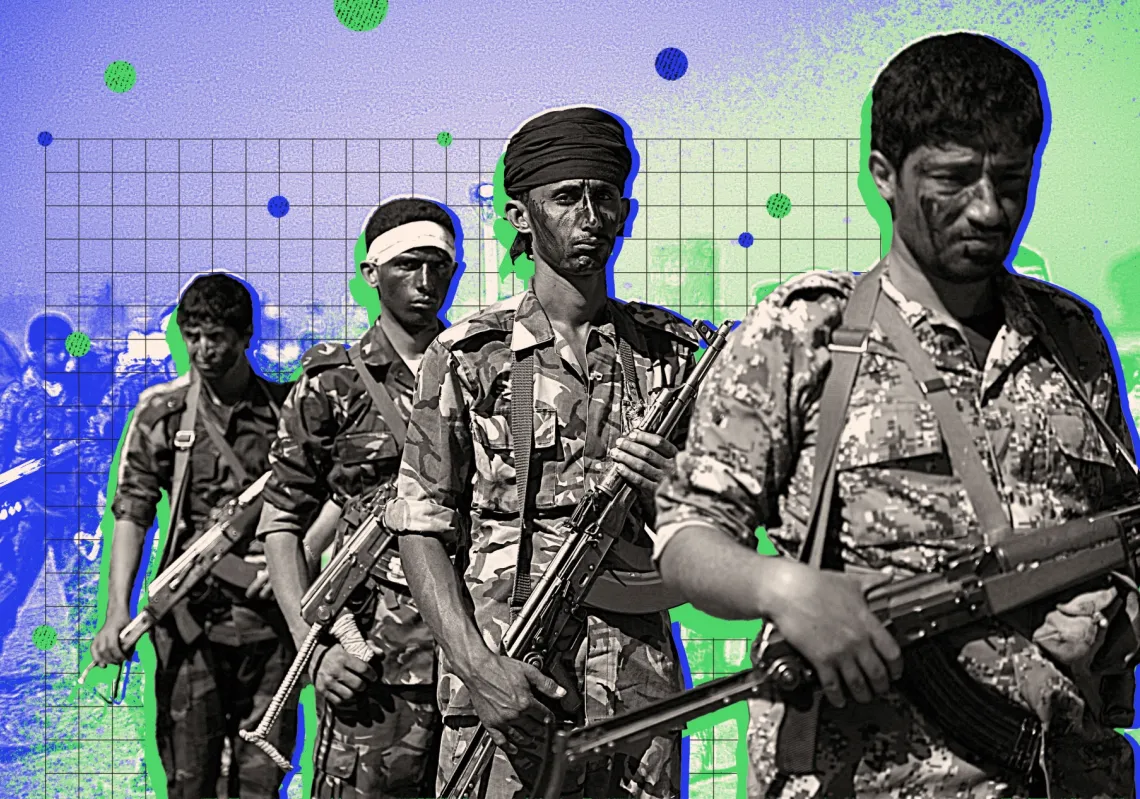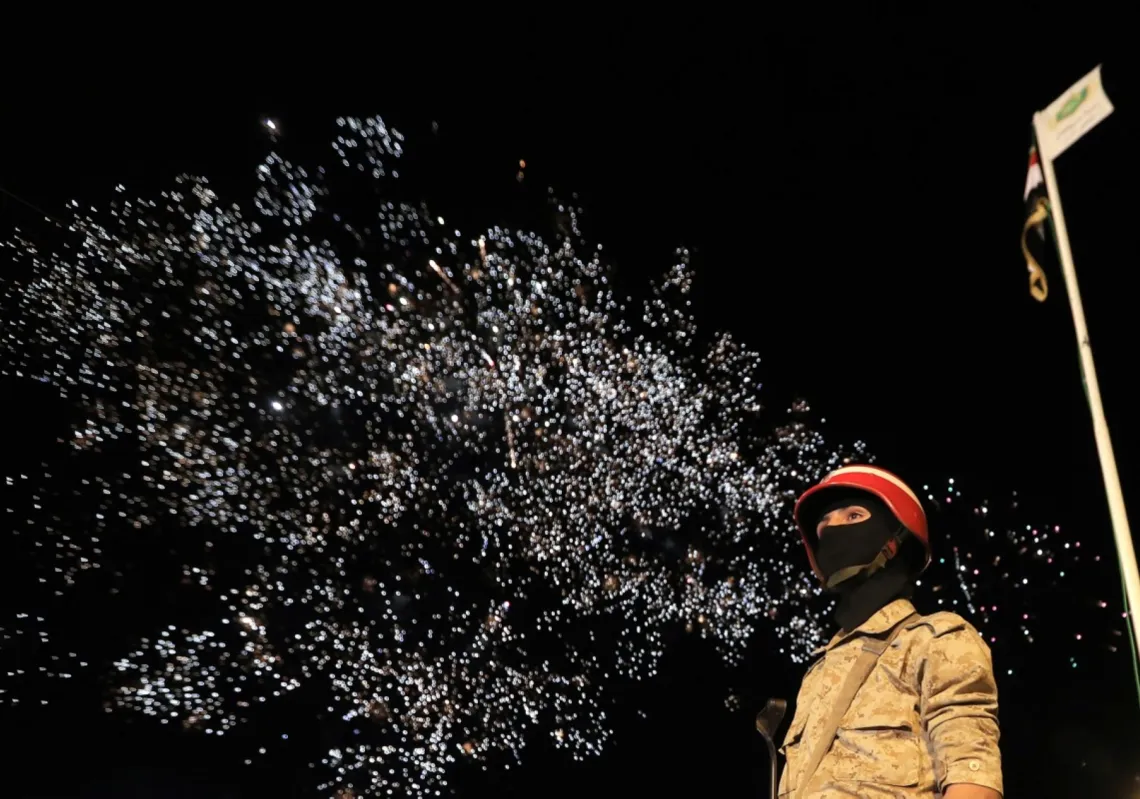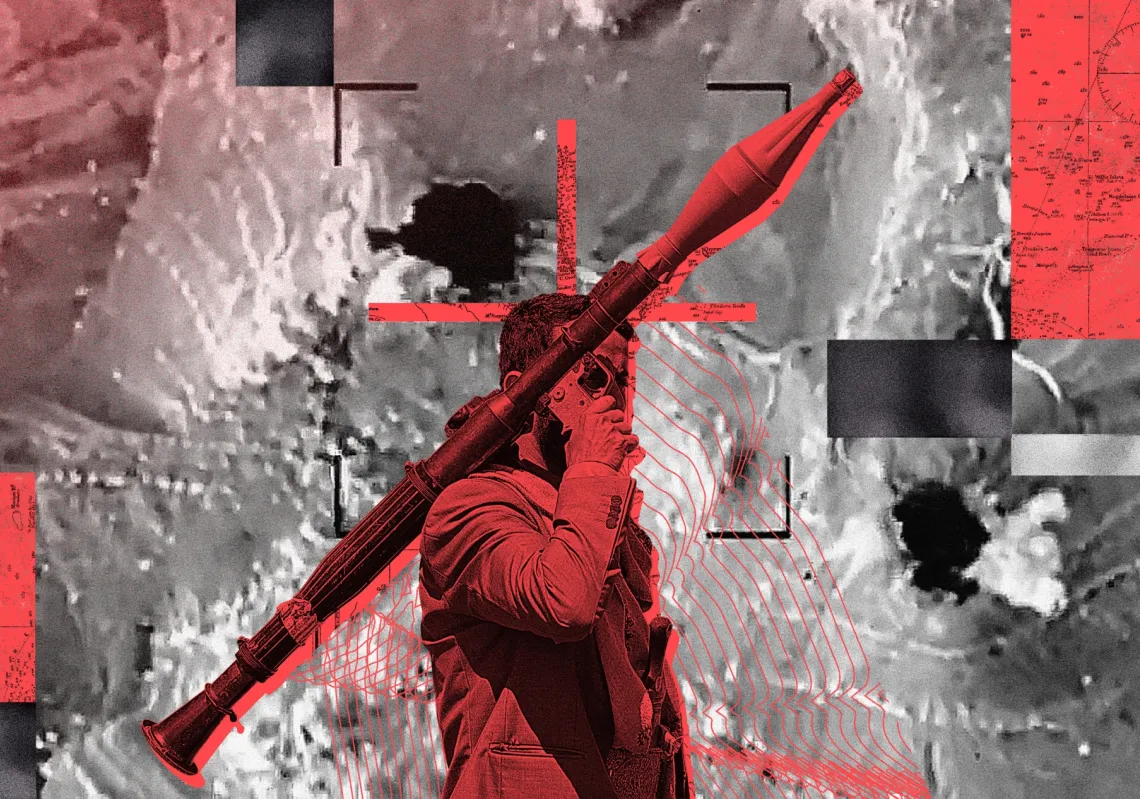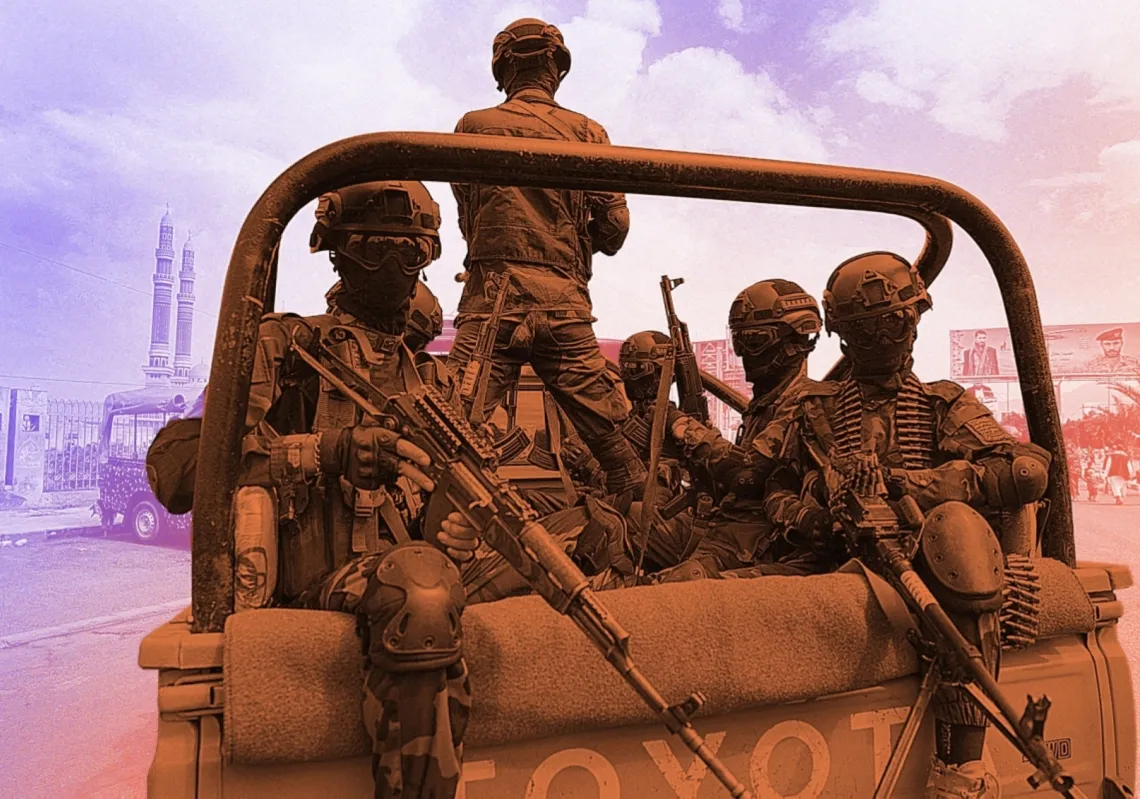

Earlier this month, the Yemen-based Houthi militia turned their Iranian-sponsored weapons on Saudi Arabia in the most horrific way, targeting not military or economic infrastructure, but civilians at an airport. The missiles hit King Khalid International Airport in Riyadh over several days, killing 20 and injuring over 370. Additional attacks on King Fahd International Airport in Dammam were intercepted.
Since the Saudi-Houthi conflict reignited in recent weeks, the group has also struck oil facilities, inflicting casualties and causing significant damage. Military analysts note a marked increase in the Houthis’ targeting accuracy. Clearly, neither they nor their backer have been idle since the 2022 ceasefire, building up a drone and missile stockpile despite the UN-mandated arms embargo and Saudi-led blockade.
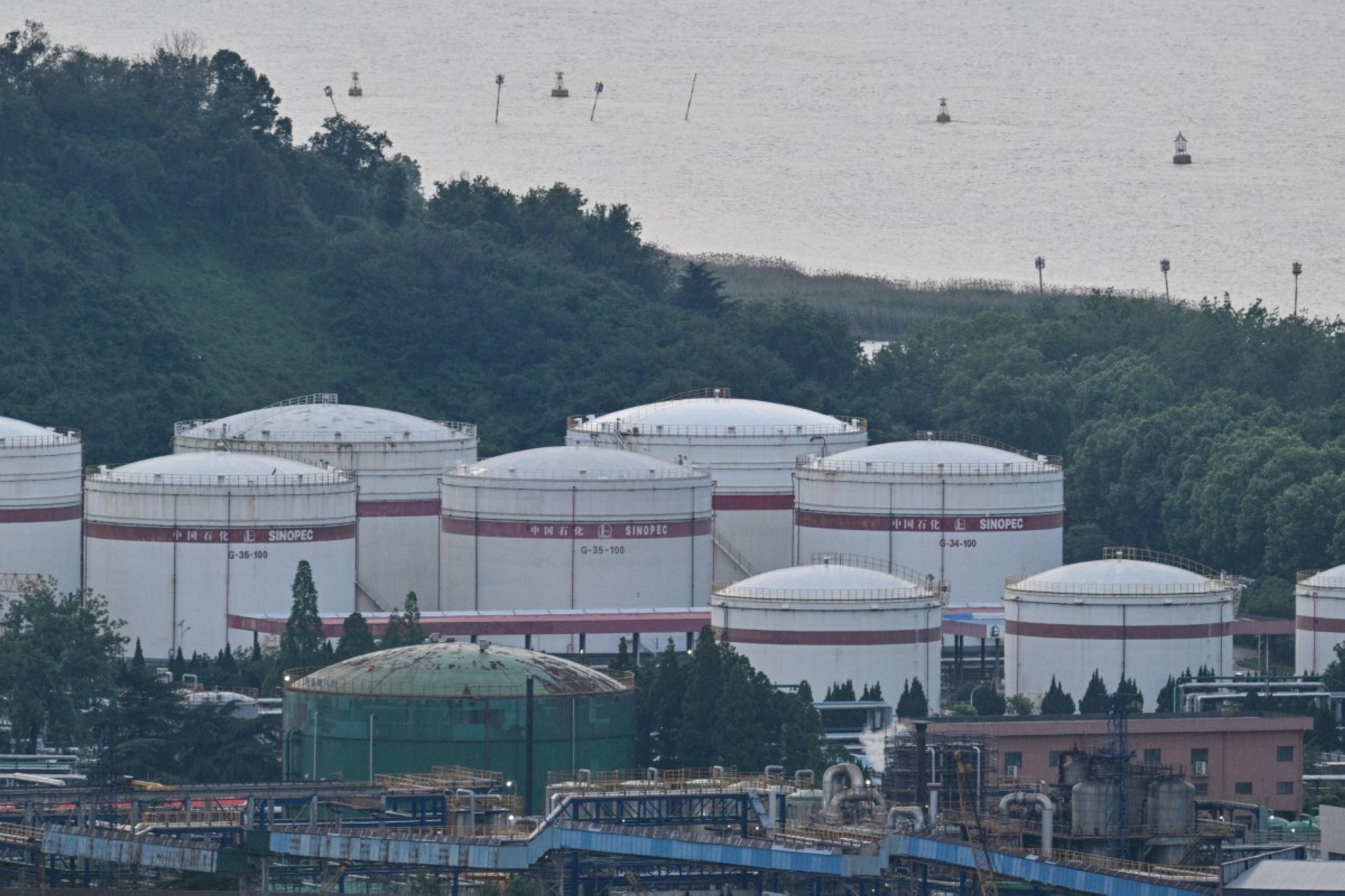
Missiles have been flying since the US-Israeli war against Iran that began on 28 February led Iran and its proxies (including groups in Iraq) to hit back against America’s Gulf allies. For Beijing, the attacks against Saudi oil infrastructure are an unwelcome development. Saudi Arabia is China’s second-largest oil supplier, accounting for 14% of its total crude imports, so this will squeeze China’s oil supply and, by extension, harm its economy.
True to form, it condemned the attacks while calling for restraint, de-escalation, and a return to the negotiating table (Beijing’s standard response to Middle Eastern conflicts). Yet the stakes are now much higher. Some think the time may have come for Beijing to offer more substantive help to Saudi Arabia.
Following the outbreak of the US-Israeli war against Iran, and the subsequent ‘closure’ of the Strait of Hormuz, Saudi Arabia used its East-West pipeline to export more than 70% of its pre-war total crude exports via the Red Sea, bypassing Hormuz and the Iranian threat, but most of this re-routed oil then passed Yemen, through the Bab al-Mandab Strait and the Gulf of Aden, before heading to East Asian customers like China. This kept global oil prices high but tolerable, so China did not need to exhaust its oil reserves.
Since September, however, the situation has changed. The Houthis advanced down Yemen’s west coast to wrest control of Bab al-Mandab from the Saudi-backed government of Yemen (currently based in Aden) while Iran’s Iraq-based militias attacked the Saudi East-West Pipeline.
Although the US has disabled enough Iranian radars to make it possible for ships to transit the Strait of Hormuz under US naval escort, the route remains perilous. Meanwhile, the Suez Canal is off-limits to fully-laden very large crude carriers, forcing Saudi oil tankers to take the longer, more costly journey around Africa to reach their customers in East Asia. As a result, global oil prices have soared in recent days, surpassing $100 per barrel.
Impact on China
Until now, China had largely been insulated from the fallout, with its vast oil stockpile and Russian crude imports continuing, but Ukrainian attacks against Russian oil refineries has changed the picture, with China suspending diesel, gasoline, and jet fuel exports this October.
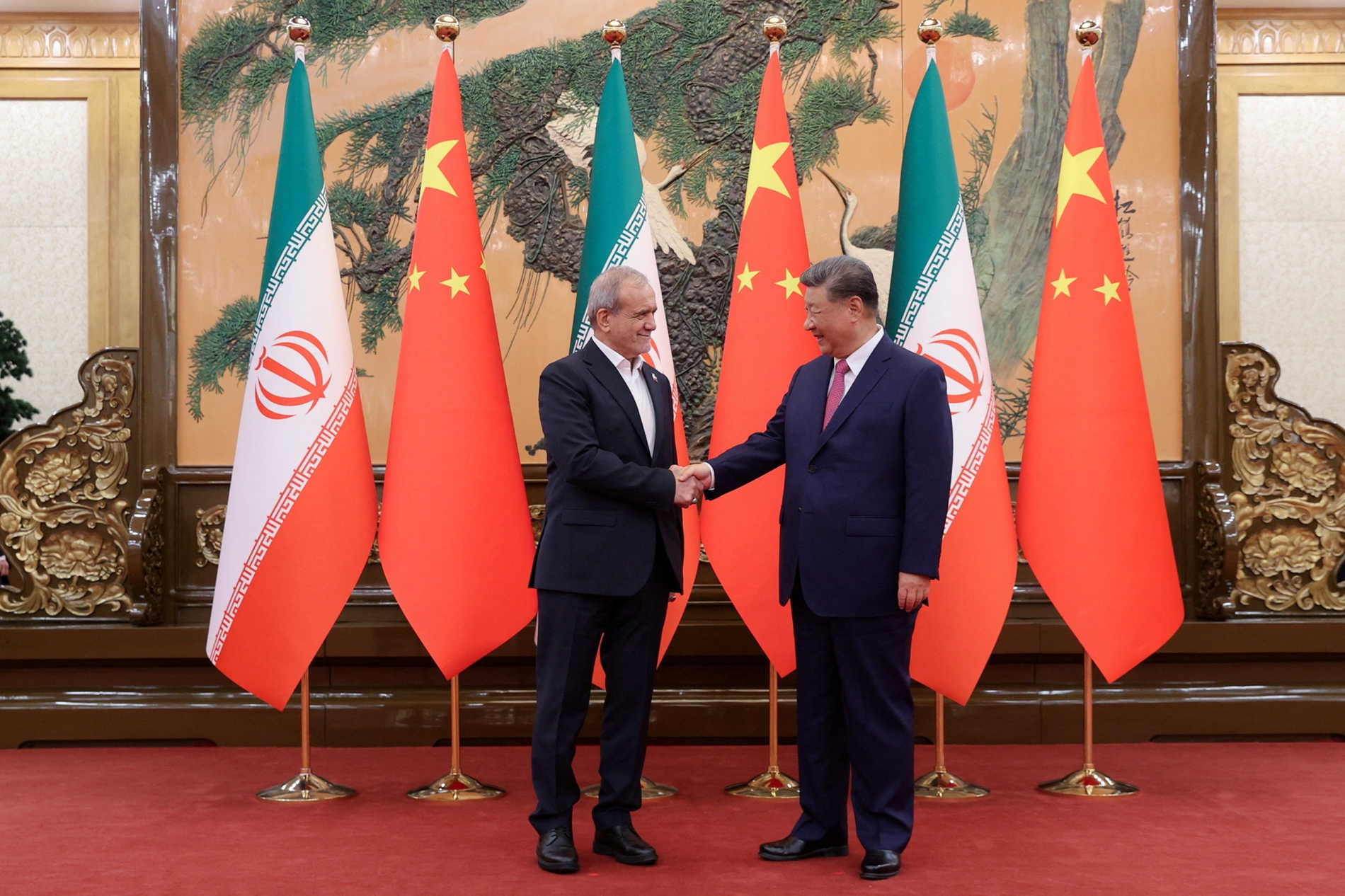
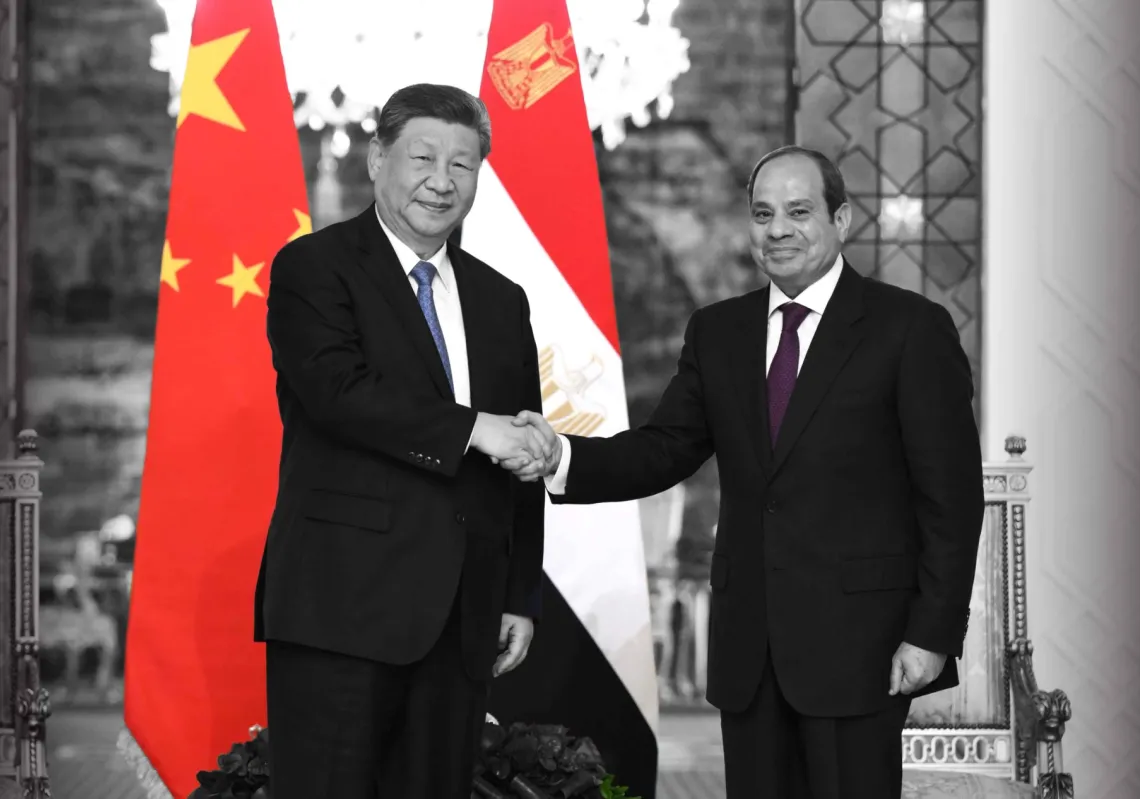
The Houthi attacks risk straining China-Saudi relations. Beijing would like to be on good terms with both the Arab countries and Iran, but since the US-Israeli war against Iran began in February, this balancing act has become increasingly difficult. Iran’s attack on Arab countries and its closure of the Strait of Hormuz have increased tensions dramatically, leading Beijing to postpone the upcoming China-Arab States Summit indefinitely.