US troops leave Iraq and Syria, but double down in the region

Why 30 September should be understood less as a US exit from the Middle East than as the end of a particular model of American intervention

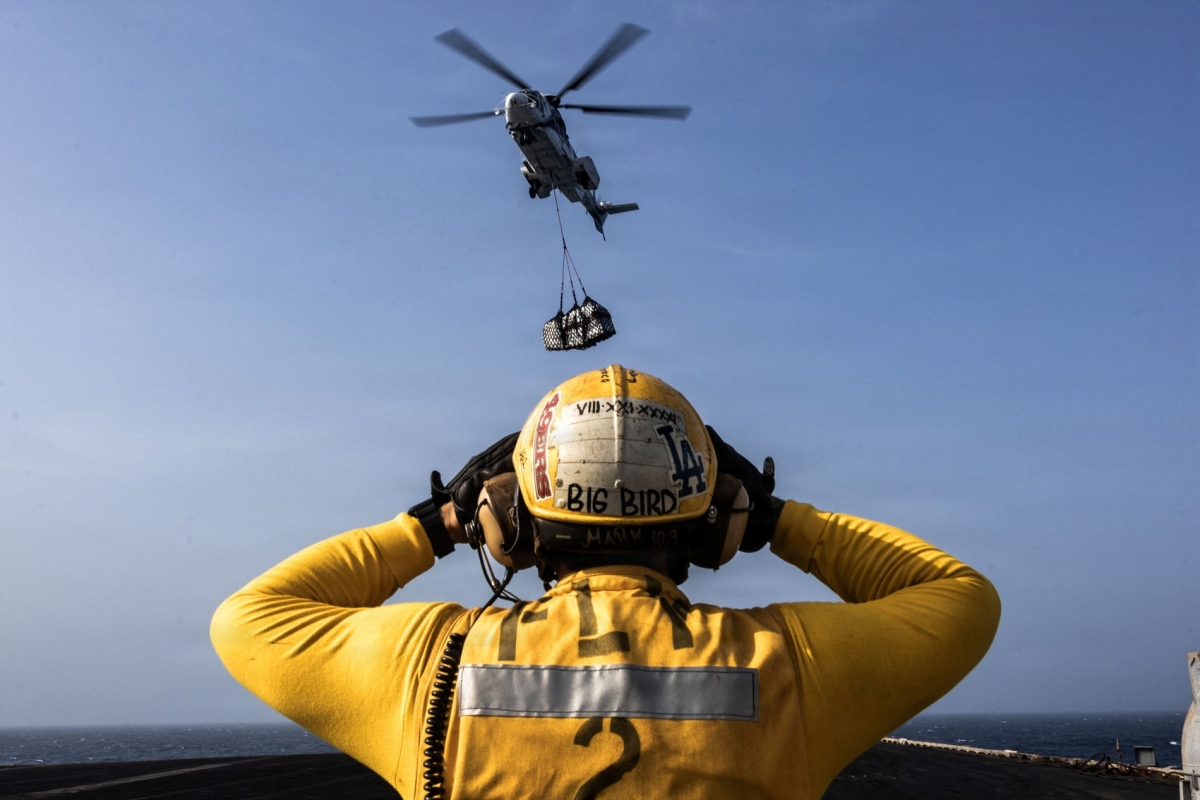
A US Navy sailor directs a Eurocopter AS-332 Super Puma helicopter on the flight deck of Nimitz-class aircraft carrier USS Abraham Lincoln, which is supporting US military operations in the war with Iran on 16 August 2026.
US. Navy/REUTERS
A US Navy sailor directs a Eurocopter AS-332 Super Puma helicopter on the flight deck of Nimitz-class aircraft carrier USS Abraham Lincoln, which is supporting US military operations in the war with Iran on 16 August 2026.

US troops leave Iraq and Syria, but double down in the region

The departure of US forces from Iraq and Syria, ahead of the 30 September deadline, marks the end of an era of American counter-terrorism operations and forward presence that both complicated and defined the regional security landscape. In Iraq, the departure of US forces closes the book on over two decades of on-and-off American military presence that began with the Bush administration’s invasion of 2003, a withdrawal by 2011, and redeployment to fight the Islamic State (IS) in 2014. In Syria, forces departed from all major bases by April and completed a handover to the new Syrian government headed by President Ahmed al-Sharaa, ending over 12 years of presence and partnership with local forces under the counter-IS mission.

The end of this mission culminates over two decades of American military intervention in the Middle East that came to define the post-9/11 era. With IS territorially defeated since 2017, the mission has succeeded in its principal objective, paving the way for US withdrawal and transfer of security commitments.

The US deadline for withdrawal from Iraq and Syria by September's end is symbolic in that it marks the same month the twin towers were attacked 25 years ago. 9/11 was essentially the catalyst for America's subsequent ‘forever wars’ in West Asia. The troop withdrawal also comes at a time when the US is locked in a war with Iran, so the US military footprint in the region is unlikely to fully disappear.

The first Trump administration vociferously advocated a US exit from its security commitments in the Middle East, preferring to outsource them to trusted parties. This led to a premature departure from northeast Syria in October 2018, which was quietly walked back. It wasn't until April of this year that total withdrawal was completed.

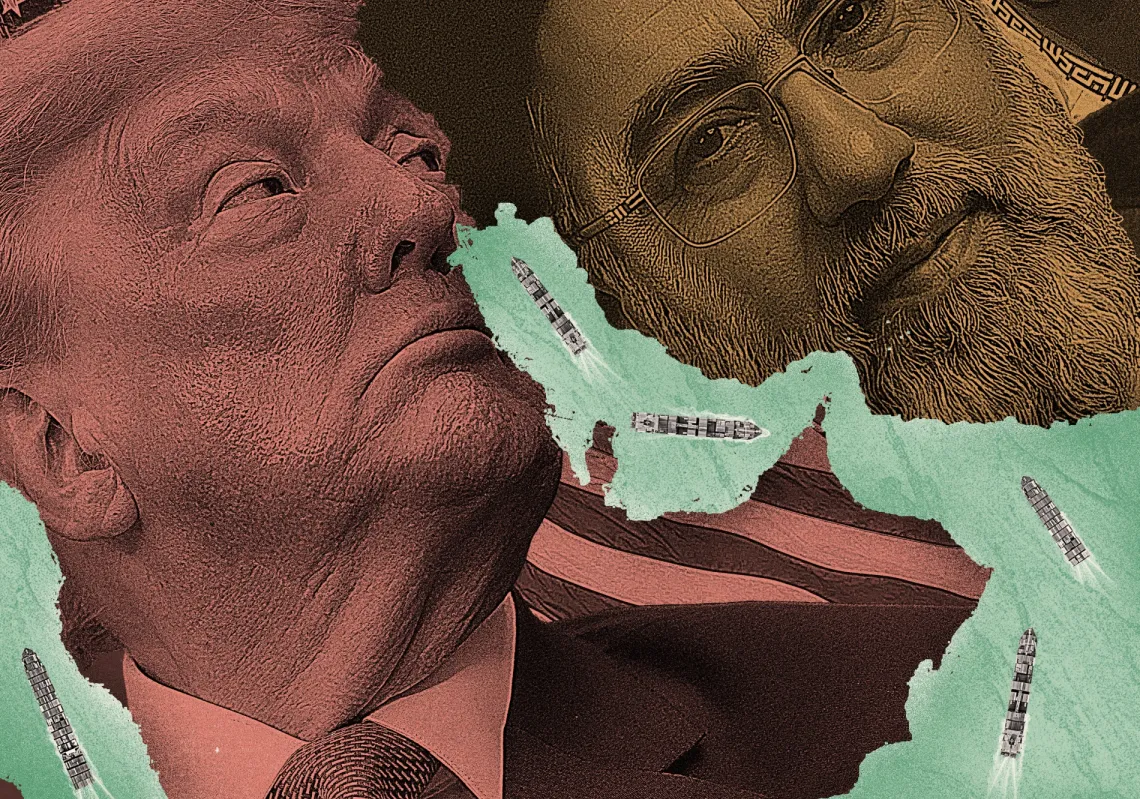
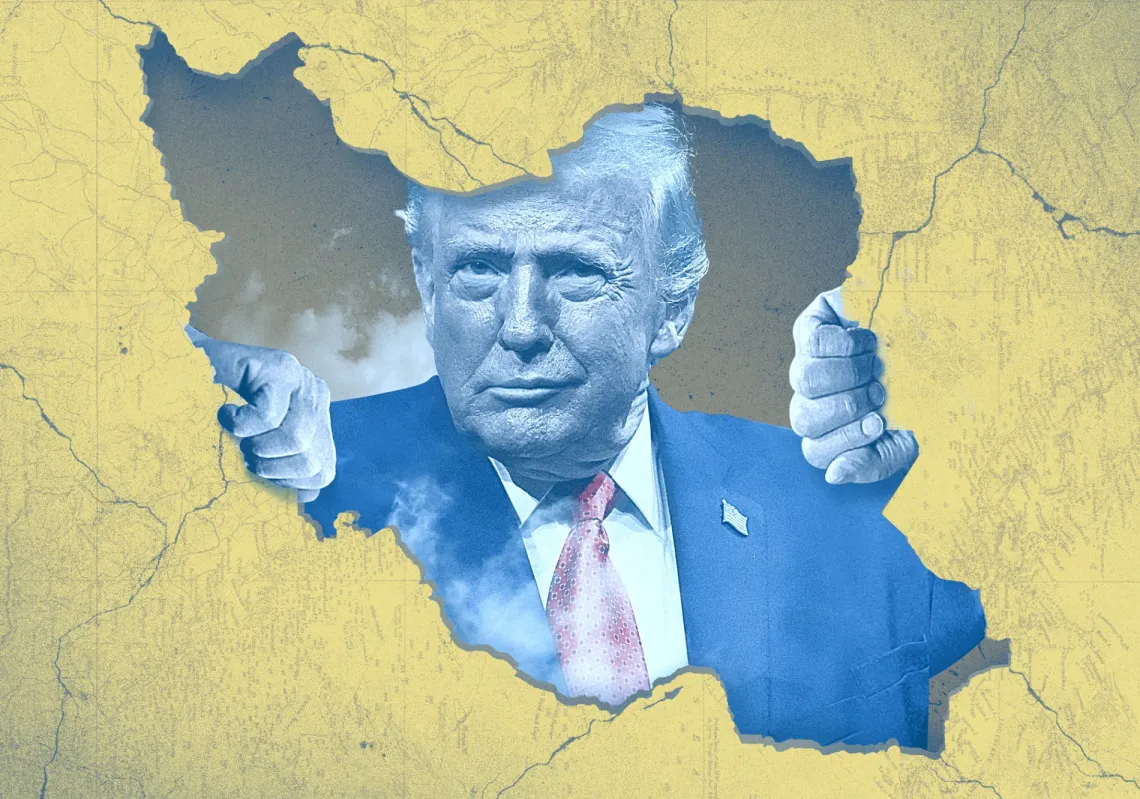
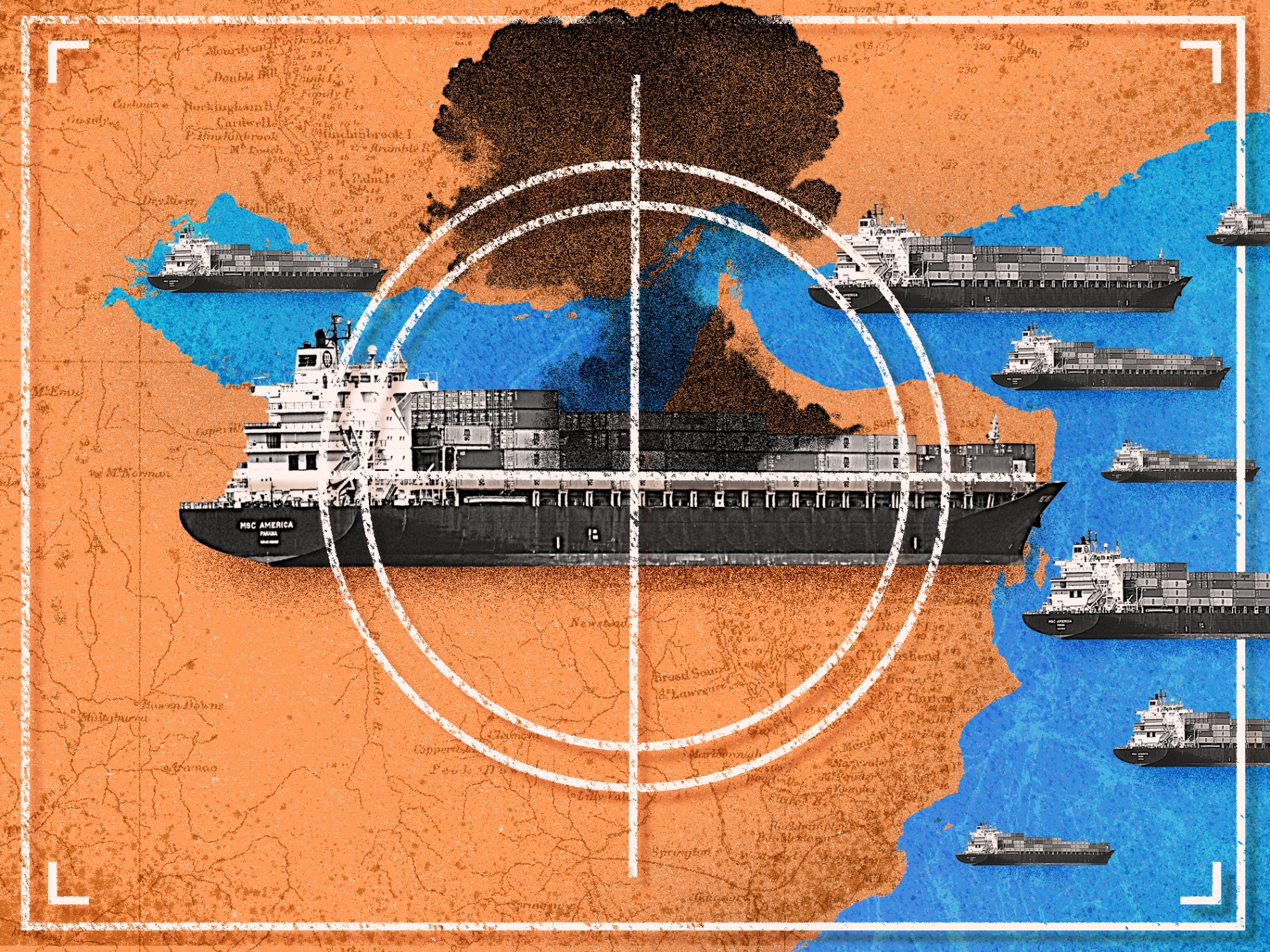
Trump's second presidential term has been drastically different. In February 2026, the US and Israel launched a regime-change war on Iran. Months later, the regime is still intact, and conflict has widened into a war of attrition, marked by intermittent strikes, on-and-off ceasefires and memoranda of understanding. The war has paralysed trade and commerce through key maritime chokepoints, and a sustainable resolution seems out of reach for now.
"المجلة"

Uptick elsewhere

In this context, American troops will likely be stationed in the region for the foreseeable future—just not in Iraq and Syria. In fact, there have been signs of an uptick in both their operational tempo and deployment cycle. Forces that once operated from Iraq and Syria have been replaced, supplemented, or repositioned by aircraft, warships, air-defence systems, bombers, tankers, and ground forces operating through a much broader network stretching from the Gulf to Europe and the Indian Ocean.

Last month, in August, the US Army extended the deployments of elements of the 82nd Airborne Division into 2027, as the conflict with Iran continued. Fighter squadrons are being rotated into the region to relieve units that have faced historically long deployments, stretching beyond the Air Force's traditional six-month cycle. Naval vessels deployed to the Middle East, like the USS Abraham Lincoln and USS Gerald Ford, broke national records for the longest time deployed at sea since the Vietnam War, only taking national calls and congressional pressure to temporarily relieve sailors of duty. The Iran war has transformed the geography of American power in the region.
As the US closes the chapter on the post-9/11 era, it has yet to close the book on its forward military posture in the Middle East

Over decades, the US has built up a network of military facilities, partnerships, and logistical arrangements across the Gulf and the wider Middle East. Bahrain hosts the US Fifth Fleet headquarters; in Qatar, the central hub for US Central Command (CENTCOM) is stationed at the Al Udeid Air Base. Meanwhile, Kuwait hosts the fourth-largest US military presence in the world, with assets and personnel stationed at key bases like Arifjan, Ali Al Salem, and Buehring. Jordan, Saudi Arabia, and the United Arab Emirates also host US personnel serving in air defence, reconnaissance, and expeditionary missions.

The sites differ from those in Syria and Iraq in that they are not simply remnants of the post-9/11 era, but part of a broader security architecture designed to project US power, defend partners, protect maritime commercial activity and freedom of navigation, and deter or respond to threats across the region. These installations have become all the more critical for the Trump administration to wield in the aftermath of the US war against Iran—ultimately reversing its strategy of burden shifting and conducting an immediate draw-down from the Middle East at large.

Ammar Karim / AFP
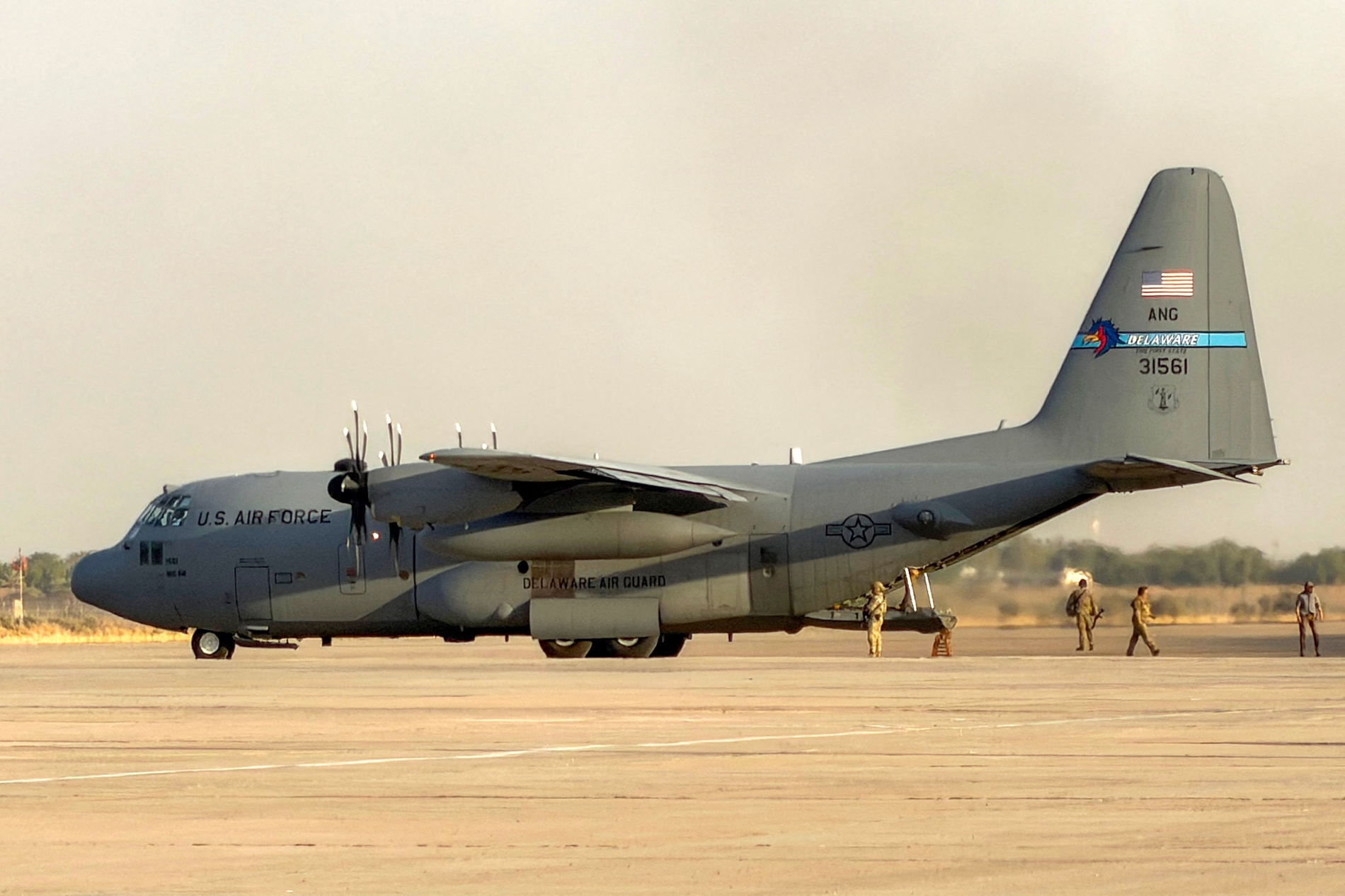
A US Air Force C-130 Hercules prepares for takeoff from Camp Victory on the outskirts of Baghdad International Airport on 29 September 2026. After more than a decade, the US-led coalition is ending its mission in Iraq.

Different model

This is why 30 September should be understood less as an American exit from the Middle East than as the end of a particular model of US intervention. The emerging model in the wake of the post-9/11 era is proving much different. It is less about occupation, dependence on singular missions, and counterinsurgency and more about access, deterrence, intelligence, air and missile defence, maritime security, special operations, and partnerships with regional governments.

The emerging model that has become apparent in the wake of the Iran war has proven it does not need large permanent ground formations in Iraq or Syria to maintain regional presence, but instead can draw upon a network of bases, access agreements and logistical hubs that allows American power to move rapidly into the theatre when deemed necessary.

This model is—just like the post-9/11 counter-terrorism model—also unsustainable for the US. A smaller, more rotational and flexible footprint in the Middle East does not necessarily translate into smaller military commitments for Washington. The US may no longer have thousands of troops conducting a counterinsurgency campaign in Iraq and Syria, but the war in Iran has demanded the retention of tens of thousands of personnel, American aircraft used from bases across Europe and the Middle East, rapid-response units remaining in theatre, warships deployed at sea for extraordinary lengths of time, extended air-defence units, and even sensitive agreements to operate bomber missions from partner country military installations.

AFP
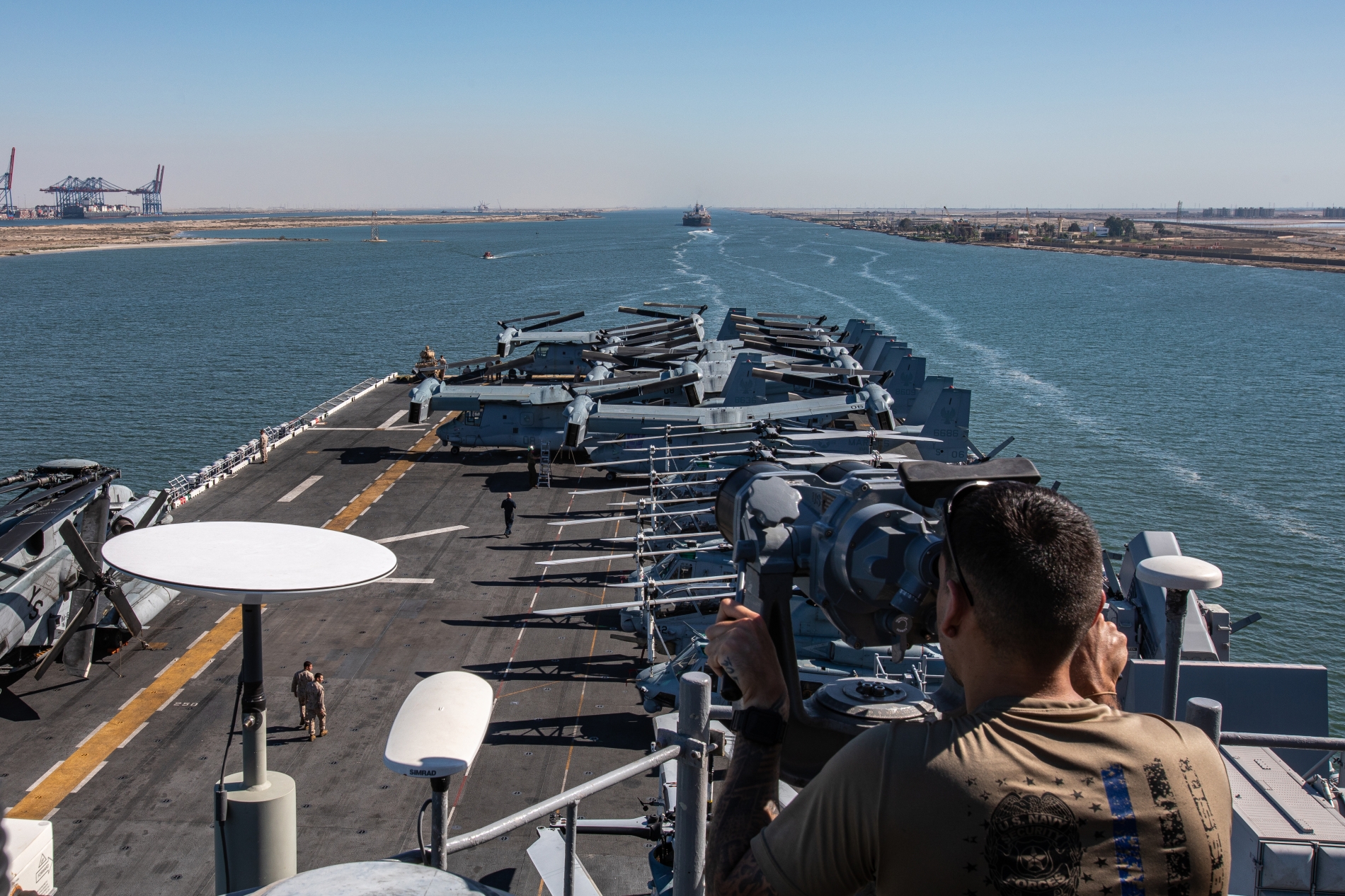
The USS Bataan (LHD 5) amphibious assault ship transits the Suez Canal. More than 3,000 US military personnel have arrived in the Red Sea aboard two warships, part of a beefed-up response after tanker seizures by Iran.

Less troops, not less responsibility

A smaller footprint can produce a smaller strategic burden if and only if Washington continues to reduce its security commitments across the region. The US may have fewer troops permanently stationed in the Levant, but it remains responsible for defending bases, partners and interests in the broader region at large. These forces still consume resources, expose American personnel to risks from malign regional actors, and create defence and political obligations that can pull Washington deeper into regional conflicts. The war with Iran has demonstrated how quickly those commitments can generate demands for additional forces, air defences, aircraft, naval assets and extended deployments.

The Pentagon has reportedly begun examining whether the post-Iran war chapter should feature a smaller military footprint in Arab Gulf countries. In August, officials acknowledged that the department was evaluating its military footprint, including whether to reduce forces at vulnerable military bases that had come under Iranian attack. 

As Washington assesses its options, the question remains whether Washington can remain steadily engaged in the Middle East without once again becoming trapped by the commitments it built to prevent major, costly escalation. The distinction between deterrence, counter-terrorism, and geopolitical competition becomes harder to sustain when deployments designed to be temporary extend immeasurably, particularly while American forces are involved in an open-ended confrontation with Iran.

As the US closes the chapter on the post-9/11 era, it has yet to close the book on its forward military posture in the Middle East.

font change