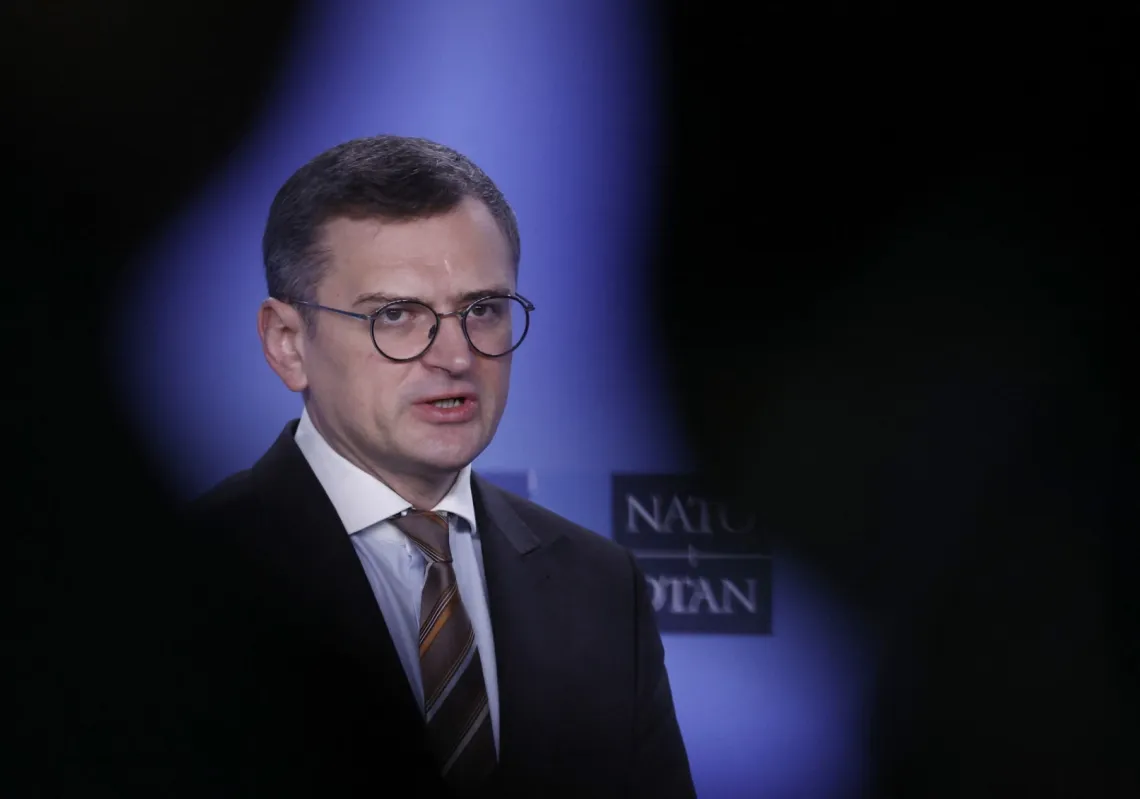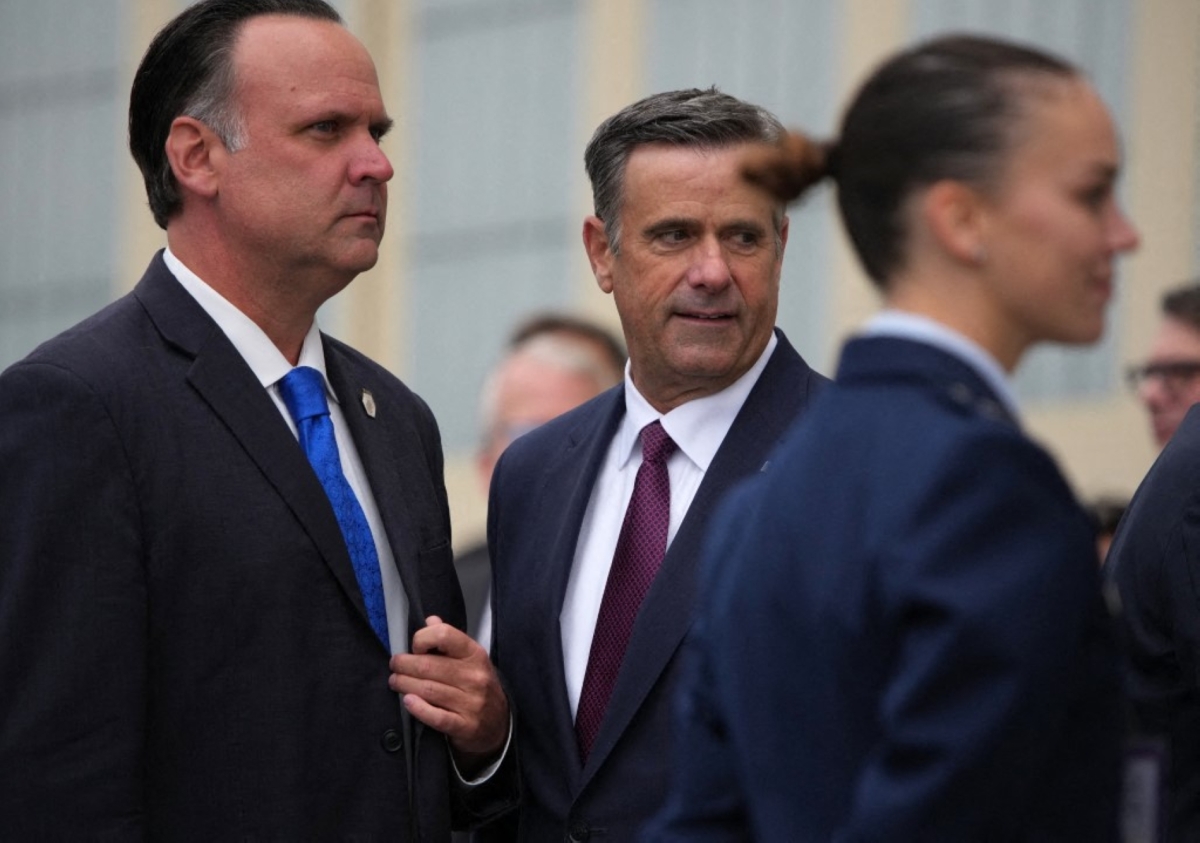

The surprise arrival of CIA Director John Ratcliffe in Moscow has heightened fears of a direct confrontation between Russia and the West. The visit follows reports earlier this month that there is deepening concern among US intelligence officials that Moscow could attack a NATO country within weeks to test the alliance’s resolve.
According to a report in The Wall Street Journal, some in Washington fear that Russia might mount a small land incursion or launch cyberattacks across Eastern Europe any time from this autumn to 2029. If true, this is a significant development, given that previous intelligence assessments concluded that Putin would not attack NATO while Russia was still fighting a war with Ukraine.
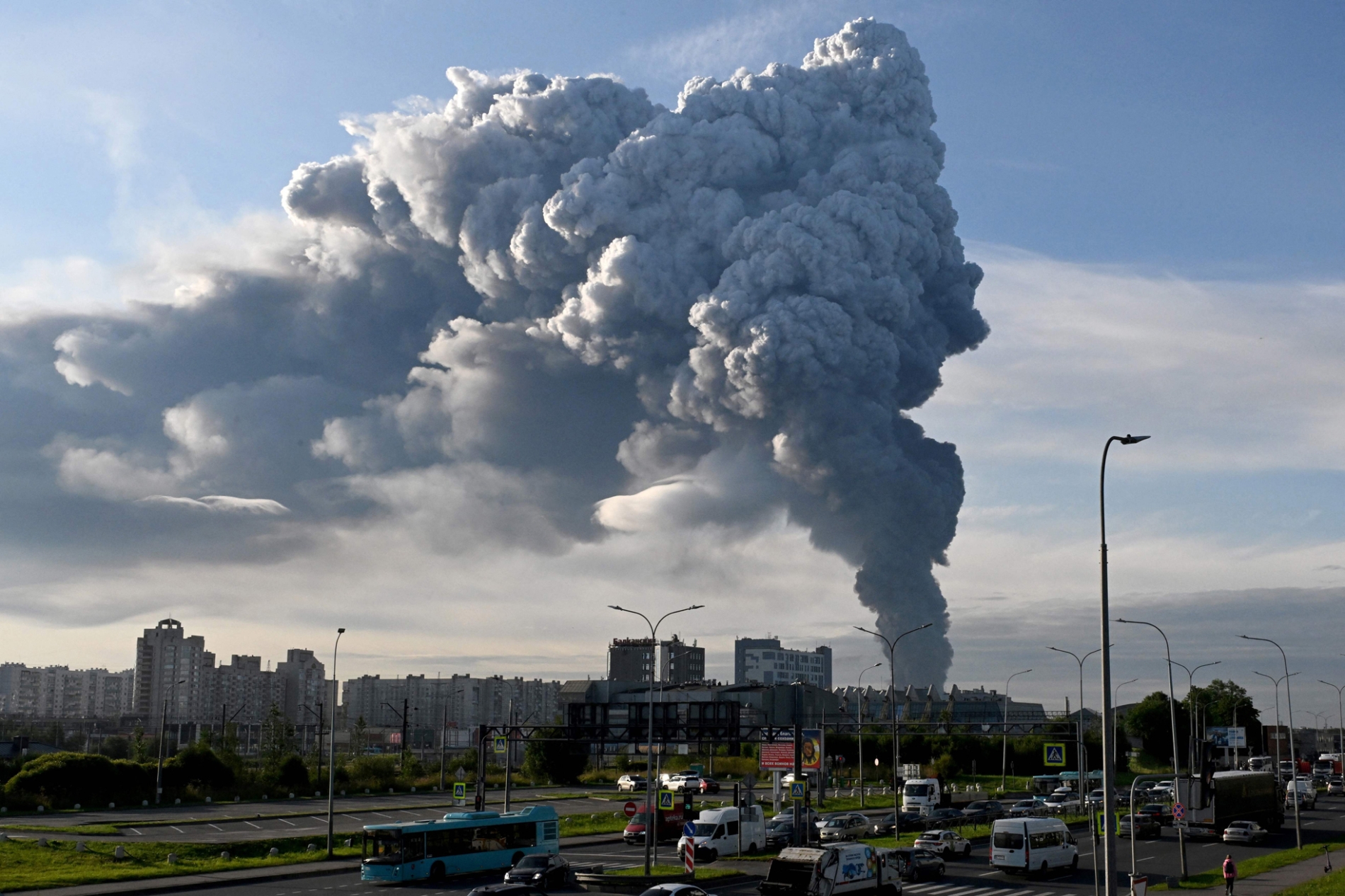
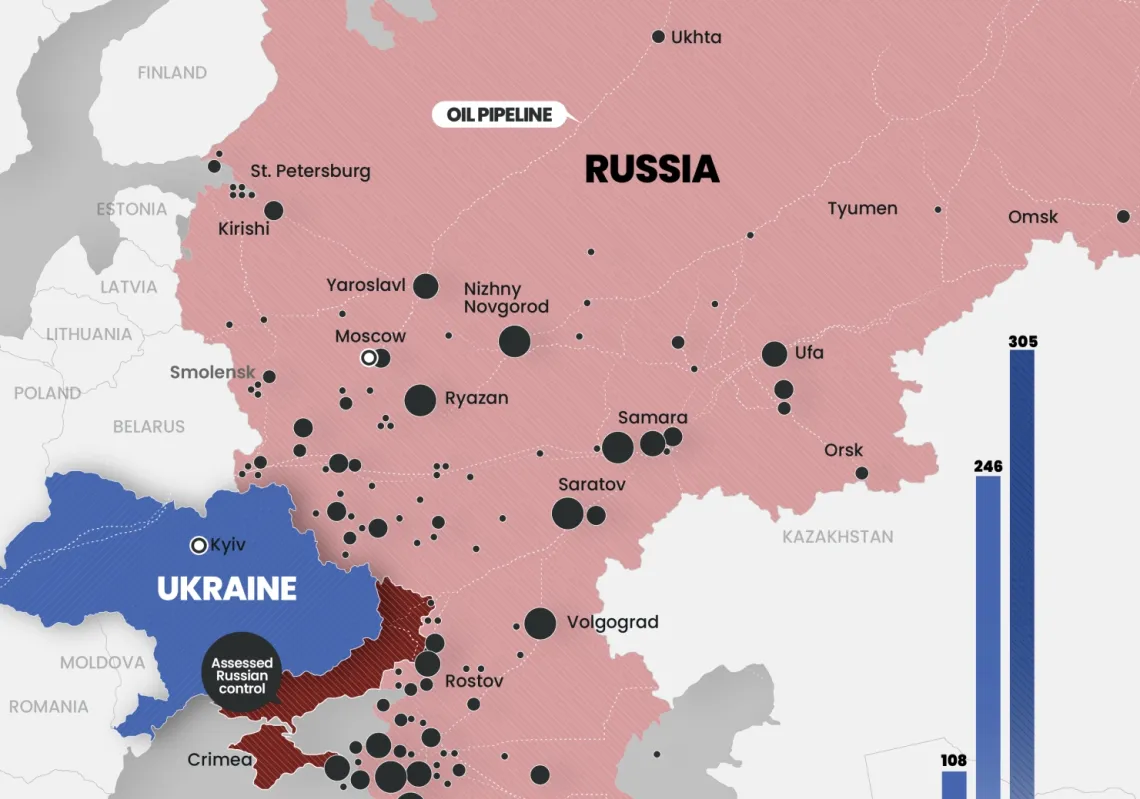
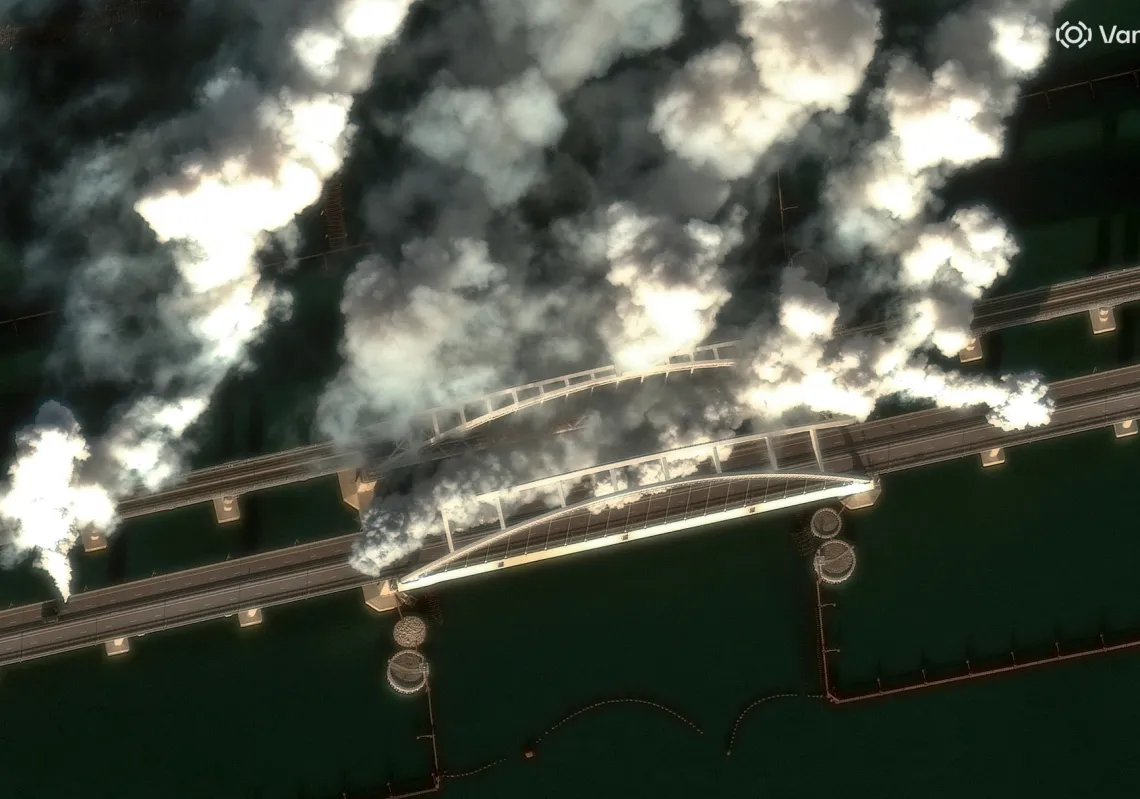
The prospect of Russian President Vladimir Putin opening up a new front comes as Ukraine, which relies heavily on Western support in its long-running war against Russia, has inflicted serious damage on Russian infrastructure, with its missiles and drones regularly attacking key oil production facilities. The attacks have brought home to ordinary Russians the brutal consequences of a conflict that began in February 2022 when Putin first launched his “special military operation” against Ukraine.
With Putin facing heat at home over the surge in attacks on Russian soil, there are mounting concerns that he could launch an attack against NATO, with the aim of deterring NATO states from maintaining their support for Ukraine as the war nears its fifth anniversary. Moscow has recently warned that NATO countries that are supplying Ukraine with drones and other military equipment could face serious repercussions if they continued their support for Kyiv’s war effort.
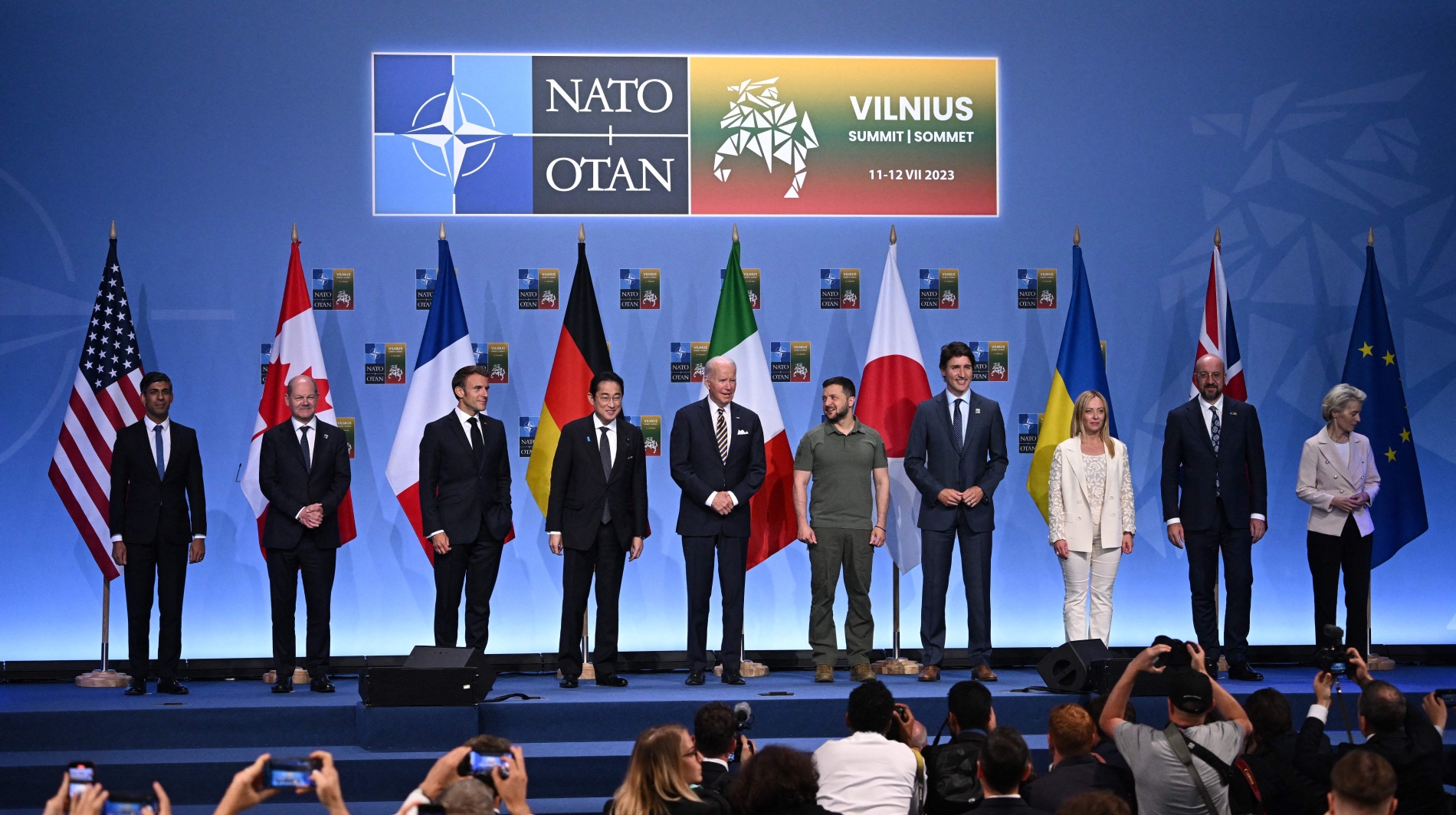
But such a move by Russia would be fraught with danger, not least because it would most likely trigger Article Five of the NATO Treaty, which states that an armed attack on one member is considered an assault against all. Any attack by Russia against a NATO member state in eastern Europe or the Baltics could lead to a direct military confrontation between Russia and the West—one that could potentially result in the outbreak of World War III.
Preventing Armageddon
The surprise visit by the American CIA director to Moscow is therefore being seen as a desperate attempt by the Trump administration to head off this doomsday scenario. The last time the head of America’s overseas intelligence service undertook such a mission was back in 2021 when William Burns, the then CIA chief, flew to Moscow to warn Russia against attacking Kyiv. The warning fell on deaf ears, and Putin launched a full-scale invasion of his neighbour a few weeks later.