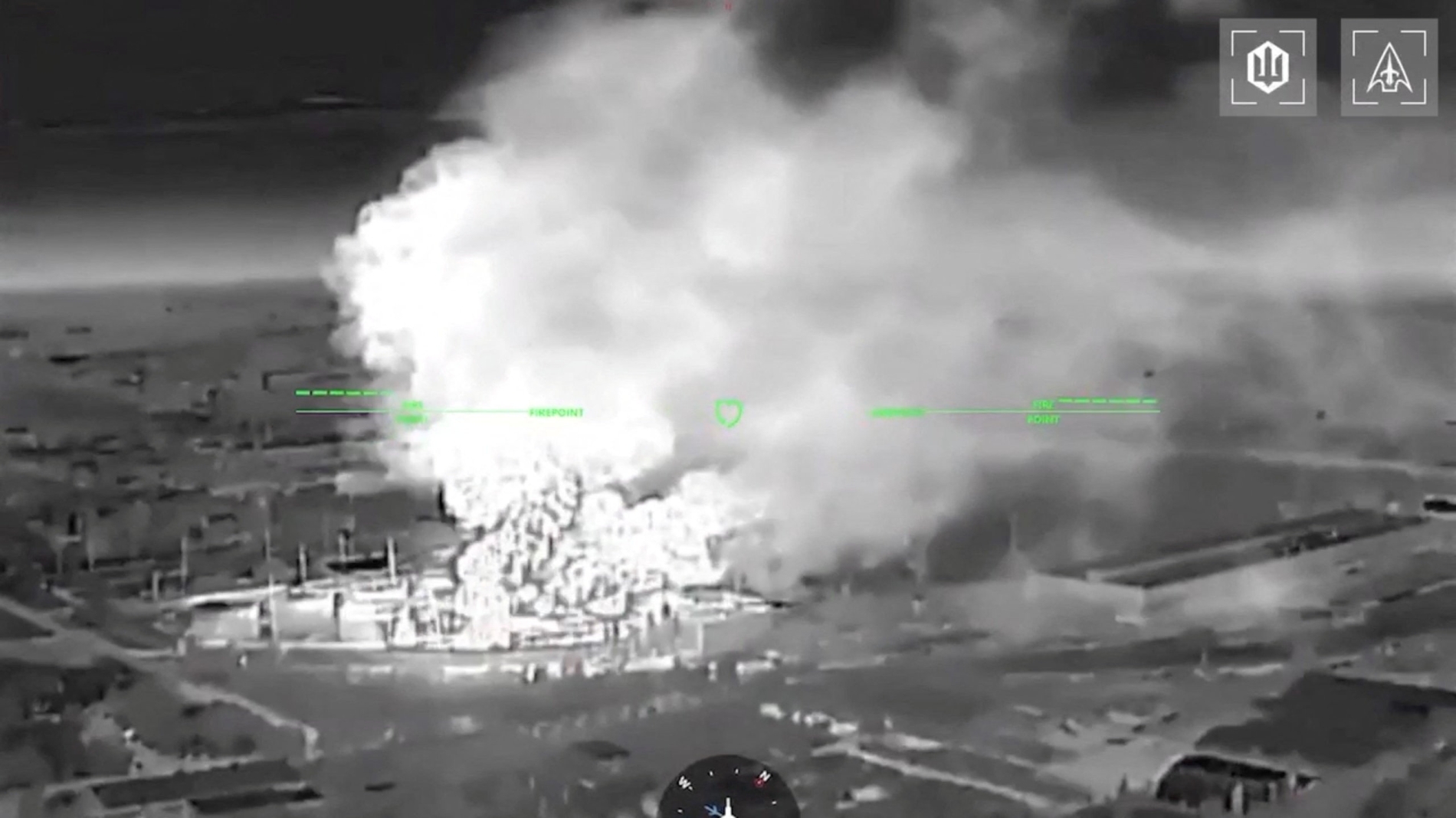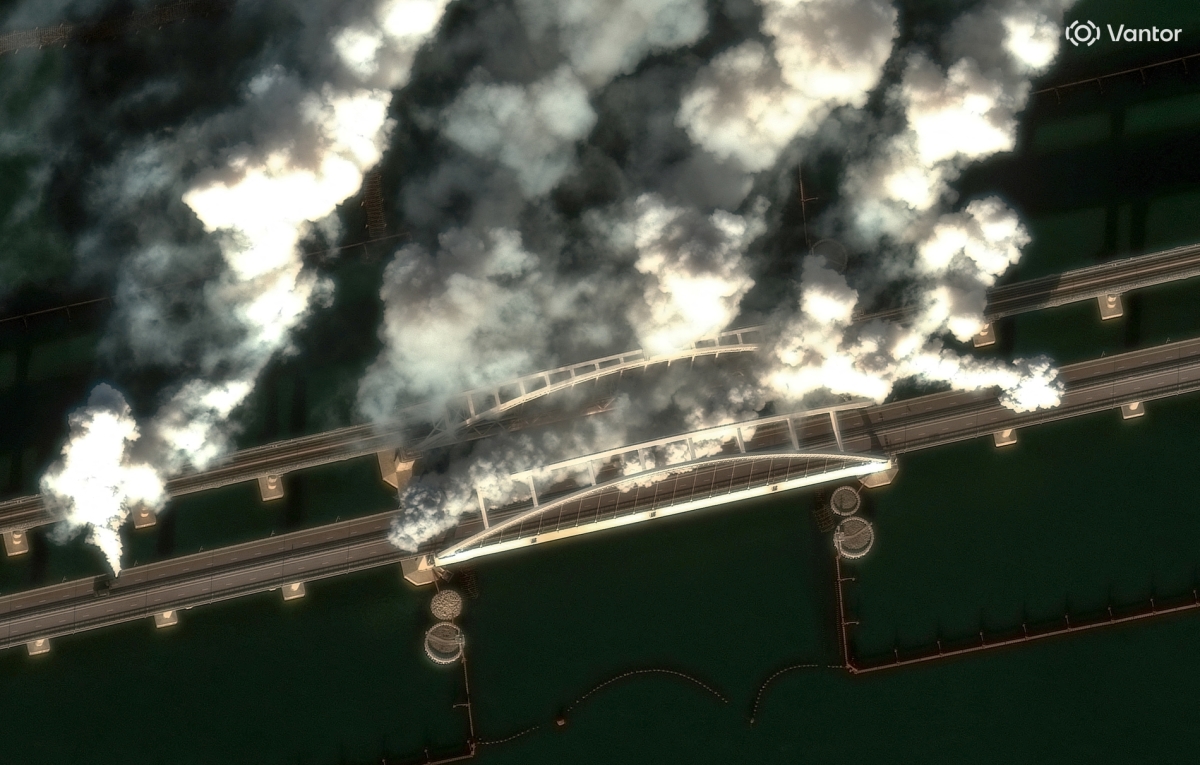

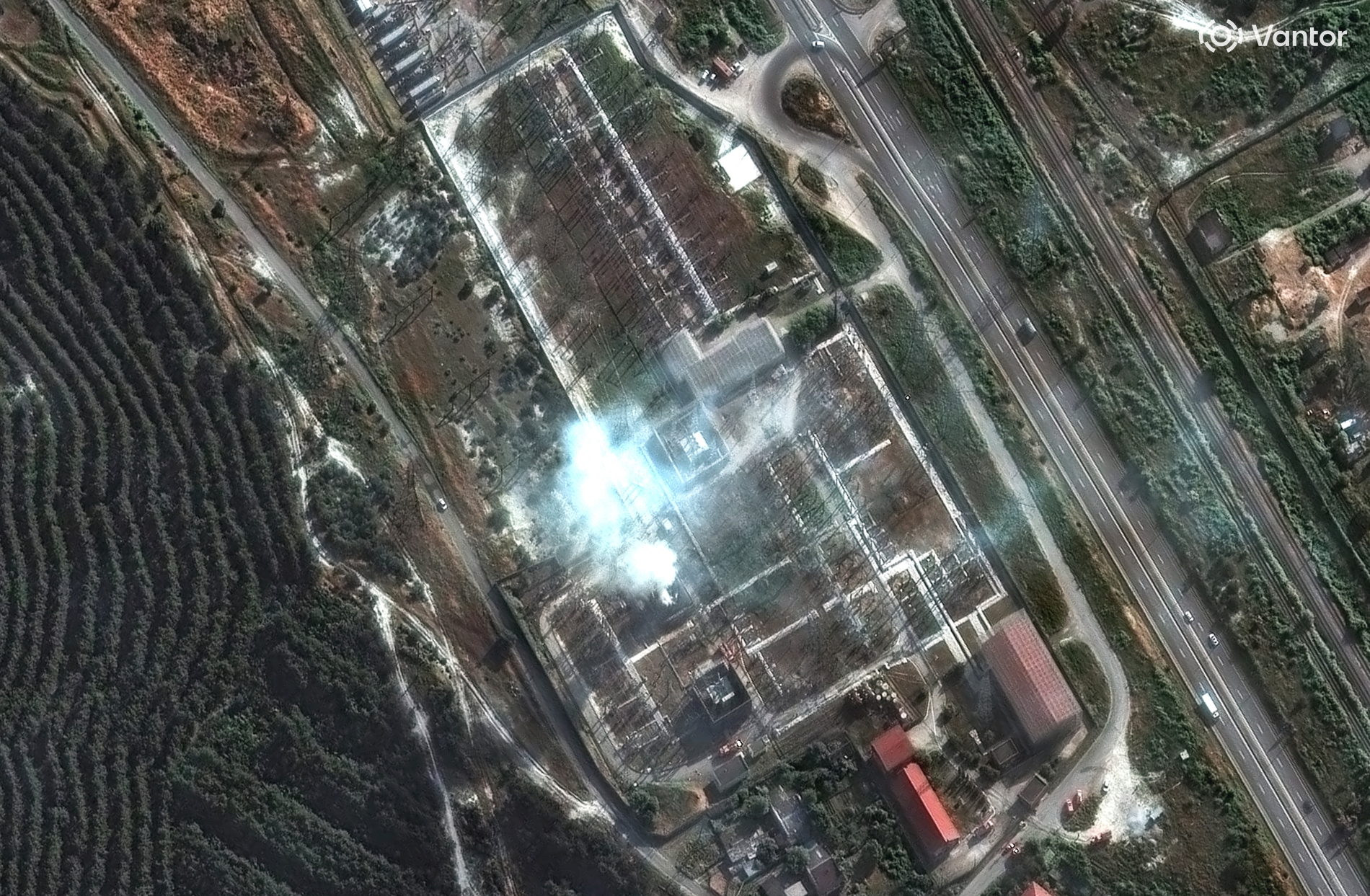
On the night of 19 June 2026, Ukraine’s attacks on the Crimean Peninsula and the area around the Kerch Strait were more than just another wave of drone strikes. According to British military intelligence, the targets were air-defence systems, fuel storage facilities, and three ferries used to transport people and goods between Russia and Crimea. They successfully disrupted supplies to the vital peninsula, resulting in fuel shortages and straining electricity and transport networks.
The significance of these strikes lies in what they reveal. Drones are moving from a tactical frontline tool to a weapon capable of striking the infrastructure that allows Russia to sustain its war. In Ukraine, the military value of a drone is no longer measured solely by its ability to destroy a tank or attack a fighting position, but in its capacity to disable a bridge, ferry, fuel depot, or air-defence system. Drones are now part of a wider war on logistical networks, not just military targets.
The Crimea attacks were also notable for the types of drones involved. Alongside the small FPV (First-Person View) drones that have transformed the daily rhythm of fighting, Ukraine has expanded its use of medium- and long-range fixed-wing drones which can carry heavier warheads, fly farther, and hit targets well beyond the frontline.
Cost and capability
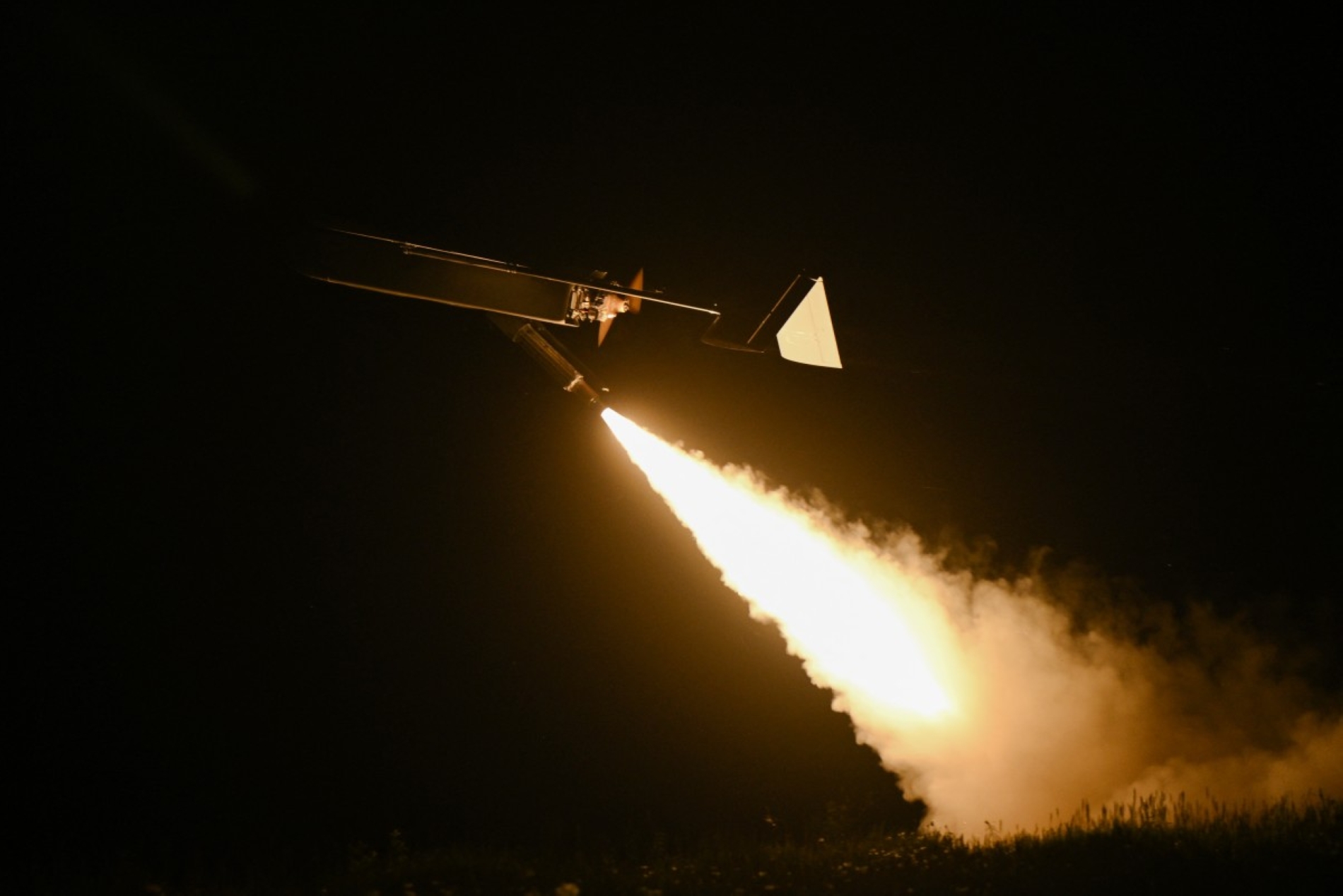
Among the models that embody this shift are drones produced by the Ukrainian company Fire Point, particularly the FP-2, which was developed to combine range, payload, and affordability when compared with conventional missiles. Recent developments include more advanced navigation and targeting capabilities, including elements linked to Artificial Intelligence (AI), but the finer details are being kept secret for now.
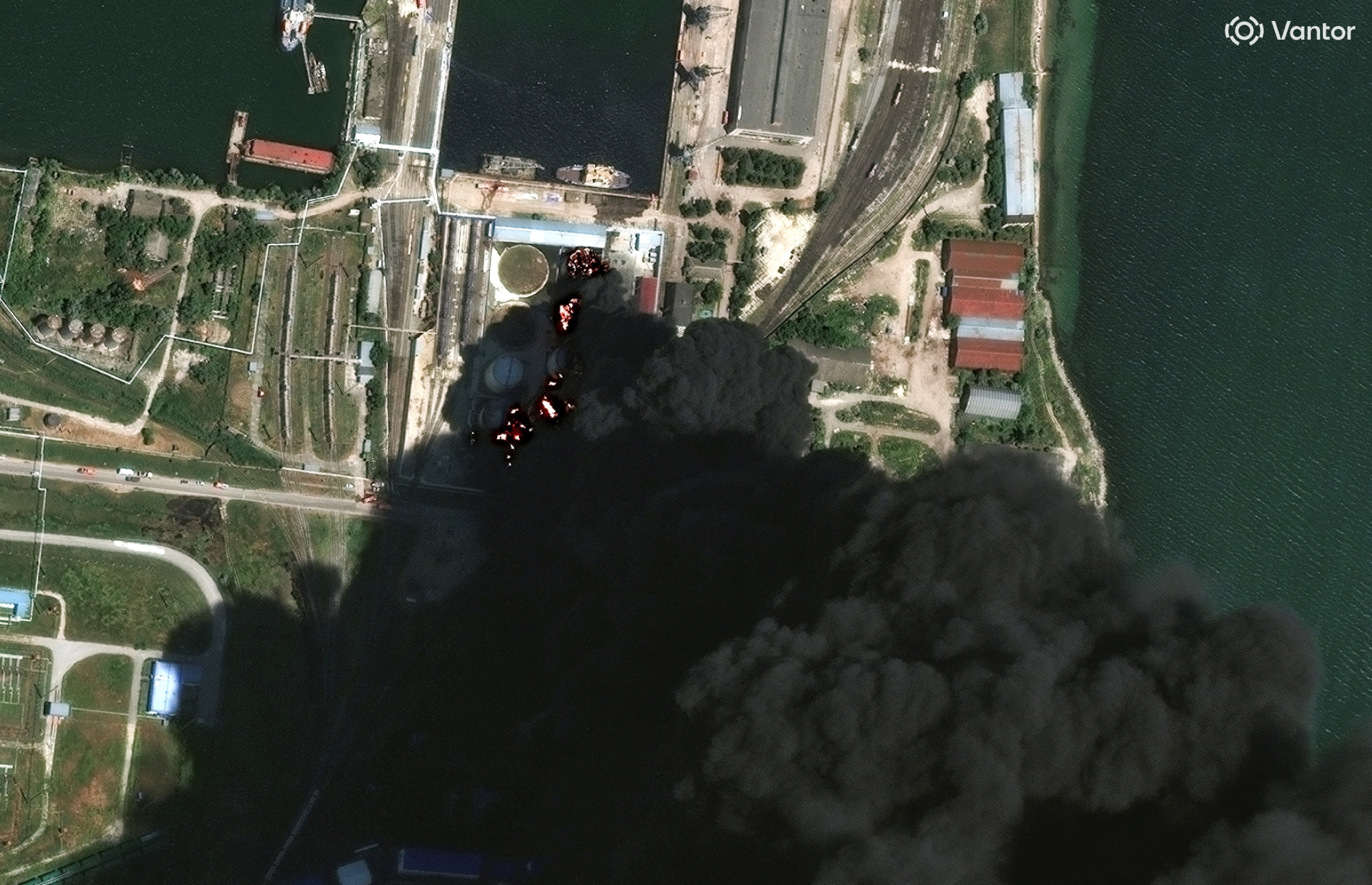
It gives Ukraine an advantage not because it suddenly has a wonder weapon, but because these drones are cheap, effective, replicable, and scalable. Rather than wait for limited Western missiles or rely on small drones carrying smaller payloads, Kyiv is developing models capable of striking the chokepoints on which Russia depends on in Crimea. These include bridges, ferries, fuel depots, air defences, and transport corridors. As a result, Crimea—which Moscow felt was a secure rear base and a platform for directing operations in the south—is gradually becoming an exposed theatre of attrition.
The attacks show that Ukraine is no longer using drones as small aircraft to strike targets near the frontline. Their new drones are larger, fly further, pack more of a punch, and are equipped to bypass electronic jamming. In essence, Ukraine is building an intermediate layer between the small, cheap, agile drones and the more powerful but expensive missiles that can be subject to political constraints in their targeting.
Filling a gap
The new drones are not as destructive as a missile, but can reach far beyond the frontline, carrying a charge sufficient to disable a logistical target. The upgraded FP-2 is fitted with a new wing and integrated fuel tank, allowing it to carry a 200kg warhead about 370km. Lighter 105kg warheads can travel around 700km. Range matters because it brings bridges, crossing points, and fuel depots within striking distance without requiring the use of an expensive long-range missile.
The FP-1 is designed for deep strikes, trading a heavier payload for greater range. Its upgraded versions can reach roughly 2,700km when fitted with an additional fuel tank integrated into the wing. This indicates that Ukraine is working to distribute roles across several drone types—a long-range drone to strike deep inside Russia, and a heavier medium-range drone to hit closer but more difficult targets.
Alongside these systems, the ‘Behemoth’ or ‘Hippo’ has appeared in connection with strikes on Crimean bridges. Available reports indicate that this drone carries a composite warhead combining a high-explosive charge with a thermobaric charge, with a total weight of roughly 75kg. This type of payload is designed to inflict enough damage on the surface of a bridge, crossing point, or supply road to force Russia to close it and divert traffic.
Here, the importance of range and payload becomes clear. The real value of a drone capable of flying between 300-600km lies in its ability to reach a sensitive logistical node while carrying a charge powerful enough to disable it. In Crimea, this means that Ukraine can strike supply routes that are not directly on the combat line. The drone thus becomes a weapon against the supply network.
Using technology
The incorporation of AI does not equate to a fully autonomous weapon. Rather, AI assists with navigation, visual recognition, or engagement with the target in the final phase of flight. The importance of this development is tied to electronic warfare. Russia relies on jamming to disrupt navigation signals and communications between the drone and its operator. If the drone is less dependent on continuous communication, acting with a greater degree of autonomy, then it is less susceptible to jamming.