Why Ratcliffe's secret visit to Moscow is concerning

The American CIA director's visit looks to be a desperate attempt by the Trump administration to avert a doomsday scenario in which NATO is pulled into a larger war with Russia

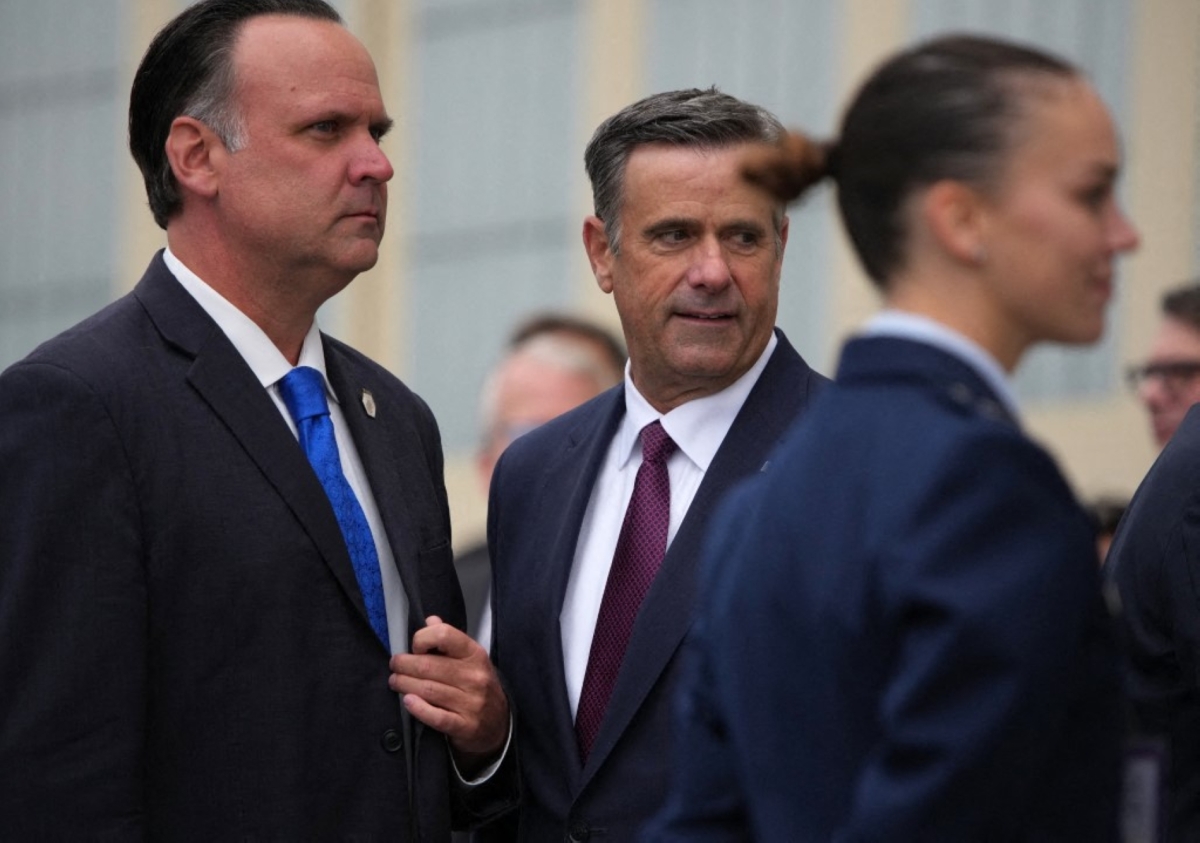
CIA Director John Ratcliffe at Joint Base Elmendorf-Richardson on 15 August 2025, in Anchorage, Alaska, where Donald Trump met with Vladimir Putin for peace talks aimed at ending the war in Ukraine.
ANDREW HARNIK / AFP
CIA Director John Ratcliffe at Joint Base Elmendorf-Richardson on 15 August 2025, in Anchorage, Alaska, where Donald Trump met with Vladimir Putin for peace talks aimed at ending the war in Ukraine.

Why Ratcliffe's secret visit to Moscow is concerning

The surprise arrival of CIA Director John Ratcliffe in Moscow has heightened fears of a direct confrontation between Russia and the West. The visit follows reports earlier this month that there is deepening concern among US intelligence officials that Moscow could attack a NATO country within weeks to test the alliance’s resolve.

According to a report in The Wall Street Journal, some in Washington fear that Russia might mount a small land incursion or launch cyberattacks across Eastern Europe any time from this autumn to 2029. If true, this is a significant development, given that previous intelligence assessments concluded that Putin would not attack NATO while Russia was still fighting a war with Ukraine.

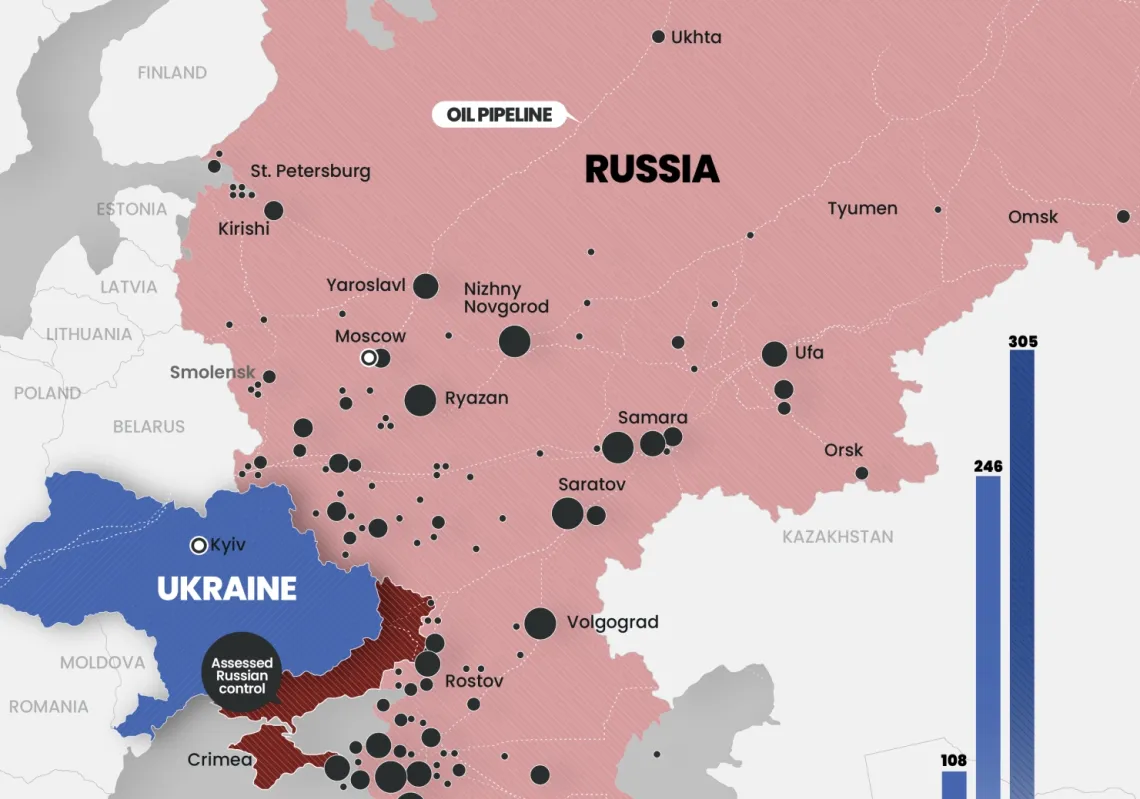
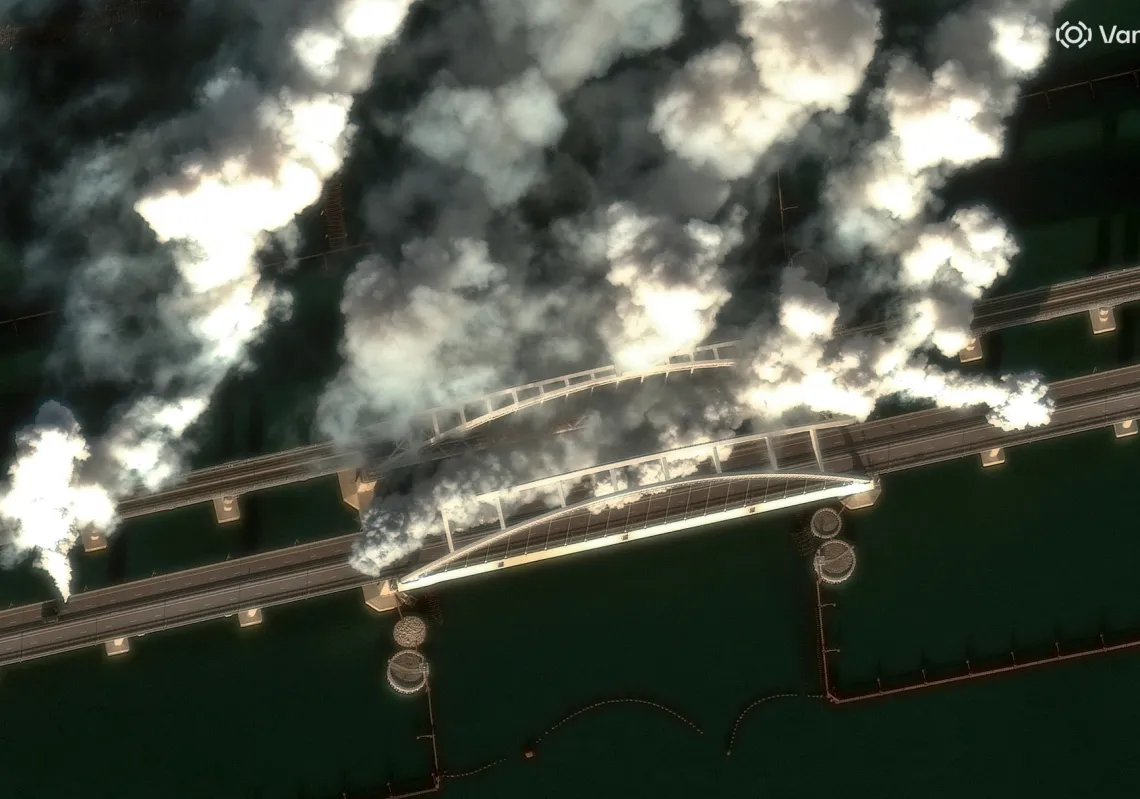
The prospect of Russian President Vladimir Putin opening up a new front comes as Ukraine, which relies heavily on Western support in its long-running war against Russia, has inflicted serious damage on Russian infrastructure, with its missiles and drones regularly attacking key oil production facilities. The attacks have brought home to ordinary Russians the brutal consequences of a conflict that began in February 2022 when Putin first launched his “special military operation” against Ukraine.

With Putin facing heat at home over the surge in attacks on Russian soil, there are mounting concerns that he could launch an attack against NATO, with the aim of deterring NATO states from maintaining their support for Ukraine as the war nears its fifth anniversary. Moscow has recently warned that NATO countries that are supplying Ukraine with drones and other military equipment could face serious repercussions if they continued their support for Kyiv’s war effort.
Paul ELLIS /  AFP
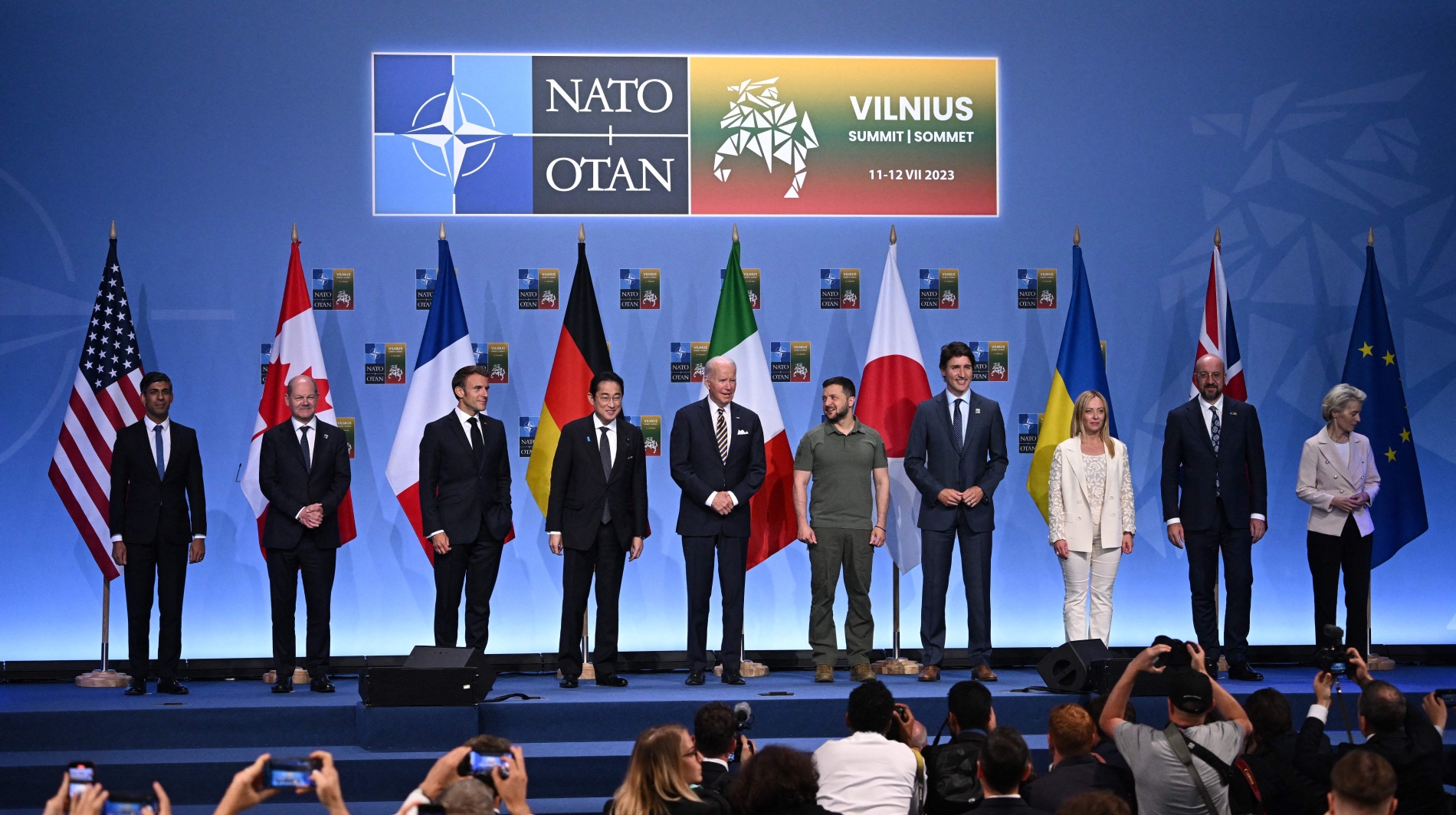
US President Joe Biden and mainly Western leaders agree a Joint Declaration of Support for Ukraine during the NATO Summit in Vilnius on 12 July 2023.

But such a move by Russia would be fraught with danger, not least because it would most likely trigger Article Five of the NATO Treaty, which states that an armed attack on one member is considered an assault against all. Any attack by Russia against a NATO member state in eastern Europe or the Baltics could lead to a direct military confrontation between Russia and the West—one that could potentially result in the outbreak of World War III.

Preventing Armageddon

The surprise visit by the American CIA director to Moscow is therefore being seen as a desperate attempt by the Trump administration to head off this doomsday scenario. The last time the head of America’s overseas intelligence service undertook such a mission was back in 2021 when William Burns, the then CIA chief, flew to Moscow to warn Russia against attacking Kyiv. The warning fell on deaf ears, and Putin launched a full-scale invasion of his neighbour a few weeks later.
Sending its CIA chief to Moscow shows the seriousness with which the US views recent intelligence reports of a Russian attack on NATO.

Ratcliffe's eight-hour visit was "primarily to warn Russia against any escalatory action against the Baltic states", but also to push Moscow to reduce military and economic support for Iran, according to US intelligence sources. For its part, the Kremlin confirmed that Ratcliffe had held talks with Russian intelligence officials, but had not met Putin. Seeking to downplay the significance of his spy chief's visit, US President Donald Trump said the trip was "semi-routine".

No laughing matter

Nevertheless, sending its key intelligence official to Moscow underlines the seriousness with which the US and its allies are viewing the recent intelligence reports. From the start of the Ukraine conflict, a key US aim has been to prevent the war from expanding into a direct confrontation between Russia and NATO. While Washington and its allies have been willing to support Ukraine's war effort, they have done so on the basis that most of their military support is aimed at strengthening Kyiv's defensive capabilities.

But in recent months, the nature of the conflict has changed dramatically, with the Ukrainian military moving from a defensive to an offensive posture—a move facilitated by Kyiv's success in producing its own drones and long-range missiles. This has allowed it to strike targets deep inside Russia, bringing war to the doorsteps of ordinary Russians.

AFP
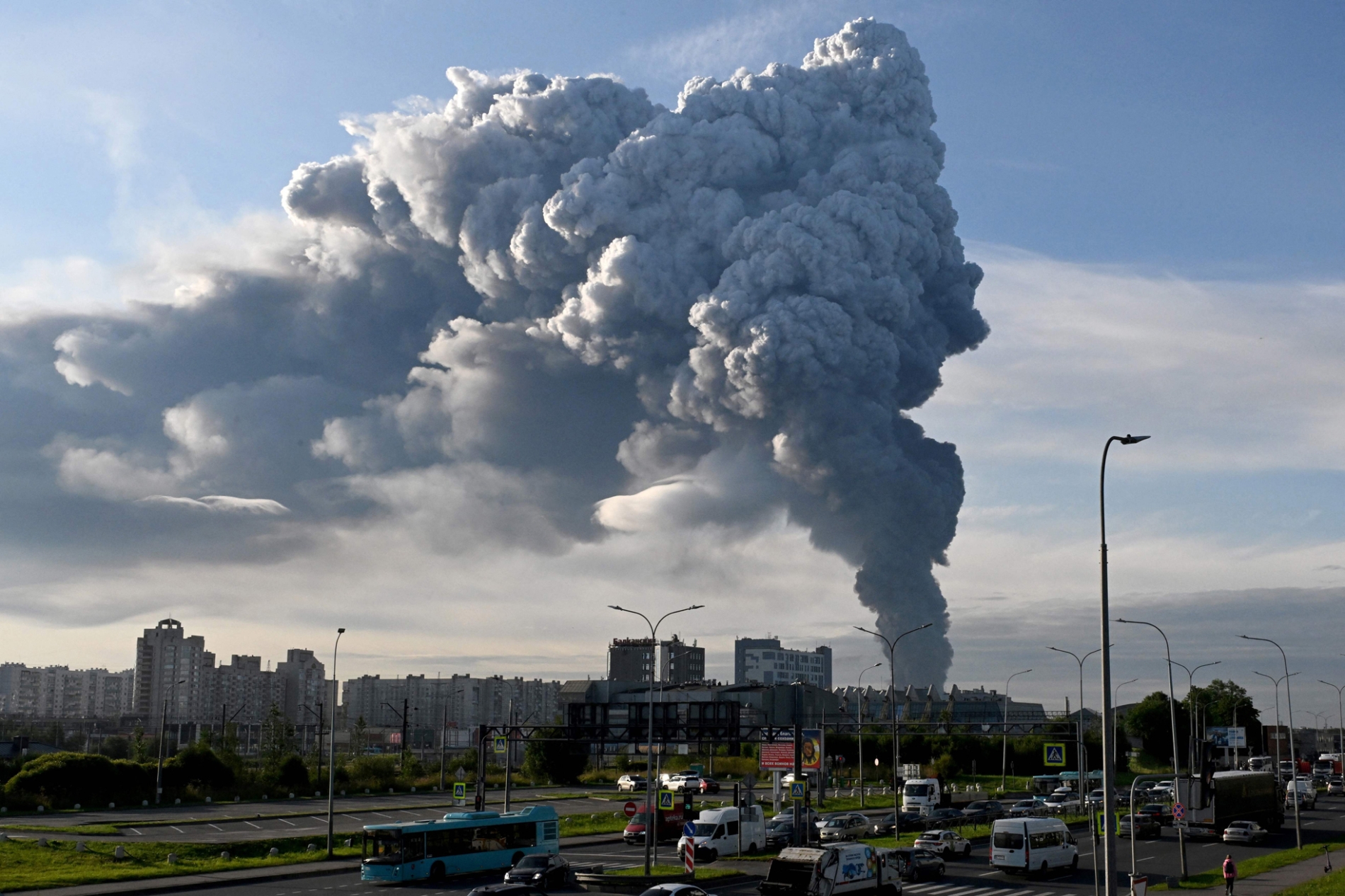
Smoke rises above residential buildings from a commercial warehouse in St. Petersburg, Russia, on 24 July 2026.

Ukraine's success has prompted Moscow to look for new ways to undermine Western support for Kyiv. It has issued a range of hybrid threats aimed at testing NATO's red lines. These have included cyberattacks as well as direct military action. Earlier this month, a Russian missile landed in Poland, while three explosive drones were found at Germany's Leipzig airport—a major logistics hub for NATO and Ukraine.

Plans for escalation

Without any signs of a breakthrough on the battlefield in Ukraine, US officials believe Putin may attempt to escalate tensions by mounting a small land incursion— probably into a Baltic nation—or launching cyberattacks across eastern Europe. At the same time, the Kremlin is reportedly planning to escalate its missile and drone attacks against Ukraine in an attempt to further sap the morale of its citizens.

A recent report published by Bloomberg, which quoted Kremlin officials, said one option under consideration was to intensify powerful ballistic missile attacks on Kyiv, including the centre of Ukraine's capital, as well as infrastructure sites in other cities. Putin has claimed that, by launching a series of attacks against key Russian infrastructure, Ukraine has "opened this Pandora's box", and warned that Russia would respond by attacking "your most sensitive sectors of the economy."

font change