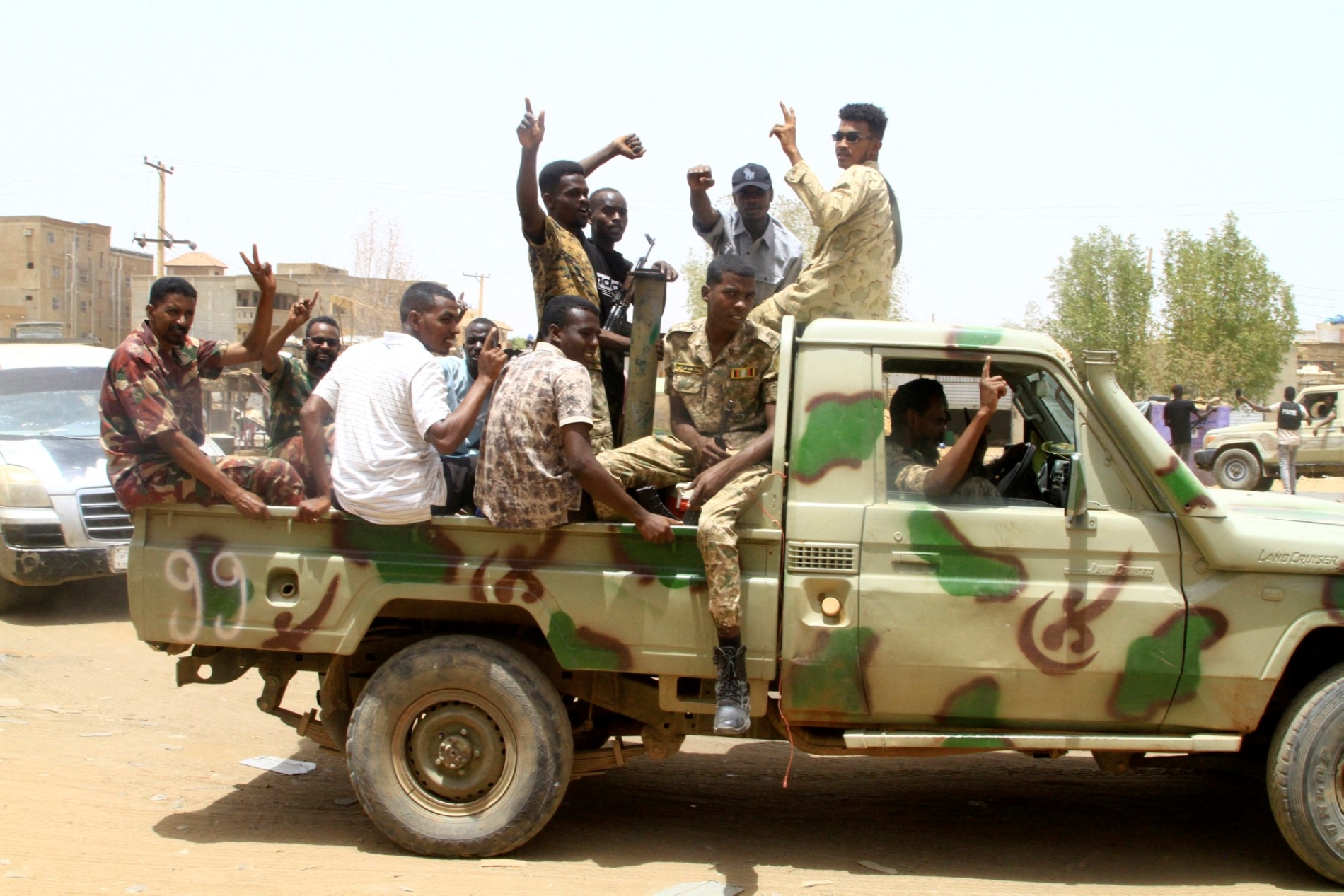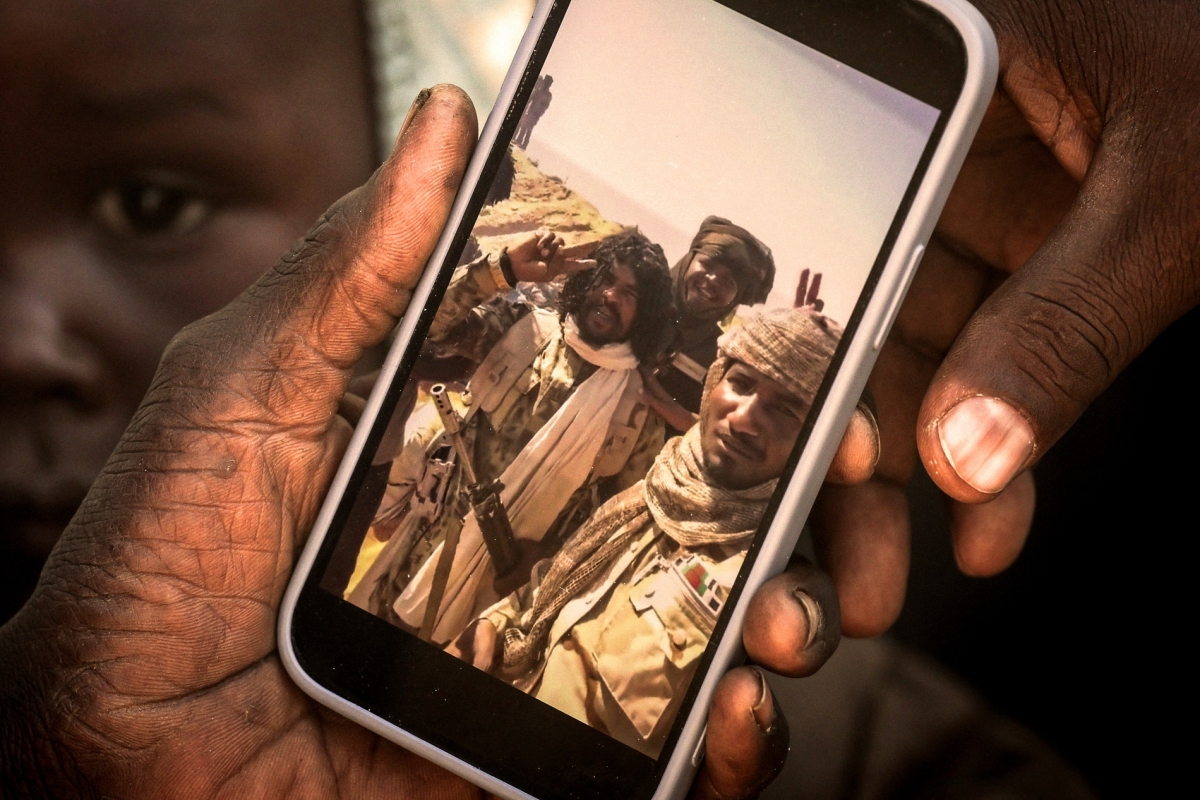

A flurry of defections from a powerful Sudanese militia, combined with a recent military victory by the Sudanese Armed Forces in the south, has led some to wonder whether the tide may finally be turning in one of Africa’s deadliest civil wars.
It comes after the army said it had recaptured the town of Khor Hassan in the south-eastern Blue Nile state, which borders Ethiopia. The region, which has become a flashpoint, is key geographically, as it provides direct access to central Sudan. It is also mineral-rich, with gold deposits.
Since April 2023, the Rapid Support Forces (RSF), led by Mohamed Hamdan Dagalo (known as Hemedti), has battled the Sudanese Armed Forces (SAF) in a brutal conflict. The RSF finally seized all of Darfur, a huge region in the west, late last year with the siege and capture of the regional capital, El Fasher.
The RSF has used extermination, looting, terror, and forced displacement as part of its methods, killing around 6,000 people in just three days in October, in what many have described as war crimes. With financial and logistical support from Ethiopia and the United Arab Emirates (both of which deny helping), the militia had looked unstoppable, but over recent weeks, cracks have appeared.
Among the most damaging setbacks has been a chain of defections from senior RSF leaders, beginning in October, as the SAF moved in to liberate Gezira state. Abu Aqla Keikel, the RSF’s supreme commander in Gezira, announced his defection to the SAF. After he did so, villages in eastern Gezira were subjected to a campaign of violence and revenge by the RSF, which relies on collective punishment and fear.
In April came the defection of Maj. Gen. Al-Nour Ahmed Adam (known as al-Qubba)—a co-founder of the militia and widely considered its third most powerful figure. An RSF court quickly sentenced him to death in absentia. Al-Qubba brings valuable intelligence regarding RSF supply lines across Sudan’s borders with Chad and Libya, as well as the locations of RSF air defence vehicles, drone launch sites, and weapons stores.
In May 2026, Ali Rizqallah (known as al-Safna) said he had left the RSF. Al-Safna played a major field role in the battles of Kordofan and in the siege of El Fasher. He later said the RSF was living through a state of collapse and internal fragmentation, and that Hemedti’s decisions were now being dictated by external instructions. He added that he was prepared to face “accountability before the courts” for his role during the war, after acknowledging his participation in the capture of areas in Kordofan.
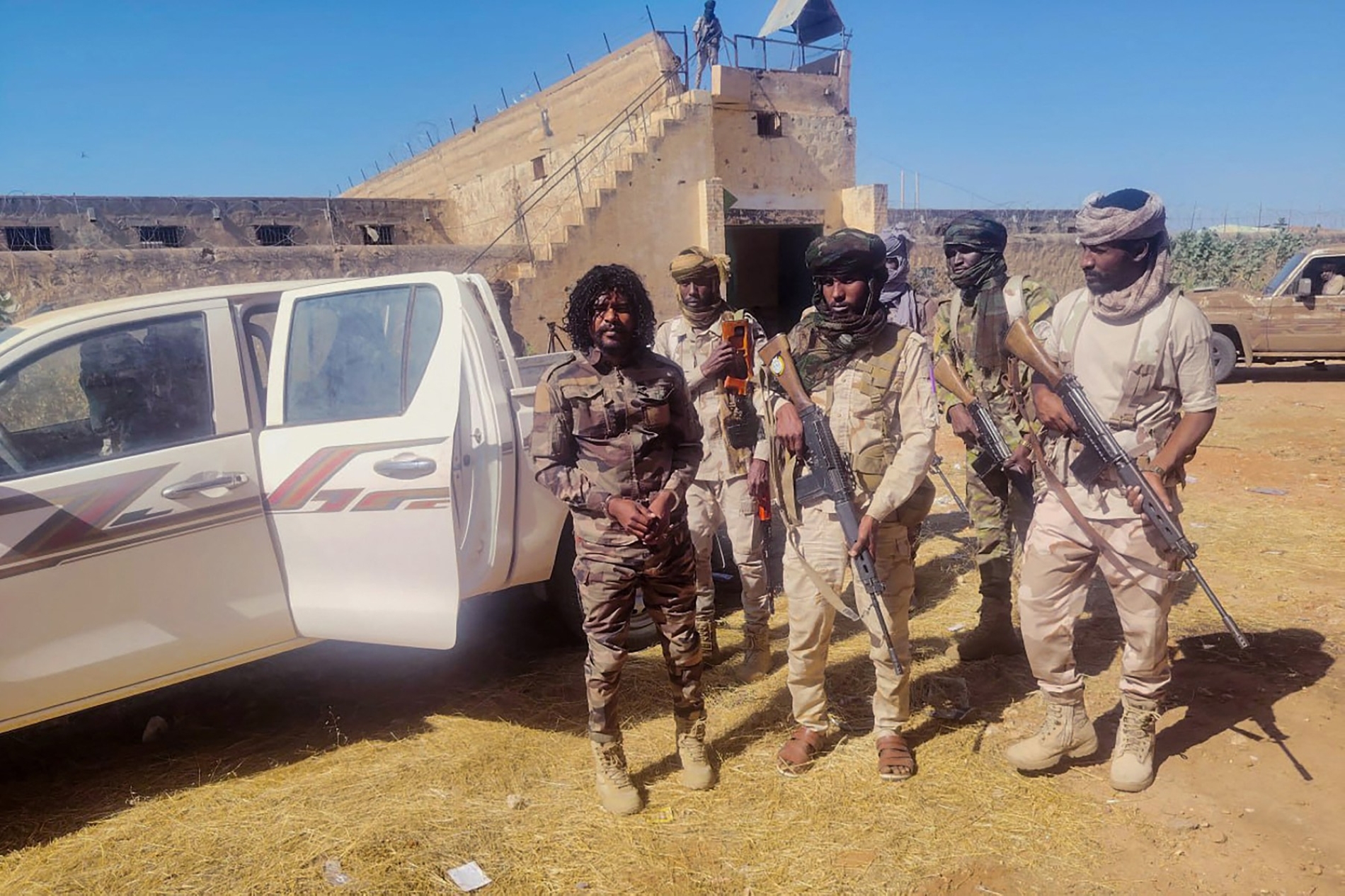
Loyalties and interests
To understand the context of these defections, it helps to understand that the RSF built its power on a network of tribal loyalties, financial interests, and external protection, rather than on a unifying national doctrine or a stable institutional structure. This network allowed it to expand swiftly. In the early months of war, looting was bountiful, supplies flowed, and external discourse provided the militia with political cover. Slowly, the spoils of war grew rarer.
The group has sought external support. In February 2026, it was reported that Ethiopia had been hosting a secret RSF training camp in the Benishangul-Gumuz region, close to the Sudanese border.