
Away from the international spotlight, developments in Sudan's three-year civil war may mark the beginning of a profound transformation. With America’s eyes on Iran and the Gulf, and with Europe’s eyes on Ukraine, several relatively unnoticed signs suggest that the battlefield situation in Africa’s third-largest country may be shifting.
The four members of the ‘Quad’ that was set up to help resolve Sudan’s war—namely the United States, Saudi Arabia, the UAE and Egypt—have had their attention drawn by the US-Israeli war in Iran and Tehran’s subsequent cross-border attacks on Gulf states and international maritime trade. Yet against this regional backdrop, a new reality is slowly emerging in Sudan, one that may mark one of the most consequential moments of the war since its outbreak in April 2023.
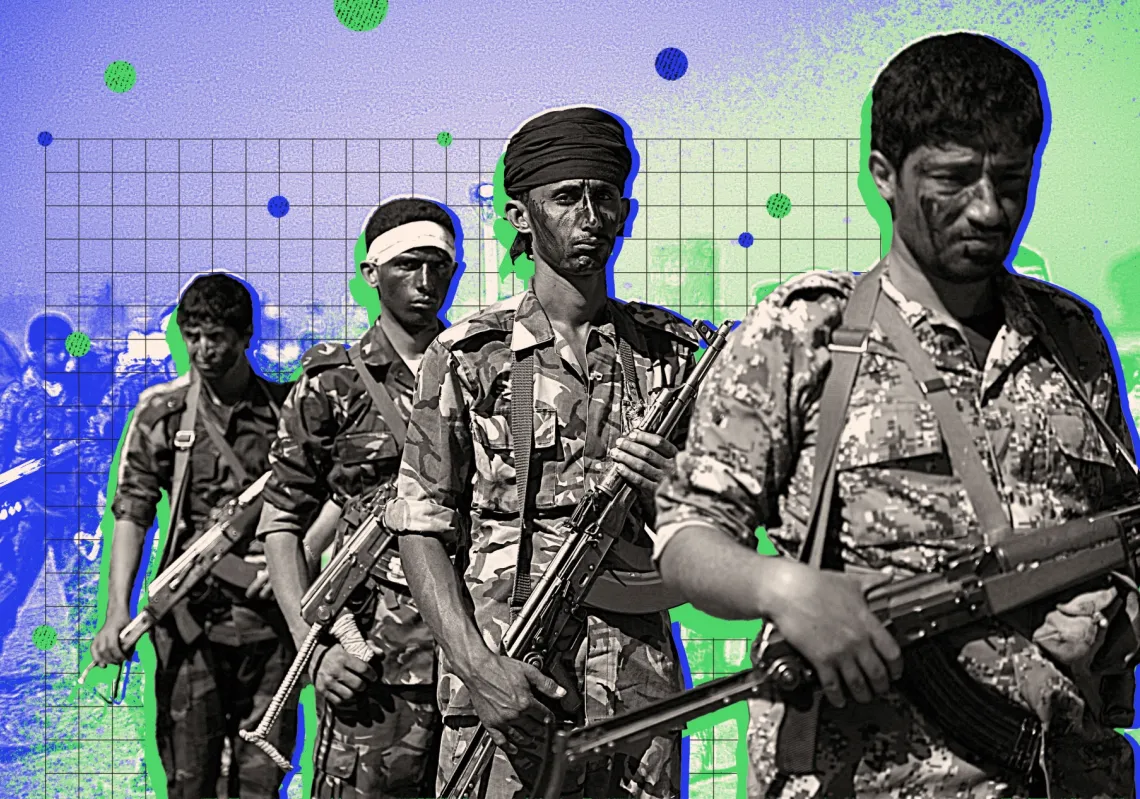
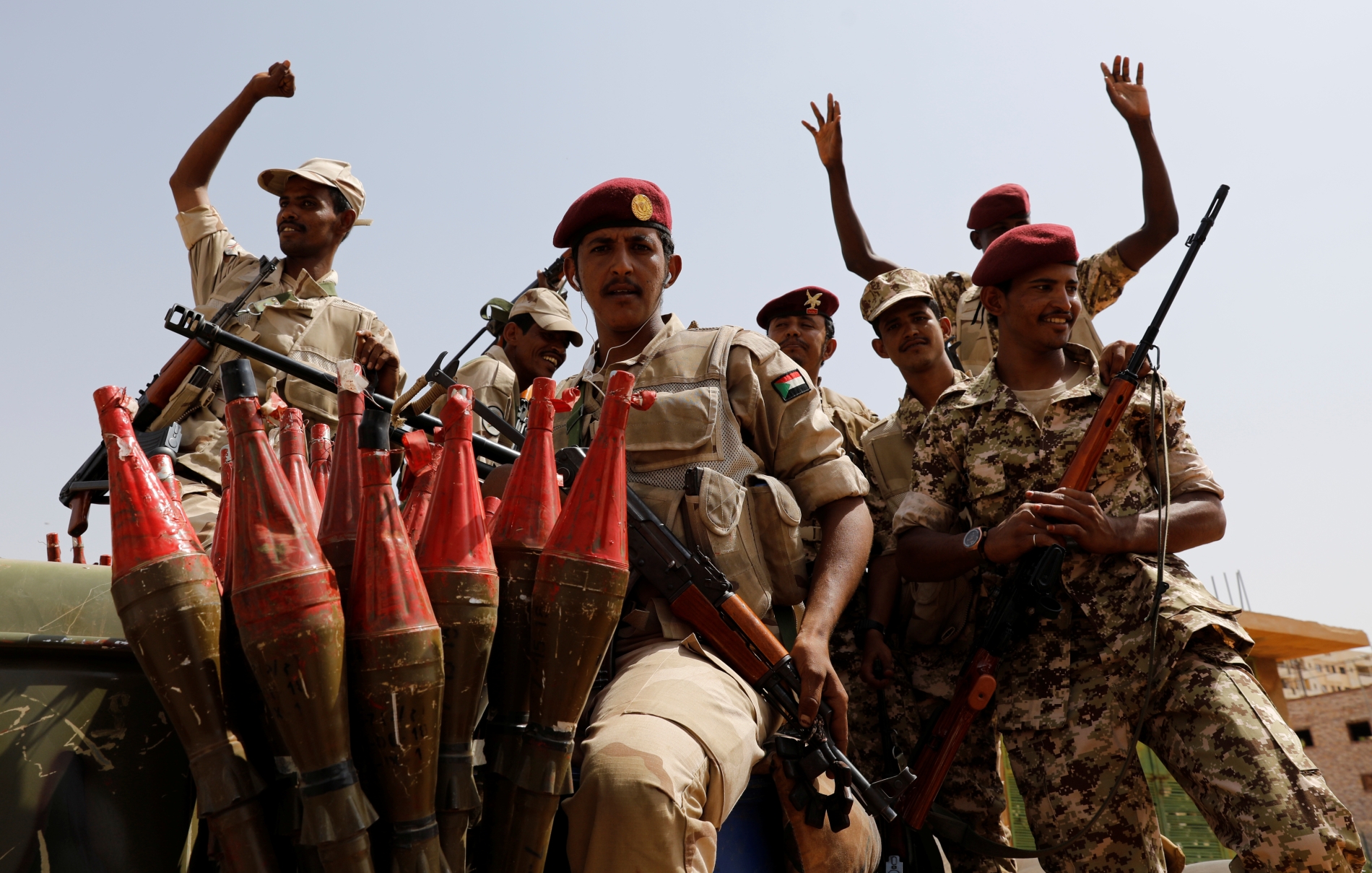
An indirect repercussion of the war with Iran has been the rapid decline of the battlefield influence of the Rapid Support Forces (RSF) militia, which controls the western Sudanese region of Darfur. Along with the unprecedented unravelling of its internal structure, several senior RSF commanders have defected to the Sudanese Armed Forces (SAF), based in Port Sudan on the east coast.
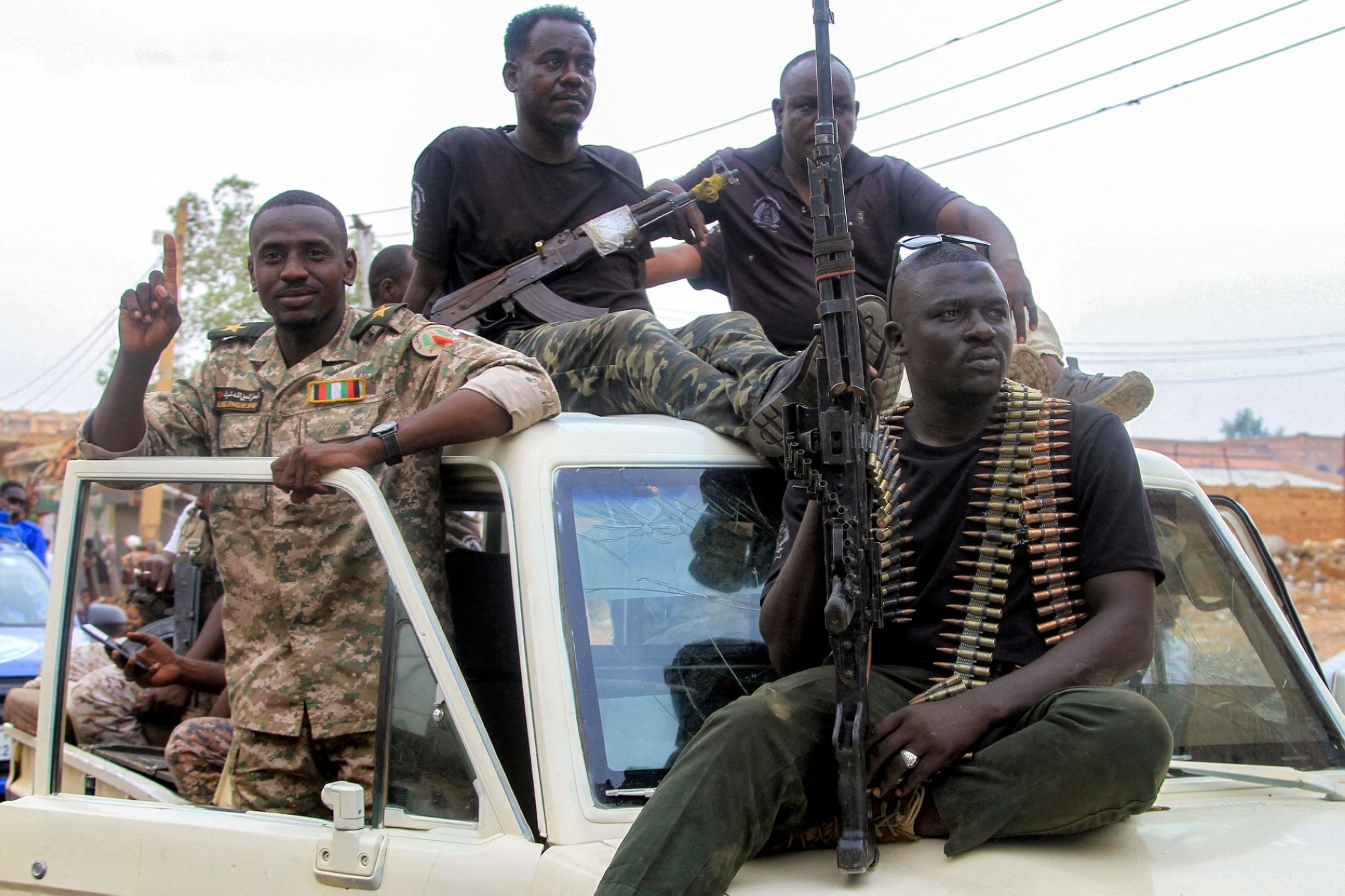
Sudanese army leaders have welcomed these defectors, despite strong opposition from their domestic allies. Army chief Abdel Fattah al-Burhan said: “Anyone who leaves the fighting and joins the side of the state may have his case reviewed.” In essence, it amounts to an amnesty. The most prominent defector to-date is Maj. Gen. al-Nour Ahmed Adam, known as al-Gubba, a senior commander who played a role in the battles of El Fasher. He joined the Sudanese army in April 2026.
Reports indicate that al-Burhan met him immediately after his arrival in Northern State, where he arrived at the head of a force comprising more than 40 fully equipped combat vehicles. He was followed by Field Commander Bashara al-Huweira, who left the ranks of the RSF in North Kordofan, and then by Commander Ali Rizkallah, known as al-Safana, in a chain of defections that began with Abu Aqla Keikal in late 2024.
The two men later appeared in public, speaking about the reasons for their return. They said the Sudanese citizen did not deserve this war, was powerless in the face of it, and that their return to the “embrace of the homeland” (the army) was the right course of action. Yet they were not universally welcomed, and several fighters posted videos on social media rejecting the army’s lenient attitude towards defecting RSF commanders.
Double agents?
Suspicions abound. Some wonder whether these commanders have genuinely jumped ship, or whether they are part of an RSF ruse to infiltrate the enemy and defeat it from within by positioning key players in Khartoum and Port Sudan. In short, they wonder whether those ‘returning to the homeland’ are in fact double-agents.
The answer does not lie in conjecture. There is a precedent: Abu Aqla Keikal, who abandoned the RSF while commanding its forces in Gezira State, before joining the army and leading the operation to retake the state in October 2024 in what some see as a turning point in the conflict. Keikal had initially been part of the army before defecting to the RSF and helping them seize Gezira, only to defect again. It illustrates how the intelligence calculations surrounding this new wave are highly complex.