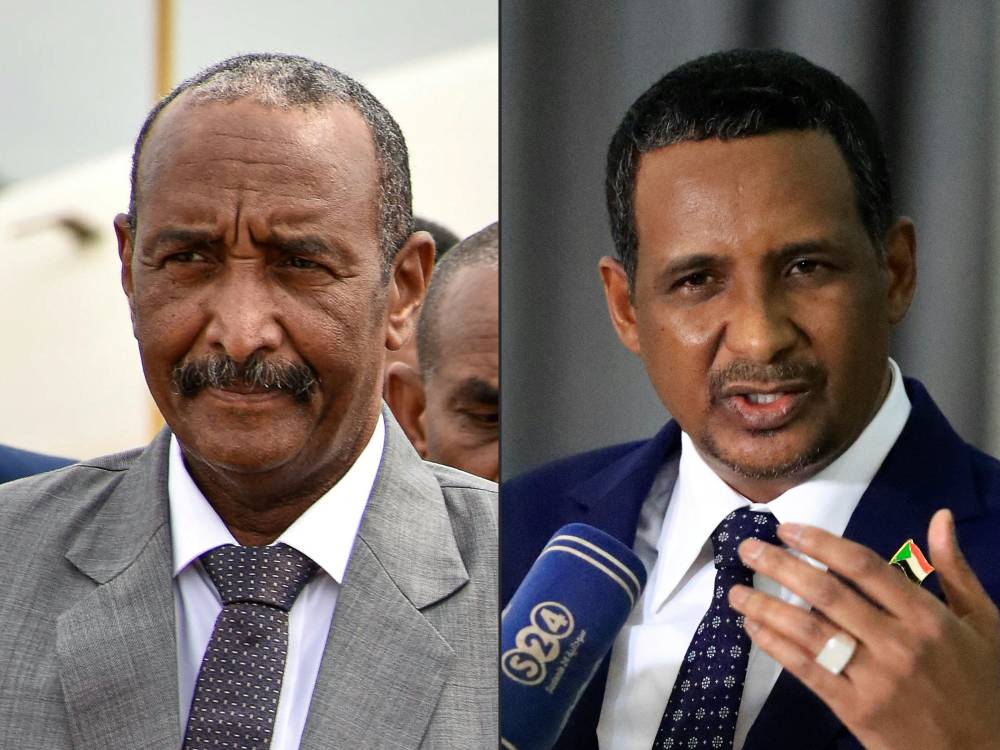

For three years, Sudan’s civil war has defied every attempt at resolution. Mediators, concerned actors, and all others seeking to end the conflict have been caught in an unproductive void, moving from one failed initiative to another. These repeated failures have deepened the sense of a horizon closing in on Sudan’s war. That impasse now casts its shadow over the conflict itself and over the forces waging it.
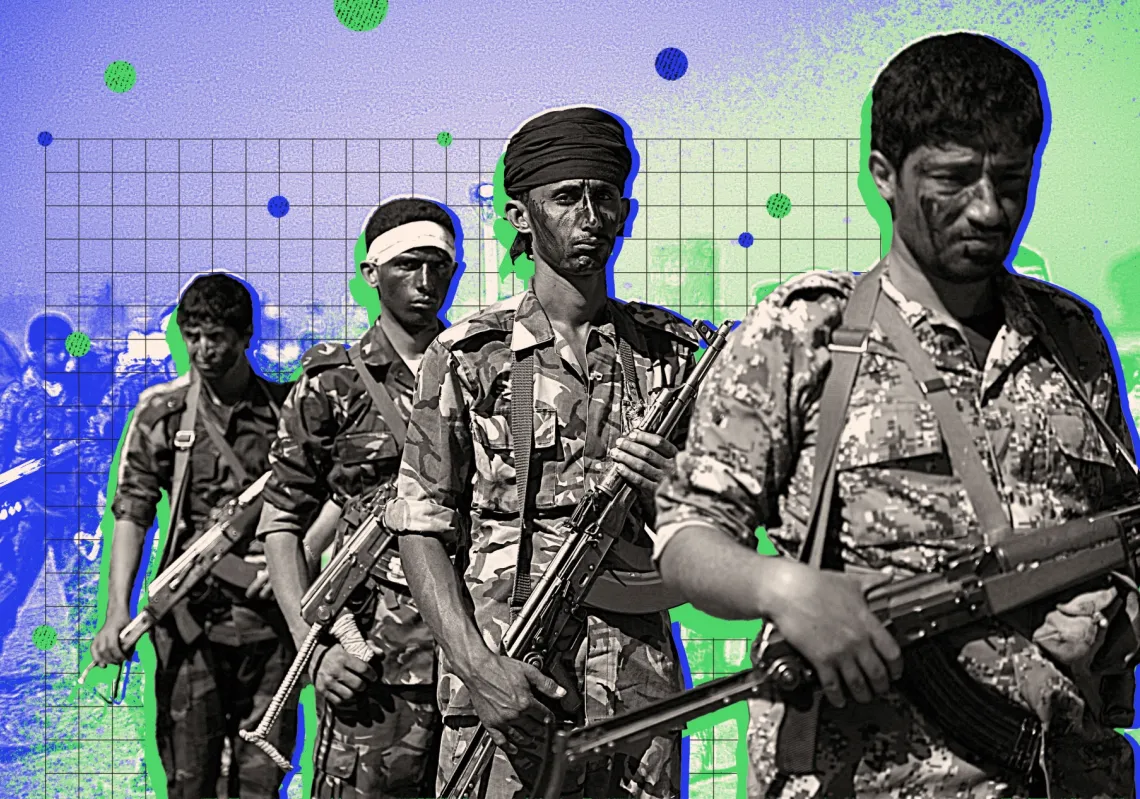
One of the warring sides, the Rapid Support Forces (RSF), offers the clearest example. It has been worn down by defections and shaken by internal fractures, reflecting the war’s prolonged duration and the commanders’ fading hope of any imminent end.
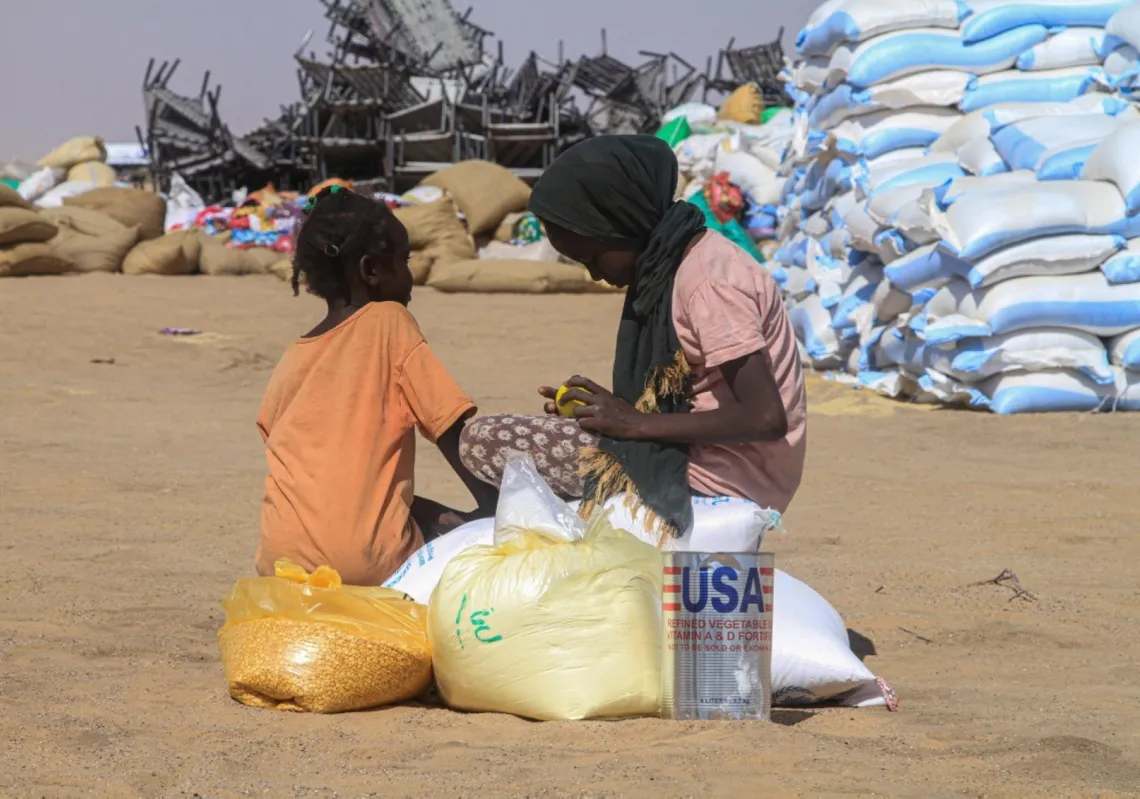
On the other side, the Sudanese Armed Forces’ (SAF) reservoir of public support is nearly depleted after its failure to defeat the RSF, despite repeated promises that “decisive victory is near”. The army has also failed to provide services and security in the areas under its control. Corruption is rampant in a country where poverty now affects more than half the population.
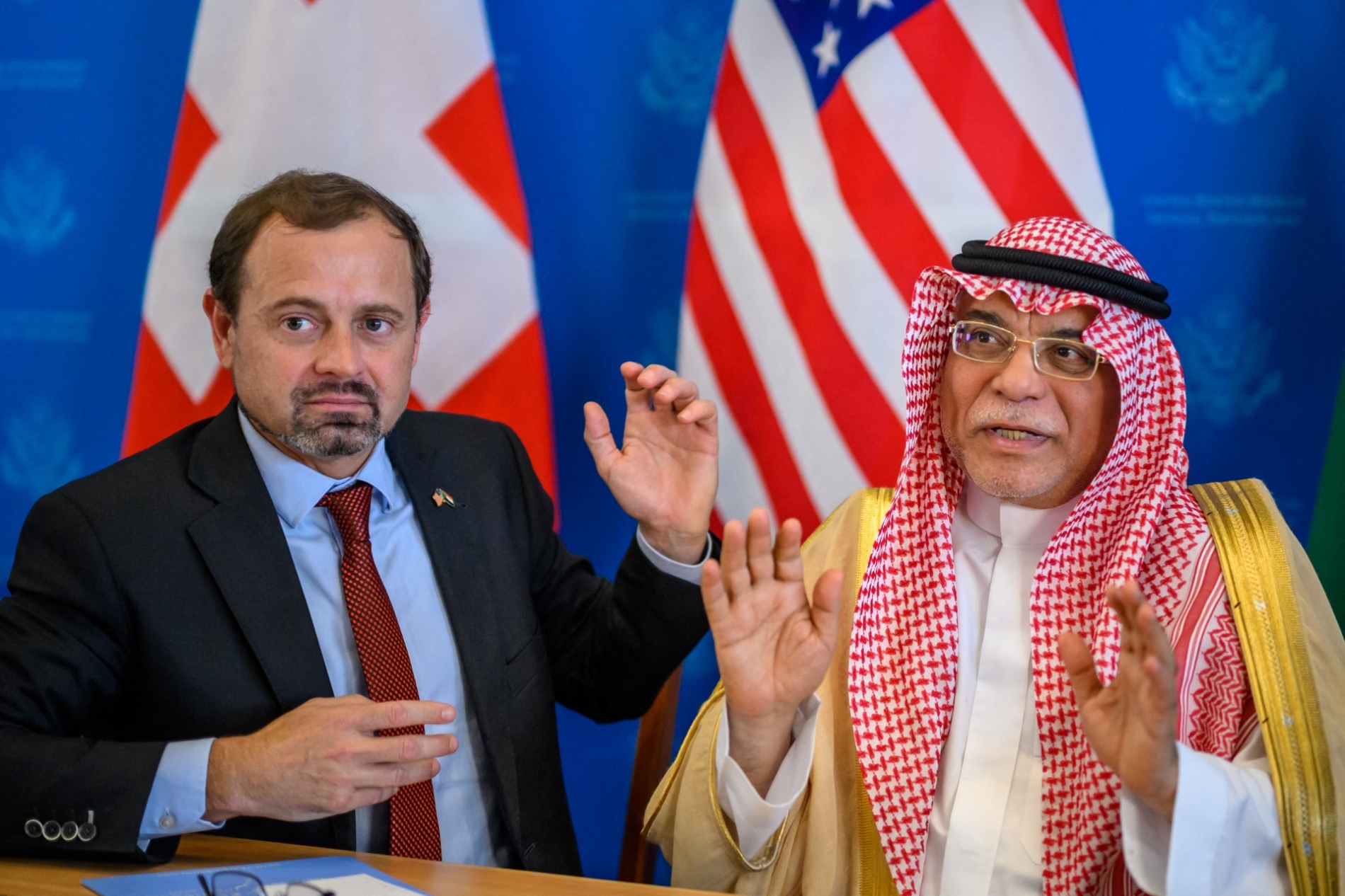
Among the most prominent efforts to find a solution is the Quad initiative, launched seven months ago and led by the United States, with the participation of Saudi Arabia, the United Arab Emirates, and Egypt. The Quintet initiative, comprising the African Union, the Arab League, the Intergovernmental Authority on Development (IGAD) in Eastern Africa, the United Nations, and the European Union, has also failed to secure a ceasefire, or even direct negotiations between the army and the RSF. Other initiatives by European, Arab, and African states have all fallen flat.
The first stage of warlordism is often defections. On 11 April 2026, Al-Nour al-Gubba, a field commander in the RSF, was confirmed as having joined the armed forces. Al-Gubba commanded the RSF as it seized El Fasher, Darfur’s largest city. Just weeks later, another RSF commander defected. This time it was Ali Rizqallah, known as al-Safana. Both men carry weight and influence on the battlefield. In October 2024, Maj. Gen. Abu Aqla Keikal also defected from the RSF. With army backing, he extends his influence across parts of Gezira State and the Butana region in central Sudan.
Information from field sources this year points to exhaustion among fighters across all armed factions, along with a marked erosion of loyalty to commanders and fighting units. Most soldiers were drawn into battle on the basis that the war would be short and easy—a claim that time has exposed as false. Another factor is money, which is no longer as readily available as it was at the start of the war.
Wider pattern
The developments inside the RSF are one sign of this wider pattern. Defections of RSF field commanders suggest that the Sudan army sees the erosion of RSF fighters’ loyalty and the factors driving it, and is turning this to its advantage. Yet the SAF is also in a poor state, with tensions between the army and its allies, especially with the Joint Force, a Darfuri militia formed under the Juba Peace Agreement. They remain the largest organised military force allied with the army.
The RSF’s control over Darfur and parts of Kordofan has placed these forces in an acutely embarrassing position, creating tension. Defectors from enemy ranks, especially Darfuris, have deepened that tension and intensified the feeling that the people of Darfur have been abandoned. Some have come to believe that the army used them in its war, then failed to support them or stand by them in recovering their areas. Clashes between the two sides occur frequently, while grievances are overheard from commanders within the Joint Force.