The quiet push to finally end Sudan's civil war

External actors and some domestic parties are believed to be working behind the scenes towards a settlement. Why now?

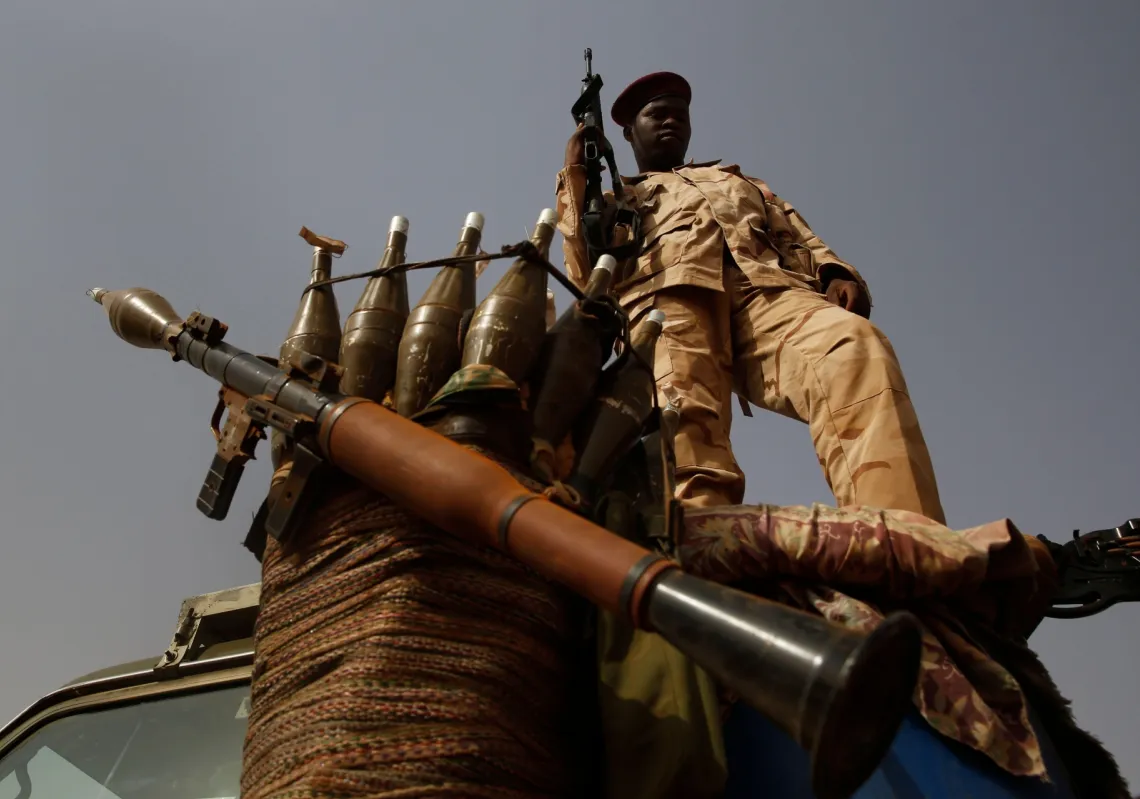
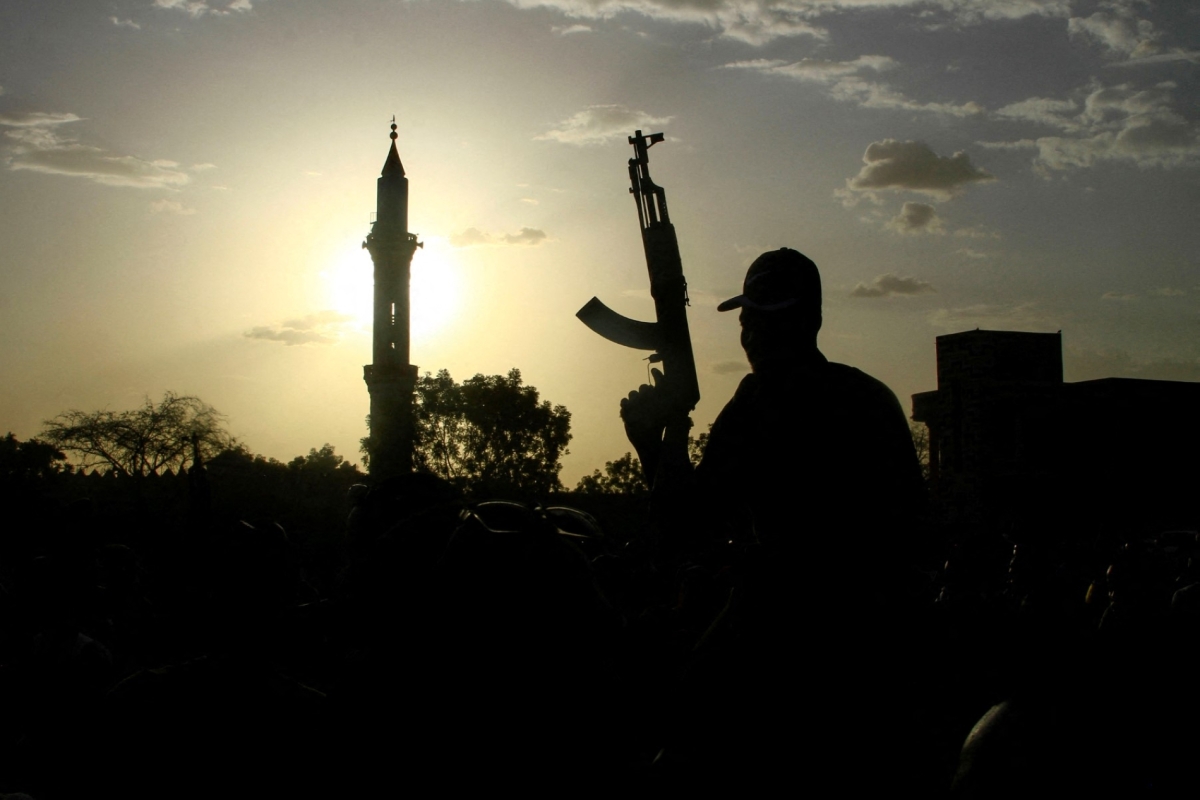
A fighter loyal to Sudan's army chief Abdel Fattah al-Burhan holds up a weapon backdropped by the minaret of a mosque, during a graduation ceremony in the southeastern Gedaref state on 27 May 2024.
AFP
A fighter loyal to Sudan's army chief Abdel Fattah al-Burhan holds up a weapon backdropped by the minaret of a mosque, during a graduation ceremony in the southeastern Gedaref state on 27 May 2024.

The quiet push to finally end Sudan's civil war

Something is underway behind-the-scenes in Sudan, where a brutal civil war has raged since April 2023. External actors and some domestic parties are believed to be working towards a settlement, relying mainly on the failure of the warring parties—the Sudanese Armed Forces (SAF) and the Rapid Support Forces (RSF)—and their backers to deliver the decisive victory they promised.

After three grinding years of war, popular support for the two sides has dwindled, and few now think either the SAF or RSF could take the country through any post-war period, so there is now a sense of timing and opportunity. In developing a pragmatic solution for a riven and war-torn Sudan, Africa offers many lessons from past peace initiatives. The new plan being developed will therefore rest on the realities of war and of the situation in Sudan today.

The latest US Security Council session on Sudan was held on 26 June. There were calls for an urgent three-month humanitarian truce to end the war, but similar past calls have not been heeded. The discussion was frank, clear, and sharp, amidst a sense of change. A striking recent development was SAF commander Gen. Abdel Fattah al-Burhan's agreement to a prisoner exchange with the RSF, the first since 2023.

Agreeing to hand prisoners back to the RSF marks a substantial shift for the SAF and will have repercussions for the wider debate. Under pressure from the Jeddah peace platform, led by Saudi Arabia in cooperation with the United States, the SAF last released 30 underage soldiers and 200 adults in 2023, whereas the RSF repeatedly releases batches of SAF prisoners, including more than 500 police, framing these handovers as “gestures of goodwill”.

The recently agreed prisoner exchange is thanks to the United Nations, specifically the Secretary-General's Envoy for Sudan, Pekka Haavisto. The army welcomed the initiative on 25 June 2026, in a statement by Foreign Minister Mohieldin Salem, published by the official Sudan News Agency (SUNA). “The Government of Sudan is keen to safeguard the lives of its citizens across all parts of the country,” he said.
Mohamed NZAR / AFP
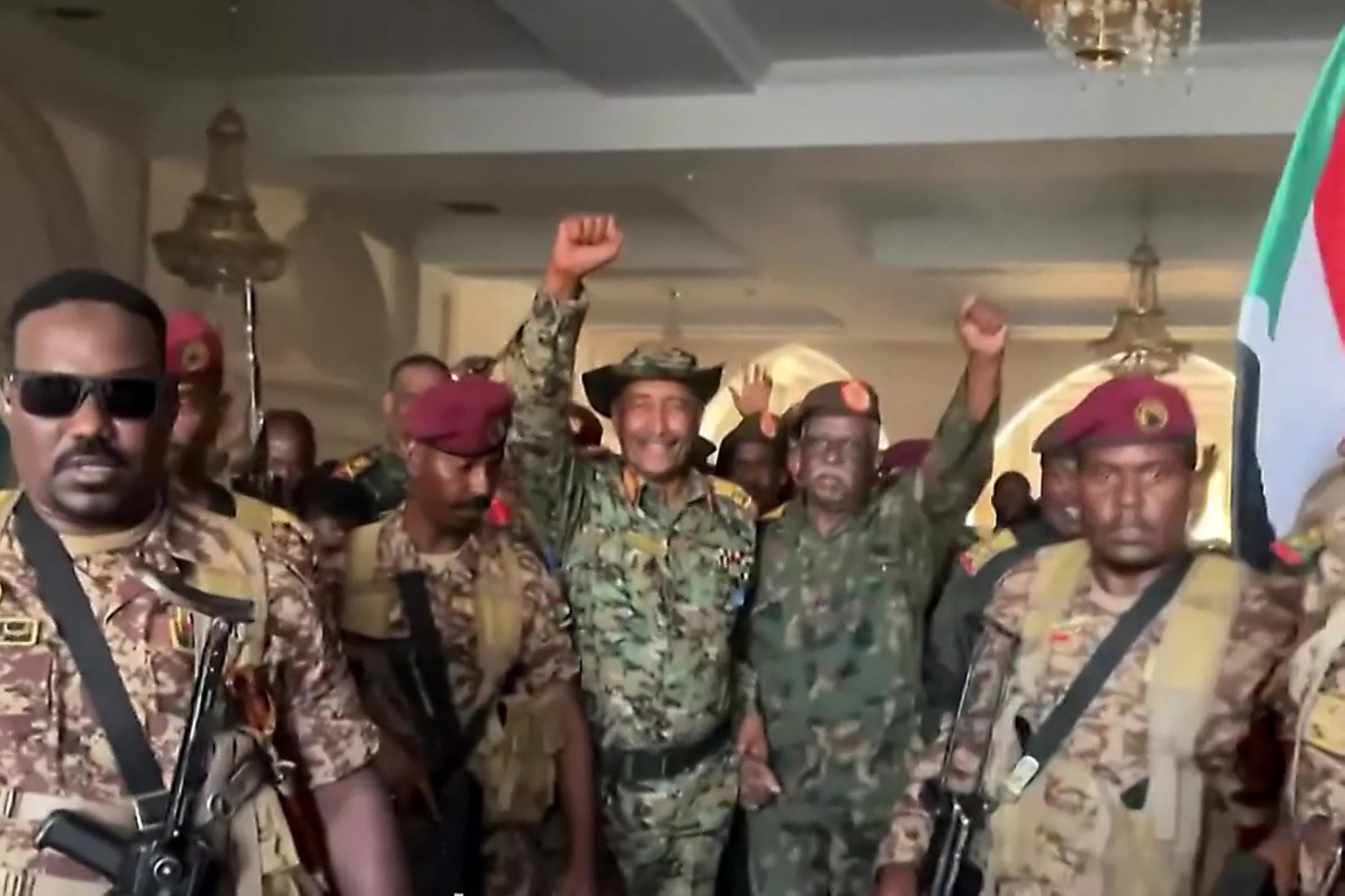
Sudan's army chief Abdel Fattah al-Burhan arrived at Khartoum's recaptured presidential palace on March 26, declaring the capital "free" of the paramilitary Rapid Support Forces after nearly two years of war.

Shifting tone

Until now, al-Burhan’s rhetoric has centred on “eliminating” the RSF entirely, unless they voluntarily surrender their weapons. Threats of eradication extended to any civilians believed to be cooperating with the militia. Salem's statement that the government is “keen to safeguard the people of Sudan across all parts of the country” represents a sizeable shift in tone and intention.

For three years, the SAF leadership has portrayed any Sudanese people who fall outside their ranks—especially those who led the revolution that overthrew their rule—as traitors and agents. Likewise, anyone who called for an end to the war through negotiation was, in their words, an RSF supporter. Many observers attribute this stance to the Islamist parties propping up the SAF and al-Burhan.

Islamists' role in supporting the war has changed significantly and visibly over the past two months. Some attribute this to their newfound need to 'keep their head down' after the United States' designation of the Islamic Movement and the al-Baraa Bin Malik Brigade as terrorist organisations. Others believe that their support for Iran in recent months has embarrassed the army and led to issues of trust.
A striking recent development was SAF commander Gen. Abdel Fattah al-Burhan's agreement to a prisoner exchange with the RSF, the first since 2023.

The leaders of the Islamic Movement's 'mujahideen' are no longer seen on the frontline or in mobilisation campaigns. The commander of the al-Baraa Bin Malik Brigade, Al Misbah Abu Zaid, is no longer seen in military uniform. Instead, he appears in civilian dress and on repeated trips outside Sudan. He no longer calls for mobilisation and participation in the war, and has begun directing his challenge at civilian forces, rather than at the RSF. In this, he follows other prominent Islamist figures who had supported the war, including al-Naji Mustafa and al-Naji Abdullah.

Al-Burhan has been trying to escape the tight circle imposed on him by Islamists, including those based abroad (an Islamist figure based in Türkiye, Abdel Hay Youssef, famously said: "We are present in al-Burhan's office"). Their control over al-Burhan's decisions became evident over time, so his move away from their support is fraught with danger, both for army cohesion (given the organised Islamist presence within it) and even for al-Burhan's own safety.

The most serious recent increase in external pressure is the US Engagement in Sudan Peace Act, approved by the US House Foreign Relations Committee. This would impose tougher sanctions on the parties to the war and their supporters. It also extends the arms embargo to cover all of Sudan, following the classification of leaders of both the RSF and the SAF as terrorist groups. The bill further requires the US president to develop a special strategy for Sudan, including the protection of civilians. A clause concerning the legitimacy of the army and its government to represent Sudan was removed at the last moment.

KHALED DESOUKI / AFP
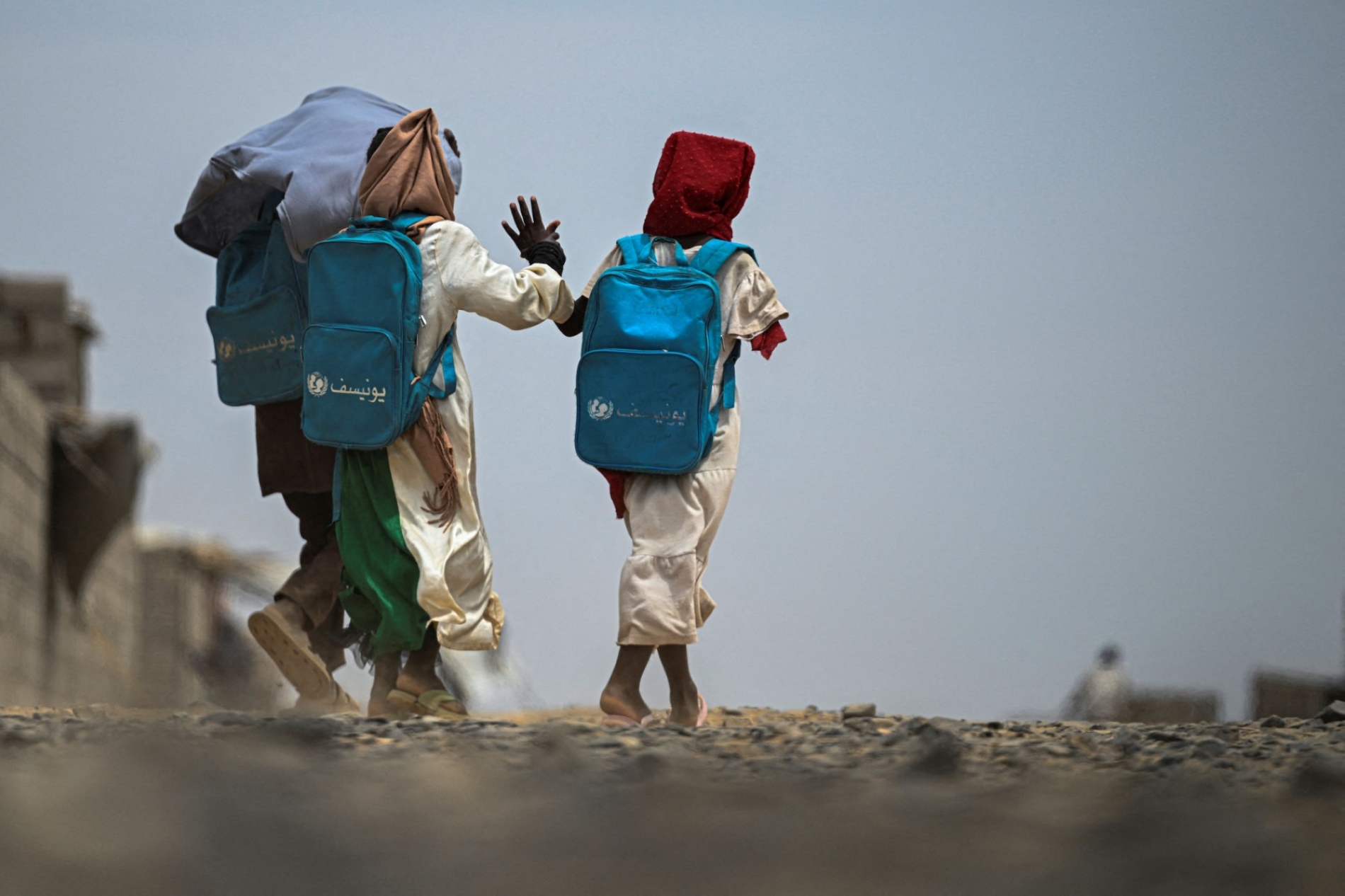
A Sudanese girl, who lost her right arm due to injuries sustained in the civil war, leaves an elementary school south of Port Sudan, on 26 April 2026.

Forcing a rethink

The law will come into effect within 90 days if there is no change in Sudan, offering al-Burhan the opportunity to move in a different direction. Those working on a settlement to end the war in Sudan believe the new US law means the settlement will take shape later this year.

The challenges are huge, however. The local currency, the Sudanese pound, has lost most of its purchasing power; the banking system is incapacitated; the army's external backers are not providing support; teachers and other professionals are on strike; and the government is either incapable or indifferent.

Worse, war is intensifying, from Jebel Uweinat to the eastern border and the Blue Nile region. The RSF is laying siege to El Obeid (the capital of North Kordofan) and threatening regions in central Sudan, including the capital, Khartoum, buoyed by its seizure of El Fasher, the last remaining SAF holdout in the giant western state of Darfur.

Recent conferences in Berlin and Addis Ababa have given some hope, however. Sudanese political opponents are meeting in Switzerland, including the Sumood alliance, the (pro-SAF) Democratic Bloc, and the (pro-RSF) Founding Government. If a settlement becomes visible within the next few months, everyone must be ready. In Sudan, nobody holds their breath, but optimists may wonder whether events are conspiring in favour of peace.

font change