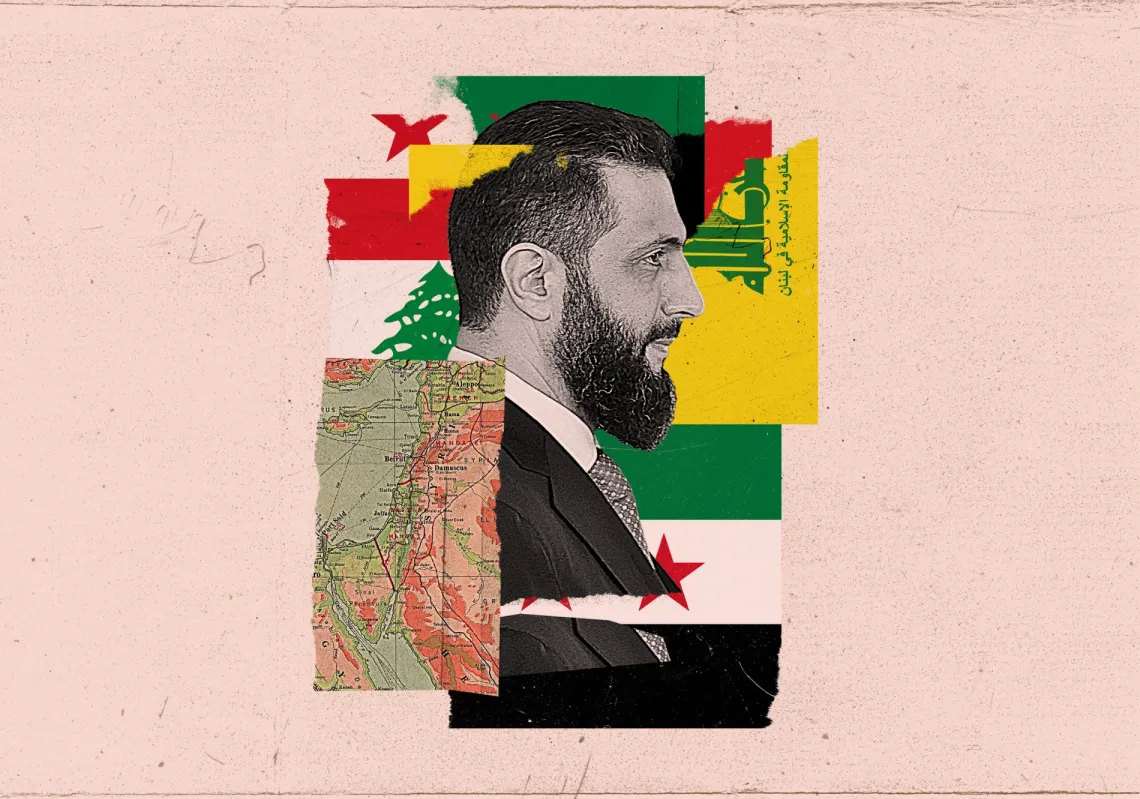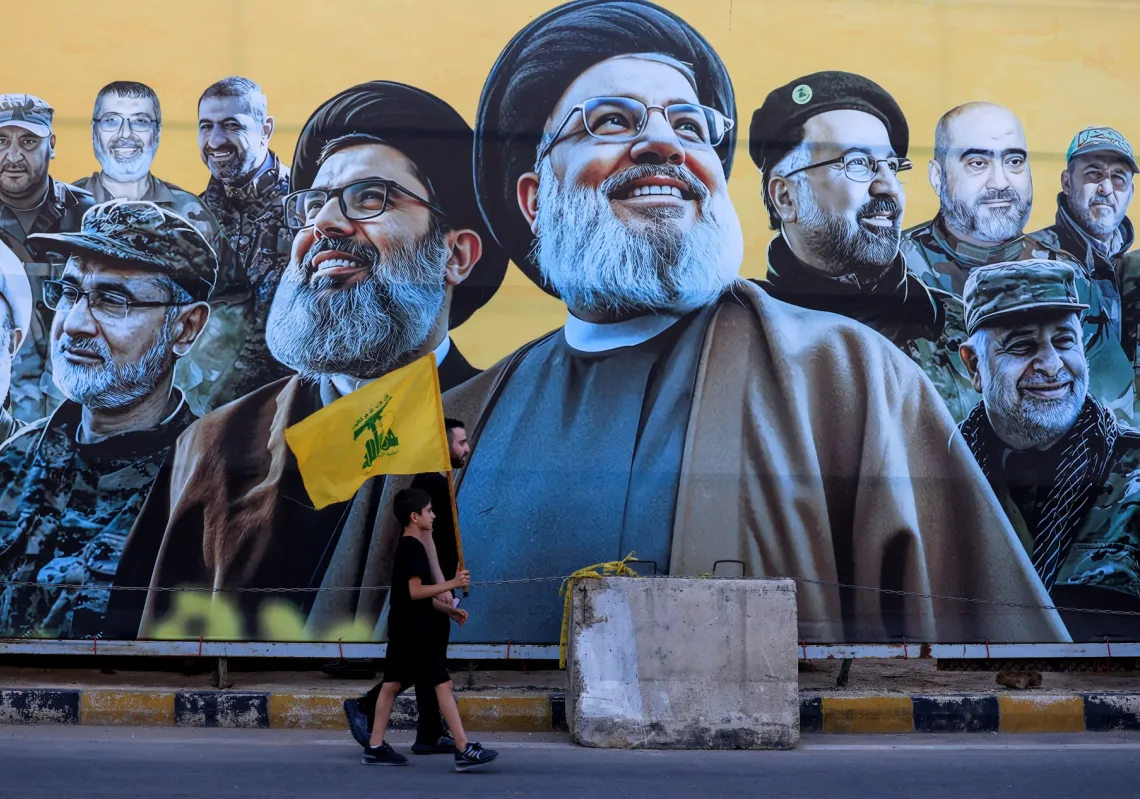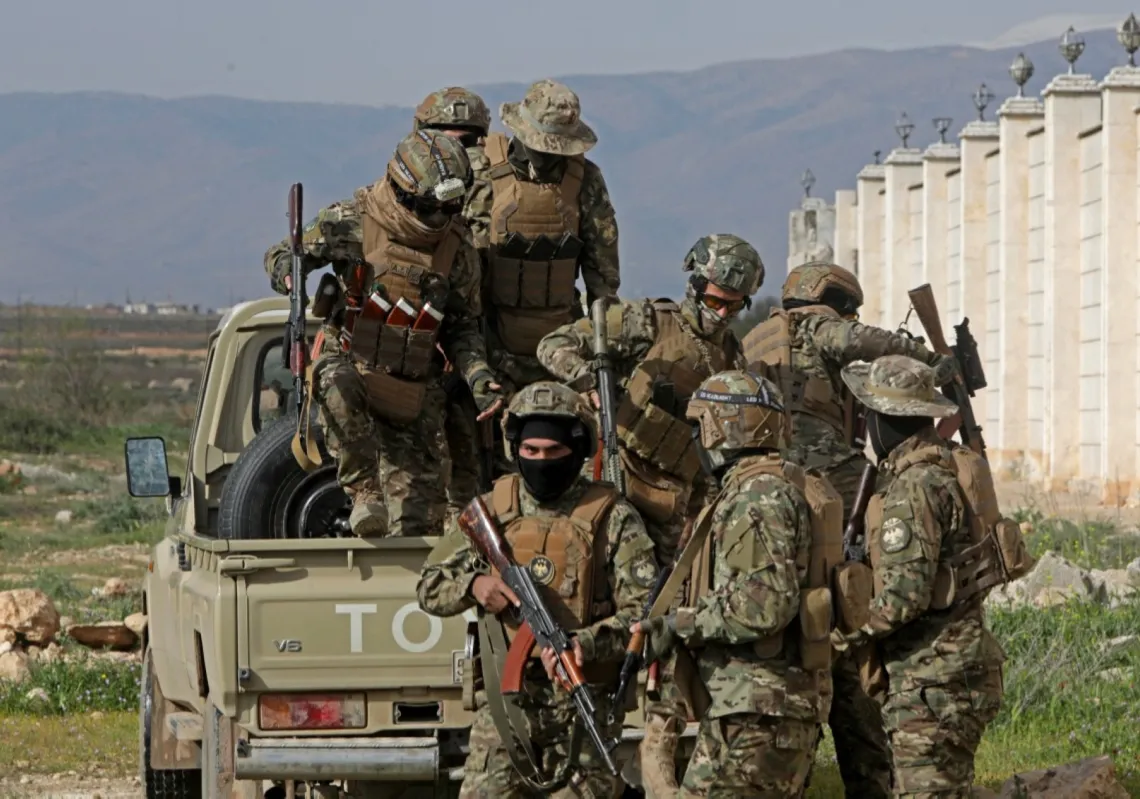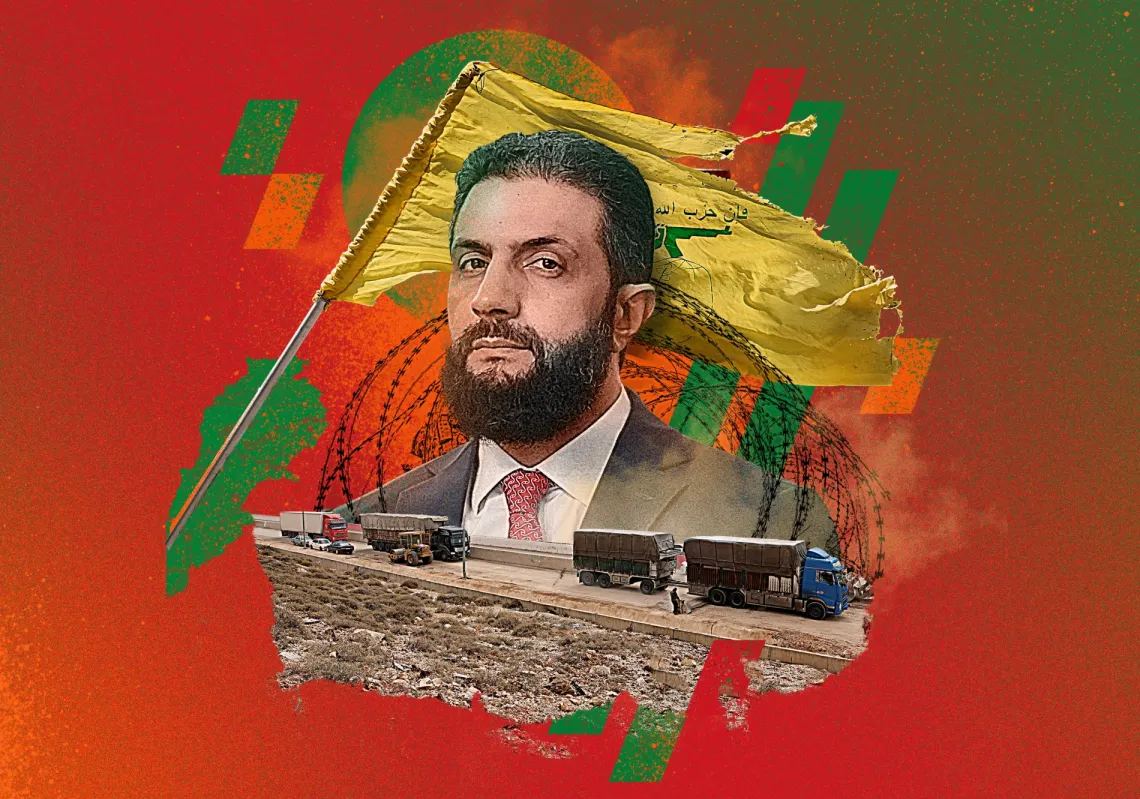

The “New Syria" does not want to return to Lebanon through the gates of tutelage or war, nor does Lebanon wish to summon the memory of 1976, when the Syrian army entered the country and ended up staying for three decades. For their part, Arab and Western capitals appear reluctant to open a new front that ignites regional instability.
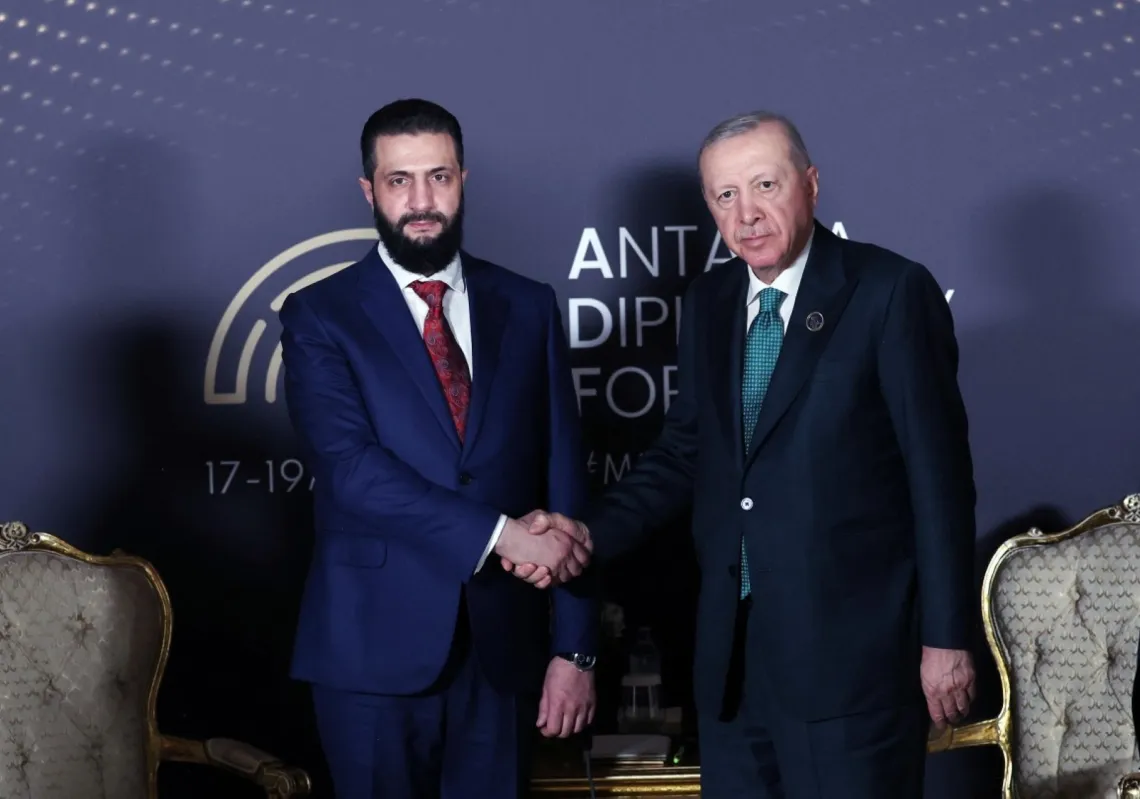
Yet this proposition seems to be making a comeback after US President Donald Trump said that he had spoken with Syrian President Ahmed al-Sharaa about his country playing a possible role in disarming the group. For this reason, we have chosen The Syrian solution to Hezbollah: border security and cooperation with Washington as this week’s cover story.
Between Washington’s pressure and the calculations of Beirut and Damascus, something resembling a "Syrian solution" for Hezbollah is beginning to take shape. The emerging approach rests on border control, security and intelligence cooperation, and political support for the Lebanese state, rather than direct military intervention, while the possibility of limited military action remains the most dangerous option. Damascus, emerging from a long war, is looking for economic lifelines, not to start new battles. Yet it also understands that its security is tied to Lebanon’s, and that arms smuggling, drug trafficking and Hezbollah cells along its borders can no longer be treated as a purely Lebanese domestic affair.
How can Syria help take down Hezbollah without returning to Lebanon? Where do the Lebanese parties stand? And what are the positions of Israel, Türkiye and other Arab states? Read our cover stories for more insights.
Read more
1. Why Syrian action against Hezbollah is unlikely by Elie Kossaifi
2. Why siccing Syria's army on Hezbollah is so dangerous by David Schenker
3. Why Trump's Syria-Hezbollah gambit could backfire by Michael Horowitz
4. How Syria and Lebanon can cooperate to shape their collective futures by Subhi Franjieh
5. Why Türkiye is against Syria's army fighting Hezbollah by Omer Onhon
6. The US should not encourage Syria to enter Lebanon by Andrew Tabler