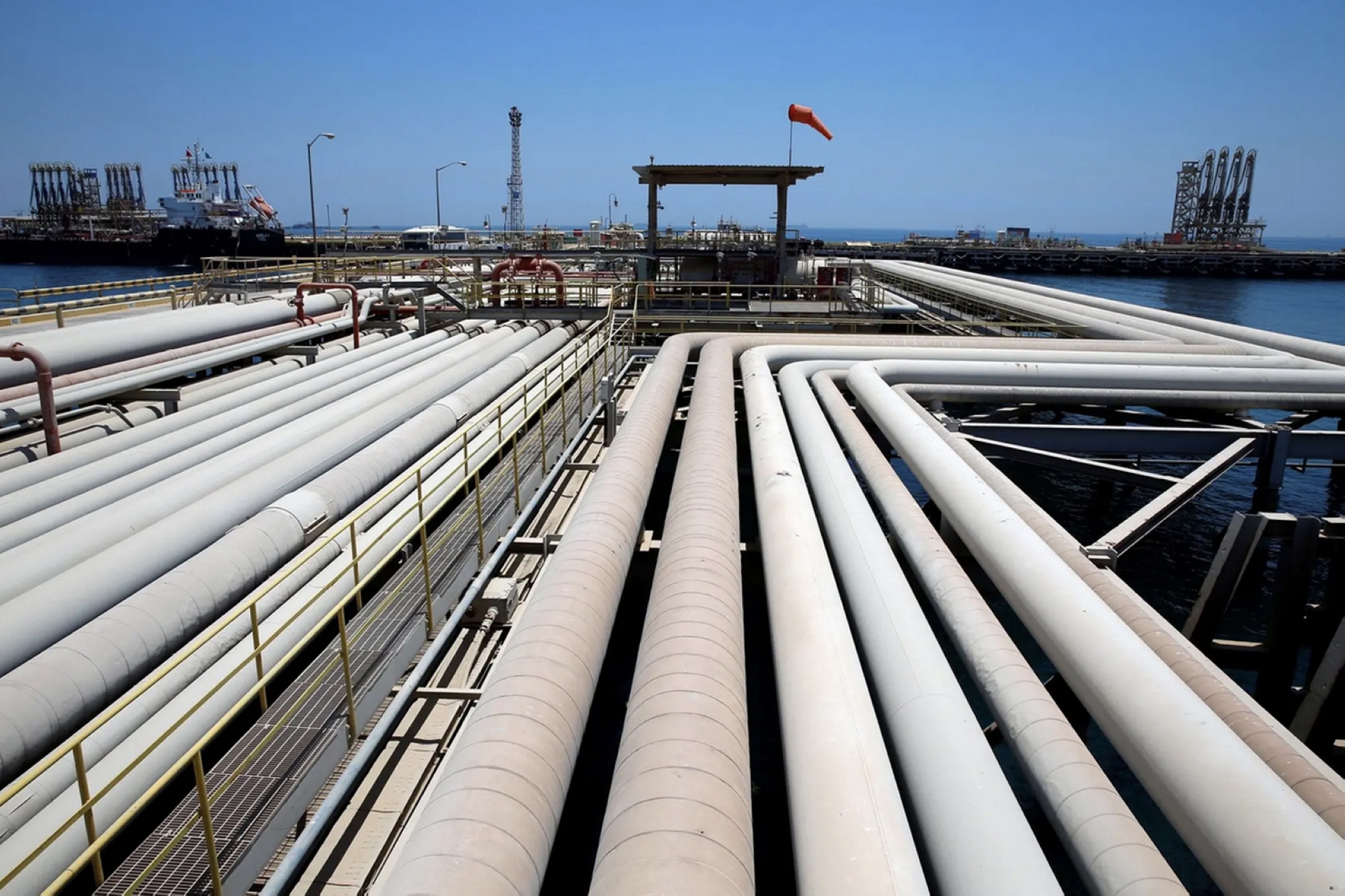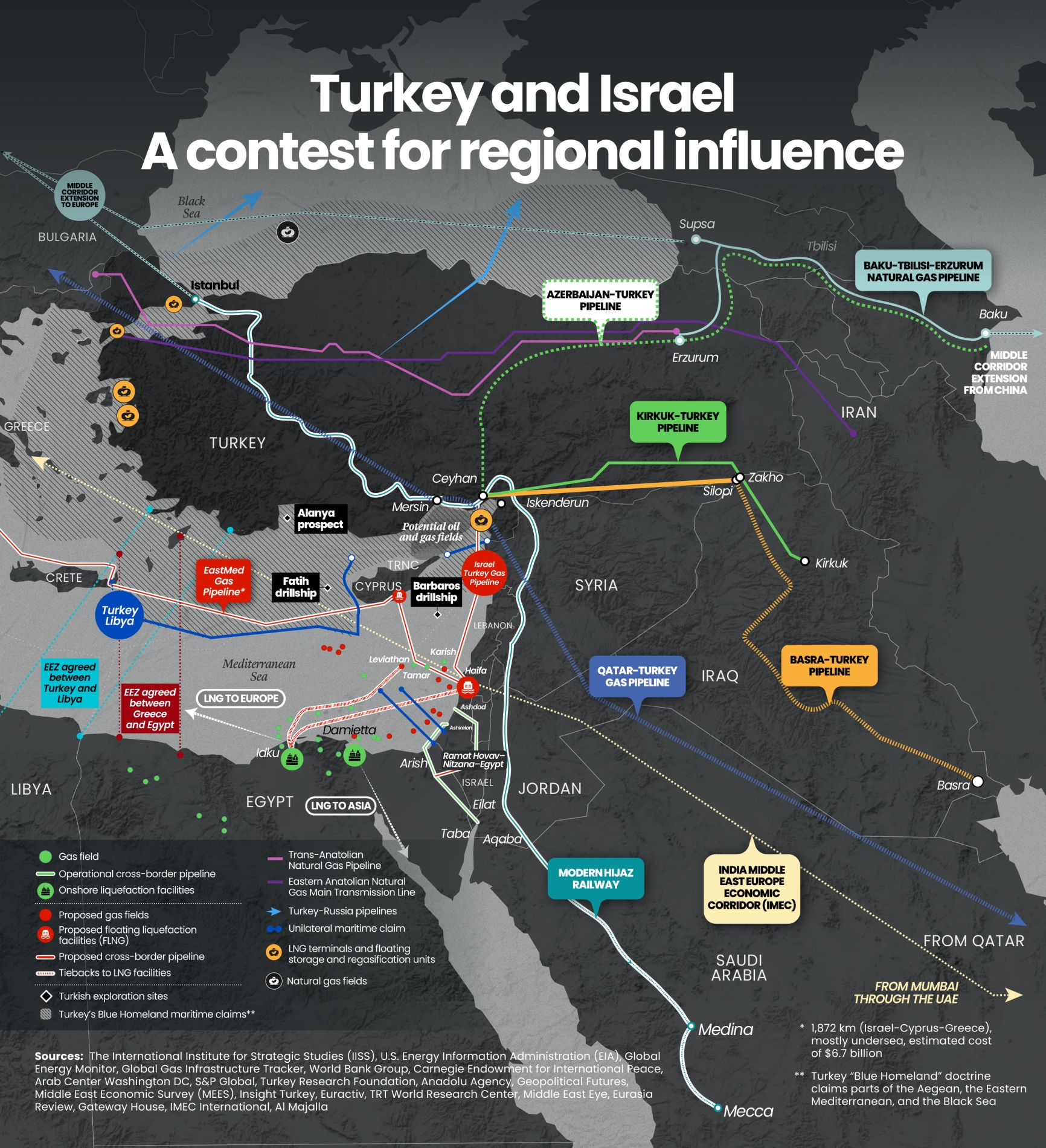

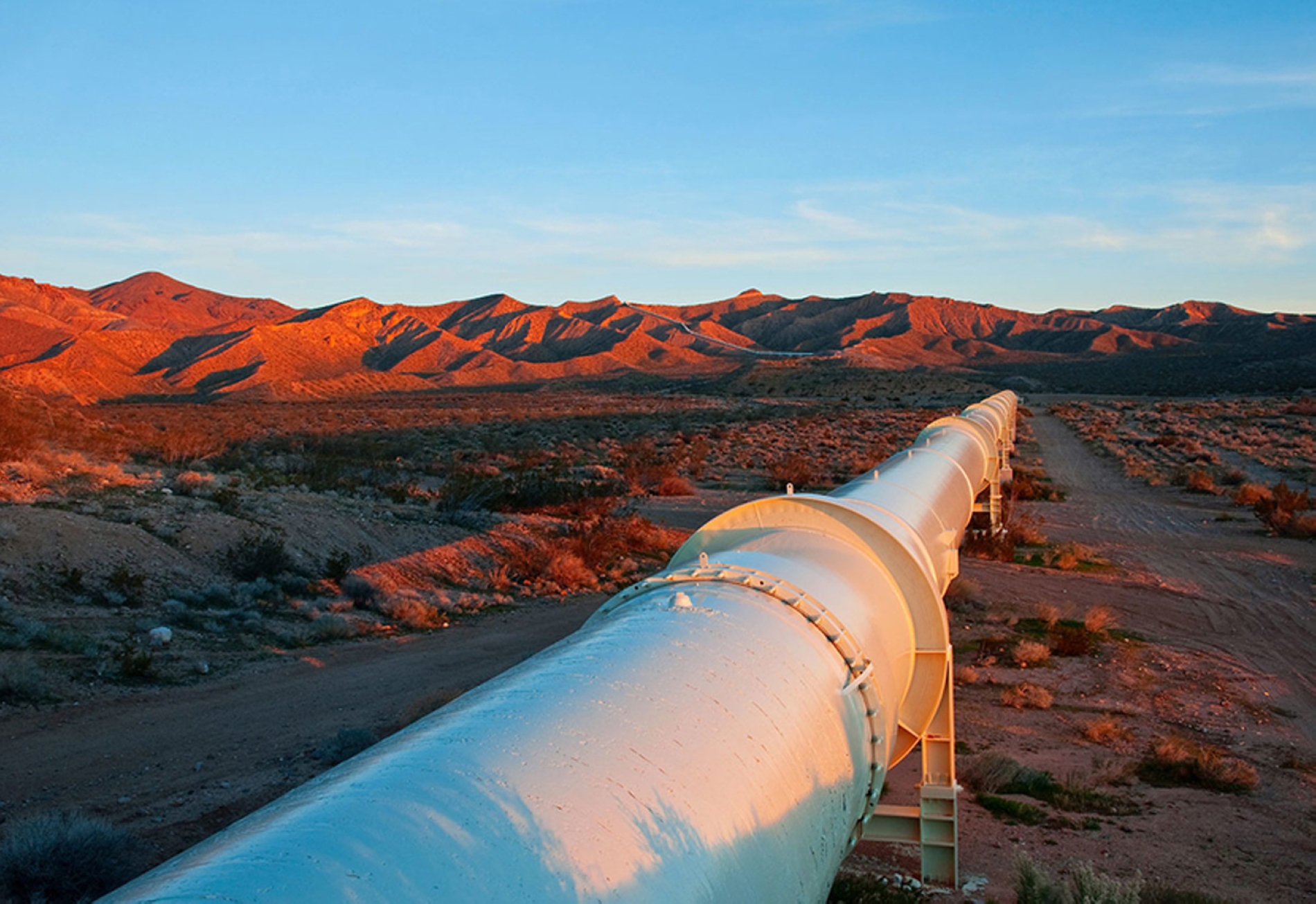
The US and Arabian Gulf countries are leveraging their political and financial clout to expedite oil pipeline projects aiming to bypass blockages caused by the US-Israeli war against Iran, even though the new conduits may not constitute a full remedy.
The Strait of Hormuz, which links the Arabian Gulf with the Gulf of Oman and the wider Indian Ocean, carried up to 20% of the world’s oil and liquefied natural gas (LNG) shipments before the war broke out on 28 February, after which Iran effectively closed the maritime chokepoint to merchant vessels. Military and diplomatic attempts to restore free shipping have stalled, prompting crude exporters in the region, such as Iraq, to carve out new pathways for their oil and gas, which would be worth tens of billions of dollars.
Saudi Arabia has already been rerouting up to seven million barrels of oil per day (bpd) through an East-West pipeline connecting its Eastern Province oil fields to the Red Sea port of Yanbu. This conduit was built long before the war, to avoid being at Iran’s mercy, and events have proven it to have been a wise undertaking. Riyadh is now considering an expansion of the pipeline’s capacity.
Seeking an oil exit
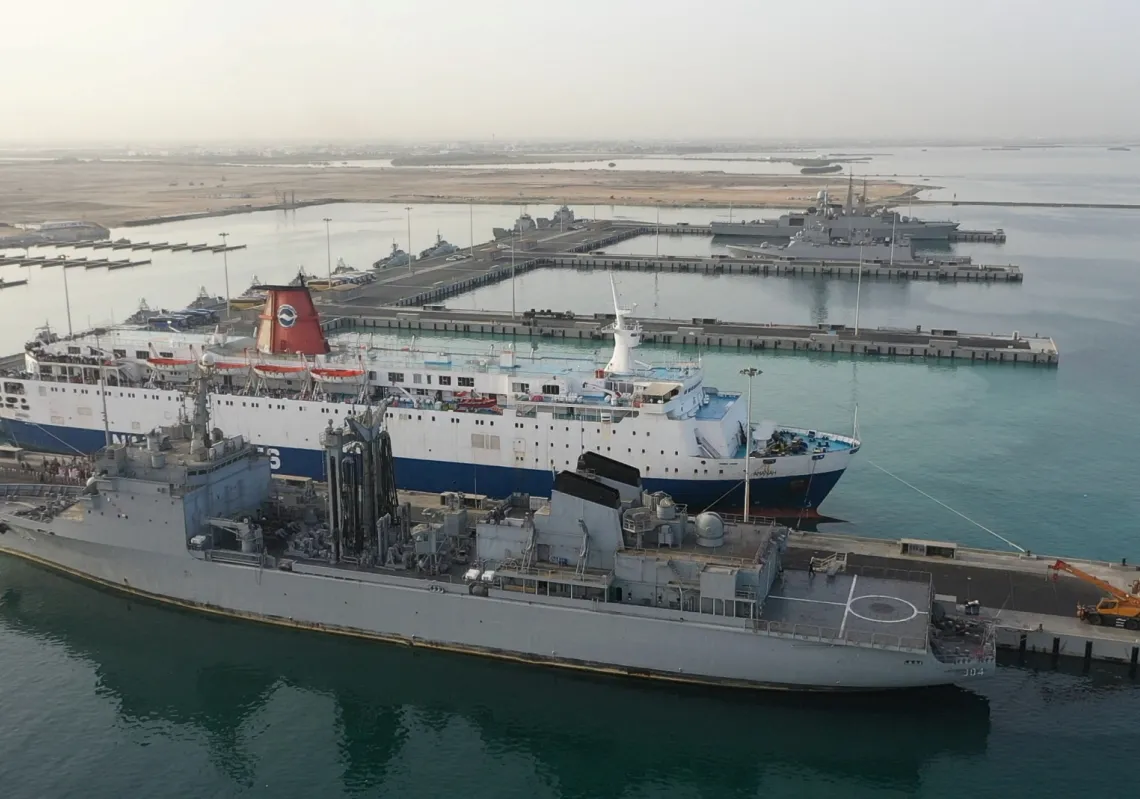
Most of the Gulf’s oil is bound for Asia, the world’s biggest oil consumer, and another maritime chokepoint is also important to this trade: the Bab el-Mandab Strait, which acts as the southern gateway to the Red Sea. This route bypasses the Strait of Hormuz but can be impeded by the Iran-backed Houthi militia, based in Yemen. The Houthis recommenced their maritime attacks in July, forcing vessels to make a U-turn and costly detour around Africa, rather than pass through Egypt’s Suez Canal.
On 27 July, 28 ships crossed the Red Sea entrance, roughly half the normal amount, said Ryan Bohl, a Middle East and North Africa analyst at business risk consultant RANE. After the Saudis bombed a Yemeni airport’s runway, the Houthis responded by saying they would specifically target Saudi ships. Is the risk the same? “The best way to think of it is that some ships will take the risk regardless, given the Houthis don’t have the same capabilities as Iran,” said Bohl, speaking to Al Majalla. “Others will take zero risks; most of those have long routed around Africa. Others will wait and see. The wait-and-see crowd appears to be moving back into Bab el-Mandab.”
The Houthis pushed Yemen’s internationally recognised government out of the capital Sanaa in 2014 and first began attacking commercial vessels in the Red Sea, Arabian Gulf, and Indian Ocean in late 2023, to support Hamas in its war against Israel. Attacks largely finished following a Gaza ceasefire last year, only restarting in recent days.
Corey Ranslem, CEO of maritime security group, Dryad Global, said the impact had been huge. “Since the Houthis started their attacks on shipping in the Red Sea with the hijacking of the Galaxy Leader back in November of 2023, we’ve seen a substantial drop in ship traffic,” he said. “We estimate it dropped by around 80-85%. We’ve seen some traffic recover and then drop off again after the recent attacks. With the current threat in the region, a number of shippers are still taking the longer way around the Cape (of Good Hope), and we expect that to continue for the foreseeable future.”
Emirati expansions
The United Arab Emirates is a major oil exporter that recently left the oil cartel OPEC, to allow it to increase crude exports. Unlike Saudi Arabia, the Emirates did not have a ready alternative to the Strait of Hormuz, so it has unveiled major investments to end its reliance on the vulnerable waterway. “We’re moving toward having zero Hormuz dependency,” Minister of Foreign Trade Thani Al Zeyoudi told Bloomberg in June.
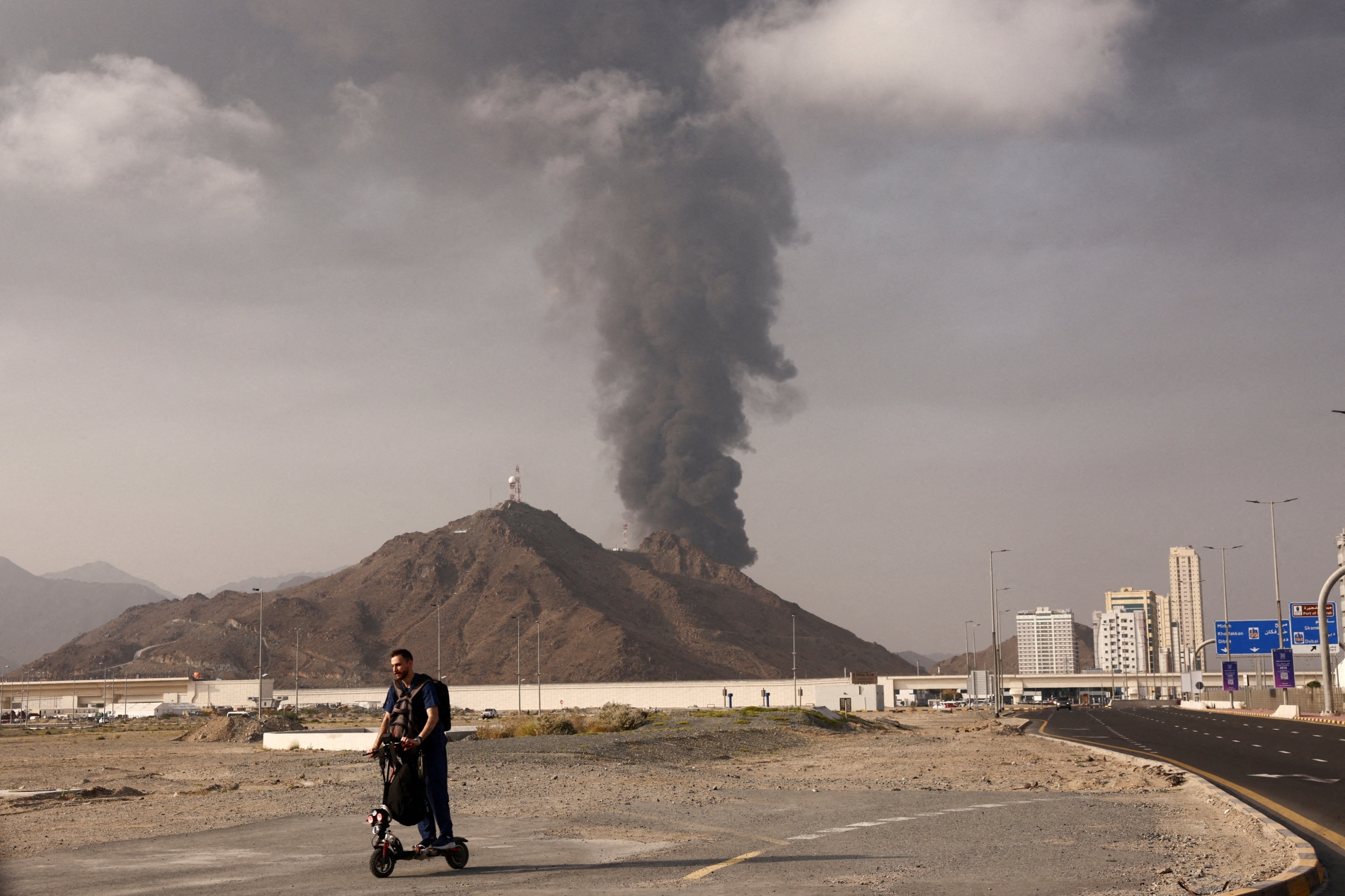
DP World, a global logistics firm based in Abu Dhabi, and Fujairah Ports Authority recently announced an agreement to build two deepwater terminals on the UAE’s eastern coast on the Gulf of Oman, away from Hormuz; expansions at the ports of Dibba and Khor Fakkan on the same coastline are also planned. In tandem, Abu Dhabi National Oil Company is developing a pipeline to double crude exports via Fujairah.
The UAE’s current main pipeline links Habshan to Fujairah and has a capacity of 1.5 million bpd. Like Yanbu, Fujairah offers a direct route to Asia, but is within range of Iran. “Fujairah will be a good way to get goods around Hormuz when the threat is focused on the waterways and not on the UAE itself,” Bohl said. “It will be less viable if Iran resumes attacks on the UAE, and likely a primary target for Iranian strikes if their goal is to interrupt alternative routes. It is an effective tool for this current stalemate.”